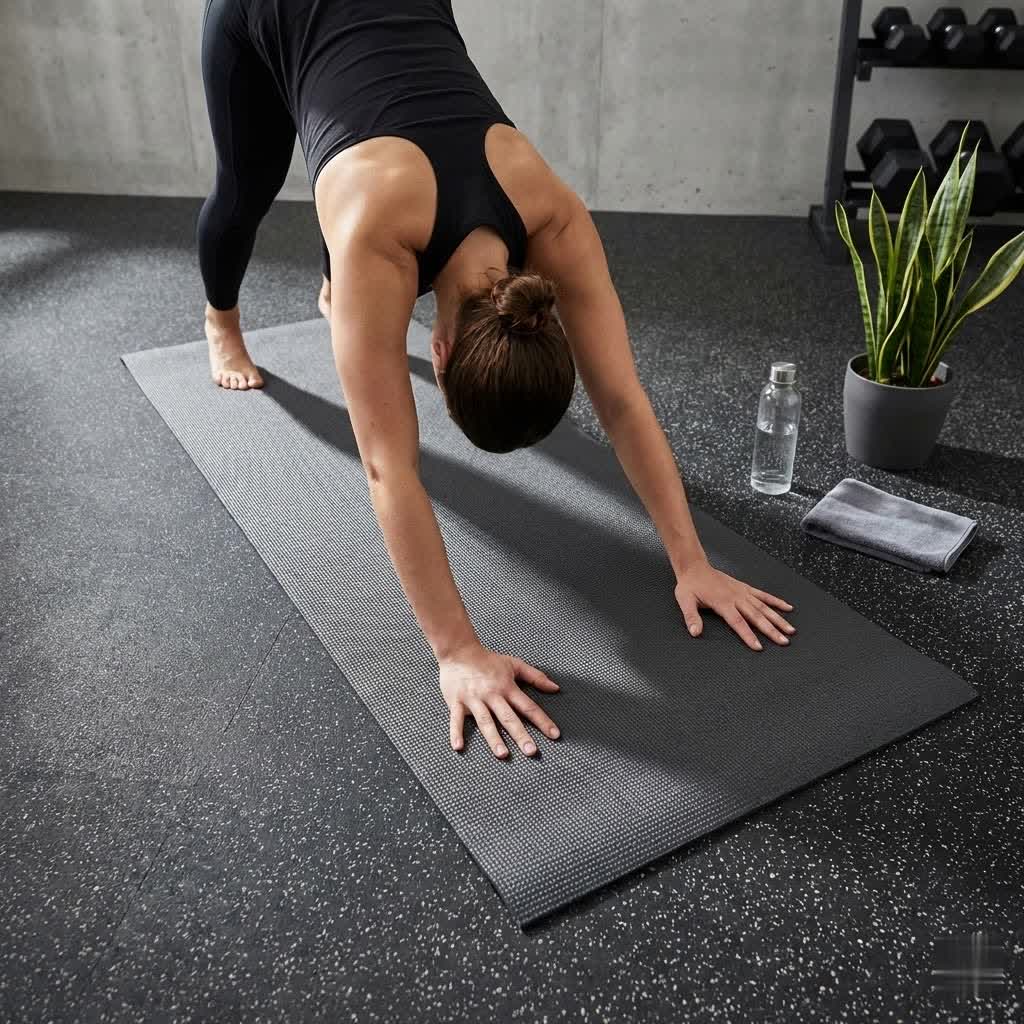
Embarking on a yoga journey is a personal and transformative experience, and at the heart of it lies your yoga mat—your personal sanctuary. While standard mats serve many, if you’ve ever found your hands or feet slipping off the edges, or felt restricted in your movements, it might be time to consider a Big Yoga Mat. Choosing the right mat, especially one that offers ample space, can significantly enhance your practice, providing the comfort, stability, and freedom you need to fully engage with every pose. This guide will help you navigate the world of oversized yoga mats, ensuring you find the perfect fit for your body, practice, and preferences.
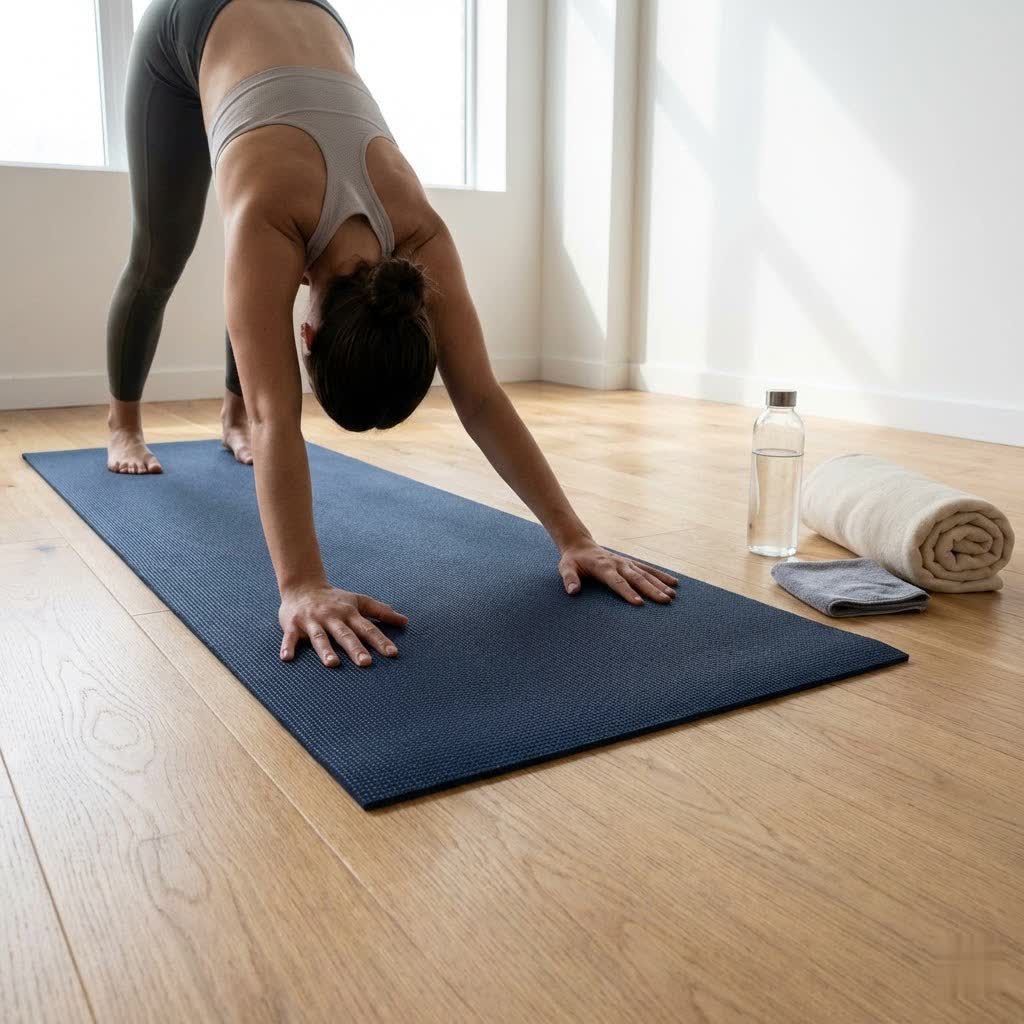
Why Size Matters: Understanding the Need for a Big Yoga Mat
For many practitioners, the standard yoga mat (typically 68-72 inches long and 24 inches wide) simply doesn’t offer enough real estate. If you’re a taller individual, have a broader physique, or enjoy dynamic flows and expansive poses, a larger mat can be a game-changer. It eliminates the constant need to readjust your position, allowing for an uninterrupted and more immersive practice. The benefits extend beyond mere convenience; ample space fosters better alignment, reduces the risk of accidental slips, and ultimately enhances your comfort and confidence on the mat.
Exploring the Dimensions of Big Yoga Mats
“Big” in the yoga mat world refers to both increased length and width. While a standard mat measures around 72 inches by 24 inches, big yoga mats offer significantly more generous dimensions.
- Extra-Long Mats: Ideal for taller yogis, these mats typically range from 80 to 85 inches in length (approximately 6 feet 8 inches to 7 feet 1 inch). If you are 5 feet 8 inches or taller, an extra-long mat ensures your head and feet remain on the mat during prone poses like Savasana or full-body stretches, preventing discomfort and distraction.
- Extra-Wide Mats: For those with broader shoulders or anyone desiring more lateral space, extra-wide mats can extend from 30 inches to a luxurious 36 inches (or even 48 inches) in width. This additional width provides ample room for expansive arm movements in Warrior poses, allows for wider stances, and offers a greater sense of personal space, particularly beneficial in group classes.
- Combined Large Sizes: Some mats offer both extended length and width, such as 84 inches long by 36 inches wide, providing a truly expansive practice surface. These larger dimensions are also excellent for other floor-based exercises, meditation, or restorative practices where comfort and complete body support are paramount.
Key Materials for Your Big Yoga Mat
The material of your big yoga mat is crucial, influencing grip, durability, eco-friendliness, and overall feel. Each material offers a unique set of advantages and disadvantages:
PVC (Polyvinyl Chloride)
- Pros: Generally inexpensive, widely available, and highly durable. PVC mats are known for their “sticky” surface, offering excellent grip.
- Cons: Not environmentally friendly due to its production process and non-biodegradable nature. It can also have a strong chemical odor initially. Its density is often firm, which is good for stability but might lack cushioning compared to other materials.
|
Our Picks for the Best Yoga Mat in 2026
We may earn a commission when you use one of our links to make a purchase.
|
||
| Num | Product | Action |
|---|---|---|
| 1 | Retrospec Solana Yoga Mat 1" Thick w/Nylon Strap for Men & Women - Non Slip Exercise Mat for Home Yoga, Pilates, Stretching, Floor & Fitness Workouts |

|
| 2 | Amazon Basics 1/4 Inch Thick TPE Exercise Yoga Mat with Carrying Strap |
|
| 3 | Retrospec Solana Yoga Mat 1" Thick w/Nylon Strap for Men & Women - Non Slip Exercise Mat for Home Yoga, Pilates, Stretching, Floor & Fitness Workouts |
|
| 4 | Retrospec Solana Yoga Mat 1" Thick w/Nylon Strap for Men & Women - Non Slip Exercise Mat for Home Yoga, Pilates, Stretching, Floor & Fitness Workouts |
|
| 5 | Retrospec Solana Yoga Mat 1" Thick w/Nylon Strap for Men & Women - Non Slip Exercise Mat for Home Yoga, Pilates, Stretching, Floor & Fitness Workouts |
|
| 6 | Retrospec Solana Yoga Mat 1" Thick w/Nylon Strap for Men & Women - Non Slip Exercise Mat for Home Yoga, Pilates, Stretching, Floor & Fitness Workouts |
|
| 7 | Amazon Basics Extra Thick Exercise Yoga Mat with Carrying Strap |
|
| 8 | Amazon Basics Extra Thick Exercise Yoga Mat with Carrying Strap |
|
| 9 | Amazon Basics Extra Thick Exercise Yoga Mat with Carrying Strap |
|
| 10 | Retrospec Solana Yoga Mat 1" Thick w/Nylon Strap for Men & Women - Non Slip Exercise Mat for Home Yoga, Pilates, Stretching, Floor & Fitness Workouts |
|
TPE (Thermoplastic Elastomer)
- Pros: A more eco-friendly alternative to PVC, TPE mats are often recyclable and free of latex and harmful chemicals. They are lightweight, flexible, and offer good grip and moderate cushioning.
- Cons: Can be less durable than natural rubber or PVC, and some TPE mats might feel too soft or “squishy,” potentially compromising stability during dynamic poses.
Natural Rubber
- Pros: Highly sustainable and biodegradable, natural rubber offers superior grip and excellent density, providing firm support with a slight spring. It’s ideal for active practices where stability and non-slip properties are crucial.
- Cons: Can be heavier, more expensive, and may have a distinct rubber odor that some find strong. Not suitable for individuals with latex allergies.
Cork (Gỗ Bần)
- Pros: A natural, renewable, and antimicrobial material, cork offers excellent grip that actually increases when wet, making it perfect for hot yoga. It’s firm, stable, and has a unique, earthy texture.
- Cons: Requires more careful handling to prevent cracking or damage, and might need to be laid flat after use. Generally lighter and less dense than natural rubber.
Jute (Sợi Đay)
- Pros: An eco-friendly natural fiber, jute mats are breathable, durable, and offer a textured surface for enhanced grip. They provide a firm and stable feel with moderate cushioning.
- Cons: The textured surface can feel rough to sensitive skin, and they are often blended with other materials to improve performance and durability.
NBR (Nitrile Butadiene Rubber)
- Pros: Known for its exceptional softness and cushioning, NBR is often found in thicker exercise mats. It’s excellent for restorative practices, Pilates, and providing joint support, especially on hard surfaces.
- Cons: Being very soft, it offers less stability for standing or balance-focused yoga poses, as it can compress significantly.
Comparison of Popular Yoga Mat Materials
| Feature | PVC | TPE | Natural Rubber | Cork | Jute | NBR |
|---|---|---|---|---|---|---|
| Eco-Friendliness | Low | Medium (Recyclable) | High (Biodegradable) | High (Sustainable) | High (Biodegradable) | Low |
| Grip | Excellent (Sticky) | Good | Excellent | Excellent (Wets-better) | Good (Textured) | Moderate |
| Cushioning | Moderate (Firm) | Moderate | Moderate (Firm-Springy) | Moderate (Firm) | Moderate | High (Soft) |
| Durability | High | Medium | High | Medium-High | High | Medium |
| Price Range | Low-Medium | Medium | High | Medium-High | Medium | Low-Medium |
| Texture/Feel | Smooth, sticky | Soft, slightly squishy | Dense, rubbery | Textured, natural | Rough, natural | Very soft, plushy |
| Special Notes | Chemical odor possible | Lightweight, latex-free | Strong odor possible, heavy | Antimicrobial | Often blended, breathable | Great for joint support, less stability |
Thickness: Finding the Right Cushion for Your Practice
Beyond length and width, mat thickness is a critical factor for comfort and joint protection.
- 3-5mm (Standard Thickness): This range offers a good balance between cushioning and stability. It’s versatile for various yoga styles, providing enough padding for floor work while maintaining a firm connection to the ground for balancing poses. These are often preferred by those who travel frequently due to their portability.
- 6-8mm (Thick Mats): These mats provide enhanced cushioning and are particularly beneficial for beginners, individuals with sensitive joints, or those practicing more restorative or Yin yoga styles. The extra padding significantly reduces pressure on knees, wrists, and hips. While offering comfort, very thick mats (above 6mm) can sometimes compromise stability in standing poses.
- 10mm and Up (Extra-Thick Mats): Primarily used for therapeutic practices or Pilates, these mats offer maximum cushioning. While incredibly comfortable for seated or supine poses, they may be too soft for dynamic yoga, making balance challenging.
“The right mat thickness can make the difference between a comfortable, supported practice and unnecessary strain on your joints. Consider your body’s needs and your primary yoga style.” – ReviewsZetu.com Admin, Yoga Mat Expert
Choosing Your Perfect Big Yoga Mat: A Practical Guide
Selecting a big yoga mat involves harmonizing your physical requirements with your practice style and environment.
- Consider Your Height and Body Type: As a general rule, your yoga mat should be at least 6-8 inches longer than your height to allow for full extension in poses. If you’re over 5’8″, an extra-long mat is highly recommended. If you have broad shoulders, prioritize an extra-wide mat to avoid feeling cramped.
- Evaluate Your Yoga Style:
- Dynamic Styles (Vinyasa, Ashtanga): You’ll need a mat with excellent grip and firm density to maintain stability during quick transitions and challenging balances. Natural rubber or a firm PVC mat (if eco-friendliness isn’t a top concern) with ample space would be ideal.
- Restorative/Yin/Gentle Yoga: Comfort and cushioning are paramount. Thicker mats (6-10mm) made from TPE, NBR, or natural rubber will provide the necessary support for prolonged holds and floor work.
- Hot Yoga: A cork mat, which gets grippier with sweat, or a natural rubber mat with an absorbent yoga towel, would be an excellent choice.
- Assess Your Practice Environment:
- Home Practice: If your mat stays in one place, a heavy, extra-large mat offers luxurious space without portability concerns. Measure your dedicated space to ensure the mat fits comfortably.
- Studio Practice/Travel: While a big mat is great, consider its weight and portability if you need to carry it frequently. Check with your studio as some may have space limitations that preclude extra-wide mats.
- Set Your Budget: Big yoga mats, especially those made from high-quality, eco-friendly materials, tend to be more expensive than standard options. Determine what you’re willing to invest, keeping in mind that a durable, comfortable mat is a long-term investment in your practice.
Caring for Your Big Yoga Mat: Tips for Longevity
Proper care ensures your big yoga mat remains hygienic, grippy, and durable for years to come.
- Clean After Each Use: For light cleaning, simply wipe your mat down with a damp cloth after every practice to remove sweat and oils. For a deeper clean, use a diluted solution of mild soap and water or a specialized yoga mat cleaner.
- Deep Cleaning: Depending on frequency of use and material, a deeper clean once a week or month is advisable. Follow manufacturer instructions for specific materials.
- Dry Thoroughly: Always ensure your mat is completely dry before rolling it up and storing it, as moisture can lead to bacteria growth and odors. Hang it to air dry if possible.
- Store Properly: Roll your mat tightly, surface side out, to prevent curling edges. Store it in a cool, dry place away from direct sunlight, which can degrade certain materials over time.
Top Considerations When Buying a Big Yoga Mat
When investing in a big yoga mat, focus on these key aspects:
- Dimensions: Confirm the length and width meet your specific needs for height and movement range.
- Material: Choose a material that aligns with your practice style, grip preferences, and environmental values.
- Thickness & Density: Balance cushioning for joint support with sufficient firmness for stability.
- Portability: If you’ll be transporting your mat, consider its weight and how easily it rolls or folds.
- Durability: Look for quality craftsmanship and materials that will withstand consistent use.
- Odor: Especially for natural rubber or PVC, be aware of initial odors and allow for airing out.
Conclusion
Finding the perfect big yoga mat is about empowering your practice. By understanding the optimal dimensions, exploring various materials, and considering your personal needs and yoga style, you can select a mat that becomes a true extension of yourself. A big yoga mat offers unparalleled freedom, comfort, and stability, allowing you to deepen your poses and connect more fully with your mind and body. Remember, your mat is your sacred space; choose one that truly supports your unique journey. What kind of expansive practice will your new big yoga mat inspire in you?
Frequently Asked Questions
What is considered a “big” yoga mat?
A big yoga mat typically refers to dimensions greater than the standard 72 inches long by 24 inches wide. This often includes mats 80-85 inches long and 30-36 inches wide, designed to accommodate taller individuals, broader physiques, or those requiring more space for dynamic movement.
Are big yoga mats heavier than standard mats?
Generally, yes. Due to the increased amount of material, big yoga mats are usually heavier than their standard counterparts. This can impact portability, so consider this if you plan to carry your mat to and from a studio regularly.
Can I use a big yoga mat in a studio class?
While big yoga mats offer excellent personal space, it’s advisable to check with your yoga studio first. Some studios have limited floor space and may have policies against extra-wide mats to ensure everyone has adequate room to practice comfortably.
What material is best for a big yoga mat?
The “best” material depends on your specific needs. Natural rubber offers superior grip and eco-friendliness, while cork provides excellent grip when wet and is antimicrobial. TPE is a good lightweight, eco-friendly option, and PVC is very durable. Consider your practice style, grip requirements, and environmental preferences.
How do I clean a big yoga mat?
Cleaning a big yoga mat is similar to cleaning a standard one. Wipe it down with a damp cloth after each use. For a deeper clean, use a diluted mild soap solution or a specialized mat cleaner. Always ensure it’s completely dry before rolling and storing to prevent mildew and odors.