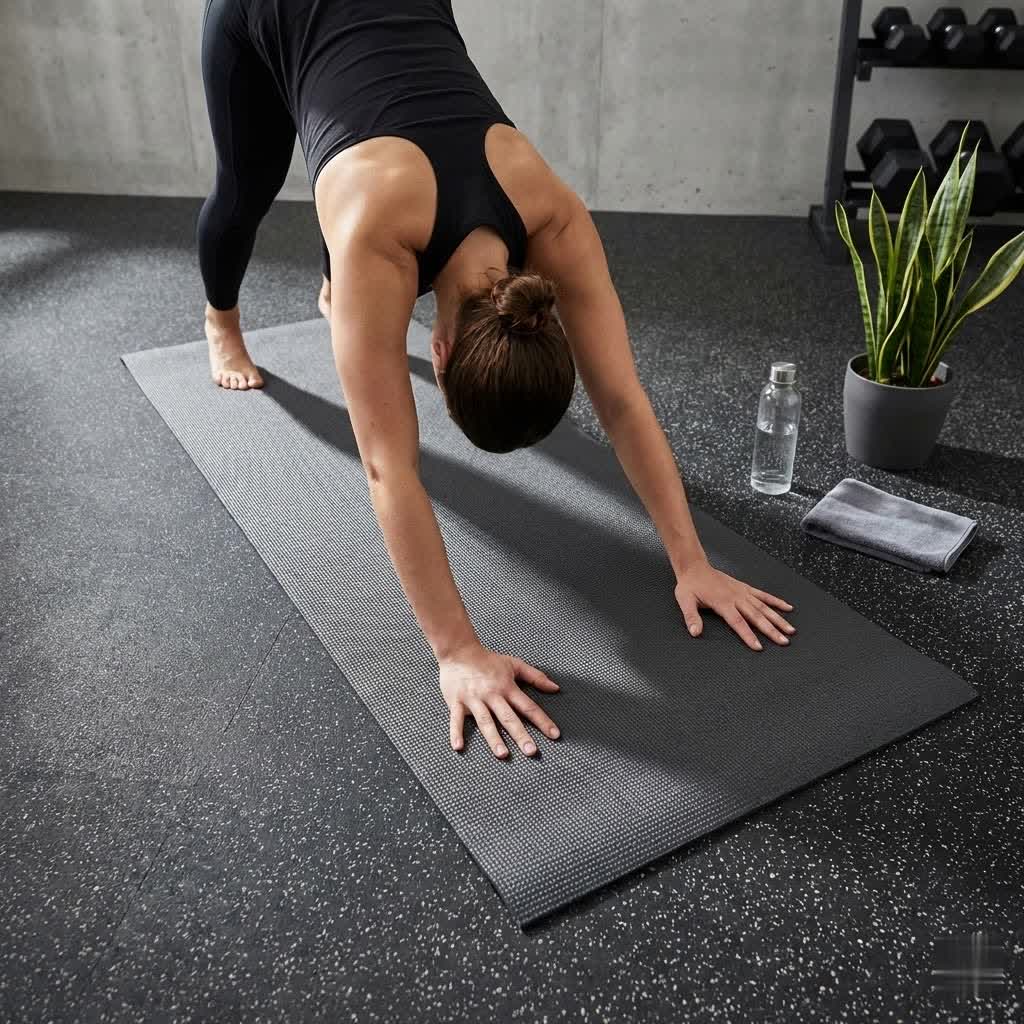
Starting your yoga journey or simply looking to refresh your practice doesn’t have to break the bank. With countless options available, finding a yoga mat that supports both your body and your wallet can feel overwhelming. This comprehensive guide will help you navigate the world of affordable yoga mats, ensuring you choose a mat that offers the right blend of comfort, grip, durability, and value, allowing you to focus on your practice, not your spending.
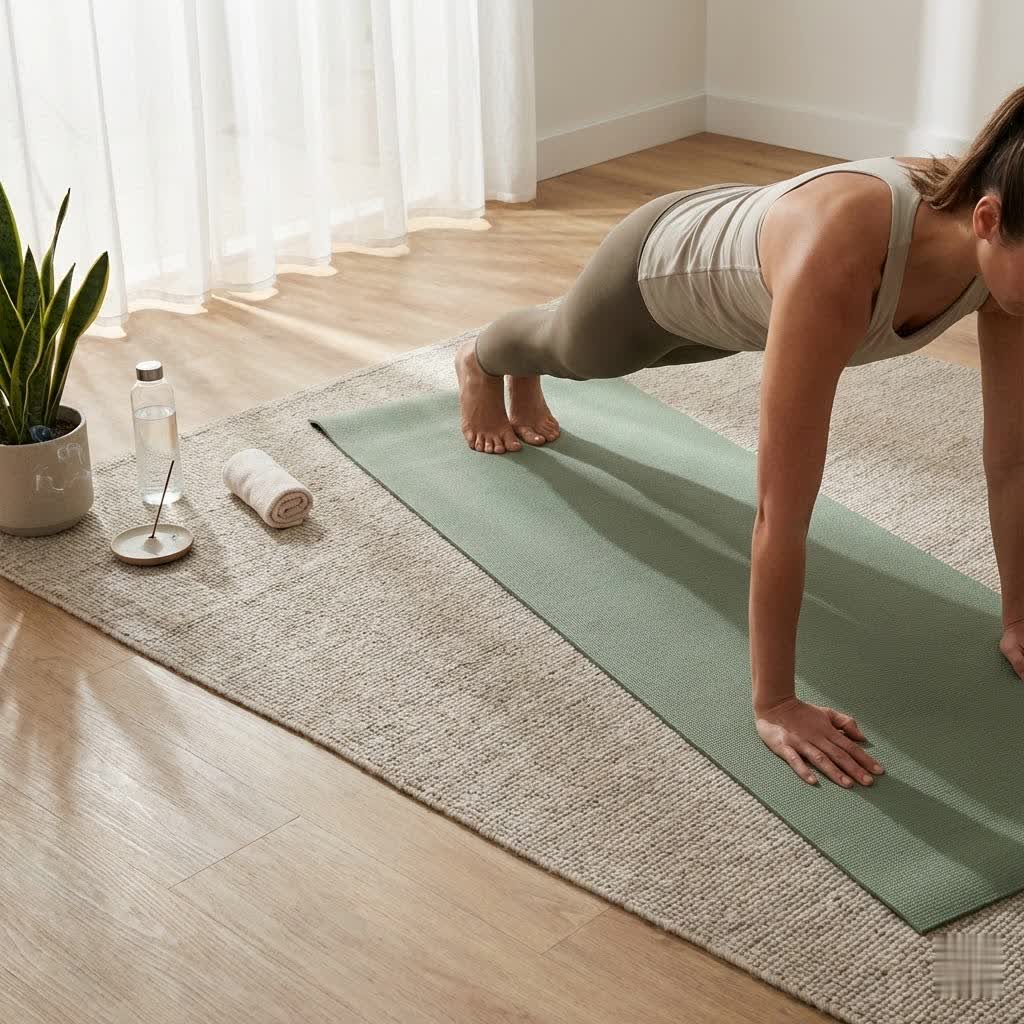
Understanding Yoga Mat Materials: What’s Your Mat Made Of?
The material of your yoga mat significantly impacts its performance, feel, and price. When you’re on a budget, knowing these differences is key to making an informed choice without sacrificing essential qualities.
- PVC (Polyvinyl Chloride): Often the most budget-friendly option, PVC mats are known for their durability and ease of cleaning. They offer good floor grip but can become slippery when you sweat heavily, as they are non-absorbent. While PVC is latex-free, it’s not biodegradable or the most environmentally friendly choice.
- TPE (Thermoplastic Elastomer): A blend of plastic and rubber polymers, TPE mats are a more eco-friendly alternative to PVC. They are typically lightweight and offer a good balance of sustainability and affordability. TPE mats often provide better grip and comfort over time compared to basic PVC.
- Natural Rubber: For those prioritizing grip and environmental consciousness, natural rubber mats are an excellent choice. They offer superb traction, are biodegradable, and provide great cushioning. However, they tend to be heavier, might have a distinct rubber smell initially, and usually come at a higher price point, even for budget versions.
- Cork: Cork mats boast natural antimicrobial properties, making them excellent for hygiene. They offer good grip, especially when wet, which is a bonus for sweaty practices. Cork mats are sustainable and durable, though they might require careful maintenance and can feel a bit rougher.
- Jute: Made from plant fibers, jute mats are another eco-friendly option. They are highly durable and offer a textured surface that provides good grip. The main drawback is that their natural roughness might not appeal to everyone seeking a softer feel.
Budget Yoga Mat Comparison Table
Here’s a quick overview to compare common budget-friendly yoga mat materials:
| Feature | PVC | TPE | Natural Rubber | Cork |
|---|---|---|---|---|
| Price Range | Low | Medium-Low | Medium-High | Medium-High |
| Grip (Dry) | Good | Good | Excellent | Good |
| Grip (Wet) | Can be slippery | Good | Excellent | Excellent |
| Cushioning | Moderate | Good | Very Good | Moderate |
| Durability | High | Moderate-High | High (some can shed) | High |
| Eco-Friendliness | Low | Moderate | High | High |
| Portability | Moderate | Good (lightweight) | Moderate (can be heavy) | Moderate (can be heavy) |
| Maintenance | Easy to clean | Easy to clean | Requires careful cleaning | Easy (naturally clean) |
Key Factors for Choosing Your Affordable Yoga Mat
Selecting the right Budget Yoga Mat involves more than just looking at the price tag. Consider these crucial factors to find a mat that truly supports your practice.
Thickness & Cushioning: Balancing Comfort and Stability
|
Our Picks for the Best Yoga Mat in 2026
We may earn a commission when you use one of our links to make a purchase.
|
||
| Num | Product | Action |
|---|---|---|
| 1 | Retrospec Solana Yoga Mat 1" Thick w/Nylon Strap for Men & Women - Non Slip Exercise Mat for Home Yoga, Pilates, Stretching, Floor & Fitness Workouts |

|
| 2 | Retrospec Solana Yoga Mat 1" Thick w/Nylon Strap for Men & Women - Non Slip Exercise Mat for Home Yoga, Pilates, Stretching, Floor & Fitness Workouts |
|
| 3 | Retrospec Solana Yoga Mat 1" Thick w/Nylon Strap for Men & Women - Non Slip Exercise Mat for Home Yoga, Pilates, Stretching, Floor & Fitness Workouts |
|
| 4 | Amazon Basics Extra Thick Exercise Yoga Mat with Carrying Strap |
|
| 5 | Retrospec Solana Yoga Mat 1" Thick w/Nylon Strap for Men & Women - Non Slip Exercise Mat for Home Yoga, Pilates, Stretching, Floor & Fitness Workouts |
|
| 6 | Amazon Basics 1/4 Inch Thick TPE Exercise Yoga Mat with Carrying Strap |
|
| 7 | Amazon Basics Extra Thick Exercise Yoga Mat with Carrying Strap |
|
| 8 | Retrospec Solana Yoga Mat 1" Thick w/Nylon Strap for Men & Women - Non Slip Exercise Mat for Home Yoga, Pilates, Stretching, Floor & Fitness Workouts |
|
| 9 | Amazon Basics Extra Thick Exercise Yoga Mat with Carrying Strap |
|
| 10 | Retrospec Solana Yoga Mat 1" Thick w/Nylon Strap for Men & Women - Non Slip Exercise Mat for Home Yoga, Pilates, Stretching, Floor & Fitness Workouts |
|
The thickness of your mat plays a significant role in comfort and stability. Thinner mats, typically 3-5mm, are great for experienced yogis who prefer a direct connection to the floor for balance poses and inversions, and they are generally more portable. For beginners, those with sensitive joints, or anyone practicing on hard surfaces, a thicker mat (6-8mm or even 10-13mm) offers enhanced cushioning and protection. While thicker mats provide more comfort, be aware that excessive thickness can sometimes reduce stability during standing poses.
Grip: Staying Grounded Without Slipping
A non-slip surface is paramount for a safe and effective yoga practice, especially when performing dynamic flows or holding challenging poses like Downward Dog. Many budget mats can become slippery when damp with sweat, leading to discomfort or even injury. Look for mats with textured surfaces or those made from materials like natural rubber or cork, which are renowned for their excellent wet grip. Some affordable TPE mats also offer good traction. Test the mat’s grip if possible, or read reviews that specifically address its non-slip capabilities, particularly in sweaty conditions.
Size & Portability: Finding Your Perfect Fit
Standard yoga mats are usually 68 inches long and 24 inches wide. However, if you are taller or prefer more space, consider a slightly longer or wider mat. For those who travel frequently or bring their mat to a studio, portability is a key concern. Lighter, thinner mats (around 1.5mm for travel-specific options) that roll or fold easily will be your best companions. If your practice is primarily at home, a heavier, more cushioned mat might be a better fit.
Material & Sustainability: Eco-Friendly on a Budget
While premium eco-friendly mats can be expensive, several budget-conscious options prioritize sustainability. TPE mats offer a good compromise between cost and environmental impact compared to traditional PVC. Some brands also offer budget-friendly natural rubber or cork mats. Choosing a mat made from non-toxic, recyclable, or biodegradable materials aligns with the mindful principles of yoga and is beneficial for both you and the planet. Always check product descriptions for certifications or details on the materials used.
Your Budget: Investing Wisely
Defining your budget upfront is crucial. While it’s tempting to grab the cheapest mat available, remember that a slightly higher investment can significantly improve your experience and the mat’s lifespan. Many high-value budget mats fall in the $20-$50 range, offering a balance of quality and affordability. Consider this an investment in your well-being and practice, seeking the best mat that fits your financial comfort zone without compromising on essential features like grip and cushioning.
Maximizing Your Budget Mat’s Lifespan: Cleaning and Care Tips
Even an inexpensive yoga mat can last for a long time with proper care. Keeping your mat clean not only ensures hygiene but also helps maintain its performance and extends its life.
Daily Wipe-Downs
After every practice, especially if you sweat, wipe down your mat. A simple damp cloth is often sufficient to remove sweat and light dirt. For a more thorough daily clean, you can use a diluted solution of water and a few drops of mild dish soap, or a homemade spray with equal parts water and white vinegar, optionally adding a few drops of tea tree oil for its antibacterial properties. Always check your mat’s specific care instructions, as some materials react differently to certain cleaners.
Deep Cleaning Methods
Once a week, or more frequently if you practice daily or intensely, give your mat a deeper clean. You can submerge some mats in a bathtub with warm water and a small amount of dish soap, gently scrubbing with a soft cloth. Avoid hot water, as it can damage certain mat materials. Rinse thoroughly to remove all soap residue. For natural rubber mats, a sprinkling of baking soda in cool water can help with stubborn stains and odors.
Storage Best Practices
Always allow your mat to air dry completely before rolling it up and storing it. Rolling it damp can lead to mildew and odors. Store your mat rolled up, away from direct sunlight and extreme temperatures, which can degrade materials over time. Using a yoga mat strap or bag can protect it from dust and damage during transport.
Top Budget-Friendly Yoga Mats Recommended by Experts
Finding a quality yoga mat that doesn’t strain your finances is entirely achievable. Here are some of the best budget yoga mats that consistently receive high marks for their performance and value:
- BalanceFrom All-Purpose Yoga Mat: Often cited for its excellent comfort and versatility, this mat typically features a ½-inch thickness, providing ample cushioning for joints. It’s a popular choice for home practice and often comes bundled with accessories, offering great value for money. Users appreciate its non-slip surfaces for stability.
- Gaiam Essentials Yoga Mat: A frequent recommendation for beginners and those on a budget, Gaiam Essentials mats are lightweight and offer good support. While they might offer less grip than premium mats, they are a solid starting point for casual practice and come in various colors.
- IUGA Eco Friendly Non Slip Yoga Mat: This mat is praised for being a budget-friendly option that doesn’t compromise on grip or eco-consciousness. It’s often made from TPE, providing good traction and cushioning while being lightweight and portable. Many users highlight its reliability even in sweaty conditions.
- AmazonBasics 1/2-inch Extra Thick Yoga Mat: An accessible and very affordable option, this mat is known for its plush, ½-inch cushioning. It’s ideal for those needing extra joint protection and is easy to transport with an included strap. While highly comfortable, some users might find it less stable for advanced balance poses.
- Kimjaly Ultra Grippy Yoga Mat: Often recognized as a “best value” mat, the Kimjaly Ultra Grippy mat, typically made from rubber, provides excellent traction during dynamic flows while still offering sufficient cushioning. Its quality often surpasses its modest price point, making it a favorite for many budget-conscious yogis.
Conclusion
Choosing the right yoga mat is a deeply personal decision, and a smaller budget doesn’t mean you have to compromise on a fulfilling practice. By focusing on essential factors like material, thickness, and grip, and understanding proper care, you can find a high-quality, affordable yoga mat that perfectly suits your needs. Whether you’re a seasoned yogi or just beginning your journey, an ideal mat is within reach. Step onto your chosen mat with confidence and embrace the balance and peace that yoga brings.
What features are most important to you when choosing your next yoga mat?
Frequently Asked Questions
Can I find an eco-friendly yoga mat on a budget?
Absolutely! While premium eco-friendly mats can be pricey, brands offer budget-friendly options made from materials like TPE, natural rubber, or cork, which are more sustainable than traditional PVC. These mats balance affordability with environmental responsibility, allowing you to practice mindfully.
How thick should a budget yoga mat be for beginners?
For beginners, a thickness of 6-8mm is generally recommended. This range provides ample cushioning to protect joints during new poses, offering a comfortable and supportive surface as you build strength and flexibility. Thicker mats can enhance comfort on hard floors.
How often should I clean my budget yoga mat?
You should wipe down your yoga mat with a damp cloth after every practice to remove sweat and dirt. A deeper clean using mild soap and water or a specialized mat cleaner is recommended once a week, or more frequently if you practice daily or engage in hot yoga.
Do inexpensive yoga mats last as long as expensive ones?
The durability of an inexpensive yoga mat can vary. While some budget mats may show wear and tear faster than premium, high-end mats designed for extensive use, many budget-friendly options offer surprising longevity when properly cared for. Materials like TPE and certain rubber blends can be quite durable for their price.
Is grip truly important on a budget yoga mat?
Yes, grip is incredibly important, regardless of the mat’s price. A mat with good traction prevents slipping, ensuring your safety and allowing you to maintain poses with stability and confidence. Look for budget mats specifically designed with non-slip surfaces, especially if you tend to sweat during your practice.