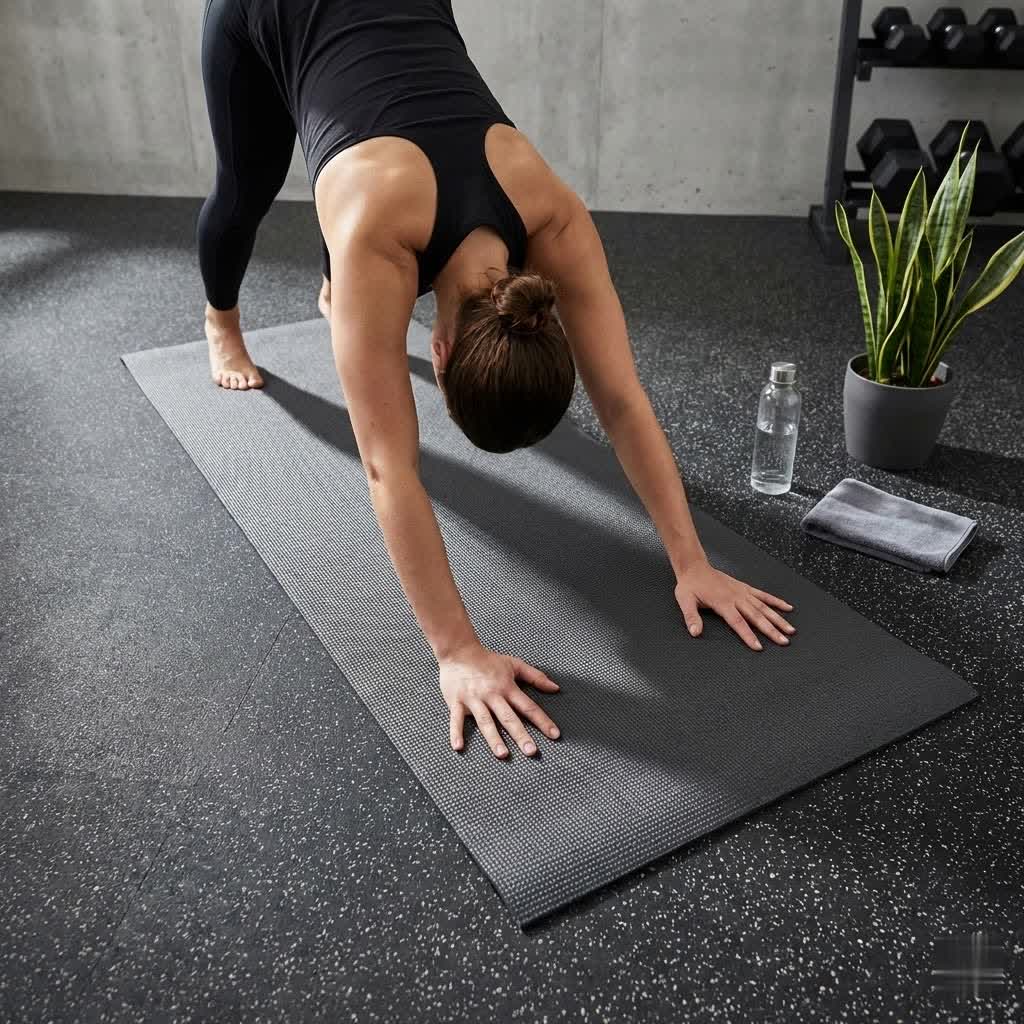
The moment you step onto your mat, it becomes more than just a surface; it’s a sanctuary, a space for growth, and a reflection of your inner journey. But what if this sacred space could be uniquely yours, embodying your spirit and empowering your practice? A personalized yoga mat offers just that—a bespoke foundation tailored to your exact needs and aesthetic desires, transforming every pose into a deeply personal experience. It’s time to move beyond generic and embrace a mat that truly resonates with you.
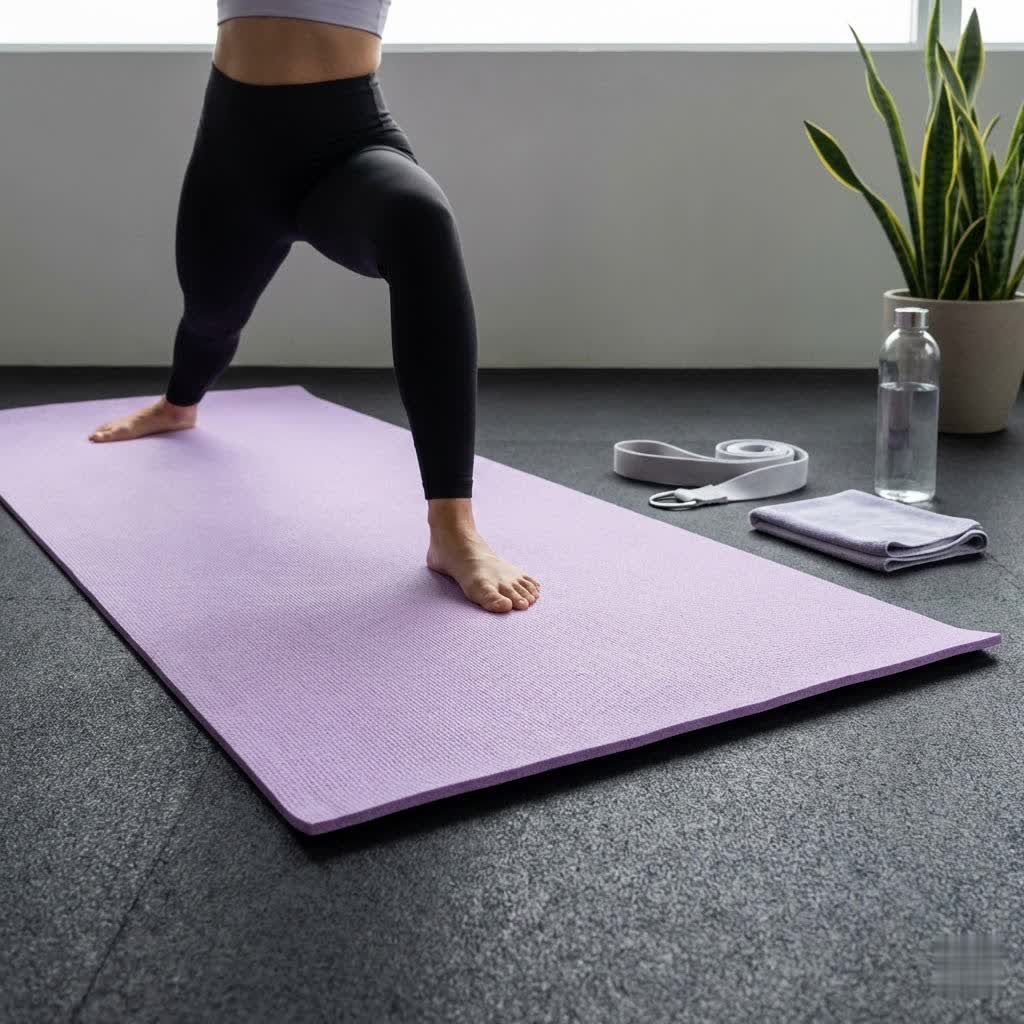
Discovering Your Perfect Personalized Yoga Mat
Choosing the right yoga mat is a foundational step in enhancing your practice. When you add the element of personalization, you unlock a new level of connection and motivation. Understanding the various types of mats available and how they can be customized is key to making an informed decision.
Popular Yoga Mat Materials and Their Personalization Potential
The material of your personalized yoga mat dictates its performance, feel, and environmental impact. Each offers distinct advantages and avenues for customization.
-
PVC (Polyvinyl Chloride) Mats:
- Pros: Generally affordable and widely available, PVC mats are excellent canvases for vibrant, full-color designs. They offer good durability for their price point.
- Cons: These mats are less eco-friendly than natural alternatives and can sometimes emit an initial odor. Their lifespan may also be shorter compared to more robust materials. Personalization typically involves digital printing onto the surface.
-
TPE (Thermoplastic Elastomer) Mats:
- Pros: Often praised as an eco-friendly choice, TPE mats are recyclable and lighter than many other options. They provide good shock absorption, making them comfortable for various poses. TPE mats can be heat-pressed with custom graphics, allowing for unique designs.
- Cons: While durable, TPE may degrade faster under very heavy, consistent use and might not offer the same natural feel as rubber.
-
Natural Rubber Mats:
- Pros: For superior grip, especially during sweaty practices, natural rubber is a top contender. These mats are eco-conscious, made from sustainably sourced tree rubber, and known for their exceptional durability. Designs can be embedded or printed using non-toxic dyes.
- Cons: Natural rubber mats tend to be heavier, which might be a consideration for portability. Individuals with latex allergies should also exercise caution. They often come with a higher price tag.
-
Cork-Topped Mats:
- Pros: Cork mats feature a natural cork surface, often layered over a rubber or jute base. Cork is naturally antimicrobial and offers enhanced grip when wet, making it ideal for hot yoga. It’s also a sustainable material. Custom motifs can be laser-engraved or printed onto the surface.
- Cons: These mats require careful cleaning to maintain their integrity and can be more expensive. The complexity of designs for engraving may also be limited.
|
Our Picks for the Best Yoga Mat in 2026
We may earn a commission when you use one of our links to make a purchase.
|
||
| Num | Product | Action |
|---|---|---|
| 1 | Amazon Basics 1/4 Inch Thick TPE Exercise Yoga Mat with Carrying Strap |

|
| 2 | Retrospec Solana Yoga Mat 1" Thick w/Nylon Strap for Men & Women - Non Slip Exercise Mat for Home Yoga, Pilates, Stretching, Floor & Fitness Workouts |
|
| 3 | Retrospec Solana Yoga Mat 1" Thick w/Nylon Strap for Men & Women - Non Slip Exercise Mat for Home Yoga, Pilates, Stretching, Floor & Fitness Workouts |
|
| 4 | Retrospec Solana Yoga Mat 1" Thick w/Nylon Strap for Men & Women - Non Slip Exercise Mat for Home Yoga, Pilates, Stretching, Floor & Fitness Workouts |
|
| 5 | Amazon Basics Extra Thick Exercise Yoga Mat with Carrying Strap |
|
| 6 | Amazon Basics Extra Thick Exercise Yoga Mat with Carrying Strap |
|
| 7 | Amazon Basics Extra Thick Exercise Yoga Mat with Carrying Strap |
|
| 8 | Retrospec Solana Yoga Mat 1" Thick w/Nylon Strap for Men & Women - Non Slip Exercise Mat for Home Yoga, Pilates, Stretching, Floor & Fitness Workouts |
|
| 9 | Retrospec Solana Yoga Mat 1" Thick w/Nylon Strap for Men & Women - Non Slip Exercise Mat for Home Yoga, Pilates, Stretching, Floor & Fitness Workouts |
|
| 10 | Retrospec Solana Yoga Mat 1" Thick w/Nylon Strap for Men & Women - Non Slip Exercise Mat for Home Yoga, Pilates, Stretching, Floor & Fitness Workouts |
|
Detailed Comparison of Personalized Yoga Mat Materials
| Feature | PVC Mat | TPE Mat | Natural Rubber Mat | Cork-Topped Mat |
|---|---|---|---|---|
| Material | Polyvinyl Chloride | Thermoplastic Elastomer | Sustainably sourced tree rubber | Natural cork surface with rubber/jute base |
| Thickness | Varies (often 3-6mm) | Varies (often 3-6mm) | Varies (often 3-6mm) | Varies (cork layer + base) |
| Grip | Good, but can be slippery when wet | Good, decent shock absorption | Excellent, especially with moisture | Improves with moisture, naturally grippy |
| Durability | Moderate; designs can wear over time | Moderate; may degrade with heavy use | High; built to last | High, but cork can chip if not cared for |
| Price Range | Budget-friendly ($45-$65) | Mid-range ($50-$80) | Premium ($90-$120+) | Premium ($80-$120+) |
| Eco-Friendliness | Less eco-friendly | Recyclable, generally eco-friendly | Biodegradable, sustainable | Sustainable, antimicrobial |
| Customization | Vibrant digital prints | Heat-pressed graphics | Embedded or non-toxic dye prints | Laser-engraving, subtle prints |
Crafting Your Connection: How to Choose the Right Personalized Yoga Mat
Selecting a personalized yoga mat goes beyond aesthetics; it’s about finding a tool that supports your practice and enhances your well-being. Consider these factors to guide your choice.
Essential Considerations for Your Personalized Mat
-
Thickness: The mat’s thickness directly impacts comfort and stability.
- 3-5mm: If you’re a seasoned practitioner who values a strong connection to the floor and excellent stability for balancing poses, a thinner mat (3-4mm) is ideal. It’s also great for portability.
- 6-8mm: For beginners, those with sensitive joints, or anyone seeking extra cushioning and comfort during kneeling or restorative poses, a thicker mat (5-6mm or more) offers enhanced protection. Remember, very thick mats might slightly challenge balance in standing poses.
-
Grip: A non-slip surface is paramount for safety and confidence in your practice. Look for mats with textured surfaces. Natural rubber and cork materials are renowned for their excellent wet-grip performance, crucial for dynamic or hot yoga styles where sweat is a factor.
-
Size: Standard yoga mats are typically 68 inches long by 24 inches wide. However, if you are taller or prefer more space for expansive poses, consider extended lengths (72 inches or more) or wider mats (26-30 inches). Ensure your mat accommodates your full body comfortably during savasana and allows for fluid movement.
-
Material: Your choice of material impacts not only performance but also your values. Prioritize eco-friendly options like natural rubber or TPE if sustainability is important to you. If affordability is a primary concern, PVC mats with non-toxic inks can be an option. Always check for certifications like OEKO-TEX if available, confirming the material is free from harmful chemicals.
-
Personalization Options: The beauty of a personalized mat lies in its ability to reflect your individuality.
- Design: Can you upload your own artwork, photos, or logos?
- Text: Add your name, a meaningful mantra, or an inspiring quote.
- Colors: Choose base and accent colors that resonate with you.
- Alignment Guides: Some mats, like those from Liforme, allow you to customize alignment lines to suit your practice needs.
- Look for platforms that offer real-time previews to ensure your design looks exactly as you envision it.
-
Budget: Personalized yoga mats typically range from $45 to over $120, depending on the material, thickness, and brand. While cheaper options exist, investing in a mid-range or premium mat usually offers better material quality, print durability, and overall longevity.
Maintaining Your Unique Mat: Cleaning and Care Tips
Proper care is essential to preserve your personalized yoga mat’s vibrant design and functionality.
- Clean After Each Use: After every session, gently wipe down your mat with a damp cloth to remove sweat and dirt. For a deeper clean, use a mild soap and water solution or a specialized yoga mat cleaner.
- Air Dry Thoroughly: Always allow your mat to air dry completely before rolling it up. Avoid direct sunlight, which can fade prints and degrade certain materials over time. Lay it flat or hang it to dry in a shaded, well-ventilated area.
- Store Correctly: Roll your mat with the printed side facing outwards. This helps prevent the print from cracking or peeling and maintains the mat’s shape. Store it in a cool, dry place away from extreme temperatures.
- Avoid Harsh Chemicals: Steer clear of abrasive cleaners or harsh chemicals, as these can damage the mat’s material and cause the personalized design to fade or peel.
Elevating Your Practice with a Personalized Touch
A personalized yoga mat is more than just gear; it’s a powerful tool for connection and motivation. Imagine unrolling your mat to reveal a design that uplifts you, a quote that grounds you, or your name affirming your dedication to your practice. This unique connection can significantly enhance your focus, inspire consistency, and make your yoga journey even more meaningful.
“A personalized mat transcends functionality; it becomes a canvas for your intention, a visual affirmation of your yoga journey.” – ReviewsZetu Admin, Yoga Mat Expert
For yoga instructors or studios, custom-branded mats offer a professional touch and a cohesive identity, fostering a sense of community among students. Whether for personal use or as a thoughtful gift, a personalized yoga mat truly stands out.
Frequently Asked Questions
Can I return a personalized yoga mat if I’m not satisfied with the design?
Most companies have stricter return policies for personalized items, often only accepting returns if the product is defective or if there was an error in printing on their part. Always review digital proofs carefully before placing your order and check the seller’s specific return policy.
Are personalized yoga mats safe for hot yoga?
Yes, many personalized yoga mats are suitable for hot yoga, especially those made from natural rubber or high-density TPE. These materials are known for their enhanced grip when wet and resistance to heat. However, it’s advisable to avoid cheaper PVC mats, as they may warp or release odors under high heat.
How long do custom-printed designs typically last?
With proper care and maintenance, custom prints on yoga mats can last anywhere from 1 to 3 years. Designs that are UV-coated or applied using sublimation printing methods tend to be more resistant to fading and wear than basic inkjet prints.
Do personalized yoga mats cost more than standard mats?
Generally, yes. Personalized yoga mats typically cost $20-$50 more than their standard counterparts due to the individualized production process. The final price will vary based on the material, thickness, brand, and complexity of the customization.
Can I machine wash my personalized yoga mat?
No, machine washing is generally not recommended for personalized yoga mats. The agitation and detergents can damage the print and the mat’s material structure. Instead, hand clean your mat with a damp cloth and a gentle cleaner, then air dry it flat.