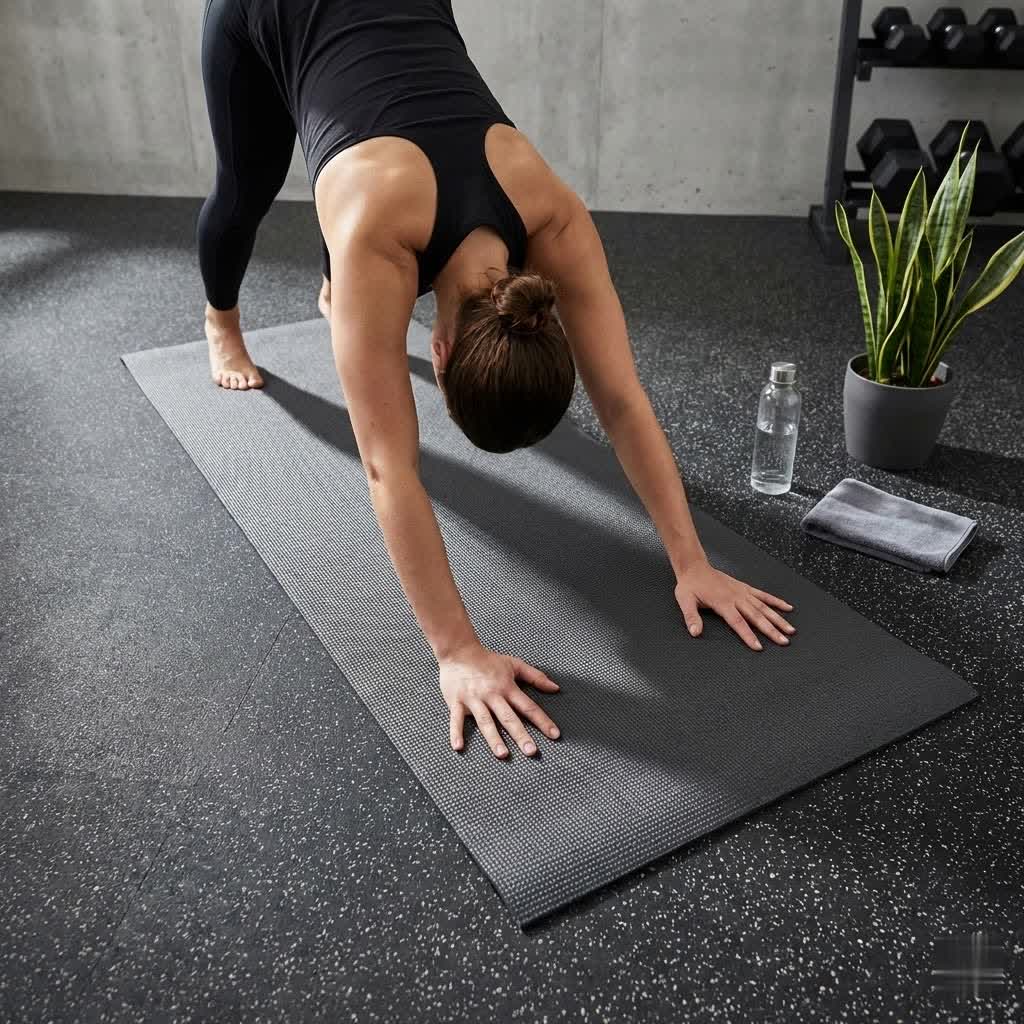
For many dedicated yogis, the practice extends beyond the studio walls, encompassing a journey that begins the moment they leave home. Yet, wrestling with a bulky, uncoiling mat can often disrupt that serene start. Enter the humble Yoga Mat Strap – a deceptively simple accessory that not only simplifies transportation but also serves as a powerful tool to deepen your poses and elevate your practice. If you’ve ever wondered how to effortlessly carry your mat or wished for a little extra reach in your stretches, understanding the world of yoga mat straps is your next essential step.
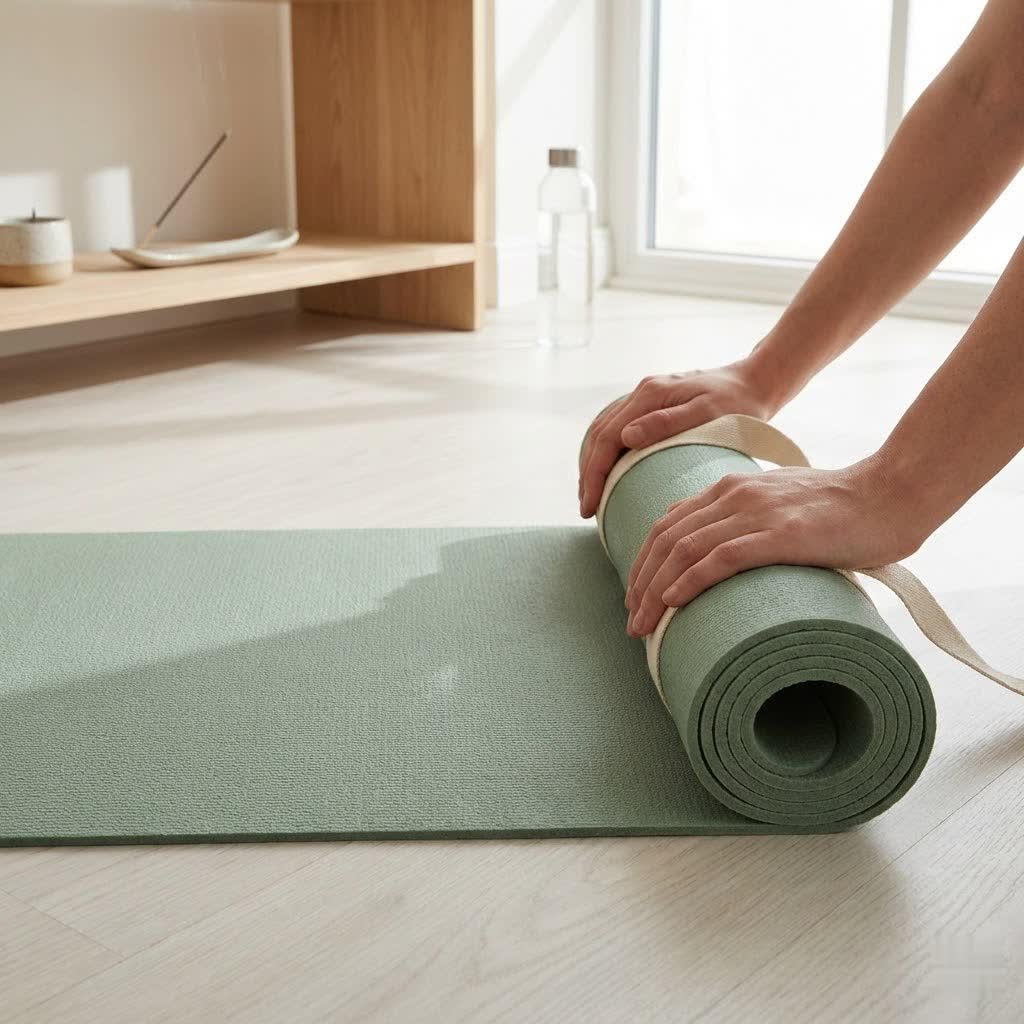
The Essential Yoga Mat Strap: More Than Just a Carrier
A yoga mat strap is an invaluable accessory for anyone who practices yoga outside their home, transforming the often-awkward task of transporting a rolled mat into a seamless experience. These straps typically feature a fabric webbing design, often equipped with loops, buckles, or clips, allowing you to secure your mat and comfortably sling it over your shoulder or across your body. This hands-free carrying solution reduces strain, keeps your mat neatly rolled, and leaves your hands free for other essentials, making your commute to the studio or park significantly more enjoyable.
However, the utility of a yoga mat strap extends far beyond mere transportation. Many straps are ingeniously designed to double as powerful yoga props, aiding in flexibility, alignment, and the deepening of poses. This dual functionality makes a single strap a versatile addition to any yogi’s toolkit, maximizing its value and utility both on and off the mat.
Decoding Yoga Mat Strap Materials and Types
The foundation of any good yoga mat strap lies in its material, which dictates its durability, feel, and performance. Understanding the common types and materials available can help you select a strap that best suits your needs and values.
- Cotton Straps:
- Pros: Known for their softness, natural feel, and excellent grip, even when wet. Cotton is also often chosen for its eco-friendly properties, particularly organic cotton options. They are generally easy to clean.
- Cons: Can absorb moisture and may wear out faster than synthetic alternatives, potentially requiring more frequent replacement.
- Polyester Straps:
- Pros: Highly durable, resistant to wear and tear, and often cost-effective. Polyester offers moderate grip and is quick-drying.
- Cons: May not feel as soft against the skin as cotton.
- Nylon Straps:
- Pros: Celebrated for their exceptional strength, flexibility, and resistance to mildew. Nylon straps are built to last, offering superior durability for high-load or extended use.
- Cons: Can be slippery when wet unless treated.
- Canvas Straps:
- Pros: Offer a natural, sturdy feel and are often favored for their sustainability.
- Cons: Can be thicker and less flexible than other materials.
- Recycled PET (rPET) Straps:
- Pros: An excellent choice for eco-conscious yogis, as they are made from recycled plastic bottles, supporting environmental goals. They offer good durability similar to other synthetic options.
- Cons: Material feel might vary depending on the specific manufacturing process.
Beyond materials, straps typically come in two main types:
- Sling-style straps: These often feature two fixed loops or adjustable buckles at each end that wrap around your rolled mat, allowing you to carry it effortlessly over one shoulder or across your body. They prioritize ease of use and quick packing.
- Multi-loop or D-ring straps: These often incorporate multiple loops or D-rings along the length, providing greater adjustability for securing different mat sizes and offering various handholds when used as a stretching aid.
Beyond Carrying: The Multifunctional Yoga Mat Strap as a Prop
While the primary function of a yoga mat strap is undoubtedly carrying, its role as a versatile yoga prop is where it truly shines, unlocking new dimensions in your practice. If you’ve found yourself unable to reach certain parts of your body in poses or struggling with alignment, a yoga mat strap can be your most trusted companion.
Enhancing Flexibility and Deepening Stretches
|
Our Picks for the Best Yoga Mat in 2026
We may earn a commission when you use one of our links to make a purchase.
|
||
| Num | Product | Action |
|---|---|---|
| 1 | Amazon Basics 1/4 Inch Thick TPE Exercise Yoga Mat with Carrying Strap |

|
| 2 | Retrospec Solana Yoga Mat 1" Thick w/Nylon Strap for Men & Women - Non Slip Exercise Mat for Home Yoga, Pilates, Stretching, Floor & Fitness Workouts |
|
| 3 | Amazon Basics Extra Thick Exercise Yoga Mat with Carrying Strap |
|
| 4 | Retrospec Solana Yoga Mat 1" Thick w/Nylon Strap for Men & Women - Non Slip Exercise Mat for Home Yoga, Pilates, Stretching, Floor & Fitness Workouts |
|
| 5 | Amazon Basics Extra Thick Exercise Yoga Mat with Carrying Strap |
|
| 6 | Amazon Basics Extra Thick Exercise Yoga Mat with Carrying Strap |
|
| 7 | Retrospec Solana Yoga Mat 1" Thick w/Nylon Strap for Men & Women - Non Slip Exercise Mat for Home Yoga, Pilates, Stretching, Floor & Fitness Workouts |
|
| 8 | Retrospec Solana Yoga Mat 1" Thick w/Nylon Strap for Men & Women - Non Slip Exercise Mat for Home Yoga, Pilates, Stretching, Floor & Fitness Workouts |
|
| 9 | Retrospec Solana Yoga Mat 1" Thick w/Nylon Strap for Men & Women - Non Slip Exercise Mat for Home Yoga, Pilates, Stretching, Floor & Fitness Workouts |
|
| 10 | Retrospec Solana Yoga Mat 1" Thick w/Nylon Strap for Men & Women - Non Slip Exercise Mat for Home Yoga, Pilates, Stretching, Floor & Fitness Workouts |
|
A yoga strap acts as an extension of your limbs, providing the “extra arm length” needed to grasp feet, hands, or other body parts that are just out of reach. This allows you to enter and hold stretches more comfortably and deeply, gradually increasing your flexibility without straining. For instance, in a seated forward bend, wrapping the strap around the balls of your feet allows you to maintain a straight spine and deepen the hamstring stretch, rather than rounding your back to reach your toes. Similarly, for shoulder openers, holding the strap wider than shoulder-width and slowly rotating your arms can gently increase your range of motion.
Improving Alignment and Stability
Proper alignment is paramount in yoga to prevent injury and maximize the benefits of each pose. A yoga mat strap can offer tactile feedback, guiding your body into correct positions. For example, in poses like Boat Pose (Navasana), a strap looped around your feet and behind your back can help maintain core engagement and a lifted chest, preventing slouching. It can also be used to keep legs bound in certain poses or to ensure symmetrical arm positioning in shoulder stretches.
Assisting in Advanced Poses and Modifications
For those working towards more challenging inversions or complex arm balances, a strap can provide crucial support and confidence. It can help bridge the gap for practitioners who are not yet flexible enough to achieve certain binds or full expressions of a pose. Moreover, for individuals with grip strength issues, arthritis, or wrist injuries, a strap can relieve pressure on the hands by allowing the forearms or other parts of the hand to bear the load in poses like Reclining Hand-to-Big-Toe Pose (Supta Padangusthasana). This adaptability makes yoga accessible to a wider range of practitioners, regardless of their current physical limitations.
How to Choose the Perfect Yoga Mat Strap
Selecting the right yoga mat strap involves considering several factors that impact both its carrying convenience and its effectiveness as a yoga prop.
Material Quality
The material is crucial for both durability and comfort. Cotton is excellent for its soft feel and grip, especially for stretching. Polyester and nylon offer superior durability and resistance to wear, making them ideal for frequent use. If sustainability is a priority, look for organic cotton or recycled PET (rPET) options. Ensure the stitching is robust, preferably double-stitched, to withstand regular use and tension.
Length and Width
The ideal length of your yoga mat strap depends on its intended use and your body type. For carrying, most standard straps fit typical mat dimensions (up to 1/4 inch thick and 24 inches wide). For stretching, a common length is between 6 to 8 feet, with taller individuals benefiting from longer straps, sometimes up to 10 feet. A wider strap (e.g., 1.5 inches) can offer more comfort when slung over the shoulder, distributing weight more evenly.
Buckle and Closure Mechanism
Different closure types offer varying levels of security and ease of use.
- D-rings: Common and reliable, D-rings allow for adjustable tension and secure fastening of your rolled mat. They are also easy to manipulate for stretching.
- Quick-release buckles: Offer fast attachment and detachment, which can be convenient for those in a hurry.
- Fixed loops: Simple and minimalist, these straps have pre-formed loops at each end that cinch around your mat. They are often lightweight but may offer less adjustability.
- Velcro: Less common for carrying straps but can be found in some designs for securing the mat tightly.
Consider how easily you can adjust the strap and how securely it holds your mat, especially if you’re frequently on the go.
Comfort Features
When carrying your mat, comfort is key. Look for straps made from soft, skin-friendly fabrics that won’t dig into your shoulder. Some straps even feature padded shoulder sections for enhanced comfort during extended transport.
Versatility
If you intend to use your strap for both carrying and stretching, prioritize designs that facilitate both. Straps with D-rings or multiple loops tend to be more versatile for stretching exercises. A strap that can easily transition from a carrier to a prop adds significant value to your yoga practice.
Budget
Yoga mat straps are generally affordable, with options available across various price points. Determine your budget beforehand, but remember that investing in a durable, high-quality strap can save you money in the long run by avoiding frequent replacements.
Table: Comparing Popular Yoga Mat Strap Features
| Feature | Cotton Straps | Polyester Straps | Nylon Straps | Recycled PET (rPET) Straps |
|---|---|---|---|---|
| Material Feel | Soft, natural | Smooth, slightly synthetic | Smooth, strong | Varies, can be similar to polyester |
| Durability | Moderate, can wear with heavy use | High, resistant to wear & tear | Very High, exceptional strength | High, eco-friendly |
| Grip (as prop) | Excellent, especially in wet conditions | Moderate | Good, can be slippery when wet | Good |
| Eco-Friendliness | High (especially organic cotton) | Moderate | Low | High |
| Common Lengths | 6-10 feet | 6-8 feet | 6-8 feet | 6-8 feet |
| Price Range | Mid-range to High (for organic) | Low to Mid-range | Mid-range to High | Mid-range to High |
| Best For | Stretching, comfort, eco-conscious | General use, durability, cost-effectiveness | Heavy duty, strength, longevity | Eco-conscious, durability |
| Care | Hand wash, air dry | Easy to clean, quick-dry | Easy to clean, quick-dry | Easy to clean, quick-dry |
Care and Maintenance for Your Yoga Mat Strap
Proper care ensures the longevity and hygiene of your yoga mat strap. After each use, especially if it has come into contact with sweat or dirt, give it a quick wipe down with a damp cloth. For a deeper clean, most fabric straps can be hand washed with mild soap and then hung to air dry completely. Avoid machine washing or using harsh chemicals, which can degrade the material and stitching. Store your strap in a cool, dry place, away from direct sunlight, to prevent fading and material breakdown.
Key Considerations for Top-Performing Yoga Mat Straps
When seeking a top-performing yoga mat strap, consider these essential characteristics that define quality and user satisfaction:
- Adjustable Length: The best straps offer ample adjustability to accommodate various mat sizes and body heights, ensuring a comfortable carry and effective use as a stretching aid.
- Durable Construction: High-quality materials like sturdy cotton blends, polyester, or nylon, combined with strong stitching, guarantee the strap can withstand daily commutes and rigorous yoga sessions.
- Comfortable Carry: Features like soft, skin-friendly fabrics and optional shoulder padding significantly enhance comfort, especially when carrying your mat for longer distances.
- Secure Fastening: Reliable buckles or loops that securely hold your mat in place, preventing it from unrolling during transit, are a hallmark of a great strap.
- Multifunctional Design: A truly top-performing strap effortlessly transitions from a mat carrier to a versatile prop, capable of assisting in stretches, alignment, and deepening poses.
- Ease of Use: Simple, intuitive designs that allow for quick attachment and removal of your mat, along with straightforward adjustments for stretching, contribute to a superior user experience.
Conclusion
The yoga mat strap, often overlooked, is a truly indispensable tool for any yoga practitioner. It’s more than just a convenient way to transport your mat; it’s a versatile prop that empowers you to deepen your stretches, refine your alignment, and expand the possibilities of your practice. By understanding the different materials, types, and key features, you can select a yoga mat strap that perfectly aligns with your individual needs and preferences, enhancing your yoga journey both on and off the mat. So, are you ready to unlock the full potential of your yoga practice with the right strap?
Frequently Asked Questions
What are the main benefits of using a yoga mat strap?
Yoga mat straps offer dual benefits: they provide a convenient, hands-free way to carry your rolled mat, making transportation easy and preventing it from unrolling. Additionally, they serve as excellent yoga props, aiding in stretching, improving flexibility, assisting with proper alignment, and helping you deepen various poses.
Can I use a yoga mat strap for stretching even if it’s primarily for carrying?
Absolutely! Many yoga mat straps are designed for dual functionality. Their sturdy construction and adjustable length make them ideal for assisting with stretches, increasing your range of motion, and providing support in various yoga poses.
What’s the best material for a yoga mat strap?
The “best” material depends on your priorities. Cotton offers comfort and good grip, ideal for stretching and eco-friendliness. Polyester and nylon excel in durability and resistance to wear, making them great for frequent carrying. Consider what features are most important to you.
How do I clean my yoga mat strap?
For most fabric yoga mat straps, a simple hand wash with mild soap in cool water is recommended. Gently scrub any soiled areas, rinse thoroughly, and then hang it to air dry completely. Avoid using harsh detergents or machine washing to preserve the strap’s integrity.
What length of yoga mat strap should I choose?
For general carrying, most standard strap lengths work well. If you plan to use it extensively for stretching, especially for poses requiring more reach, a longer strap (e.g., 8 to 10 feet) is often more beneficial, particularly for taller individuals.
Are there eco-friendly yoga mat strap options available?
Yes, many brands offer eco-friendly yoga mat straps. Look for options made from organic cotton, natural hemp, or recycled materials like rPET (recycled polyethylene terephthalate), which minimize environmental impact without compromising functionality or durability.