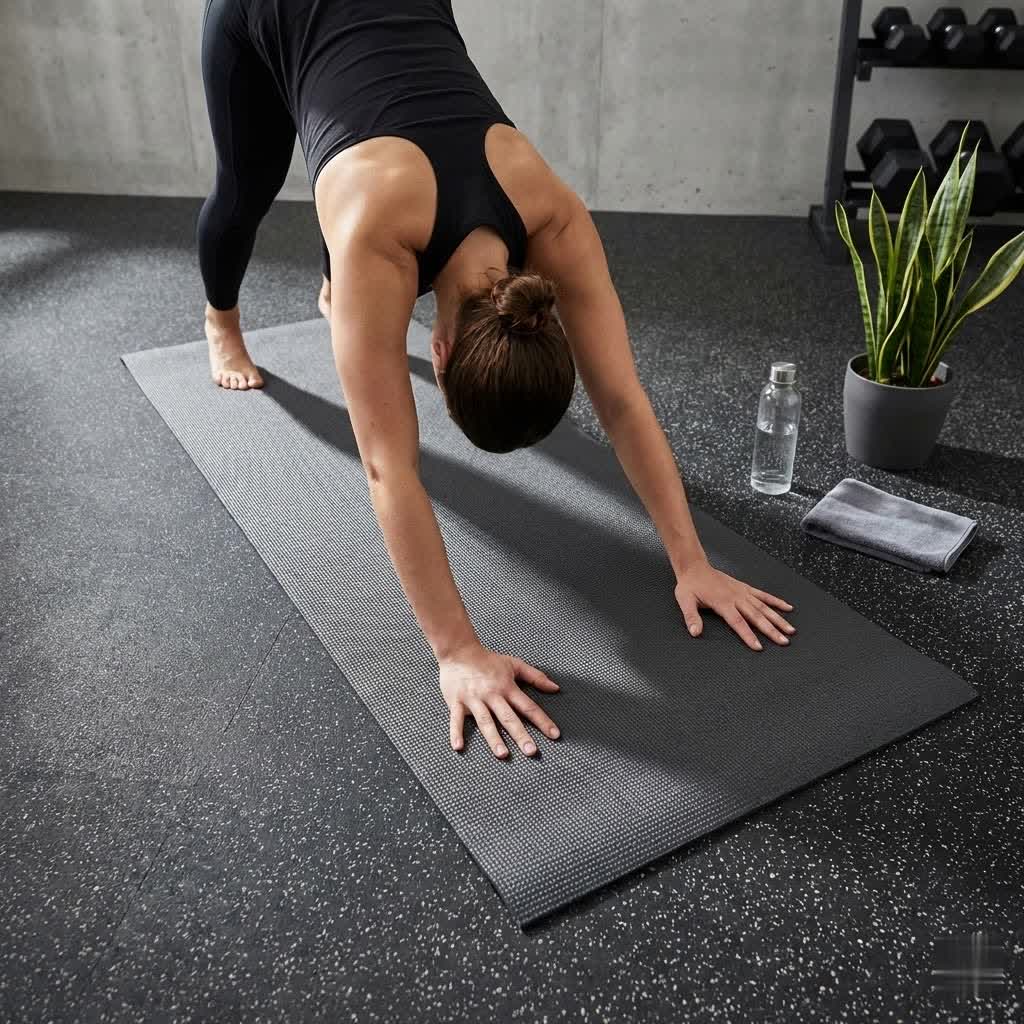
Stepping onto your yoga mat is more than just finding a space; it’s connecting with your practice, your body, and your inner self. But with an overwhelming array of options, how do you find “the one”? Choosing the right yoga mat can significantly enhance your comfort, stability, and overall experience, transforming your practice from a routine into a sanctuary. This comprehensive guide will navigate you through the world of yoga mats, ensuring you select a companion that truly resonates with your unique needs and preferences.
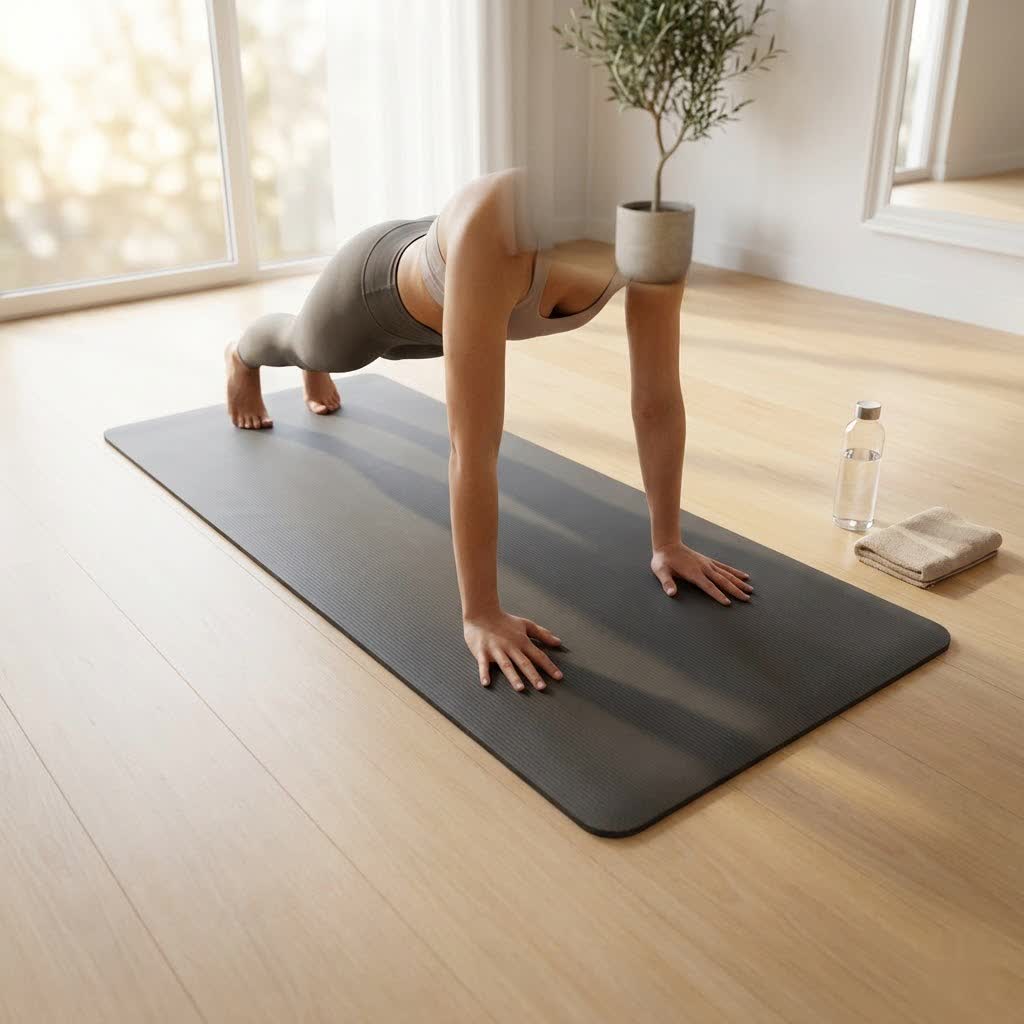
Navigating the Diverse World of Yoga Mat Materials
The material of your yoga mat is fundamental, influencing everything from its grip and cushioning to its durability and environmental impact. Understanding these differences is key to making an informed choice.
-
PVC (Polyvinyl Chloride) Mats:
- Pros: PVC mats are widely available, generally inexpensive, and known for their durability and stickiness, which provides good grip, especially for beginners. They are also easy to clean.
- Cons: They are not biodegradable and often contain phthalates, raising environmental and health concerns. Some practitioners find them less grounding due to their synthetic feel.
-
TPE (Thermoplastic Elastomer) Mats:
- Pros: TPE mats are often marketed as a more eco-friendly alternative to PVC. They are recyclable, biodegradable, and typically free of latex, PVC, and rubber, making them suitable for those with allergies. TPE offers a good balance of cushioning and grip.
- Cons: While more environmentally friendly than PVC, they may not be as durable as natural rubber or some high-end PVC mats and can be prone to stretching or scratching over time.
-
Natural Rubber Mats:
- Pros: Revered for their exceptional grip and natural, earthy feel, natural rubber mats are an excellent choice for dynamic and sweaty practices like Vinyasa or Hot Yoga. They are biodegradable and come from a renewable resource.
- Cons: Natural rubber mats can be heavier and may have a distinct rubbery smell, especially when new, which can be off-putting for some. They are generally more expensive and require specific cleaning care. They are not suitable for those with latex allergies.
-
Cork Mats:
- Pros: Cork mats boast natural antimicrobial properties, making them resistant to odor and bacteria. Their unique characteristic is that grip often improves when wet, making them ideal for hot yoga. They are sustainable, biodegradable, and offer a firm, grounding surface.
- Cons: Cork can feel less cushioned than other materials and may be prone to cracking if not cared for properly. They can also be pricier than synthetic options.
-
Jute (Natural Fiber) Mats:
- Pros: Made from woven plant fibers, jute mats are highly sustainable and biodegradable. They offer a rustic, textured surface that provides good grip and a connection to the natural world during your practice. They are also very durable.
- Cons: The textured surface can feel rough or abrasive to sensitive skin, particularly during seated or kneeling poses. They typically offer less cushioning than other mat types.
Detailed Comparison: Choosing Your Ideal Yoga Mat Material
|
Our Picks for the Best Yoga Mat in 2026
We may earn a commission when you use one of our links to make a purchase.
|
||
| Num | Product | Action |
|---|---|---|
| 1 | Amazon Basics Extra Thick Exercise Yoga Mat with Carrying Strap |

|
| 2 | Amazon Basics Extra Thick Exercise Yoga Mat with Carrying Strap |
|
| 3 | Retrospec Solana Yoga Mat 1" Thick w/Nylon Strap for Men & Women - Non Slip Exercise Mat for Home Yoga, Pilates, Stretching, Floor & Fitness Workouts |
|
| 4 | Retrospec Solana Yoga Mat 1" Thick w/Nylon Strap for Men & Women - Non Slip Exercise Mat for Home Yoga, Pilates, Stretching, Floor & Fitness Workouts |
|
| 5 | Retrospec Solana Yoga Mat 1" Thick w/Nylon Strap for Men & Women - Non Slip Exercise Mat for Home Yoga, Pilates, Stretching, Floor & Fitness Workouts |
|
| 6 | Retrospec Solana Yoga Mat 1" Thick w/Nylon Strap for Men & Women - Non Slip Exercise Mat for Home Yoga, Pilates, Stretching, Floor & Fitness Workouts |
|
| 7 | Amazon Basics 1/4 Inch Thick TPE Exercise Yoga Mat with Carrying Strap |
|
| 8 | Retrospec Solana Yoga Mat 1" Thick w/Nylon Strap for Men & Women - Non Slip Exercise Mat for Home Yoga, Pilates, Stretching, Floor & Fitness Workouts |
|
| 9 | Amazon Basics Extra Thick Exercise Yoga Mat with Carrying Strap |
|
| 10 | Retrospec Solana Yoga Mat 1" Thick w/Nylon Strap for Men & Women - Non Slip Exercise Mat for Home Yoga, Pilates, Stretching, Floor & Fitness Workouts |
|
| Feature | PVC | TPE | Natural Rubber | Cork | Jute |
|---|---|---|---|---|---|
| Grip (Dry) | Good, very sticky | Good | Excellent | Good | Good, textured |
| Grip (Wet/Sweat) | Can become slippery | Moderate | Excellent | Excellent, improves with moisture | Good, textured |
| Cushioning | Moderate to High | Moderate | Moderate to High | Low to Moderate, firm feel | Low to Moderate, firm feel |
| Durability | High | Moderate | High | Moderate (can crack if dry) | High |
| Eco-Friendliness | Low (non-biodegradable, phthalates) | High (recyclable, biodegradable) | High (renewable, biodegradable) | High (sustainable, antimicrobial) | High (sustainable, biodegradable) |
| Portability | Moderate (can be heavy) | High (lightweight) | Moderate (can be heavy) | Moderate (can be heavy) | Moderate |
| Price Range | Low | Mid | High | Mid to High | Mid |
| Allergy Concerns | Few | Few (latex-free) | Latex allergy risk | Few | Few |
| Scent | Often odorless | Mild, sometimes chemical | Distinct rubbery smell | Earthy, mild | Earthy, natural |
How to Select a Yoga Mat That Aligns with Your Practice
Beyond material, several factors will influence your mat choice, ensuring it perfectly complements your yoga journey.
Thickness: Finding Your Sweet Spot for Comfort and Stability
The thickness of your yoga mat directly impacts both comfort and stability. Your preference will depend on your practice style and physical needs.
- 3-5mm (1/8 inch): These mats offer a strong connection to the floor, ideal for balancing poses and advanced practices where stability is paramount. They are also lighter and more portable, perfect for yogis on the go or those attending classes outside their home. Thin mats work well for hot yoga or power yoga where you want to feel close to the ground.
- 6-8mm (1/4 inch): The most versatile option, these standard mats strike a good balance between cushioning and stability. They are highly recommended for beginners, providing sufficient padding to protect joints during various poses, including kneeling and forearm work.
- 10mm (1/2 inch) or More: Extra-thick mats offer maximum cushioning, making them excellent for restorative yoga, Pilates, or individuals with sensitive joints, knees, or wrists. However, the increased padding can sometimes reduce stability in standing poses.
Grip and Texture: Staying Grounded in Every Pose
A mat’s grip is crucial for preventing slips and ensuring safety, especially as your practice becomes more dynamic or sweaty.
- Look for mats with a textured surface, which naturally enhances traction.
- Consider materials like natural rubber or cork, which are renowned for their superior non-slip properties, even when damp.
- If you frequently practice hot yoga, a mat designed to perform well when wet or a yoga towel may be essential to maintain your grip.
Size: Ensuring Ample Space for Your Practice
While standard yoga mats are typically 68-72 inches (173-183 cm) long and 24 inches (61 cm) wide, choosing a mat that matches your height and preferred practice space is important. Taller individuals may benefit from longer mats (often 74 inches or more) to ensure full body coverage. Wider mats are also available for those who prefer more lateral space.
Budget: Investing in Your Wellness
Yoga mats are available across a wide price spectrum. While it’s tempting to opt for the cheapest option, investing in a higher-quality mat can often mean better durability, performance, and a more pleasant practice experience in the long run. Determine your budget but prioritize a mat that meets your essential needs for grip, cushioning, and material preference.
Expert Tips for Cleaning and Maintaining Your Yoga Mat
Proper care extends the life of your mat and maintains its hygienic properties.
- Wipe After Each Use: Use a damp cloth to wipe down your mat after every practice, removing sweat and dirt. For a deeper clean, consider a specialized yoga mat cleaner or a DIY solution of water and a few drops of mild soap or essential oils.
- Deep Clean Regularly: Depending on how often you practice, deep clean your mat weekly or bi-weekly. Allow it to air dry completely before rolling it up to prevent mold and mildew.
- Store Properly: Always roll your mat up loosely, rather than folding it, to prevent creases and damage. Store it in a cool, dry place away from direct sunlight, which can degrade certain materials like rubber over time.
Top 5 Highly-Rated Yoga Mats for Every Yogi
Based on extensive experience and market trends, here are some of the most favored yoga mats, offering excellent performance and durability for various needs:
- Manduka PRO Yoga Mat: Known for its legendary density, comfort, and lifetime guarantee. Excellent for all styles, though it requires a “break-in” period.
- Liforme Yoga Mat: Features unique, etched alignment markers and exceptional wet grip, making it a favorite for precise, dynamic, and hot yoga practices.
- Jade Harmony Yoga Mat: Made from natural rubber, this mat offers fantastic non-slip grip and cushioning. It’s also eco-friendly and plant-based.
- Gaiam Premium Yoga Mat: A popular choice for beginners, offering a good balance of cushioning, grip, and affordability, often made from PVC or TPE.
- Cork Yoga Mat (Various Brands): Ideal for sweaty practices, providing excellent grip when wet and natural antimicrobial properties. Offers a firm, stable surface.
“A yoga mat isn’t just an accessory; it’s an extension of your practice. Choosing one that feels right under your hands and feet makes all the difference in deepening your connection and commitment to yoga.” – Jane Doe, Certified Yoga Instructor and Mat Expert
Conclusion
Choosing the perfect yoga mat is a deeply personal decision, influenced by your practice style, body’s needs, and environmental considerations. By focusing on factors like material, thickness, grip, and size, you can find a mat that not only supports your physical alignment but also enhances your mental focus and overall well-being. Invest wisely, care for your mat diligently, and it will serve as a steadfast foundation for countless moments of tranquility and strength.
What aspect of your yoga mat do you value most in your practice, and how does it influence your choice?
Frequently Asked Questions
What is the best yoga mat for beginners?
Beginners often benefit most from a standard-thickness mat (around 6-8mm) made from TPE or PVC. This provides ample cushioning for sensitive joints while offering good grip and stability for learning new poses without feeling too disconnected from the floor.
How often should I replace my yoga mat?
The lifespan of a yoga mat varies greatly depending on its material, frequency of use, and care. High-quality mats made from natural rubber or dense PVC can last 5-10 years or more, while lighter, less expensive mats might need replacing every 1-2 years once they start losing grip, flaking, or showing significant wear.
Are eco-friendly yoga mats worth the extra cost?
Eco-friendly yoga mats, often made from natural rubber, cork, or TPE, are generally worth the investment. They are typically made from sustainable materials, free from harmful chemicals, and often offer superior performance in terms of grip and durability. Choosing them supports environmental responsibility while enhancing your practice.
Can I use a regular exercise mat for yoga?
While you can use a regular exercise mat for some yoga poses, it’s generally not recommended for a dedicated yoga practice. Exercise mats are often thicker and softer, designed more for impact absorption, which can compromise stability and balance needed for yoga. Yoga mats are specifically engineered for optimal grip and the right balance of cushioning and firmness.
How do I stop my yoga mat from slipping on the floor?
If your yoga mat is slipping, try placing it on a non-slip surface like a rug or using a yoga mat towel, especially for hot or sweaty practices. Ensure the mat is clean, as dust and oils can reduce grip. If it’s an older mat, its non-slip properties might have degraded, signaling it’s time for a replacement.