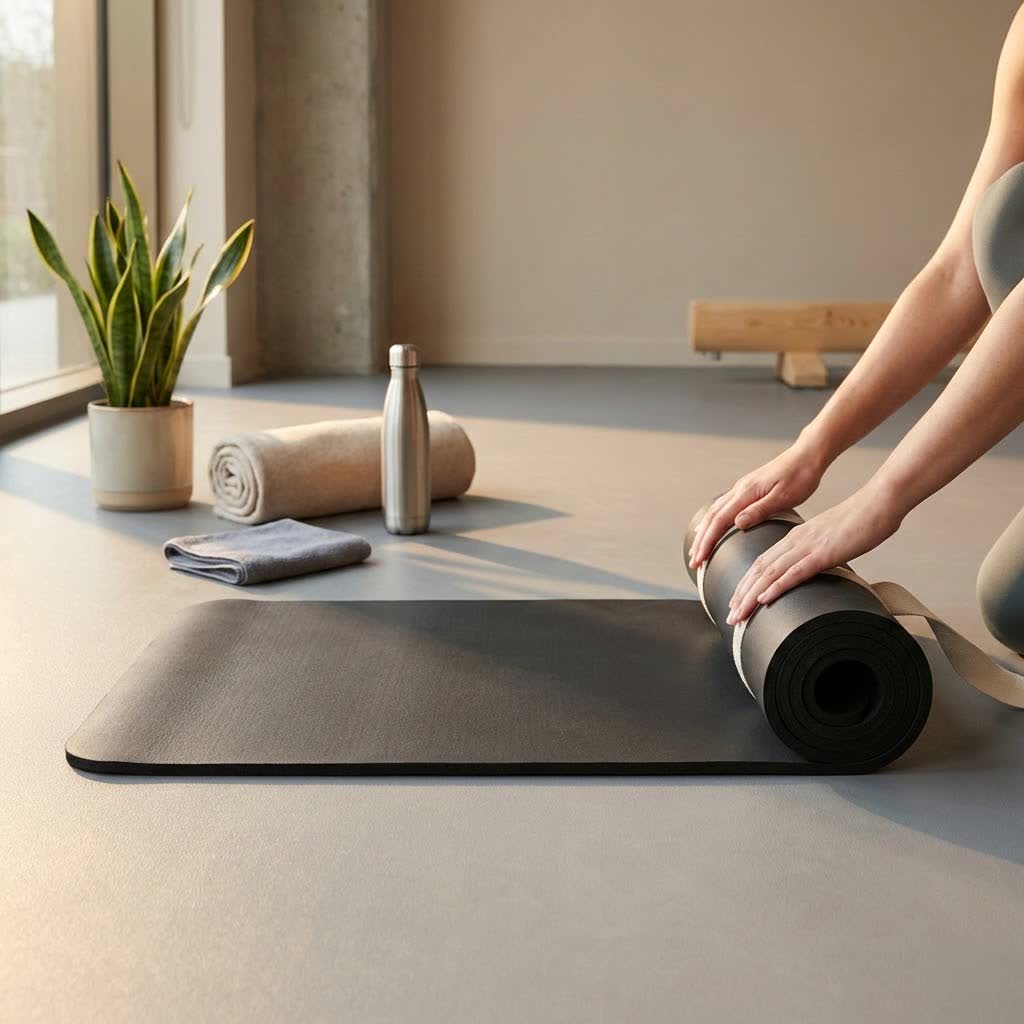
Finding the ideal yoga mat locally involves understanding material types, assessing thickness and grip in person, and exploring various retail options. The ability to physically interact with mats and receive expert advice in stores like specialty yoga studios or sporting goods retailers ensures a personalized choice that enhances your practice, with common thicknesses ranging from 3mm to 8mm depending on yoga style.
Why Opt for a Local Yoga Mat Purchase?
Choosing to buy your yoga mat from a local store offers distinct advantages that online shopping simply can’t replicate. The most significant benefit is the ability to engage your senses directly. You can see the colors and patterns up close, touch the various textures, feel the cushioning, and even test the grip before making a commitment. This hands-on experience is invaluable for assessing comfort and stability, helping you avoid the guesswork of online descriptions. Local shops often provide expert advice from staff or even yoga instructors who can offer personalized recommendations based on your practice style. You also get the immediate satisfaction of taking your new mat home without waiting for delivery, all while supporting businesses within your community.
Popular Types of Yoga Mats You’ll Find Nearby
Understanding the common materials used for yoga mats will help you navigate the selections in local stores. Each material offers a unique combination of characteristics:
- PVC (Polyvinyl Chloride): Often the most affordable and widely available, PVC mats are known for their distinctive “sticky” feel, which provides good grip. They are durable but less environmentally friendly.
- TPE (Thermoplastic Elastomer): A more eco-conscious alternative to PVC, TPE mats are lighter and recyclable. They offer a good balance of grip and cushioning, often with a softer feel.
- Natural Rubber: Highly prized for its exceptional grip and density, natural rubber mats are an excellent choice for dynamic practices. They are biodegradable and sustainable but can be heavier and may have a natural rubber scent.
- Cork: Naturally antimicrobial and sustainable, cork mats offer a firm, grippy surface that surprisingly increases traction when damp from sweat. They provide a unique earthy aesthetic.
- Jute: Made from plant fibers, jute mats are highly durable and environmentally friendly. Their textured surface provides natural grip, though some practitioners find the feel rougher than other materials.
Detailed Comparison Table: Choosing Your Local Yoga Mat
| Feature | PVC Mat | TPE Mat | Natural Rubber Mat | Cork Mat | Jute Mat |
|---|---|---|---|---|---|
| Grip | Good, “sticky” feel | Good, balanced | Excellent, especially when damp | Excellent, improves with sweat | Good, natural texture |
| Cushioning | Moderate | Moderate to High | Moderate to High | Moderate | Moderate |
| Durability | High | Moderate | High | High, resistant to wear | High |
| Price Range | Low – Moderate | Moderate | High | Moderate – High | Moderate |
| Eco-Friendliness | Low (non-biodegradable) | Moderate (recyclable, often photodegradable) | High (sustainable, biodegradable) | High (sustainable, antimicrobial) | High (sustainable, biodegradable) |
| Common Thickness | 3-6mm | 4-7mm | 4-5mm | 3-5mm | 4-5mm |
| In-Store Feel | Plasticky, tacky | Softer, resilient | Dense, rubbery, sometimes a strong scent | Firm, earthy, naturally textured | Coarse, textured |
How to Choose the Right Yoga Mat In-Store
|
Our Picks for the Best Yoga Mat in 2026
As an Amazon Associate I earn from qualifying purchases.
|
||
| Num | Product | Action |
|---|---|---|
| 1 | Amazon Basics 1/4 Inch Thick TPE Exercise Yoga Mat with Carrying Strap |

|
| 2 | Retrospec Solana Yoga Mat 1" Thick w/Nylon Strap for Men & Women - Non Slip Exercise Mat for Home Yoga, Pilates, Stretching, Floor & Fitness Workouts |
|
| 3 | Amazon Basics Extra Thick Exercise Yoga Mat with Carrying Strap |
|
| 4 | Retrospec Solana Yoga Mat 1" Thick w/Nylon Strap for Men & Women - Non Slip Exercise Mat for Home Yoga, Pilates, Stretching, Floor & Fitness Workouts |
|
| 5 | Amazon Basics Extra Thick Exercise Yoga Mat with Carrying Strap |
|
| 6 | Retrospec Solana Yoga Mat 1" Thick w/Nylon Strap for Men & Women - Non Slip Exercise Mat for Home Yoga, Pilates, Stretching, Floor & Fitness Workouts |
|
| 7 | Amazon Basics Extra Thick Exercise Yoga Mat with Carrying Strap |
|
| 8 | Retrospec Solana Yoga Mat 1" Thick w/Nylon Strap for Men & Women - Non Slip Exercise Mat for Home Yoga, Pilates, Stretching, Floor & Fitness Workouts |
|
| 9 | Retrospec Solana Yoga Mat 1" Thick w/Nylon Strap for Men & Women - Non Slip Exercise Mat for Home Yoga, Pilates, Stretching, Floor & Fitness Workouts |
|
| 10 | Retrospec Solana Yoga Mat 1" Thick w/Nylon Strap for Men & Women - Non Slip Exercise Mat for Home Yoga, Pilates, Stretching, Floor & Fitness Workouts |
|
When you’re at a local retailer, these practical tips will help you evaluate mats effectively:
- Assess Thickness: For dynamic yoga styles like Vinyasa, a thinner mat (3-5mm) offers greater stability and a stronger connection to the floor. If you prefer gentler practices like Yin or Restorative yoga, or if you have sensitive knees and joints, a thicker mat (6-8mm) provides enhanced cushioning and comfort. In-store tip: Kneel on the mat to test its impact absorption and stand in a balancing pose to gauge stability.
- Evaluate Grip: A non-slip surface is crucial to prevent injury and distraction. Natural rubber and cork mats are renowned for their superior grip, which often improves with a little sweat. Many synthetic mats also offer textured surfaces to enhance traction. In-store tip: If allowed, try a simple downward dog or press your palms firmly onto the mat to feel its stickiness.
- Consider Size: Standard yoga mats are typically around 68 inches long and 24 inches wide. Lie down on the mat to ensure it comfortably accommodates your entire body, from head to toe, in a reclined position. If you’re taller or prefer more space, look for longer or wider options that some brands offer.
- Examine Material: Feel the texture of the mat – do you prefer something smooth or with a pronounced texture? If you’re sensitive to smells, take a moment to notice if a natural rubber mat has a strong odor, which usually dissipates over time. Prioritize eco-friendly materials like natural rubber, cork, or TPE if sustainability is important to you.
- Determine Your Budget: Before you walk into a store, have a general idea of how much you’re willing to spend. Local retailers typically offer a range of mats at various price points, from entry-level to premium options. This helps narrow down your choices and ensures you find a quality mat within your financial comfort zone.
Where to Find Your Ideal Yoga Mat Locally
You have several excellent local options for purchasing a yoga mat, each offering a slightly different shopping experience:
- Specialty Yoga Studios: Many dedicated yoga studios also feature small boutiques selling premium yoga mats and accessories. This is often the best place to find high-quality brands like Manduka or Lululemon, and you can get personalized recommendations from experienced instructors who understand the nuances of different mat types.
- Sporting Goods Stores: Large sporting goods retailers like DICK’S Sporting Goods or REI typically carry a broad selection of yoga mats from well-known brands such as Gaiam and BalanceFrom. These stores are great for comparing various thicknesses and materials in person and often have sales associates who can help you.
- Department Stores & Large Retailers: Stores like Target offer convenient and budget-friendly options, making them a good starting point for beginners or those seeking a basic, reliable mat. While the selection might be less specialized, you can still find decent quality mats for a home practice.
- Health and Wellness Shops: With a growing focus on sustainable living, many health and wellness stores now stock eco-friendly yoga mats made from natural rubber, cork, or recycled materials. These shops are perfect if you prioritize environmentally conscious products and unique brands.
Tips for a Successful In-Person Yoga Mat Purchase
To ensure you leave the store with a mat you’ll love, keep these pointers in mind:
- “Try Before You Buy”: Don’t hesitate to unroll a mat and step on it, or even perform a quick downward dog if the store allows. Feeling the mat under your hands and feet is crucial.
- Ask the Experts: Engage with store staff. They can provide valuable insights into specific brands, materials, and features, helping you clarify your needs.
- Check Return Policies: Always confirm the store’s return or exchange policy, just in case the mat doesn’t feel right after your first few practices.
Caring for Your Yoga Mat: Keeping It Fresh
Once you’ve found your perfect mat, proper care is essential to extend its lifespan and maintain hygiene.
- Wipe Down After Each Practice: After every session, use a damp cloth to wipe away sweat and dirt. For a deeper clean, consider a specialized yoga mat cleaning spray, many of which use natural ingredients.
- Deep Clean Periodically: Depending on the frequency of your practice, give your mat a thorough cleaning every few weeks. A solution of mild soap and water can work wonders, but always check the manufacturer’s instructions for specific care guidelines.
- Proper Storage: Always roll your mat loosely, rather than folding it, to prevent creases. Store it in a cool, dry place away from direct sunlight, which can degrade certain materials over time.
Top Brands to Look for in Local Stores
When you’re browsing local shelves, keep an eye out for these highly regarded brands:
- Lululemon: Popular for their stylish and versatile mats, often featuring good grip and antimicrobial properties.
- Manduka: Renowned for exceptionally durable, high-performance mats favored by many yoga teachers.
- Gaiam: Widely available, offering a diverse range of mats suitable for various needs and budgets, from beginner to advanced.
- Yogi Bare: Known for their commitment to sustainability and excellent grippy surfaces, often made with eco-friendly materials.
- Jade Yoga: A favorite for environmentally conscious yogis, specializing in natural rubber mats that offer superb traction.
Conclusion
Finding the perfect yoga mat near you doesn’t have to be a daunting task. By understanding the different types of mats, knowing what to look for, and exploring your local retail options, you can make an informed decision that enhances your practice. The ability to physically interact with the mats and receive expert advice creates a personalized shopping experience that online platforms cannot match. Empower yourself to confidently visit your local sporting goods store, yoga studio, or wellness shop, and discover a mat that truly supports your journey.
What will your next local yoga mat discovery be?
Frequently Asked Questions
Frequently Asked Questions
How thick should my yoga mat be for local purchase?
For dynamic styles like Vinyasa, a 3-5mm mat offers stability, while for gentler practices or sensitive joints, 6-8mm provides more cushioning. When shopping locally, you can easily test different thicknesses by kneeling or trying a balancing pose to ensure comfort and support.
Which local stores sell eco-friendly yoga mats?
Health and wellness shops, along with many specialty yoga studios, are excellent places to find eco-friendly yoga mats made from natural rubber, cork, or recycled materials. These stores often prioritize sustainable brands like Jade Yoga and Yogi Bare and can offer specific guidance on their environmental benefits.
How can I test a yoga mat's grip in a store?
If permitted, unroll the mat and gently press your palms onto it, or even attempt a mini downward dog. Feel for resistance and a non-slip surface. Many textured mats and those made from natural rubber offer superior grip that you can discern by touch, which is crucial for preventing injury.
Are expensive yoga mats worth it when buying locally?
Often, yes. Higher-priced mats typically use premium materials like natural rubber, offering superior grip, durability, and eco-friendliness. Buying locally allows you to physically assess these qualities, ensuring the investment aligns with your practice needs and lasts longer, potentially saving money in the long run.
What accessories should I look for with my local yoga mat purchase?
While at the store, consider a carrying strap or bag for easy transport, a specialized cleaning spray for hygiene, and a yoga towel for extra grip, especially if you sweat heavily or practice hot yoga. These accessories can enhance your practice and extend your mat's lifespan.
How to Choose the Right Yoga Mat In-Store
Follow these practical tips to effectively evaluate yoga mats at a local retailer and find the perfect one for your practice.
For dynamic yoga, choose a thinner mat (3-5mm) for stability. For gentler practices or sensitive joints, opt for a thicker mat (6-8mm) for cushioning. Kneel on the mat and try a balancing pose to test its impact absorption and stability.
A non-slip surface is crucial for safety. Natural rubber and cork mats offer superior grip, which improves with sweat. If allowed, try a simple downward dog or press your palms firmly onto the mat to feel its stickiness and ensure traction.
Standard mats are 68 inches long and 24 inches wide. Lie down to ensure the mat comfortably accommodates your entire body. Taller individuals or those desiring more space should look for longer or wider options available from some brands.
Feel the mat's texture to see if you prefer smooth or textured. Note any strong odors, especially with natural rubber, which usually dissipates. Prioritize eco-friendly materials like natural rubber, cork, or TPE if sustainability is important to you.
Have a general idea of your spending limit before entering the store. Local retailers offer mats at various price points, from entry-level to premium. This helps narrow down choices and ensures you find a quality mat within your financial comfort zone.
Get our weekly buyer guide
Practical specs, not advice. Unsubscribe anytime.

Great tips! I always recommend going to a sporting goods retailer. I was able to compare a few different brands side-by-side and really get a feel for the material types. Ended up with a really durable mat that’s perfect for my daily practice. The staff were also super helpful with recommendations.
This is spot on! I used to just buy whatever was cheapest online, but after reading about the benefits of trying mats in person, I visited a few local shops. The difference in being able to physically interact with the mats and feel the cushioning was huge. My new mat has completely transformed my practice.
I totally agree with checking out specialty yoga studios! I found my perfect mat at a local studio after trying a few different ones. Being able to feel the 5mm thickness and test the grip in person made all the difference. It’s so much better than guessing online, especially for hot yoga where grip is everything.
While I appreciate the advice on local shopping, I found that some of the smaller local stores had a pretty limited selection of thicknesses. I was really hoping to find an 8mm mat for extra cushioning, but most only carried 3mm or 5mm. Ended up having to order online anyway, which was a bit of a bummer after all that searching.