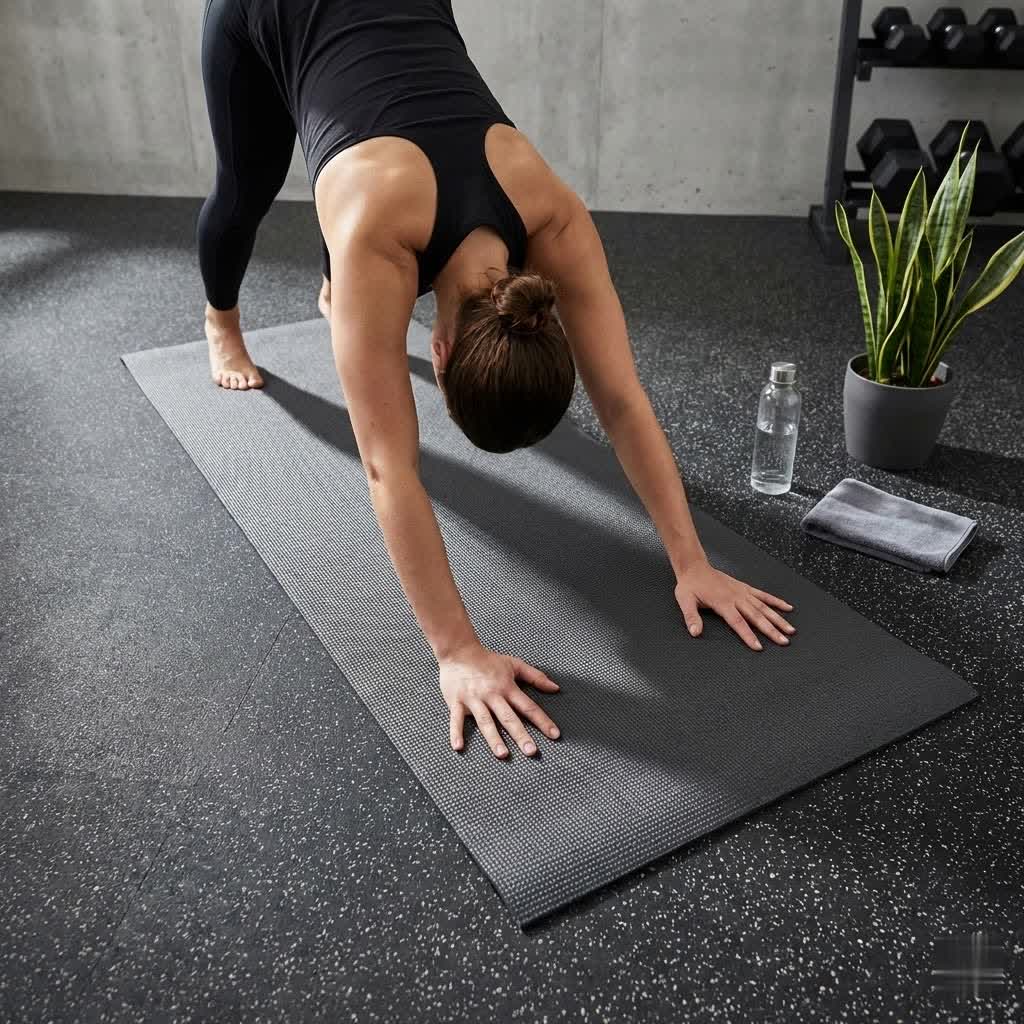
Stepping onto the mat is more than just a physical act; it’s an entry into a space of mindfulness, strength, and inner peace. Yet, the foundation of this sacred practice, your yoga mat, often gets overlooked. While various materials exist, the Foam Yoga Mat stands out as a popular choice for many practitioners, from absolute beginners to seasoned yogis who prioritize comfort and portability. But with a myriad of options, how do you navigate the landscape to find the mat that truly supports your journey? This comprehensive guide will unravel everything you need to know about foam yoga mats, helping you make an informed decision that aligns with your practice, values, and budget.
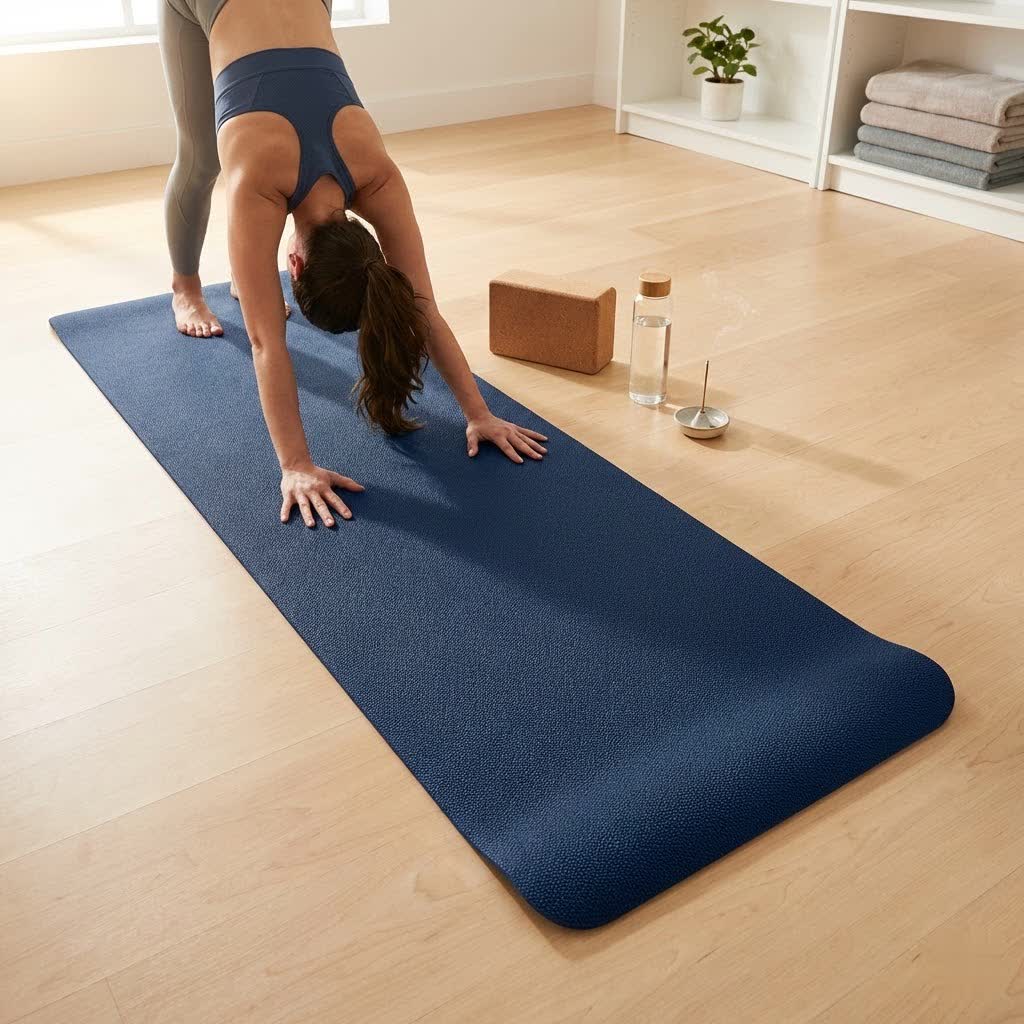
Understanding Foam Yoga Mats
Foam yoga mats are widely recognized for their accessibility and cushioning properties. They serve as a crucial interface between you and the floor, preventing slips, providing necessary padding for joints, and establishing a dedicated space for your practice. The right foam yoga mat can significantly enhance your comfort and stability, allowing you to focus on your breath and alignment rather than discomfort or potential slips. Whether you’re holding a challenging balance pose or easing into a restorative stretch, the support your mat offers is paramount to a safe and fulfilling yoga experience.
Common Types of Foam Yoga Mat Materials
When delving into foam yoga mats, it’s essential to understand the different materials commonly used, as each offers a unique set of characteristics impacting performance, durability, and environmental footprint.
PVC (Polyvinyl Chloride) Foam Mats
PVC mats have long been the industry standard due to their affordability and ubiquitous presence. They are known for providing good grip on various surfaces and offering decent durability for regular use.
- Pros: Generally inexpensive, widely available, and can offer a sticky surface that helps prevent slipping. Many users find them robust and long-lasting with proper care.
- Cons: PVC is a synthetic plastic that is not biodegradable, making it less eco-friendly. Some mats may emit a distinct “plastic” odor, especially when new, and they can become slippery when wet with sweat.
|
Our Picks for the Best Yoga Mat in 2026
We may earn a commission when you use one of our links to make a purchase.
|
||
| Num | Product | Action |
|---|---|---|
| 1 | Retrospec Solana Yoga Mat 1" Thick w/Nylon Strap for Men & Women - Non Slip Exercise Mat for Home Yoga, Pilates, Stretching, Floor & Fitness Workouts |

|
| 2 | Retrospec Solana Yoga Mat 1" Thick w/Nylon Strap for Men & Women - Non Slip Exercise Mat for Home Yoga, Pilates, Stretching, Floor & Fitness Workouts |
|
| 3 | Retrospec Solana Yoga Mat 1" Thick w/Nylon Strap for Men & Women - Non Slip Exercise Mat for Home Yoga, Pilates, Stretching, Floor & Fitness Workouts |
|
| 4 | Retrospec Solana Yoga Mat 1" Thick w/Nylon Strap for Men & Women - Non Slip Exercise Mat for Home Yoga, Pilates, Stretching, Floor & Fitness Workouts |
|
| 5 | Amazon Basics Extra Thick Exercise Yoga Mat with Carrying Strap |
|
| 6 | Retrospec Solana Yoga Mat 1" Thick w/Nylon Strap for Men & Women - Non Slip Exercise Mat for Home Yoga, Pilates, Stretching, Floor & Fitness Workouts |
|
| 7 | Amazon Basics Extra Thick Exercise Yoga Mat with Carrying Strap |
|
| 8 | Amazon Basics Extra Thick Exercise Yoga Mat with Carrying Strap |
|
| 9 | Amazon Basics 1/4 Inch Thick TPE Exercise Yoga Mat with Carrying Strap |
|
| 10 | Retrospec Solana Yoga Mat 1" Thick w/Nylon Strap for Men & Women - Non Slip Exercise Mat for Home Yoga, Pilates, Stretching, Floor & Fitness Workouts |
|
TPE (Thermoplastic Elastomer) Foam Mats
TPE mats represent a more environmentally conscious alternative to PVC, gaining popularity among those seeking greener options without compromising too much on performance.
- Pros: Considered more eco-friendly as they are often recyclable and free of latex and phthalates. They are lightweight, offering good cushioning and a soft feel.
- Cons: While better than PVC, TPE mats may still compress over time with heavy use and might not offer the same level of durability as some premium rubber mats. Their grip can vary and may not be ideal for very sweaty practices.
EVA (Ethylene-vinyl Acetate) Foam Mats
EVA foam mats are typically found in more budget-friendly options, often associated with beginners’ kits or children’s yoga sets.
- Pros: Very inexpensive, soft, and water-resistant. They are incredibly lightweight, making them easy to transport.
- Cons: They generally have poor longevity and can be quite slippery, particularly with dynamic or intense yoga styles. They are not recommended for practices that require strong grip and stability.
Detailed Comparison Table: Foam Yoga Mat Materials
To help you visualize the differences, here’s a detailed comparison of the primary foam yoga mat materials:
| Feature | PVC Foam Mat | TPE Foam Mat | EVA Foam Mat |
|---|---|---|---|
| Material | Polyvinyl Chloride | Thermoplastic Elastomer | Ethylene-vinyl Acetate |
| Thickness | Varies widely (standard 4-6mm) | Varies (common 4-6mm) | Often thicker (6-10mm) for added softness |
| Grip | Good initial stickiness, can be slippery wet | Good, but may vary and can slip when very wet | Generally poor, very slippery |
| Durability | Decent, can last with proper care | Moderate, prone to compression over time | Low, poor longevity, wears out quickly |
| Price | Most affordable | Mid-range | Very inexpensive |
| Eco-friendliness | Not eco-friendly, non-biodegradable | More eco-friendly, often recyclable | Not eco-friendly, non-biodegradable |
| Comfort | Moderate cushioning | Good cushioning, soft feel | High cushioning, very soft |
| Portability | Moderate (can be heavier than TPE) | Excellent (very lightweight) | Excellent (very lightweight) |
How to Choose the Perfect Foam Yoga Mat
Selecting the right foam yoga mat involves considering several personal factors that will impact your comfort, performance, and overall satisfaction.
Thickness for Your Practice
The thickness of your mat directly correlates with the cushioning and connection you feel to the ground.
- 3-5mm (Thin): Ideal for experienced yogis who prefer a strong connection to the floor for balance poses, or for those who travel frequently due to their lightweight nature. They offer good stability but less padding for joints.
- 6-8mm (Standard to Thick): An excellent choice for beginners or practitioners who need extra cushioning and joint protection, especially for knees and wrists. This thickness provides more comfort during floor poses and longer holds.
Grip and Texture
A mat’s grip is paramount to preventing slips and maintaining stability, particularly during dynamic sequences or when you start to sweat.
- Look for mats with a textured surface, which can enhance traction.
- If you tend to sweat a lot, consider TPE mats with specific anti-slip textures, or be prepared to use a yoga towel. PVC mats can be surprisingly grippy when dry but may lose traction when wet. EVA mats typically offer the least reliable grip.
Size Matters
Your mat should comfortably accommodate your entire body during various poses.
- Length: Ensure the mat is at least as long as your height, allowing you to lie flat without your head or feet touching the floor. Standard lengths are around 68 inches (172 cm) to 72 inches (183 cm).
- Width: Most mats are 24 inches (61 cm) wide. If you prefer more space, wider options are available.
Material Choice Based on Priorities
Your choice of foam material should align with your personal priorities.
- Budget-conscious: PVC or EVA mats offer entry-level prices.
- Eco-friendly focus: TPE is a better choice compared to PVC and EVA.
- Portability: TPE and EVA mats are exceptionally lightweight, perfect for commuting or travel.
Budget Considerations
Foam yoga mats are available across a wide price spectrum. Determine your budget beforehand, but remember that investing a little more often translates to better quality, durability, and a more enjoyable practice. There are excellent options at every price point, so don’t feel pressured to overspend.
Portability for On-the-Go Yogis
If you frequently attend studio classes, practice outdoors, or travel, the weight and ease of rolling your mat are crucial. Lightweight foam mats, particularly those made from TPE, are perfect companions for yogis who are always on the move.
Caring for Your Foam Yoga Mat
Proper care extends the life of your foam yoga mat and keeps it hygienic.
Clean After Every Session
Wipe down your mat with a damp cloth after each use to remove sweat, dirt, and oils. For a deeper clean, a gentle mixture of water and a few drops of mild soap, or a specialized yoga mat cleaner, can be used. Always let your mat air dry completely before rolling it up.
Store It Right
Roll your mat up tightly with the top surface facing outwards to prevent edges from curling. Store it in a cool, dry place away from direct sunlight, which can degrade foam materials over time and cause discoloration. Avoid creasing or folding your mat, as this can lead to permanent damage and uneven surfaces.
Top Foam Yoga Mats on the Market
While specific brands and models constantly evolve, the best foam yoga mats generally fall into categories catering to different needs. Look for options praised for:
- Beginner-Friendly Comfort: Mats offering extra thickness (6-8mm) and a soft, supportive feel, often made from TPE or thicker PVC for cushioning.
- Travel and Portability: Ultra-lightweight TPE mats that are easy to roll and carry, designed for yogis who practice anywhere.
- Eco-Conscious Foam: TPE mats that highlight their recyclable properties and absence of harmful chemicals, appealing to environmentally aware practitioners.
Look for features like textured surfaces for enhanced grip, closed-cell construction (especially in TPE) for hygiene, and certifications for material safety.
Conclusion
Choosing the right foam yoga mat is a deeply personal decision that can profoundly impact your yoga practice. By understanding the different foam materials—PVC, TPE, and EVA—and considering factors such as thickness, grip, size, budget, and portability, you can confidently select a mat that not only supports your physical alignment but also resonates with your personal values. A well-chosen foam yoga mat offers a comfortable, stable, and hygienic foundation, allowing you to deepen your practice and fully embrace the journey of yoga. Take your time, assess your needs, and unroll a mat that feels like an extension of your intention.
Frequently Asked Questions
Are foam yoga mats suitable for hot yoga?
Foam yoga mats, especially those made from PVC or standard TPE, are generally not ideal for hot yoga. They tend to become very slippery when wet with sweat, which can compromise stability and safety. For hot yoga, a mat specifically designed for high sweat environments, often made from natural rubber with a polyurethane top layer or used with a highly absorbent yoga towel, is recommended for superior grip.
How often should I replace my foam yoga mat?
The lifespan of a foam yoga mat varies greatly depending on its material, quality, and frequency of use. A well-cared-for PVC mat might last several years, while TPE mats might show signs of compression or wear after 1-2 years of regular practice. EVA mats, being less durable, may need replacing more frequently. Look for signs like permanent indentations, loss of cushioning, peeling, or a significant decrease in grip.
What’s the main difference between PVC and TPE foam mats?
The primary difference lies in their material composition and environmental impact. PVC mats are durable and often more affordable but are not eco-friendly. TPE mats are generally considered more environmentally friendly, often recyclable, lightweight, and free of latex and phthalates. While TPE offers good cushioning, it may be less durable and offer varied grip compared to PVC, depending on the mat’s quality.
Can I use a foam yoga mat outdoors?
Yes, many foam yoga mats, particularly those made from TPE or certain types of PVC, can be used outdoors. Their lightweight and water-resistant properties make them convenient for practicing in parks or gardens. However, prolonged exposure to direct sunlight can degrade the material over time, and rough surfaces might cause premature wear and tear. Always check the manufacturer’s recommendations for outdoor use.