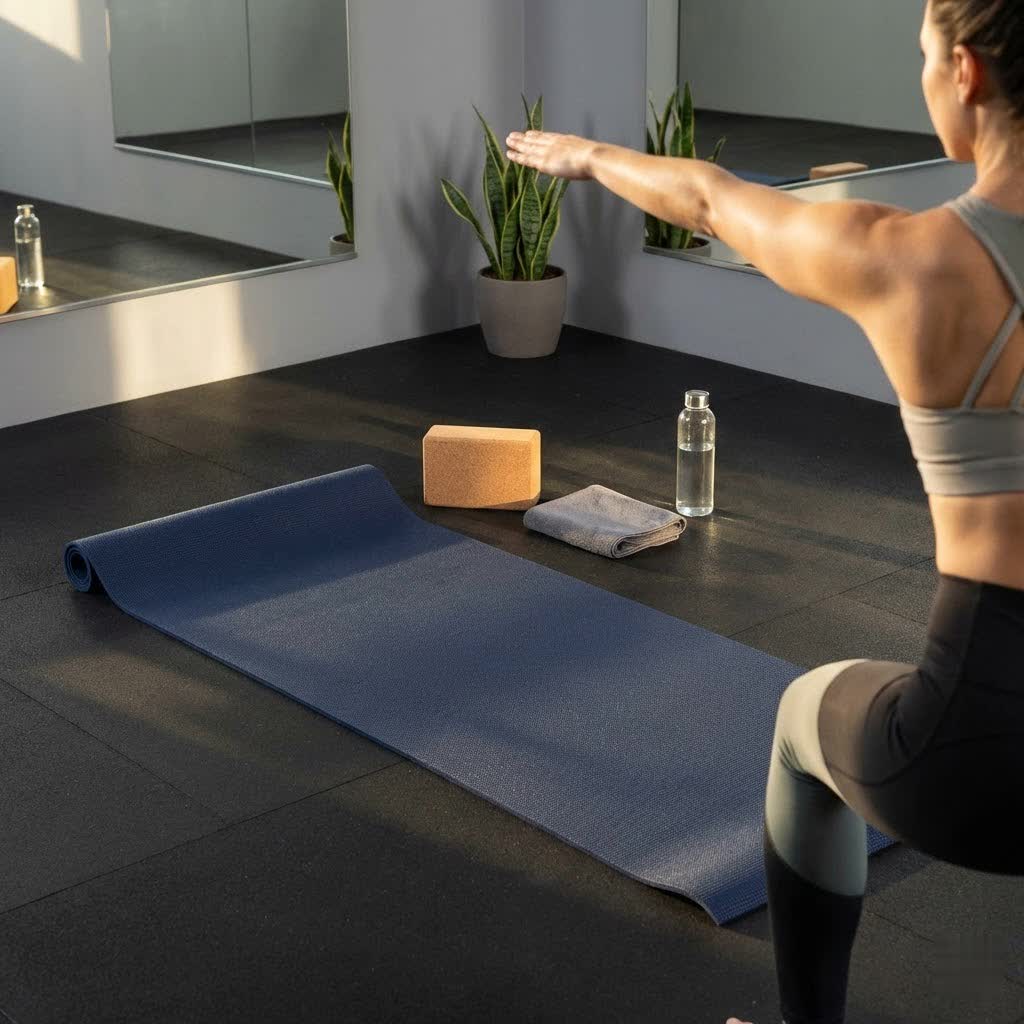
Are you constantly adjusting your pose, feeling discomfort in your joints, or struggling with a mat that’s either too thin or too bulky? Finding the right yoga mat can significantly improve your practice, making every session more comfortable, stable, and enjoyable. While countless options exist, the 5mm yoga mat frequently emerges as the sweet spot, offering an unparalleled balance that caters to a wide range of yogis, from enthusiastic beginners to seasoned practitioners.
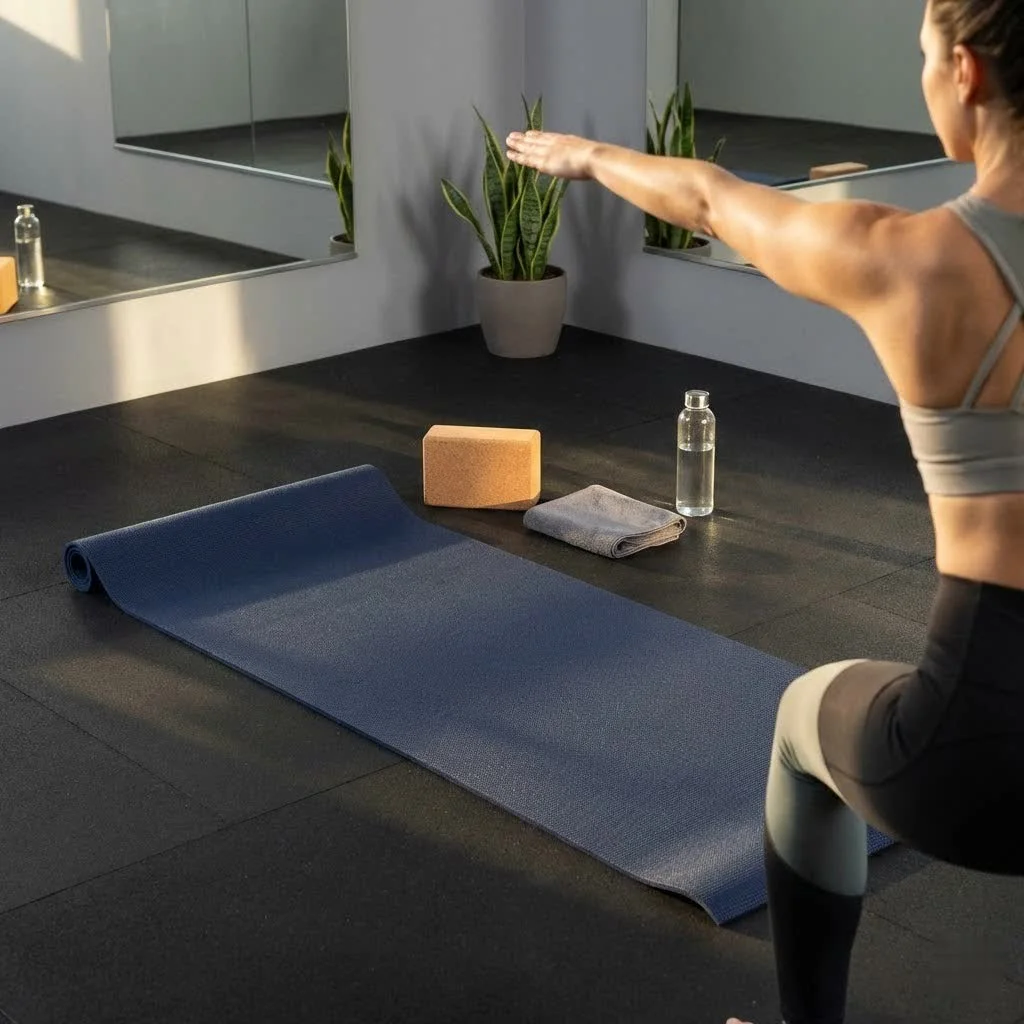
Understanding Yoga Mat Thickness: Why 5mm Stands Out
The thickness of your yoga mat plays a crucial role in your overall experience, impacting everything from joint protection to stability and portability. Mats typically range from a super-thin 1mm for travel to an ultra-plush 10mm for restorative practices. Choosing the right thickness is about finding harmony between cushioning and a solid connection to the ground. A 5mm yoga mat is considered a versatile middle ground, expertly balancing these critical elements. For complete yoga mat library on this site.
Benefits of a 5mm Yoga Mat
A 5mm mat offers a multitude of advantages that make it a favorite among the yoga community:
- Optimal Joint Protection and Comfort: One of the most significant benefits of a 5mm mat is the superior cushioning it provides for sensitive areas like your knees, wrists, and hips. This extra padding is invaluable, especially when practicing on hard surfaces, allowing you to hold poses longer and more comfortably without irritation.
- Enhanced Stability and Ground Connection: Unlike thicker mats that can feel overly soft and compromise balance, a 5mm mat offers enough firmness to keep you grounded. It ensures you maintain a strong connection to the floor, crucial for stability in standing poses, inversions, and dynamic transitions. You get the comfort you need without sacrificing the essential “feel” of your practice.
- Exceptional Versatility for All Yoga Styles: Whether you’re flowing through Vinyasa, holding poses in Hatha, enjoying the deep stretches of Yin, finding solace in Restorative yoga, or even engaging in Pilates, a 5mm mat is highly adaptable. Its moderate thickness supports a diverse array of practices, making it an excellent all-rounder.
- Durability and Longevity: Generally, thicker mats are more robust and less prone to wear and tear over time. A 5mm yoga mat is built to withstand frequent use, making it a durable investment that will support your practice for years to come.
- Portability for On-the-Go Yogis: While offering ample cushioning, 5mm mats are typically lighter and easier to roll up and carry than their thicker counterparts. This makes them convenient for transporting to and from the studio, gym, or even for travel, especially when paired with a mat carrying strap.
5mm Yoga Mat Materials: What to Look For
|
Our Picks for the Best Yoga Mat in 2026
As an Amazon Associate I earn from qualifying purchases.
|
||
| Num | Product | Action |
|---|---|---|
| 1 | Retrospec Solana Yoga Mat 1" Thick w/Nylon Strap for Men & Women - Non Slip Exercise Mat for Home Yoga, Pilates, Stretching, Floor & Fitness Workouts |

|
| 2 | Amazon Basics Extra Thick Exercise Yoga Mat with Carrying Strap |
|
| 3 | Retrospec Solana Yoga Mat 1" Thick w/Nylon Strap for Men & Women - Non Slip Exercise Mat for Home Yoga, Pilates, Stretching, Floor & Fitness Workouts |
|
| 4 | Retrospec Solana Yoga Mat 1" Thick w/Nylon Strap for Men & Women - Non Slip Exercise Mat for Home Yoga, Pilates, Stretching, Floor & Fitness Workouts |
|
| 5 | Amazon Basics 1/4 Inch Thick TPE Exercise Yoga Mat with Carrying Strap |
|
| 6 | Retrospec Solana Yoga Mat 1" Thick w/Nylon Strap for Men & Women - Non Slip Exercise Mat for Home Yoga, Pilates, Stretching, Floor & Fitness Workouts |
|
| 7 | Amazon Basics Extra Thick Exercise Yoga Mat with Carrying Strap |
|
| 8 | Retrospec Solana Yoga Mat 1" Thick w/Nylon Strap for Men & Women - Non Slip Exercise Mat for Home Yoga, Pilates, Stretching, Floor & Fitness Workouts |
|
| 9 | Amazon Basics Extra Thick Exercise Yoga Mat with Carrying Strap |
|
| 10 | Retrospec Solana Yoga Mat 1" Thick w/Nylon Strap for Men & Women - Non Slip Exercise Mat for Home Yoga, Pilates, Stretching, Floor & Fitness Workouts |
|
The material of your 5mm yoga mat significantly influences its grip, durability, eco-friendliness, and overall feel.
- PVC (Polyvinyl Chloride): Historically common, PVC mats are affordable and widely available. However, they are less environmentally friendly and can sometimes lack the grip of other materials.
- TPE (Thermoplastic Elastomer): Often recommended as a PVC-free alternative, TPE mats are known for being eco-friendly, soft, skin-friendly, and easy to clean. They provide good grip and a pleasant texture for your practice.
- Natural Rubber: For yogis prioritizing superior grip and environmental sustainability, natural rubber is an excellent choice. It offers exceptional traction, even when sweaty, and is biodegradable. However, those with latex allergies should opt for alternative materials.
- Cork: Cork mats boast natural antimicrobial properties, making them resistant to odors. They offer excellent grip that actually improves when wet, making them suitable for hot yoga. Cork mats require careful maintenance.
- Jute: Made from natural plant fibers, jute mats are environmentally friendly and known for their high durability. They provide a unique, somewhat rougher texture that offers a natural, earthy feel and good grip.
| Material | Pros | Cons | Best For |
|---|---|---|---|
| PVC | Affordable, easy to find | Less eco-friendly, can lack grip | Budget-conscious beginners |
| TPE | Eco-friendly, good grip, soft feel, easy to clean | May not be as durable as rubber, can scratch easily | Most practitioners seeking balance and sustainability |
| Natural Rubber | Excellent grip (even when wet), highly durable, eco-friendly | Heavier, natural rubber smell, not for latex allergies | Sweaty practices, advanced yogis, eco-conscious |
| Cork | Natural antimicrobial, grip improves with sweat, sustainable | Can be less cushioned, requires careful storage | Hot yoga, those seeking natural materials |
| Jute | Eco-friendly, durable, good texture, unique feel | Can feel rough initially, less cushioning | Yogis prioritizing natural materials and durability |
Choosing Your Ideal 5mm Yoga Mat: Key Considerations
Selecting the perfect 5mm yoga mat goes beyond just thickness. Consider these factors to ensure it aligns with your personal practice:
- Your Yoga Style: A 5mm mat is highly versatile. For dynamic practices like Vinyasa, it provides sufficient cushioning for transitions while maintaining stability. For slower styles like Yin or Restorative, it offers comfort without feeling too squishy, allowing you to connect with the floor.
- Joint Sensitivity: If you experience knee, wrist, or hip sensitivity, the 5mm thickness offers a protective layer. For extreme sensitivity, you might consider adding a small knee pad for specific poses rather than opting for a much thicker mat that could compromise stability.
- Practice Environment: A 5mm mat performs well on various surfaces, including hardwood and tile floors. If you practice on soft carpets, a 5mm mat will still offer a stable base without the “trampoline” effect that thicker mats can create.
- Grip and Texture: Crucial for preventing slips, especially during heated classes or if you tend to sweat. Look for mats with a reliable textured surface. Natural rubber and some TPE mats excel in this area.
- Size and Weight: While 5mm mats are generally portable, consider the overall dimensions. Standard mats are usually 68″ x 24″, but longer or wider options are available for taller individuals or those who prefer more space. Weight can vary by material; if portability is paramount, compare different options.
- Budget: 5mm yoga mats are available across various price points. Determine your budget beforehand, knowing that investing in a quality mat can lead to greater longevity and a more fulfilling practice.
Caring for Your 5mm Yoga Mat
Proper care extends the life of your mat and keeps it hygienic:
- Wipe Down After Each Practice: Use a damp cloth to gently wipe away sweat and dirt. This simple step prevents odor and grime buildup.
- Deeper Cleaning: Periodically, use a mild soap and water solution or a specialized yoga mat cleaner. Spray the mat, wipe it down, and rinse with a clean, damp cloth.
- Proper Drying: Always allow your mat to air dry completely before rolling it up. Hanging it over a shower rod or laying it flat in a shaded area works well. Avoid direct sunlight, which can damage some materials.
- Storage Tips: Roll your mat tightly, ideally with the top surface facing outwards, to prevent curling edges. Store it in a cool, dry place away from direct heat or harsh chemicals.
Top 5mm Yoga Mats Recommended
While personal preference always plays a role, certain 5mm yoga mats consistently receive high marks for their quality and performance:
- Lululemon The Mat 5mm: This mat is a popular choice for its excellent grip, even in sweaty conditions, and its balanced cushioning that supports joints without sacrificing stability. It’s often praised for its durability and versatility across different yoga styles, featuring a reversible design. Made with natural rubber, it offers a sturdy foundation and comfort.
- Eco-Friendly TPE Options: Many brands offer 5mm mats made from TPE, which provides a comfortable, non-slip surface and is an excellent choice for those looking for a lightweight, PVC-free, and generally more affordable option. These mats often come in vibrant colors and are easy to clean.
- Natural Rubber Blends: Beyond Lululemon, several brands offer 5mm mats crafted from natural rubber or rubber blends. These are valued for their exceptional grip and dense cushioning, providing a very stable and supportive practice surface, particularly beneficial for those with a more dynamic or sweaty practice.
Choosing a 5mm yoga mat means opting for a versatile, comfortable, and supportive foundation that can significantly enhance your yoga journey. It strikes an optimal balance, providing the cushioning your joints need while maintaining the crucial connection to the earth for stability.
Conclusion
The quest for the perfect yoga mat can feel daunting, but a 5mm yoga mat often proves to be the ideal companion for most practitioners. Its remarkable ability to blend cushioned comfort with essential stability makes it suitable for a wide variety of yoga styles and fitness levels. By considering the material, your specific practice needs, and committing to proper care, you can select a 5mm mat that supports you for years, making every breath and movement on your mat a truly grounding experience. Ready to improve your practice? Which feature of a 5mm yoga mat are you most excited to experience?
Frequently Asked Questions
Is a 5mm mat too thick for balance poses?
No, a 5mm yoga mat is generally considered ideal for balance poses. It provides sufficient cushioning for comfort while remaining firm enough to offer a stable connection to the ground, allowing you to maintain proprioception and stability without feeling wobbly.
Can a 5mm yoga mat be used for hot yoga?
Yes, many 5mm yoga mats are suitable for hot yoga. Mats made from natural rubber or cork are particularly effective as their grip can improve with moisture. For other materials, ensure they have a good non-slip texture and consider using a yoga towel for added absorption and grip in heated environments.
How long does a 5mm yoga mat typically last?
The lifespan of a 5mm yoga mat varies depending on its material, frequency of use, and care. High-quality natural rubber or TPE mats, when properly maintained, can last anywhere from 1 to 5 years, or even longer for some premium brands. Regular cleaning and proper storage are key to extending its life.
What’s the best material for a 5mm yoga mat?
There isn’t a single “best” material, as it depends on individual preferences and needs. Natural rubber offers excellent grip and durability for sweaty practices, while TPE is a good eco-friendly, lightweight, and often more affordable option. Consider factors like grip, environmental impact, and potential allergies when choosing.
Get our weekly buyer guide
Practical specs, not advice. Unsubscribe anytime.
