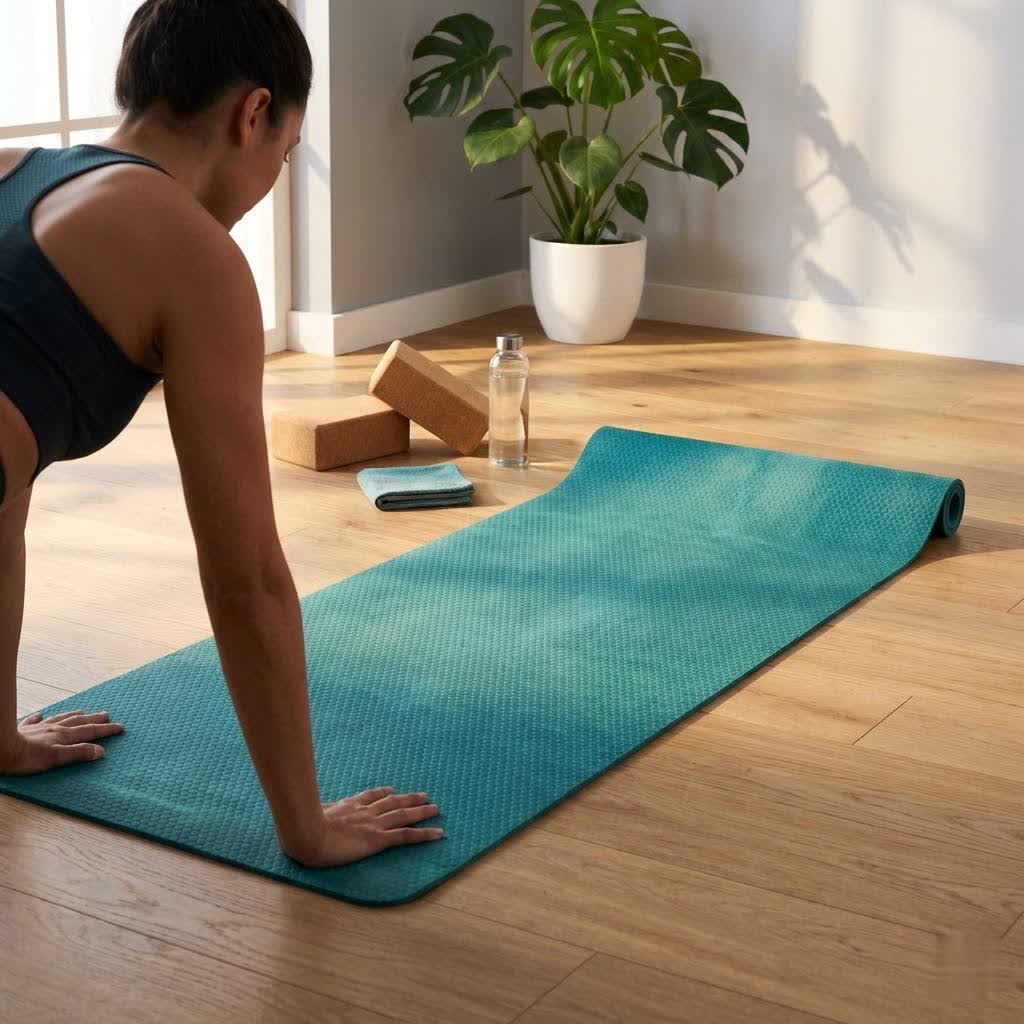
Imagine flowing through your favorite yoga sequence, deeply connected to your breath and movement, when suddenly, your hands and feet begin to slide. That unsettling moment of instability can instantly pull you out of your zen, creating frustration and even risking injury. For many yogis, finding a mat that provides unwavering grip is not just a preference, but a necessity for a safe, confident, and truly transformative practice.
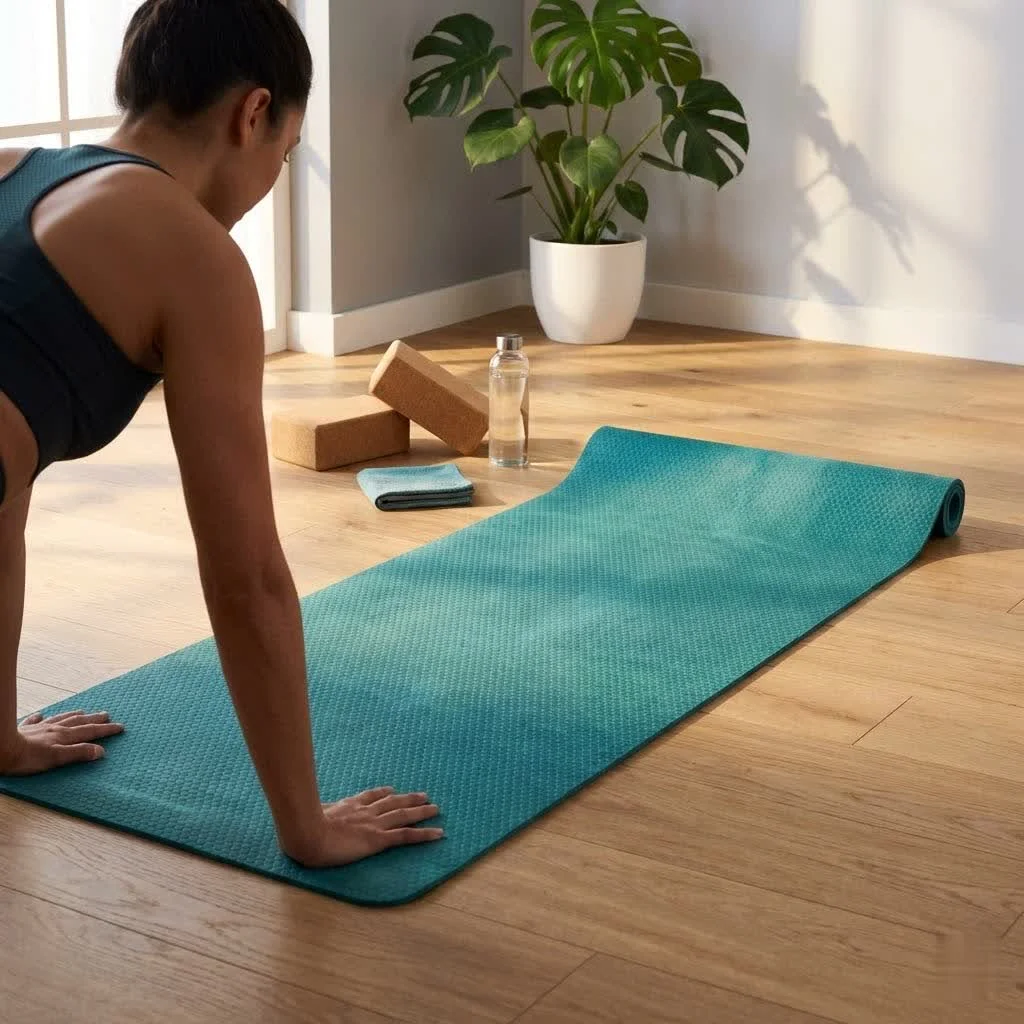
Choosing the right non-slip yoga mat can improve your time on the mat, offering the stability you need to deepen poses, improve balance, and fully immerse yourself in every stretch and transition. This comprehensive guide will explore the essential factors to consider, from innovative materials and optimal thickness to sustainable options and proper care, ensuring you find your perfect mat companion. For shop curated yoga mat on this site.
Understanding the Importance of a Non-Slip Yoga Mat
A reliable non-slip yoga mat serves as the bedrock of your practice, literally and figuratively. It provides a stable surface that prevents hands and feet from sliding, especially during dynamic flows or in humid conditions. This crucial grip is paramount for maintaining proper alignment, which in turn reduces the risk of strain and injury to joints like wrists, knees, and hips.
Beyond physical safety, a mat with superior traction fosters mental focus and confidence. When you’re not worried about slipping, your mind is free to concentrate on your breath, posture, and the mind-body connection that defines yoga. This enhanced stability empowers you to explore more challenging poses and delve deeper into your practice, transforming hesitant movements into fluid, confident expressions.
Popular Types of Non-Slip Yoga Mat Materials
The material of your yoga mat is the primary determinant of its grip, durability, and environmental impact. Each offers a unique feel and performance, catering to different preferences and practice styles.
PVC Mats
Often the most traditional and widely available, PVC (polyvinyl chloride) mats are known for their initial “stickiness” when dry.
- Pros: Generally inexpensive and highly durable, PVC mats can withstand years of use. They are easy to clean and widely accessible.
- Cons: PVC is not environmentally friendly and can contain phthalates, which are chemicals some prefer to avoid. Crucially for non-slip performance, many PVC mats become notably slippery when wet with sweat, often requiring a towel for intense or hot yoga sessions.
TPE Mats
TPE (thermoplastic elastomer) mats emerged as a more eco-conscious alternative to PVC.
- Pros: TPE mats are typically recyclable and free from latex and PVC, making them a better choice for those with sensitivities or environmental concerns. They offer a good balance of grip and cushioning, often feeling softer than natural rubber.
- Cons: While better than PVC, TPE mats may not offer the extreme grip required for very sweaty practices, and they tend to be less durable than natural rubber or high-quality PVC mats, being more prone to scratching or tearing.
Natural Rubber Mats
|
Our Picks for the Best Yoga Mat in 2026
As an Amazon Associate I earn from qualifying purchases.
|
||
| Num | Product | Action |
|---|---|---|
| 1 | Amazon Basics Extra Thick Exercise Yoga Mat with Carrying Strap |

|
| 2 | Amazon Basics Extra Thick Exercise Yoga Mat with Carrying Strap |
|
| 3 | Amazon Basics Extra Thick Exercise Yoga Mat with Carrying Strap |
|
| 4 | Retrospec Solana Yoga Mat 1" Thick w/Nylon Strap for Men & Women - Non Slip Exercise Mat for Home Yoga, Pilates, Stretching, Floor & Fitness Workouts |
|
| 5 | Retrospec Solana Yoga Mat 1" Thick w/Nylon Strap for Men & Women - Non Slip Exercise Mat for Home Yoga, Pilates, Stretching, Floor & Fitness Workouts |
|
| 6 | Retrospec Solana Yoga Mat 1" Thick w/Nylon Strap for Men & Women - Non Slip Exercise Mat for Home Yoga, Pilates, Stretching, Floor & Fitness Workouts |
|
| 7 | Retrospec Solana Yoga Mat 1" Thick w/Nylon Strap for Men & Women - Non Slip Exercise Mat for Home Yoga, Pilates, Stretching, Floor & Fitness Workouts |
|
| 8 | Retrospec Solana Yoga Mat 1" Thick w/Nylon Strap for Men & Women - Non Slip Exercise Mat for Home Yoga, Pilates, Stretching, Floor & Fitness Workouts |
|
| 9 | Retrospec Solana Yoga Mat 1" Thick w/Nylon Strap for Men & Women - Non Slip Exercise Mat for Home Yoga, Pilates, Stretching, Floor & Fitness Workouts |
|
| 10 | Amazon Basics 1/4 Inch Thick TPE Exercise Yoga Mat with Carrying Strap |
|
Favored by many yoga professionals, natural rubber mats are celebrated for their exceptional grip.
- Pros: Natural rubber provides superior traction, especially when wet, making it ideal for hot yoga or individuals who sweat heavily. These mats are biodegradable, renewable, and free from harsh chemicals. Many, like Jade Yoga mats, offer “compression set resistance,” providing both cushion and a firm foundation.
- Cons: Natural rubber mats can have a distinct, strong rubber smell when new, which typically fades over time. They are often heavier and more expensive than PVC or TPE options. Some individuals may also be allergic to latex, a component of natural rubber.
Cork Mats
Cork yoga mats are a unique and increasingly popular option, known for their natural properties.
- Pros: Cork is naturally antimicrobial and moisture-wicking, making it exceptionally grippy when wet. This material is eco-friendly, sustainable, and biodegradable, often sourced from cork oak trees without harming them. Brands like Yoloha praise cork for its self-cleaning surface, which helps prevent odors and bacteria buildup. They also offer a firm, grounding feel.
- Cons: Cork mats can sometimes feel less grippy when completely dry and may require a light spray of water to activate their non-slip properties, particularly for indoor practice. They can also be higher in price and might feel rougher to the touch than other materials.
Jute Mats
Jute mats offer an organic, rustic feel and robust performance.
- Pros: Made from plant fibers, jute mats are highly durable and eco-friendly. Their natural, coarse texture provides excellent inherent grip, making them a good choice for those who appreciate a less “sticky” but very stable surface.
- Cons: The rough texture of jute might not be comfortable for everyone, especially during seated poses or for those with sensitive skin. They typically offer less cushioning than rubber or TPE mats.
PU (Polyurethane) Top Layer
Many high-performance non-slip mats feature a polyurethane top layer, often bonded to a natural rubber base.
- Pros: PU surfaces are engineered to be extremely grippy, absorbing moisture and maintaining traction even in the sweatiest conditions. They provide a smooth yet incredibly secure feel.
- Cons: These mats can sometimes be more prone to showing sweat marks or stains, and they often require specific cleaning instructions to maintain their integrity. They also tend to be on the higher end of the price spectrum.
Detailed Comparison Table: Choosing Your Ideal Yoga Mat Material
To help you navigate the options, here’s a comparison of common yoga mat materials based on key performance indicators:
| Material | Key Features for Grip | Durability | Eco-Friendliness | Typical Thickness | Price Range | Best For |
|---|---|---|---|---|---|---|
| PVC | Sticky when dry, slippery when wet | High | Low | 3-6mm | $ | Beginners, gentle yoga (with towel for sweat), budget-conscious |
| TPE | Good grip, often textured | Moderate | Medium (recyclable) | 4-8mm | $$ | General practice, moderate sweating, eco-conscious beginners |
| Natural Rubber | Excellent grip (especially when wet), dense, flexible | High | High (biodegradable) | 3-6mm | $$$ | Hot yoga, sweaty practices, experienced yogis, eco-conscious |
| Cork | Grippier when wet, antimicrobial, firm | High | High (sustainable) | 3-5mm | $$$ | Hot yoga, restorative yoga, eco-conscious, unique feel |
| Jute | Natural texture provides grip, breathable | High | High (sustainable) | 4-6mm | $$ | Eco-conscious, those preferring natural, tactile grip |
| PU Top Layer | Extremely high grip, moisture-absorbing, smooth feel | High | Medium (often with rubber base) | 3-5mm | $$$$ | Hot yoga, very sweaty practices, advanced yogis |
How to Choose Your Perfect Non-Slip Yoga Mat
Selecting the ideal non-slip mat is a personal journey that depends on your individual practice, body, and priorities. Consider these factors to make an informed decision:
Thickness
The thickness of your yoga mat plays a significant role in comfort and stability.
- 3-5mm: These thinner mats offer excellent stability and a stronger connection to the floor, which is beneficial for balancing poses and dynamic, flowing styles like Vinyasa. They are also more lightweight and portable, ideal for yogis on the go.
- 6-8mm: Thicker mats provide more cushioning, offering enhanced comfort and protection for joints, particularly the knees and wrists. This makes them suitable for beginners, individuals with sensitive joints, or those who prefer more restorative and gentle yoga styles. However, a very thick mat can sometimes reduce stability during standing or balancing poses.
Grip & Texture
The essence of a non-slip mat lies in its grip and surface texture.
- Checking Grip: When evaluating a mat, physically press your hands and feet into the surface to assess how firmly it holds. Some mats, especially those designed for high-sweat practices, might feel slightly tacky or textured to the touch.
- Textured Surfaces: Many mats incorporate raised patterns or a naturally coarse texture (like jute or cork) to create additional friction and prevent slipping.
- Open-Cell vs. Closed-Cell: Open-cell mats absorb moisture, which can enhance grip in sweaty conditions but may require more frequent cleaning. Closed-cell mats repel moisture, offering easier cleaning but potentially less grip for heavy sweaters unless they have a specialized top layer (like PU).
- “Grippier When Wet”: For hot yoga practitioners, mats made from natural rubber or cork are often touted for their ability to become even grippier as they absorb sweat.
Size
Standard yoga mats are typically 68 inches long and 24 inches wide (173cm x 61cm). However, if you’re taller or prefer more space to move, consider longer (71-74 inches) or wider options available from various brands. Ensure the mat allows you to lie down fully with your head and feet on the surface.
Material
Revisit the material types discussed above, weighing their pros and cons against your personal needs. If environmental impact is a concern, prioritize natural rubber, cork, jute, or TPE. If you sweat profusely, natural rubber or PU top layers are often the most effective. Be mindful of potential latex allergies if considering natural rubber.
Budget
Yoga mats range widely in price, from budget-friendly options to premium investments. While cheaper mats can be a good starting point, investing in a high-quality non-slip mat often translates to better performance, greater durability, and a more enjoyable practice in the long run. Determine your budget, but prioritize safety and functionality over cost alone.
Essential Tips for Cleaning and Maintaining Your Non-Slip Yoga Mat
Proper care is crucial for preserving the grip and longevity of your non-slip yoga mat.
- Wipe After Every Practice: After each session, use a damp cloth (preferably microfiber) to wipe down your mat. This removes sweat, dirt, and oils that can accumulate and compromise grip.
- Use a Specialized Cleaner: Avoid harsh household cleaners or excessive soap, as they can leave a slick residue that promotes slipping or damage the mat material. Opt for a yoga mat cleaning spray, or a gentle solution of mild soap (1:20 soap-to-water ratio) and water.
- Air Dry Thoroughly: Always allow your mat to air dry completely before rolling it up. Hanging it over a shower rod or laying it flat in a cool, shaded area is ideal. Avoid direct sunlight, which can degrade certain materials over time.
- Proper Storage: Most mats should be rolled tightly, surface-side out, to prevent curling at the edges. Some materials, like certain cork mats, prefer not to be folded extensively. Store your mat in a cool, dry place.
- “Breaking In” New Mats: Some high-performance mats, such as certain Manduka models, may require a “break-in” period before achieving their optimal grip. Consistent practice helps to wear down any initial factory finish, enhancing traction over time.
- Skip the Lotions and Oils: Avoid applying lotions, creams, or heavy oils to your hands and feet before practice, as these can transfer to the mat and severely reduce its non-slip capabilities.
Top Recommended Non-Slip Yoga Mats
Based on extensive reviews and expert opinions, several mats consistently stand out for their exceptional non-slip performance:
- Liforme Original Yoga Mat: Renowned for its unique “GripForMe” material, which gets grippier with sweat, and its intelligent alignment markers. It’s a heavy, stable mat ideal for dedicated practitioners, particularly those in hot yoga or dynamic styles.
- Jade Yoga Harmony Mat: Made from natural rubber, this mat offers outstanding grip and comfort. It’s an eco-friendly choice that provides excellent cushioning while remaining stable, though it has a noticeable rubber scent when new.
- Manduka PRO/PROlite Yoga Mat: A long-time favorite for its durability and firm support. While the PRO version may require a break-in period to achieve its full grippiness, it offers excellent cushioning and a lifetime guarantee. The PROlite is a lighter, more portable alternative.
- Iuga Eco-Friendly Non-Slip Yoga Mat: Often highlighted as a great value option, this mat provides reliable grip and comfort, suitable for a versatile practice, and is considered eco-friendly.
- Yogi Bare Paws Extreme Grip Yoga Mat: Specifically designed for hot yoga and intense sessions, this mat promises extreme grip even when drenched in sweat, making it a favorite for those who need maximum security.
Conclusion
Choosing the best non-slip yoga mat is an investment in your practice, safety, and overall well-being. By understanding the nuances of different materials, thicknesses, and features, you can confidently select a mat that perfectly aligns with your needs and preferences. Whether you’re a seasoned yogi or just beginning your journey, a secure foundation allows you to fully embrace every pose, cultivate deeper focus, and experience the transformative power of yoga without the distraction of slipping.
Take the time to consider your practice style, how much you sweat, and your commitment to eco-friendly options. Once you find your ideal non-slip mat, you’ll unlock a newfound sense of stability and confidence, enhancing every moment you spend in mindful movement. What qualities are most important to you in your next yoga mat?
Frequently Asked Questions
What is the best material for a non-slip yoga mat?
Natural rubber and PU (polyurethane) top layers are widely considered the best materials for superior non-slip grip, especially for sweaty practices. Cork also offers excellent grip when wet and has natural antimicrobial properties.
How often should I clean my non-slip yoga mat?
It’s recommended to wipe down your yoga mat with a damp cloth after every practice to remove sweat and oils. For a deeper clean, use a specialized mat cleaner or a mild soap-and-water solution weekly or as needed, depending on the intensity and frequency of your practice.
Do thicker yoga mats provide better grip?
Not necessarily. While thicker mats offer more cushioning for comfort and joint support, a mat that is too thick can sometimes compromise stability, especially during balancing poses. Optimal non-slip grip primarily comes from the mat’s material and surface texture, rather than its thickness alone.
Can I use a regular mat for hot yoga?
Using a regular mat for hot yoga is generally not recommended, as most standard PVC or TPE mats become very slippery when wet with sweat, increasing the risk of falls. Specialized non-slip mats made from natural rubber, cork, or with a PU top layer are designed to maintain grip in high-sweat conditions.
How do I “break in” a new yoga mat for better grip?
Some yoga mats, particularly certain durable PVC or rubber mats, may have a slick factory finish and require a “break-in” period. The best way to break in a new mat is simply to use it regularly. You can also try gently scrubbing the surface with a mild soap-and-water solution or salt to help remove the initial film.
Get our weekly buyer guide
Practical specs, not advice. Unsubscribe anytime.

This guide was exactly what I needed! I was constantly sliding in downward dog, and it was so frustrating. I followed the advice about looking for mats with a textured surface, and my new mat has completely solved the problem. I feel so much more confident and secure in my practice now. Thank you!
I’ve been struggling with sweaty hands during hot yoga for ages, and it always made me feel so unstable. This guide really helped me understand the different materials. I ended up getting a mat with a natural rubber top layer, and it’s made such a difference. No more slipping, even in the most intense classes!
I appreciate the breakdown of sustainable options. I tried one of the eco-friendly cork mats mentioned, and while the grip is fantastic, it’s a bit heavier than I expected. Carrying it to and from the studio is a bit of a workout itself! Still, it does prevent slipping, which was my main goal.
Great info here! I was looking for something durable that would last, and the section on optimal thickness was super helpful. I went with a 5mm mat, and it feels really supportive without being too bulky. My only minor complaint is that it took a day or two to air out the new mat smell, but after that, it’s been perfect.