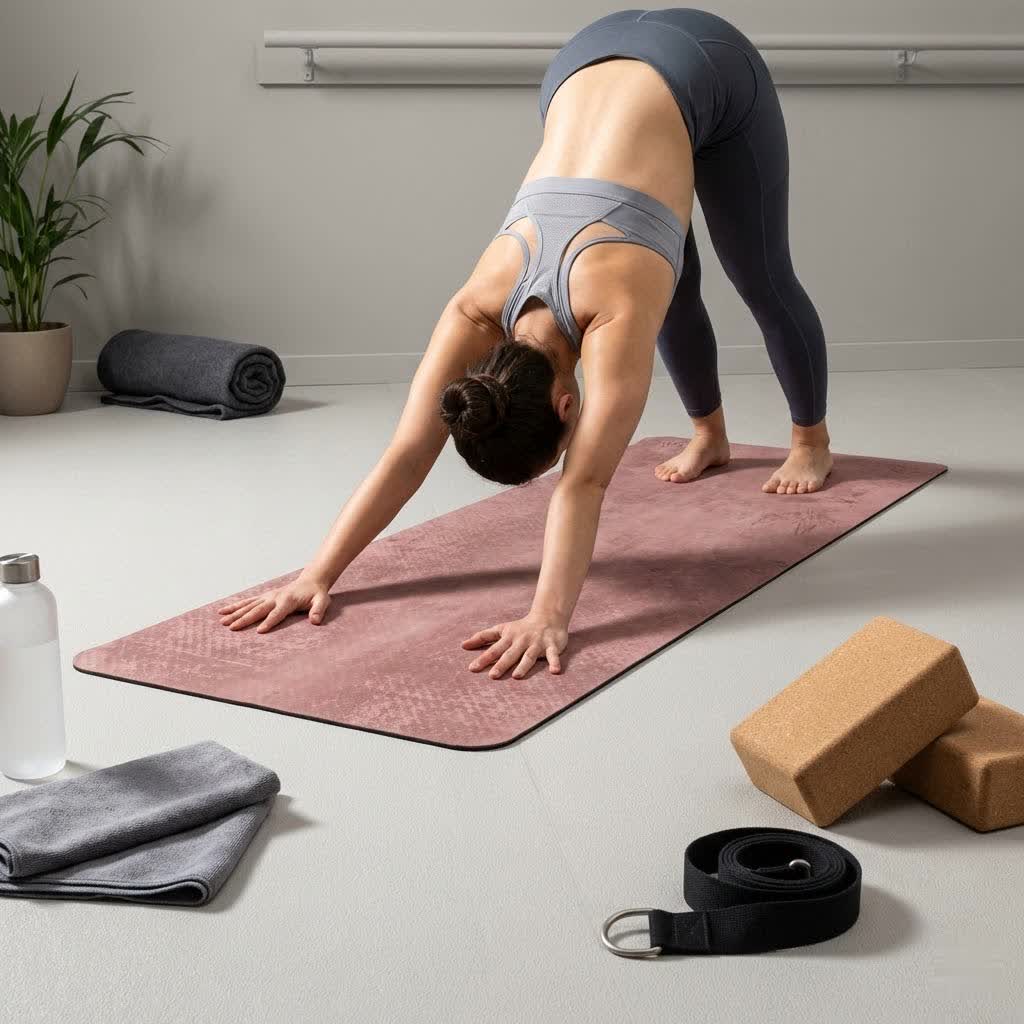
Stepping into a heated yoga studio, the air thick with warmth and humidity, is an invigorating experience designed to deepen stretches and detoxify the body. Yet, this challenging environment also presents a unique dilemma for practitioners: how to maintain a stable, slip-free foundation when sweat inevitably starts to pour. A standard yoga mat, perfectly adequate for cooler flows, quickly becomes a slick hazard in a hot yoga class, compromising your safety and practice. Choosing the best yoga mat for hot yoga is not merely a preference; it’s a necessity to ensure stability, confidence, and a truly immersive experience on your mat.
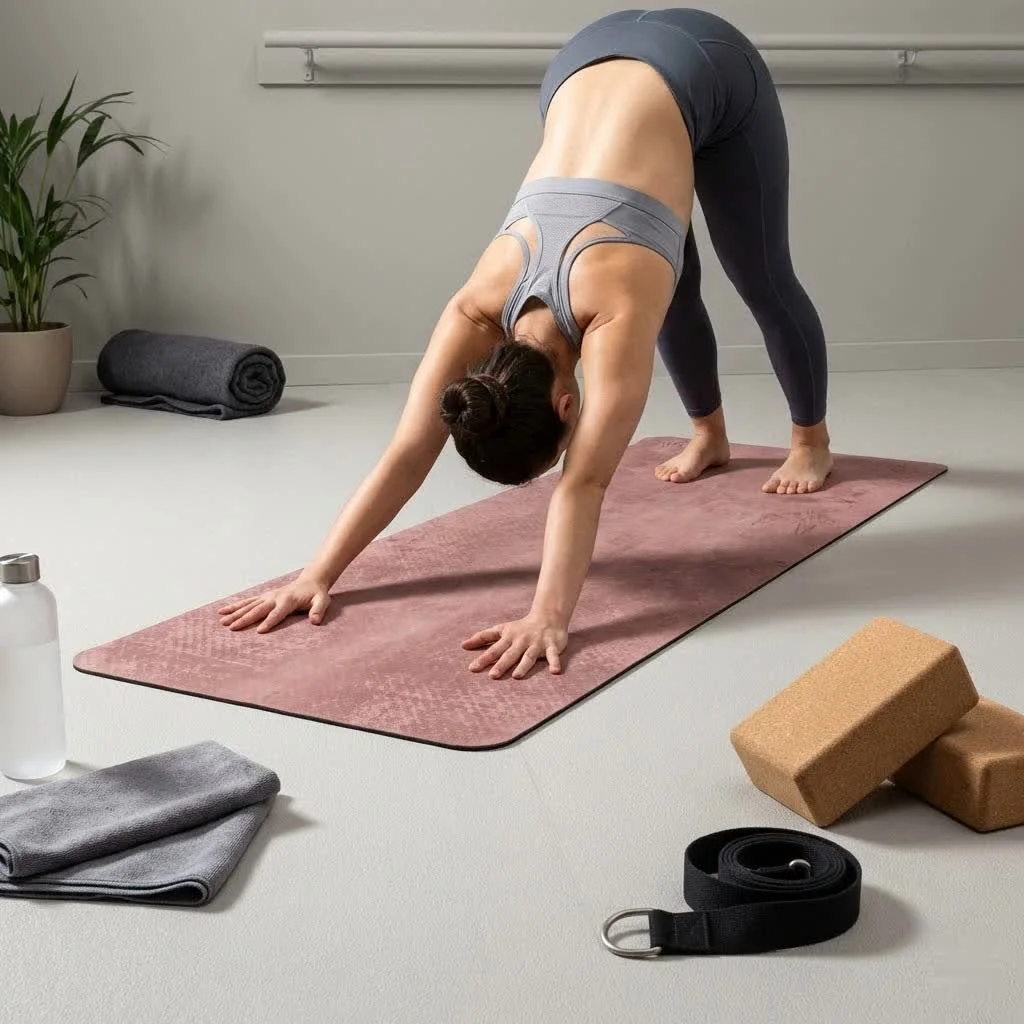
This comprehensive guide will navigate the world of hot yoga mats, helping you understand the specialized features that make a difference. We’ll explore the materials designed to thrive in sweaty conditions, compare top contenders, and provide essential tips for selection and maintenance, ensuring your practice remains grounded, no matter how intense the heat gets. For complete yoga mat library on this site.
Understanding the Demands of Hot Yoga
Hot yoga, including styles like Bikram and Vinyasa in heated rooms, introduces intense heat and humidity, which dramatically increases perspiration. This sweat, while beneficial for flexibility and detoxification, can turn a regular yoga mat into a treacherous surface. The primary challenge is maintaining a firm, non-slip grip for hands and feet through a sequence of poses. Without a mat specifically engineered for these conditions, practitioners risk slipping, losing balance, and potentially injuring themselves. A hot yoga mat must not only provide exceptional grip when wet but also manage moisture effectively and withstand the demanding environment session after session.
Key Features to Look for in a Hot Yoga Mat
When selecting a mat for hot yoga, certain features are paramount to ensure safety, comfort, and longevity. Prioritizing these characteristics will guide you to a mat that truly enhances your practice.
- Exceptional Wet Grip: This is the single most critical factor. A hot yoga mat must become more grippy as you sweat, or at the very least, retain its non-slip properties. Look for materials designed to maintain traction even when thoroughly saturated with moisture.
- Moisture Absorption/Wicking: How well a mat handles sweat dictates its performance. Some mats absorb moisture, providing a grippy, towel-like surface, while others wick it away, keeping the surface drier. Both approaches can be effective, depending on the material.
- Material Durability: Hot yoga mats endure more strenuous conditions than typical mats. They need to resist wear and tear from heat, sweat, and frequent cleaning, ensuring they remain functional and hygienic over time.
- Cushioning and Stability: While grip is key, adequate cushioning is still important for joint protection, especially in poses that put pressure on knees, wrists, or hips. However, too much cushion can compromise stability. A balance of 3-5mm is often ideal for hot yoga.
- Eco-Friendliness: For the environmentally conscious yogi, many excellent hot yoga mats are made from sustainable, natural, or recycled materials, minimizing environmental impact.
- Odor Resistance: The accumulation of sweat can lead to unpleasant odors. Mats with antimicrobial properties or those made from less porous materials are easier to keep fresh and hygienic.
Popular Materials for Hot Yoga Mats
|
Our Picks for the Best Yoga Mat in 2026
As an Amazon Associate I earn from qualifying purchases.
|
||
| Num | Product | Action |
|---|---|---|
| 1 | Amazon Basics Extra Thick Exercise Yoga Mat with Carrying Strap |

|
| 2 | Retrospec Solana Yoga Mat 1" Thick w/Nylon Strap for Men & Women - Non Slip Exercise Mat for Home Yoga, Pilates, Stretching, Floor & Fitness Workouts |
|
| 3 | Retrospec Solana Yoga Mat 1" Thick w/Nylon Strap for Men & Women - Non Slip Exercise Mat for Home Yoga, Pilates, Stretching, Floor & Fitness Workouts |
|
| 4 | Amazon Basics Extra Thick Exercise Yoga Mat with Carrying Strap |
|
| 5 | Retrospec Solana Yoga Mat 1" Thick w/Nylon Strap for Men & Women - Non Slip Exercise Mat for Home Yoga, Pilates, Stretching, Floor & Fitness Workouts |
|
| 6 | Amazon Basics 1/4 Inch Thick TPE Exercise Yoga Mat with Carrying Strap |
|
| 7 | Retrospec Solana Yoga Mat 1" Thick w/Nylon Strap for Men & Women - Non Slip Exercise Mat for Home Yoga, Pilates, Stretching, Floor & Fitness Workouts |
|
| 8 | Amazon Basics Extra Thick Exercise Yoga Mat with Carrying Strap |
|
| 9 | Retrospec Solana Yoga Mat 1" Thick w/Nylon Strap for Men & Women - Non Slip Exercise Mat for Home Yoga, Pilates, Stretching, Floor & Fitness Workouts |
|
| 10 | Retrospec Solana Yoga Mat 1" Thick w/Nylon Strap for Men & Women - Non Slip Exercise Mat for Home Yoga, Pilates, Stretching, Floor & Fitness Workouts |
|
The material of your mat is the most significant determinant of its performance in hot, sweaty conditions. Here’s a breakdown of the most effective options:
- Natural Rubber & Polyurethane (PU) Blends:
- Pros: These mats are renowned for their unparalleled wet grip. The PU top layer is designed to be incredibly sticky, often performing even better as it gets damp with sweat. They offer excellent durability and are often made with eco-friendly natural rubber bases. Many high-end mats fall into this category.
- Cons: Can be heavier than other types, which might be a consideration for portability. Some natural rubber mats can have an initial rubbery smell that dissipates over time. They typically come with a higher price tag.
- Examples: Liforme Original Yoga Mat, Alo Warrior Mat, Lululemon The Mat, Yogi Bare Paws Extreme Grip Yoga Mat.
- Natural Rubber (Open-Cell Construction):
- Pros: Open-cell natural rubber mats are highly absorbent and provide excellent traction, especially as they get damp. They are often biodegradable and sourced sustainably, making them a popular eco-friendly choice.
- Cons: Their porous, absorbent nature, while great for grip, means they can soak up more sweat and bacteria, making them harder to clean thoroughly and potentially prone to retaining odors. Some users report a distinct rubber smell, particularly when new. They may also show wear more quickly than closed-cell mats if not properly maintained.
- Examples: Jade Harmony Yoga Mat, Manduka eKO.
- Cork Mats:
- Pros: Cork is a naturally sustainable material with inherent antimicrobial properties, which helps resist odors and bacteria. Crucially for hot yoga, cork becomes exceptionally grippy when wet, offering a secure surface as you sweat. They provide a firm, stable foundation.
- Cons: Cork mats tend to be firmer with less cushioning than rubber or foam options, which might not be ideal for those needing extra joint support. They require careful handling and storage to prevent cracking or drying out.
- Examples: 42 Birds Cork Lightweight Yoga Mat.
- Microfiber/Towel-Top Mats (Integrated):
- Pros: These mats often feature a microfiber towel-like surface bonded to a rubber base. They are specifically designed to increase grip with moisture, performing much like a yoga towel but without the bunching. Many are machine washable, making cleaning convenient.
- Cons: They can feel slippery when completely dry, requiring a light spray of water to activate the grip at the start of a practice. Cushioning levels can vary, and some may not offer the same foundational feel as solid rubber mats.
- Examples: Yoga Design Lab Combo Mat.
Detailed Comparison of Hot Yoga Mat Materials
| Feature | Natural Rubber & PU Blends | Natural Rubber (Open-Cell) | Cork Mats | Microfiber/Towel-Top Mats |
|---|---|---|---|---|
| Wet Grip | Excellent, often improves with sweat | Very good, absorbent for traction | Excellent, becomes grippier when wet | Improves significantly with sweat |
| Moisture Mgmt. | Wicks/repels sweat | Absorbs sweat | Absorbs minor sweat, wicks larger | Absorbs and wicks |
| Durability | High | Medium to High | Medium | Medium to High |
| Eco-Friendliness | High (natural rubber base) | High (natural, biodegradable) | Very High (sustainable, renewable) | Medium (often recycled plastics) |
| Cushioning | Medium | Medium to High (springy) | Low to Medium (firm) | Low to Medium |
| Cleaning Ease | Good, easy to wipe | Requires more thorough cleaning | Good (naturally antimicrobial) | Good, often machine washable |
| Odor Resistance | Good | Can absorb odors if not cleaned well | Excellent (antimicrobial) | Good (if cleaned regularly) |
| Typical Price | High | Medium to High | Medium to High | Medium |
Choosing Your Perfect Hot Yoga Mat: A Step-by-Step Guide
With a deeper understanding of hot yoga mat features and materials, here’s how to narrow down the options and find your ideal match:
- Prioritize Grip Above All Else: For hot yoga, this is non-negotiable. If you tend to sweat heavily, focus on materials like PU-coated natural rubber or cork, which are proven to maintain grip even when drenched. Read reviews specifically mentioning wet grip performance.
- Consider Your Sweat Level: If you’re a heavy sweater, an absorbent open-cell natural rubber or a microfiber-topped mat might be beneficial. If you prefer a drier surface, a PU blend mat could be a better fit, as it tends to wick moisture away rather than absorb it.
- Evaluate Material Preferences: Are you committed to an eco-friendly choice? Natural rubber and cork are excellent options. Do you mind an initial rubbery smell for superior performance? Are you looking for antimicrobial properties? Your personal values and sensitivities play a role.
- Thickness for Comfort vs. Stability: While general yoga mats can range widely, hot yoga mats typically perform best between 3mm and 5mm. This range offers enough cushioning for joint support without making you feel disconnected from the floor or compromising stability in balancing poses. For those who travel often, thinner 1.5-2mm travel mats are available, though they offer less cushioning.
- Portability: If you commute to the studio frequently, consider the mat’s weight. Some high-performance hot yoga mats can be quite heavy. Look for options labeled “travel-friendly” or “lightweight” if portability is a major concern.
- Budget Alignment: Hot yoga mats, especially those with advanced materials for superior grip, can be an investment. Determine your budget range, but remember that a high-quality mat can significantly enhance your practice and prevent costly injuries. There are excellent options across various price points.
Essential Care and Cleaning for Hot Yoga Mats
Given the sweaty nature of hot yoga, proper cleaning and maintenance are crucial to prolong your mat’s life, prevent odors, and maintain hygiene.
- Wipe Down After Every Session: Immediately after practice, use a damp cloth (water with a few drops of mild soap or a specialized yoga mat cleaner) to wipe down your mat. This removes sweat, dirt, and oils before they can set in.
- Deep Cleaning: Depending on your mat material and frequency of use, a deeper clean is necessary weekly or bi-weekly. For natural rubber and PU mats, avoid harsh chemicals or excessive scrubbing, which can degrade the surface. For open-cell rubber, gentle washing with mild soap and water, followed by thorough rinsing, is recommended. Cork mats can be cleaned with a damp cloth; their antimicrobial properties reduce the need for harsh cleaners. Always check the manufacturer’s cleaning instructions.
- Drying: Always air dry your mat completely before rolling it up or storing it. Lay it flat or hang it to dry, away from direct sunlight, which can damage certain materials like natural rubber. Rolling up a damp mat is a recipe for mildew and unpleasant odors.
- Storage: Roll your mat loosely, surface side out, to prevent creases and preserve the top layer. Store it in a cool, dry place, away from extreme temperatures and direct sunlight. Avoid folding your mat, as this can cause permanent creasing and damage.
“A good hot yoga mat isn’t just a piece of equipment; it’s an extension of your practice, providing the unwavering support you need to push your limits safely in the heat.” – Admin, ReviewsZetu.com
Top Hot Yoga Mats Recommended by Experts
Several mats consistently receive high praise for their performance in hot yoga settings:
- Liforme Original Yoga Mat: Widely celebrated for its innovative “GripForMe” material, which offers exceptional traction that actually improves with sweat. Its unique alignment system is also a significant benefit for practitioners.
- Manduka GRP Adapt Yoga Mat: Specifically engineered for hot yoga, this mat boasts impressive grip and moisture absorption. It’s known for its durability and odor resistance, making it a reliable choice for serious yogis.
- Jade Harmony Yoga Mat: Made from natural, open-cell rubber, the Jade Harmony provides excellent grip and cushioning. It’s a popular eco-friendly option, absorbing moisture to create a stable surface.
- Alo Warrior Mat: This mat is praised for its luxurious feel, superior non-slip surface, and ample cushioning. It’s designed to be moisture-wicking and anti-odor, perfect for intense, sweaty sessions.
- Yogi Bare Paws Extreme Grip Yoga Mat: This biodegradable, vegan-friendly mat uses a natural rubber and polyurethane blend to deliver superb, non-slip performance even in the sweatiest conditions.
Conclusion
Choosing the best yoga mat for hot yoga is a pivotal step in enhancing your practice, ensuring safety, and allowing you to fully immerse yourself in the transformative power of heated flows. By understanding the critical role of superior wet grip, moisture management, and material composition, you can confidently select a mat that meets the unique demands of this invigorating discipline. Invest in a mat designed for the heat, and you’ll unlock a more stable, comfortable, and deeply connected yoga experience.
What aspects of your current yoga mat do you find most challenging during hot yoga sessions, and what feature would you prioritize in your next purchase?
Frequently Asked Questions
Can I use a regular yoga mat for hot yoga?
While you can technically use any mat, a regular yoga mat is generally not recommended for hot yoga because it will likely become extremely slippery when wet with sweat, leading to a loss of grip, instability, and a higher risk of injury. Hot yoga mats are specifically designed with materials and textures that maintain or even enhance grip in humid, sweaty conditions.
How often should I clean my hot yoga mat?
You should wipe down your hot yoga mat with a damp cloth or mat cleaner immediately after every hot yoga session to remove sweat and oils. For a deeper clean, especially if you practice frequently, a thorough cleaning is recommended once a week or every few sessions to prevent bacterial buildup and odors.
What’s the best thickness for a hot yoga mat?
For hot yoga, a thickness between 3mm and 5mm is generally considered ideal. This range offers a good balance of cushioning for joint protection without being too thick, which could compromise stability and your connection to the floor during challenging poses. Thinner mats (1.5-2mm) are great for travel but offer less cushioning.
Are cork mats good for hot yoga?
Yes, cork mats are an excellent choice for hot yoga. Cork naturally becomes grippier when wet, providing a secure, non-slip surface as you sweat. They are also antimicrobial, which helps keep them fresh and hygienic, and are a sustainable, eco-friendly option.
Why do hot yoga mats sometimes smell?
Many high-performance hot yoga mats are made from natural rubber, which can have a distinct rubbery smell when new. This odor typically dissip dissipates over time with use and proper ventilation. Additionally, if mats are not cleaned and dried thoroughly after sweaty sessions, accumulated moisture and bacteria can lead to unpleasant odors.
Get our weekly buyer guide
Practical specs, not advice. Unsubscribe anytime.
