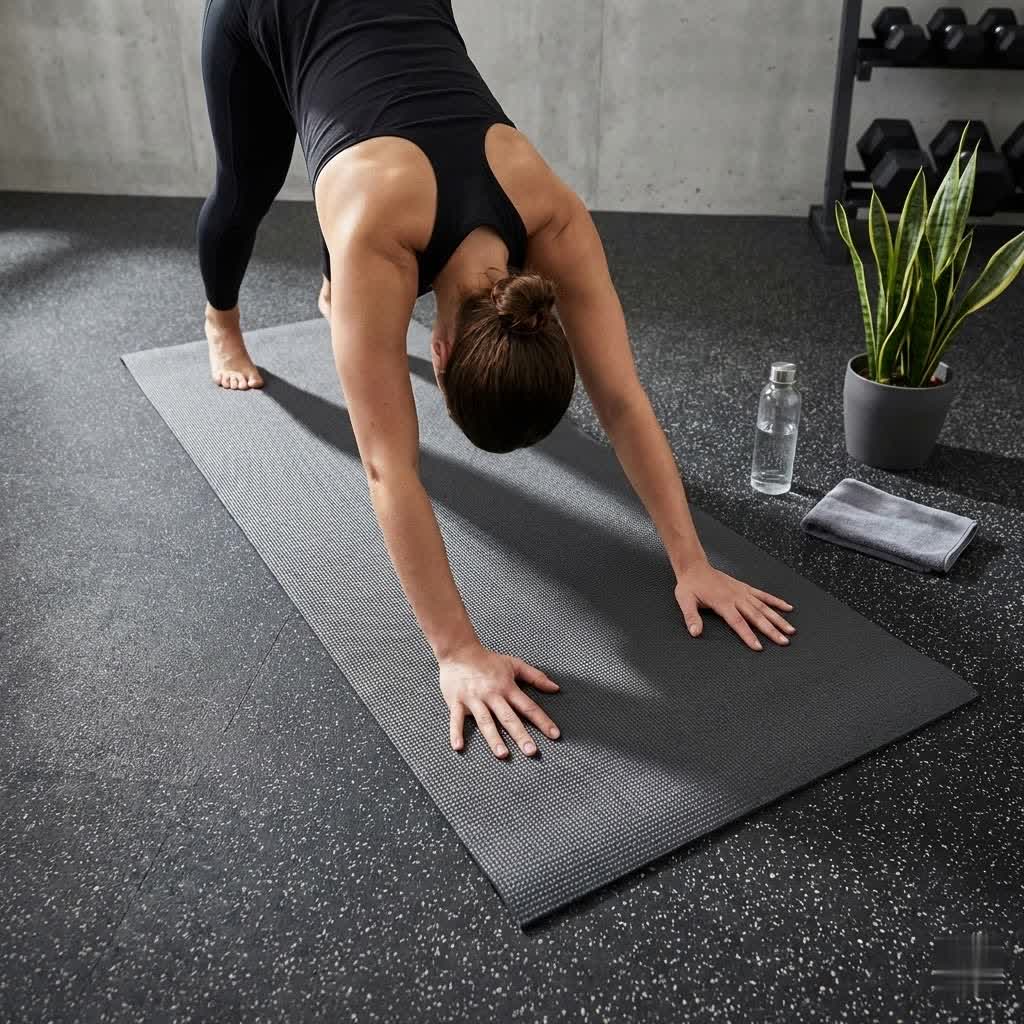
Stepping into a hot yoga studio is an invigorating experience, where warmth deepens your stretches and perspiration purifies your practice. But as the heat rises and the sweat flows, your yoga mat transforms from a simple accessory into a critical foundation for stability and safety. Choosing the right hot yoga mat is paramount to ensuring a confident, comfortable, and truly transformative session. This comprehensive guide, informed by over a decade of personal practice and mat expertise, will navigate you through the essential considerations to find the mat that perfectly supports your journey, regardless of your experience level or budget.
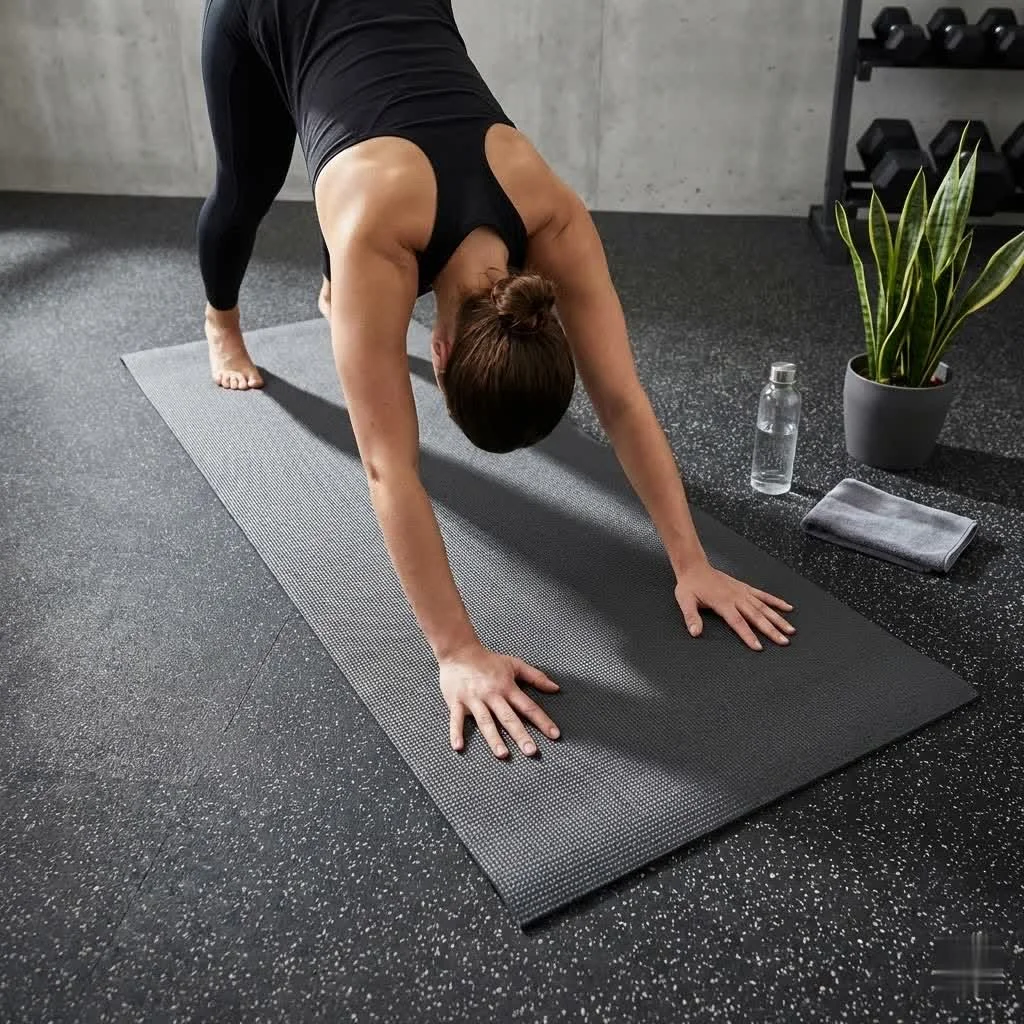
Selecting Your Ideal Hot Yoga Mat: An A-Z Guide
The world of yoga mats is vast, but for the unique demands of a heated practice, specific features rise to the forefront. Understanding the different types of mats and what makes them suitable for hot yoga is your first step toward a grounded and slip-free flow. For see our yoga mat recommendations on this site.
Popular Hot Yoga Mat Materials
The material of your hot yoga mat is the primary determinant of its performance in a sweaty environment, influencing everything from grip to durability and environmental impact.
- Natural Rubber Mats:
- Pros: Renowned for exceptional, natural grip that often improves with moisture. Highly durable and environmentally friendly, being biodegradable. Many find they provide excellent cushioning and grounding.
- Cons: Can be heavier than other types, and some practitioners are sensitive to the initial natural rubber scent, which typically dissipates over time. Generally, they are in a higher price bracket.
- Polyurethane (PU) Mats:
- Pros: Often laminated onto a natural rubber base, PU offers an incredibly grippy, smooth surface that excels in wet conditions, effectively wicking away sweat. They provide a luxurious feel and solid performance.
- Cons: Can be more susceptible to scratches and marks compared to rubber alone. They tend to be on the pricier side and require specific cleaning care to maintain their surface integrity.
- Thermoplastic Elastomer (TPE) Mats:
- Pros: A popular choice for those seeking an eco-friendlier alternative to PVC. TPE mats are lightweight, recyclable, and typically free from latex and PVC. They offer good cushioning and moderate grip.
- Cons: While better for the environment, their grip might not be as superior as natural rubber or PU in extremely sweaty conditions, and they can be less durable than rubber, showing wear more quickly.
- Cork Mats:
- Pros: A fantastic choice for hot yoga, cork’s natural antimicrobial properties help resist odors and bacteria. Its grip actually increases when wet, making it ideal for sweaty practices. Cork is sustainable, biodegradable, and provides a unique, firm surface.
- Cons: Can feel rougher than other materials and may require a breaking-in period. Some find them less cushioned. Proper care is essential to prevent drying out and cracking over time.
- Jute Mats:
- Pros: Made from plant fibers, jute mats are highly eco-friendly and offer a rustic, natural feel. Their woven texture provides excellent friction, enhancing grip without feeling overly sticky. They are durable and breathable.
- Cons: The surface can feel coarse to sensitive skin, and they might offer less cushioning compared to rubber or TPE mats.
- PVC (Polyvinyl Chloride) Mats:
- Pros: Traditionally known as the “sticky mat,” PVC mats are widely available and often budget-friendly. They offer good initial stickiness in dry conditions and are generally durable.
- Cons: Can become dangerously slippery in hot and sweaty environments, making them less suitable for intense hot yoga unless specifically designed with a dry-grip surface. They are not biodegradable and often contain phthalates, raising environmental and health concerns for some practitioners.
Detailed Comparison of Hot Yoga Mat Types
|
Our Picks for the Best Yoga Mat in 2026
As an Amazon Associate I earn from qualifying purchases.
|
||
| Num | Product | Action |
|---|---|---|
| 1 | Amazon Basics Extra Thick Exercise Yoga Mat with Carrying Strap |

|
| 2 | Retrospec Solana Yoga Mat 1" Thick w/Nylon Strap for Men & Women - Non Slip Exercise Mat for Home Yoga, Pilates, Stretching, Floor & Fitness Workouts |
|
| 3 | Retrospec Solana Yoga Mat 1" Thick w/Nylon Strap for Men & Women - Non Slip Exercise Mat for Home Yoga, Pilates, Stretching, Floor & Fitness Workouts |
|
| 4 | Amazon Basics Extra Thick Exercise Yoga Mat with Carrying Strap |
|
| 5 | Retrospec Solana Yoga Mat 1" Thick w/Nylon Strap for Men & Women - Non Slip Exercise Mat for Home Yoga, Pilates, Stretching, Floor & Fitness Workouts |
|
| 6 | Amazon Basics 1/4 Inch Thick TPE Exercise Yoga Mat with Carrying Strap |
|
| 7 | Retrospec Solana Yoga Mat 1" Thick w/Nylon Strap for Men & Women - Non Slip Exercise Mat for Home Yoga, Pilates, Stretching, Floor & Fitness Workouts |
|
| 8 | Amazon Basics Extra Thick Exercise Yoga Mat with Carrying Strap |
|
| 9 | Retrospec Solana Yoga Mat 1" Thick w/Nylon Strap for Men & Women - Non Slip Exercise Mat for Home Yoga, Pilates, Stretching, Floor & Fitness Workouts |
|
| 10 | Retrospec Solana Yoga Mat 1" Thick w/Nylon Strap for Men & Women - Non Slip Exercise Mat for Home Yoga, Pilates, Stretching, Floor & Fitness Workouts |
|
To help you visualize the differences, here’s a comparison of the key attributes across various hot yoga mat materials:
| Feature | Natural Rubber | Polyurethane (PU) | TPE | Cork | Jute | PVC (High-Quality for Hot Yoga) |
|---|---|---|---|---|---|---|
| Grip (when wet) | Excellent | Excellent | Good | Excellent (improves) | Good (texture-based) | Moderate to Good (if specialized) |
| Durability | High | Moderate to High | Moderate | Moderate to High | High | High |
| Eco-Friendliness | High (biodegradable) | Moderate | High (recyclable) | High (sustainable) | High (natural fiber) | Low |
| Typical Thickness | 3-6mm | 4-5mm | 4-8mm | 3-5mm | 4-6mm | 3-6mm |
| Price Range | High | High | Mid-Range | Mid-Range to High | Mid-Range | Low to Mid-Range |
| Sweat Absorption/Wicking | Absorbs/Grips better | Wicks away | Low absorption | Absorbs & grips | Absorbs | Low (can become slick) |
| Feel | Firm, grippy, cushioned | Smooth, soft, very grippy | Soft, cushioned | Firm, natural texture | Textured, earthy | Smooth, traditional “sticky” |
Guiding Your Choice: Finding Your Perfect Hot Yoga Mat
With so many options, how do you pinpoint the mat that truly resonates with your practice? Consider these factors carefully before making your investment.
Thickness: Your Foundation for Comfort and Connection
The thickness of your mat directly impacts comfort and your connection to the floor. What feels right for one yogi might not for another.
- 3-5mm (approx. 1/8 to 3/16 inch): This range is popular for experienced practitioners who prefer a strong connection to the ground, offering stability for balancing poses. It’s also ideal for those who travel frequently due to its lighter weight and portability. While thinner, good quality mats still provide adequate joint protection.
- 6-8mm (approx. 1/4 to 5/16 inch): A thicker mat provides enhanced cushioning, which is especially beneficial for beginners or individuals with sensitive joints, offering more comfort in kneeling or seated poses. However, excessively thick mats (like 10-15mm) can sometimes compromise stability in standing balances.
Grip and Sweat Management: Non-Slip is Non-Negotiable
In a hot yoga class, a mat’s ability to maintain grip amidst increasing perspiration is paramount. You need a mat that won’t turn into a slip-and-slide when you start to sweat.
Look for mats explicitly designed for hot yoga, often featuring specialized surfaces that become more grippy when wet. Materials like natural rubber and PU are excellent for this. Cork also excels as its grip activates with moisture. Some mats feature an “open-cell” construction, which absorbs sweat like a sponge, while “closed-cell” mats repel moisture. Both have their merits, but for hot yoga, many prefer materials that either absorb effectively and remain grippy (like some open-cell rubber mats) or wick moisture away while providing a textured non-slip surface (like PU or cork).
Size: Room to Flow
Standard yoga mats are typically 68 inches long and 24 inches wide. However, if you are taller than average or simply prefer more space to stretch and move without drifting off your mat, consider longer (72-85 inches) or wider (26-30 inches) options. Ensure the mat you choose can comfortably accommodate your full height and wingspan.
Material: Aligning with Your Values and Needs
Your choice of material extends beyond just performance to reflect personal values. If eco-friendliness is a priority, natural rubber, cork, jute, or TPE are excellent choices. If you prioritize maximum grip above all else, natural rubber or PU often lead the pack. Be mindful of potential allergies (e.g., latex in natural rubber) and avoid materials like standard PVC that become hazardous when wet in a hot yoga setting.
Budget: An Investment in Your Practice
High-quality hot yoga mats are an investment, with prices varying significantly based on material, brand, and features. While it’s tempting to opt for the cheapest option, a durable, high-performance mat designed for hot yoga will enhance your practice and last longer, proving more cost-effective in the long run. Many excellent options exist across different price points, so determine your budget and seek the best value within that range.
“A hot yoga mat isn’t just about cushioning; it’s about confidence. When you know your mat will hold you steady, you can truly surrender to the heat and deepen your practice without distraction.” – Maya Sharma, Certified Hot Yoga Instructor
Essential Tips for Cleaning and Maintaining Your Hot Yoga Mat
Regular cleaning and proper storage are crucial for preserving your hot yoga mat’s grip, hygiene, and longevity, especially given the sweaty nature of your practice.
Daily Wipe-Down After Each Session
After every hot yoga class, take a few moments to wipe down your mat. This prevents sweat and oils from building up and creating a breeding ground for bacteria and odors.
- Simple Solution: Mix warm water with a few drops of mild dish soap or use a specialized yoga mat cleaning spray. Avoid using too much soap, as it can leave a slippery residue.
- Application: Spray the solution onto a soft, damp cloth (microfiber works well) and wipe down the entire surface of your mat, focusing on areas where you sweat most.
- Rinse: Use a clean, damp cloth to wipe away any soap residue.
Weekly Deep Cleaning
For a more thorough clean, especially for open-cell mats that absorb more moisture, a weekly deep clean is beneficial.
- Tub Soak (for many open-cell mats): Fill a bathtub or large basin with warm water and about a tablespoon of mild dish soap per gallon. Submerge your mat for 5-10 minutes. Gently scrub both sides with a soft cloth. Rinse thoroughly with clean water to remove all soap.
- Vinegar Solution (for some mats): A 1:1 mixture of white vinegar and water can be an effective natural cleaner and disinfectant. Always check your mat’s care instructions first, as some materials may react to vinegar.
- Air Dry Completely: This is the most critical step. Hang your mat over a shower rod, banister, or drying rack. Ensure it is completely dry on both sides before rolling it up and storing it, as rolling a damp mat can lead to mold and mildew. Avoid direct sunlight, which can damage some mat materials.
Proper Storage
Once your mat is thoroughly dry, roll it up tightly with the top surface facing outwards (this helps keep the edges flat during your next practice). Store it in a cool, dry place away from direct sunlight and extreme temperatures to prevent material degradation.
Conclusion
Choosing the ideal hot yoga mat is a deeply personal decision that significantly impacts your practice. By prioritizing superior grip, appropriate thickness, and a material that aligns with your values, you’ll find a mat that not only supports every pose but also enhances your overall experience in the heated room. Remember, a high-quality hot yoga mat is an investment in your well-being, providing the stable, hygienic foundation you need to flow freely and confidently. So, take your time, consider your options, and find the mat that helps you unlock your fullest potential.
Ready to transform your hot yoga practice with the perfect mat?
Frequently Asked Questions
Can I use a regular yoga mat for hot yoga?
While you can technically use any mat, a regular yoga mat not designed for heat and sweat will likely become dangerously slippery, compromising your stability and potentially leading to injury. Mats specifically made for hot yoga offer enhanced grip and sweat management.
What thickness is best for a hot yoga mat?
For hot yoga, a thickness of 3-6mm (1/8 to 1/4 inch) is generally recommended. Thinner mats (3-4mm) offer greater stability and connection to the ground, favored by experienced yogis. Thicker mats (5-6mm) provide more cushioning for joints, which can be beneficial for beginners or those with sensitivities.
How often should I clean my hot yoga mat?
You should wipe down your hot yoga mat with a damp cloth or mat spray after every single use to remove sweat and oils. A deeper clean with soap and water or a vinegar solution is recommended weekly or bi-weekly, depending on how frequently you practice.
Do cork yoga mats really get grippier when wet?
Yes, cork yoga mats are renowned for their unique property of increasing grip when exposed to moisture. The natural suberin in cork reacts to sweat, creating a more adhesive surface, making them an excellent choice for hot yoga.
Are eco-friendly hot yoga mats durable?
Many eco-friendly hot yoga mats, particularly those made from natural rubber or high-quality cork, are highly durable. While some TPE mats might show wear faster than rubber, advancements in sustainable materials mean you no longer have to sacrifice durability for environmental consciousness.
Get our weekly buyer guide
Practical specs, not advice. Unsubscribe anytime.
