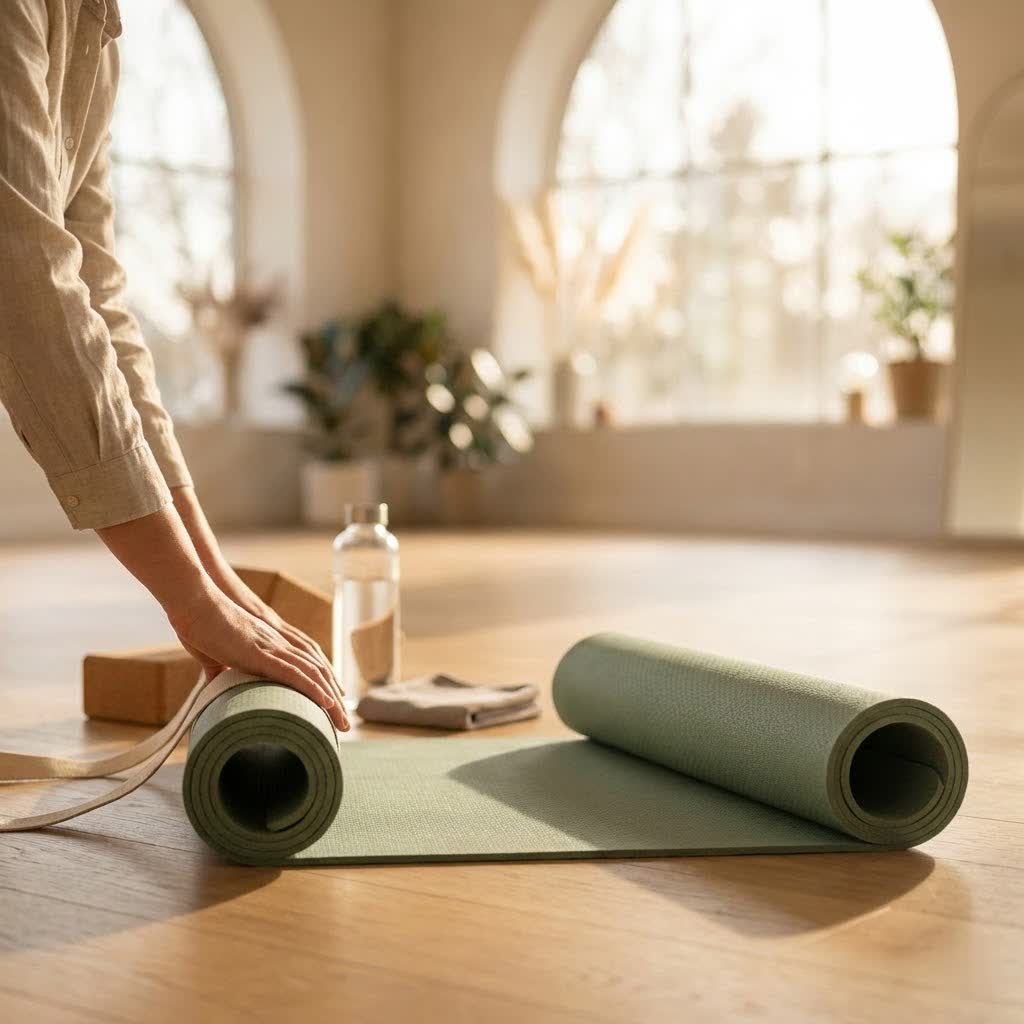
Stepping onto your yoga mat is more than just starting a workout; it’s entering a personal sanctuary where movement meets mindfulness. Yet, for many, the standard yoga mat can feel like a cramped island, limiting stretches and breaking focus. If you’ve ever felt constrained during your flow, constantly adjusting to stay on your mat, it might be time to consider the expansive freedom a large yoga mat offers. This guide will walk you through everything you need to know, from materials and dimensions to care, ensuring you find a mat that truly supports and enhances your practice, no matter your body type or yoga style.
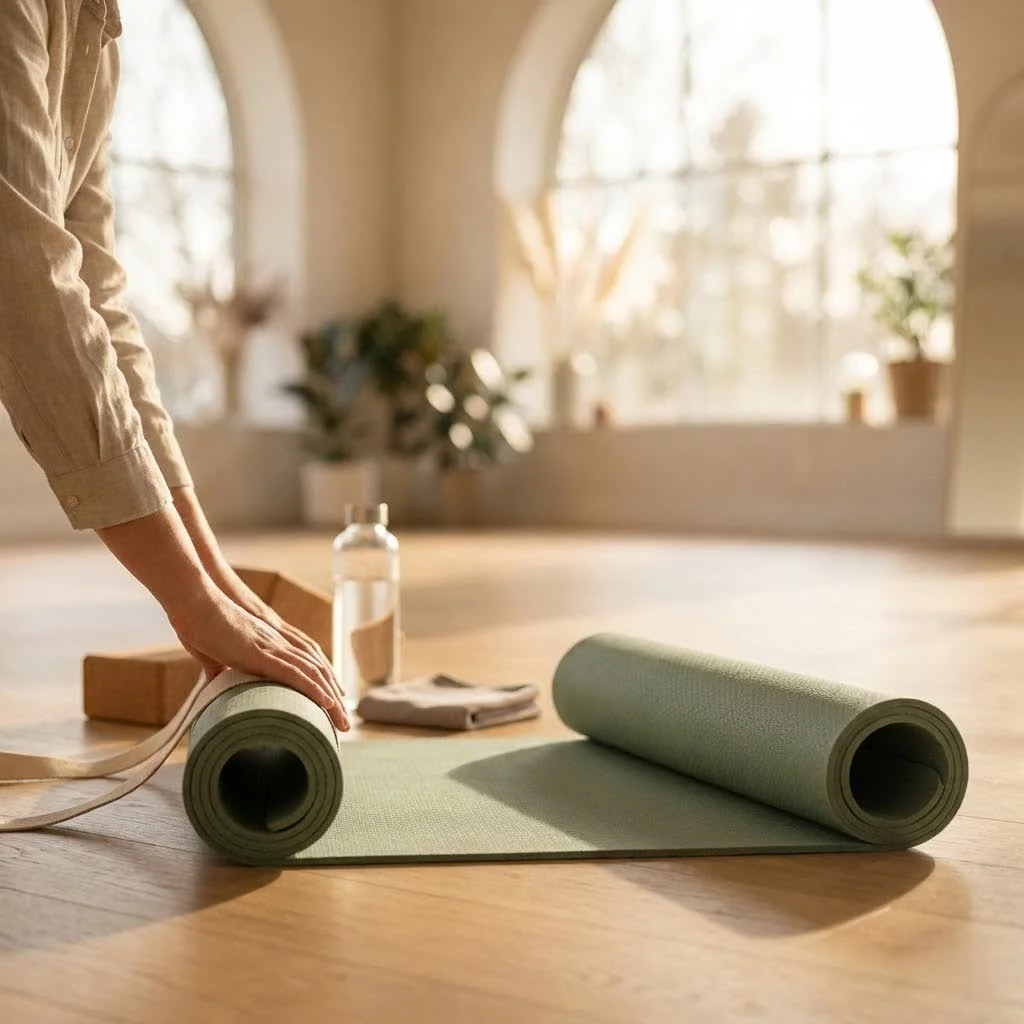
Choosing the Perfect Large Yoga Mat: Your A-to-Z Guide
The right yoga mat is fundamental to a safe, comfortable, and effective practice. For those who find standard mats restrictive, a larger option can be a game-changer, providing ample space for expansive movements, stability in challenging poses, and overall enhanced comfort. This expanded surface allows you to fully immerse yourself in each posture without the distraction of falling off the edges. For yoga mat buying guides on this site.
Popular Large Yoga Mat Materials
The material of your large yoga mat dictates its feel, grip, durability, and environmental impact. Understanding these differences is key to making an informed choice for your practice.
- PVC Mats
- Pros: PVC (Polyvinyl Chloride) mats are renowned for their exceptional durability, making them a long-lasting option. They are generally the most affordable and easiest to clean, offering an excellent, consistent grip on the floor. PVC mats are also latex-free, a crucial benefit for those with latex allergies.
- Cons: While durable, PVC is not biodegradable and is considered less eco-friendly than other materials. They are non-absorbent, which means they can become quite slippery if you sweat heavily during your practice.
- TPE Mats
- Pros: TPE (Thermoplastic Elastomer) mats offer a more environmentally friendly alternative to PVC, often being recyclable. They provide good traction and are generally lighter than natural rubber mats, making them easier to transport.
- Cons: TPE mats can be less durable than their PVC or natural rubber counterparts, potentially showing wear and tear more quickly. Some users also find them prone to scratching.
- Natural Rubber Mats
- Pros: Praised for their superior grip, natural rubber mats provide exceptional traction, even in sweaty conditions. They are a highly durable and eco-friendly choice, as they are sustainably sourced and biodegradable.
- Cons: Natural rubber mats can be heavier and often come with a distinct, sometimes strong, rubber odor that may take time to dissipate. They are also typically more expensive, and individuals with latex allergies should avoid them.
- Cork Mats
- Pros: Cork mats stand out for their naturally antimicrobial properties, helping to keep your mat hygienic. They offer excellent grip that actually improves as you sweat, creating a more stable surface. As a renewable resource, cork is an eco-friendly option.
- Cons: These mats require careful storage to prevent cracking or drying out. Some practitioners might find the natural texture slightly rougher than other materials.
- Jute Mats
- Pros: Made from plant fibers, jute mats are another eco-friendly and biodegradable choice. They are known for their high durability and a unique, natural texture that provides a decent grip for your hands and feet.
- Cons: Jute mats offer less cushioning than most other materials, which might be a concern for those with sensitive joints. Their surface can also feel somewhat coarse.
- NBR (Nitrile Butadiene Rubber) Mats
- Pros: NBR mats are celebrated for their exceptional cushioning, providing excellent joint protection, which is particularly beneficial for beginners or those with sensitive knees, elbows, and hips. They offer good grip between your body and the mat.
- Cons: While cushioned, NBR mats can sometimes lack stability, potentially sliding on smoother floors. Their grip can diminish when wet, and they may show rough patches or wear over time. There are also environmental concerns regarding the potential release of harmful chemicals.
Detailed Comparison Table of Large Yoga Mat Types
|
Our Picks for the Best Yoga Mat in 2026
As an Amazon Associate I earn from qualifying purchases.
|
||
| Num | Product | Action |
|---|---|---|
| 1 | Amazon Basics 1/4 Inch Thick TPE Exercise Yoga Mat with Carrying Strap |

|
| 2 | Amazon Basics Extra Thick Exercise Yoga Mat with Carrying Strap |
|
| 3 | Retrospec Solana Yoga Mat 1" Thick w/Nylon Strap for Men & Women - Non Slip Exercise Mat for Home Yoga, Pilates, Stretching, Floor & Fitness Workouts |
|
| 4 | Retrospec Solana Yoga Mat 1" Thick w/Nylon Strap for Men & Women - Non Slip Exercise Mat for Home Yoga, Pilates, Stretching, Floor & Fitness Workouts |
|
| 5 | Retrospec Solana Yoga Mat 1" Thick w/Nylon Strap for Men & Women - Non Slip Exercise Mat for Home Yoga, Pilates, Stretching, Floor & Fitness Workouts |
|
| 6 | Retrospec Solana Yoga Mat 1" Thick w/Nylon Strap for Men & Women - Non Slip Exercise Mat for Home Yoga, Pilates, Stretching, Floor & Fitness Workouts |
|
| 7 | Amazon Basics Extra Thick Exercise Yoga Mat with Carrying Strap |
|
| 8 | Retrospec Solana Yoga Mat 1" Thick w/Nylon Strap for Men & Women - Non Slip Exercise Mat for Home Yoga, Pilates, Stretching, Floor & Fitness Workouts |
|
| 9 | Retrospec Solana Yoga Mat 1" Thick w/Nylon Strap for Men & Women - Non Slip Exercise Mat for Home Yoga, Pilates, Stretching, Floor & Fitness Workouts |
|
| 10 | Amazon Basics Extra Thick Exercise Yoga Mat with Carrying Strap |
|
Here’s a quick comparison to help you weigh the options for your perfect large yoga mat:
| Material | Typical Thickness (for Large Mats) | Grip (Body to Mat) | Durability | Price Range | Eco-Friendliness | Notes |
|---|---|---|---|---|---|---|
| PVC | 6-8mm | Excellent | High | Low – Medium | Low | Non-absorbent, slippery with sweat. |
| TPE | 6-8mm | Good | Medium | Medium | Medium – High | Lighter, can scratch. |
| Natural Rubber | 5-7mm | Excellent | High | High | High | Heavy, natural odor, avoid for latex allergies. |
| Cork | 4-6mm | Excellent (w/ sweat) | Medium – High | Medium – High | High | Antimicrobial, requires careful storage. |
| Jute | 3-5mm | Good | High | Medium | High | Rougher texture, less cushioning. |
| NBR | 10-12mm+ | Good (Dry) | Medium | Low – Medium | Low | High cushioning, can slide, less stable, less grip wet. |
How to Choose the Right Large Yoga Mat
Selecting a large yoga mat isn’t just about extra space; it’s about optimizing your practice. Consider these factors to ensure your choice aligns with your needs.
- Thickness: The ideal mat thickness depends heavily on your comfort needs and practice style.
- 3-5mm: These thinner mats offer a stronger connection to the floor, appealing to experienced yogis who prioritize stability and balance. They are also generally more portable for those who travel with their mat.
- 6-8mm: This is a versatile range, offering a comfortable balance of cushioning and stability. It’s an excellent choice for beginners and most general yoga practices, providing ample joint protection without compromising on grounding.
- 10-12mm+ (or 1/2 inch+): If you have sensitive joints, practice restorative yoga, or are just starting out, a very thick mat provides maximum cushioning and comfort. However, be aware that excessive thickness can sometimes reduce stability in standing poses.
- Grip: A mat’s grip is paramount for safety and confidence, especially during dynamic sequences or when your hands and feet get sweaty. Different materials offer varying levels of grip. Natural rubber and cork, for example, are known for their superior non-slip properties, with cork even becoming stickier when wet.
- Size (Length & Width): This is where “large” truly comes into play.
- Length: Standard mats are typically 68-72 inches long. If you are 5’8″ or taller, an extra-long mat of 80-84 inches will prevent your head or feet from dangling off, allowing full extension in poses like Downward-Facing Dog or Savasana.
- Width: Standard mats are 24 inches wide. For unrestricted movement, broader shoulders, or practicing styles that involve more lateral motion, a mat between 26 and 36 inches wide can significantly enhance your experience. An extra-wide mat around 30 inches often makes the practice feel “unrestricted.” [cite: 1.1]
- Material: Your mat’s material choice should align with your personal values and practical needs. If eco-friendliness is a priority, natural rubber, cork, or jute are excellent choices. If you need maximum durability and easy cleaning, PVC might be considered, provided environmental concerns are secondary. Always check for latex if you have allergies.
- Budget: Large yoga mats come in a wide range of prices. While it’s tempting to opt for a cheaper model, investing in a higher-quality mat made from durable, supportive materials can be more cost-effective in the long run, saving you from frequent replacements. There are many excellent options available at various price points to suit different budgets.
Tips for Cleaning and Storing Your Large Yoga Mat
Proper care extends the life of your large yoga mat and maintains its hygiene, ensuring a fresh surface for every practice.
- Clean After Every Use: After each session, wipe down your mat with a damp cloth to remove sweat and dirt. For a deeper clean, use a diluted mat cleaner or a gentle soap solution. Always check the manufacturer’s instructions for specific cleaning guidelines.
- Proper Storage: Once clean, allow your mat to air dry completely before rolling it up. Rolling is generally preferred over folding, as it helps prevent creases and maintains the mat’s integrity. Store your mat in a cool, dry place, away from direct sunlight or extreme temperatures, which can degrade certain materials over time.
Top Large Yoga Mats Currently Popular
The market for large yoga mats has expanded significantly, offering fantastic options for every yogi. Popular choices often include extra-wide natural rubber mats, cherished for their unparalleled grip and eco-conscious design. Cushioned TPE mats are favored for home use due to their balanced comfort, lighter weight, and improved environmental profile. For those prioritizing ultimate joint protection, ultra-thick NBR mats remain a go-to, providing a plush surface for restorative practices and beginners. Brands like Gorilla Mats, Manduka PRO Long & Wide, and Lululemon The (Big) Mat are frequently mentioned for their quality and ample dimensions.
Conclusion
Choosing the right large yoga mat is a deeply personal journey, reflecting your unique practice, body, and values. From the expansive freedom it offers to the vital support it provides for your joints, a well-chosen large mat can transform your yoga experience. By considering the various materials, thicknesses, and dimensions, alongside your budget and environmental preferences, you empower yourself to select a mat that feels like an extension of your own body. Unroll a mat that truly meets your needs, and you might just discover new depths in your practice.
What aspects of your yoga practice are you hoping a larger mat will improve the most?
Frequently Asked Questions
What is considered a large yoga mat?
A large yoga mat typically measures between 80-84 inches in length and 26-36 inches in width, significantly exceeding the standard 68-72 inches long by 24 inches wide. This extra space accommodates taller individuals, provides more room for dynamic movements, and enhances overall comfort.
Is a thicker yoga mat better for knees?
Yes, a thicker yoga mat, generally 6mm (1/4 inch) or more, offers greater cushioning and can be significantly better for protecting sensitive knees and other joints. While providing comfort, very thick mats (10-12mm+) might slightly reduce stability for standing poses, so a balance is often preferred.
How do I clean a large yoga mat effectively?
To effectively clean a large yoga mat, regularly wipe it down after each use with a damp cloth and a mild soap solution or a specialized mat cleaner. Ensure the mat is fully air-dried before rolling it up to prevent bacterial growth and maintain its material integrity.
What material is best for a non-slip large yoga mat?
Natural rubber is widely considered the best material for a non-slip large yoga mat due to its excellent grip, even when wet with sweat. Cork mats also offer superior non-slip properties, with their traction improving as they absorb moisture, making them ideal for heated practices.
Are large yoga mats suitable for travel?
Generally, large yoga mats are less suitable for frequent travel due to their increased size and weight compared to standard or travel-specific mats. However, some larger mats are designed with lighter materials or foldable features to offer a compromise for occasional transport.
Get our weekly buyer guide
Practical specs, not advice. Unsubscribe anytime.
