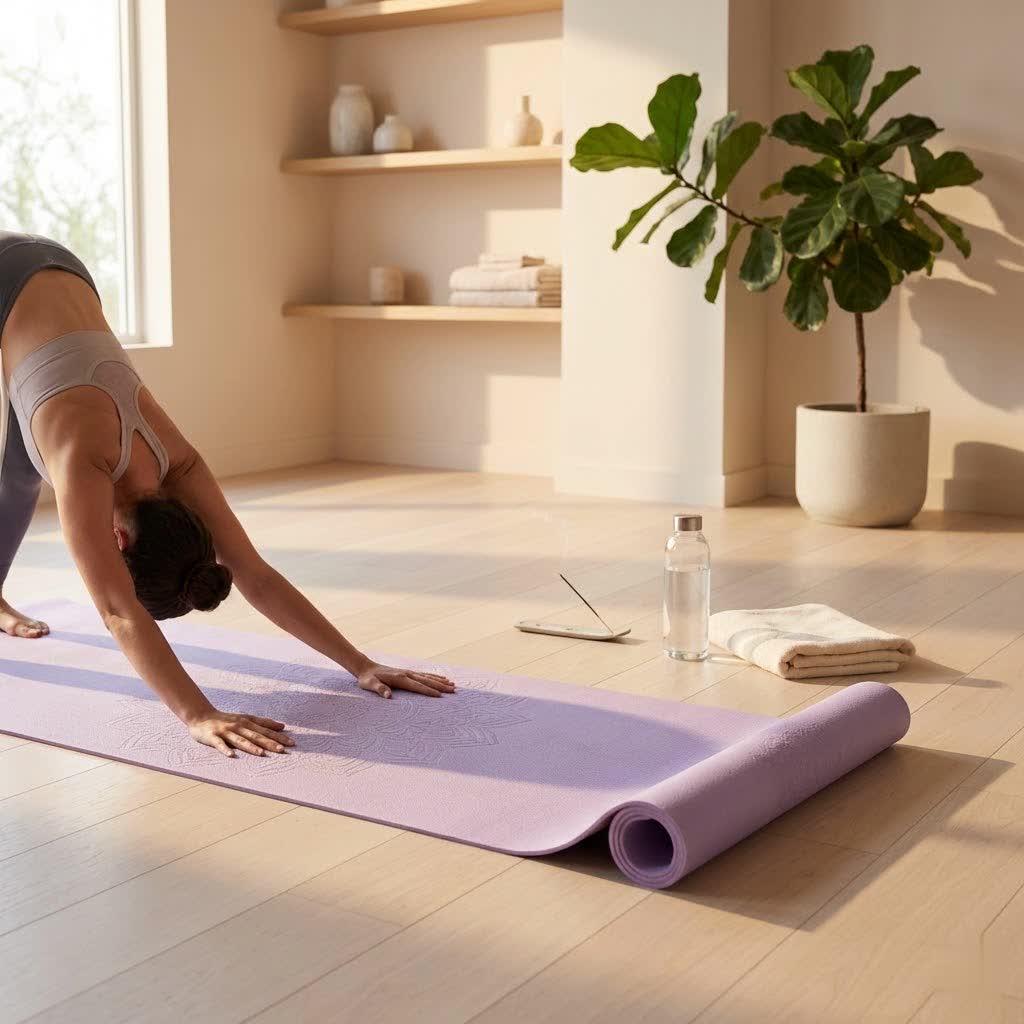
Finding the ideal yoga mat can profoundly transform your practice, making every pose feel more grounded and every breath more intentional. While countless options flood the market, natural rubber yoga mats have emerged as a frontrunner for practitioners who prioritize both performance and ecological responsibility. With over a decade of experience in yoga and a deep understanding of mat materials, I’m here to guide you through the nuanced world of natural rubber, ensuring you find a mat that aligns with your needs and values.
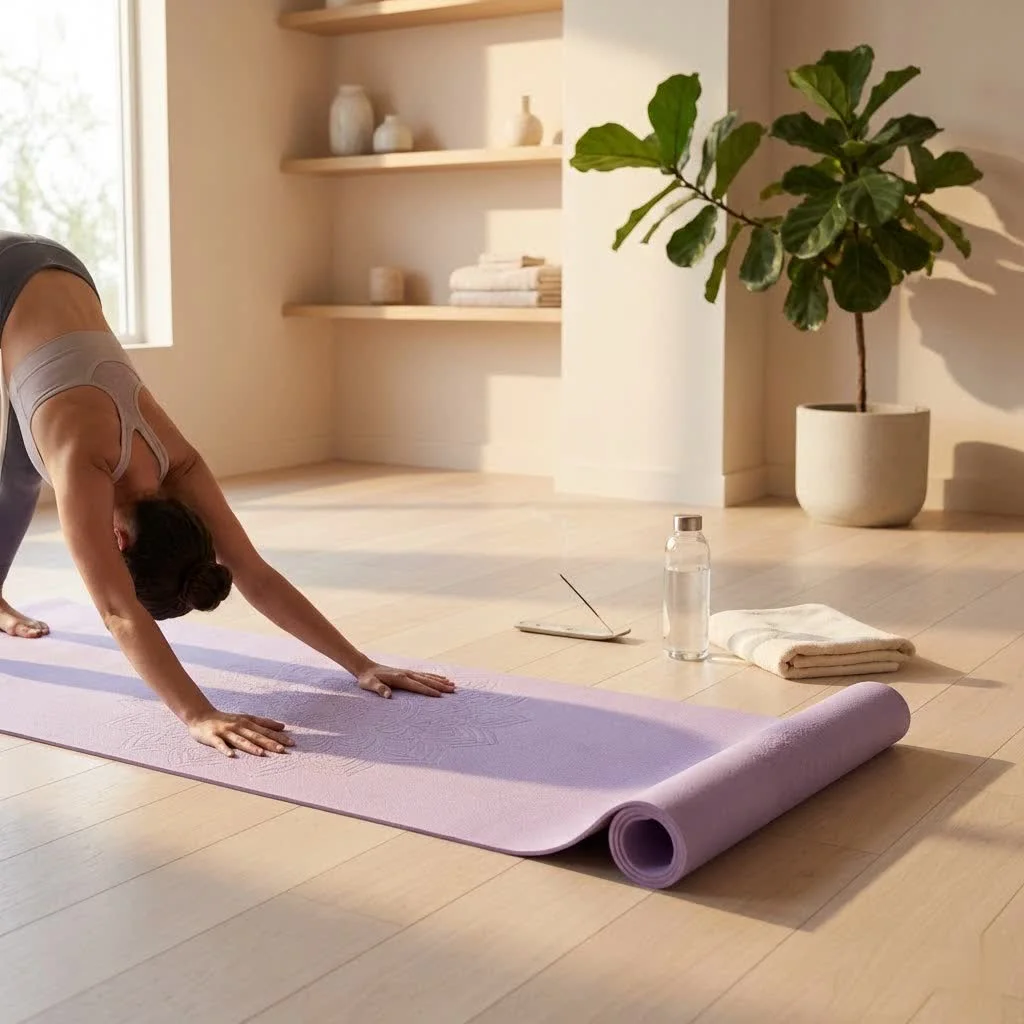
What is a Natural Rubber Yoga Mat?
Natural rubber yoga mats are crafted from the sap of the Hevea Brasiliensis tree, commonly known as the rubber tree. This milky liquid, called latex, is a renewable resource harvested through a process that doesn’t harm the tree, allowing it to continue producing sap for many years. Unlike synthetic alternatives such as PVC or TPE, natural rubber is a biodegradable and non-toxic material, offering an environmentally conscious choice for your yoga journey. Its inherent elasticity and density are fundamental to the unique feel and function of these mats.
The Unmatched Benefits of Natural Rubber Yoga Mats
Choosing a natural rubber yoga mat means investing in a tool that enhances your practice while respecting the planet. These mats offer a compelling array of advantages that set them apart.
Superior Grip and Stability
One of the most celebrated features of natural rubber mats is their exceptional grip. The inherent texture of the rubber, often combined with an open-cell structure, provides unparalleled traction, helping you maintain challenging poses with confidence and preventing slips. Many practitioners find that open-cell natural rubber mats actually become more grippy when damp, as they absorb moisture, making them an excellent choice for dynamic or hot yoga sessions where sweat is a factor. This reliable adhesion ensures that your mat stays firmly in place, even on smooth studio floors.
An Eco-Friendly and Sustainable Choice
In an era where sustainability is paramount, natural rubber stands out. Derived from a renewable resource, these mats are biodegradable, meaning they will naturally decompose at the end of their long life, reducing landfill waste. They are also free from harmful chemicals often found in synthetic mats, such as phthalates, BPA, and other endocrine disruptors, ensuring a healthier practice environment for you and a cleaner footprint for the Earth. Choosing natural rubber is a direct step towards supporting sustainable practices.
Optimal Cushioning and Joint Support
|
Our Picks for the Best Yoga Mat in 2026
As an Amazon Associate I earn from qualifying purchases.
|
||
| Num | Product | Action |
|---|---|---|
| 1 | Retrospec Solana Yoga Mat 1" Thick w/Nylon Strap for Men & Women - Non Slip Exercise Mat for Home Yoga, Pilates, Stretching, Floor & Fitness Workouts |

|
| 2 | Retrospec Solana Yoga Mat 1" Thick w/Nylon Strap for Men & Women - Non Slip Exercise Mat for Home Yoga, Pilates, Stretching, Floor & Fitness Workouts |
|
| 3 | Amazon Basics 1/4 Inch Thick TPE Exercise Yoga Mat with Carrying Strap |
|
| 4 | Retrospec Solana Yoga Mat 1" Thick w/Nylon Strap for Men & Women - Non Slip Exercise Mat for Home Yoga, Pilates, Stretching, Floor & Fitness Workouts |
|
| 5 | Retrospec Solana Yoga Mat 1" Thick w/Nylon Strap for Men & Women - Non Slip Exercise Mat for Home Yoga, Pilates, Stretching, Floor & Fitness Workouts |
|
| 6 | Amazon Basics Extra Thick Exercise Yoga Mat with Carrying Strap |
|
| 7 | Amazon Basics Extra Thick Exercise Yoga Mat with Carrying Strap |
|
| 8 | Retrospec Solana Yoga Mat 1" Thick w/Nylon Strap for Men & Women - Non Slip Exercise Mat for Home Yoga, Pilates, Stretching, Floor & Fitness Workouts |
|
| 9 | Amazon Basics Extra Thick Exercise Yoga Mat with Carrying Strap |
|
| 10 | Retrospec Solana Yoga Mat 1" Thick w/Nylon Strap for Men & Women - Non Slip Exercise Mat for Home Yoga, Pilates, Stretching, Floor & Fitness Workouts |
|
Natural rubber mats strike a superb balance between firmness and cushioning. They offer optimal padding that protects your joints during various poses, absorbing impact and reducing discomfort, especially in poses that put pressure on knees, wrists, or hips. Despite their cushioning, they provide a stable, grounded surface, allowing you to feel connected to the floor and confident in your balance. This dual benefit of support and stability is crucial for both beginners needing extra comfort and experienced yogis seeking a solid foundation.
Exceptional Durability and Longevity
Durability is a hallmark of natural rubber. These mats are remarkably robust and designed to withstand the rigors of regular practice, retaining their shape and function even with intensive use. Many yogis report their natural rubber mats lasting for years, with some even enduring a decade of daily practice. While they may represent a higher initial investment, their extended lifespan often makes them a more economical and sustainable choice in the long run compared to mats that need frequent replacement.
Naturally Hygienic: Antimicrobial and Odor-Resistant
Natural rubber possesses inherent antimicrobial properties, which means it naturally resists the growth of bacteria and fungi. This characteristic, coupled with its moisture-absorbing capabilities, helps keep your mat fresh and hygienic, even after sweaty sessions. While regular cleaning is still essential, the natural resistance to odor build-up is a significant benefit, ensuring your mat remains pleasant to use.
Natural Rubber vs. Other Popular Yoga Mat Materials
Understanding how natural rubber compares to other common materials can clarify why it might be the best choice for you.
| Feature | Natural Rubber | PVC (Polyvinyl Chloride) | TPE (Thermoplastic Elastomer) |
|---|---|---|---|
| Source | Renewable tree sap | Petroleum-based plastic | Blend of rubber and plastic polymers |
| Eco-Friendliness | Biodegradable, sustainable, non-toxic | Not biodegradable, contains harmful chemicals, poor eco-footprint | Recyclable, but still synthetic, better than PVC |
| Grip | Excellent, often improves with moisture | Good initial grip, can become slippery when sweaty | Good, but varies; often uses engineered surface geometry |
| Cushioning | Optimal balance, joint protection | Variable, can be thin or overly spongy | Softer, more cushioning, good for floor work |
| Durability | High, long lifespan | Low to moderate, flakes and loses resilience over time | Moderate to high, flexible and sturdy |
| Weight | Heavier | Lightweight | Lightweight |
| Price | Higher | Lowest | Mid-range |
| Odor | Initial natural rubber smell, dissipates | Can off-gas chemical odors | Minimal initial odor |
| Allergy Concern | Not suitable for latex allergies | Generally hypoallergenic | Generally hypoallergenic |
Natural Rubber vs. PVC: PVC mats are often the cheapest and most widely available. However, they are made from petroleum-based plastic, are non-biodegradable, and can contain toxic chemicals like phthalates, which off-gas volatile organic compounds (VOCs). Natural rubber offers a superior, non-toxic, and biodegradable alternative with far better long-term durability and grip.
Natural Rubber vs. TPE: TPE mats are a synthetic blend of rubber and plastic. They are lighter and often softer, providing more cushioning than natural rubber, which can be appealing for comfort-focused practices. While TPE is considered more eco-friendly than PVC because it’s recyclable, it is still a manufactured material. Natural rubber generally offers superior grip and stability, especially in sweaty conditions, and is fully biodegradable.
Natural Rubber vs. Cork/Jute: Mats made from cork or jute often feature a natural rubber backing. Cork is naturally antimicrobial and offers excellent grip, particularly when wet. Jute provides a textured, rustic surface. When combined with natural rubber, these materials create mats that combine the unique benefits of each – such as cork’s antimicrobial properties with rubber’s renowned grip and cushioning.
How to Choose Your Perfect Natural Rubber Yoga Mat
Selecting the right natural rubber mat involves considering a few key factors to match it to your personal practice.
- Thickness: The ideal thickness depends on your preference and practice style.
- 3-5mm (1/8 – 3/16 inch): Offers a strong connection to the floor and is easier to transport, suitable for experienced practitioners or those who travel frequently.
- 6-8mm (1/4 inch): Provides more cushioning and joint protection, making it an excellent choice for beginners, those with sensitive joints, or restorative practices.
- Size: Standard yoga mats are typically 68 inches long and 24 inches wide. However, if you’re taller or prefer more space, consider an “XL” version that offers extra length and width to ensure you can fully extend within your practice.
- Texture: While all natural rubber offers good grip, some mats feature subtle textures or patterns that can provide additional traction and support, enhancing stability during challenging poses.
- Brand Reputation & Certifications: Look for reputable brands known for their commitment to quality and sustainability. Brands like Manduka (eKO series) and JadeYoga (Harmony series) are well-regarded for their natural rubber offerings. Certifications for sustainable sourcing can also provide peace of mind.
- Addressing the “Rubber Smell”: Natural rubber mats often have a distinct, earthy smell when new. This is normal and typically dissipates within a few days to a couple of weeks, especially if you air the mat out. It’s a natural scent, not a chemical off-gassing.
- Latex Allergies: It is crucial to note that natural rubber contains latex. If you have a latex allergy, a natural rubber mat is not suitable for you. In such cases, consider alternatives like cork or specific TPE mats.
Essential Care and Maintenance for Your Natural Rubber Yoga Mat
Proper care is vital to maximize the lifespan and maintain the performance of your natural rubber yoga mat.
Daily Cleaning
After each practice, especially if you’ve sweated, it’s a good habit to wipe down your mat. Use a soft, damp cloth to remove any sweat and dirt. For a simple cleaning solution, a mixture of water and a small amount of mild dish soap (e.g., a 1:20 solution of soap to lukewarm water) or a white vinegar and water solution (1:4 or 1:20 parts vinegar to water) can work wonders. Spray lightly and wipe thoroughly.
Deep Cleaning
For a more thorough clean, particularly if your mat sees frequent or intense use, you can occasionally use a salt-water spray or a solution of baking soda, warm water, and a touch of lemon juice. Spray this over the mat, let it sit briefly, and then wipe it clean with a damp cloth. Some brands also offer specialized plant-based mat washes designed specifically for natural rubber.
What to Avoid
Natural rubber is durable but requires specific care to prevent damage:
- Do Not Soak or Immerse: Natural rubber is an open-cell material and will absorb water, causing it to bloat and become very heavy, potentially compromising its structure.
- Avoid Direct Sunlight: Prolonged exposure to direct sunlight or high heat can degrade the rubber, causing it to dry out, become brittle, or lose its stickiness. Always dry and store your mat away from direct sun.
- Steer Clear of Harsh Chemicals & Oils: Strong cleaning agents, abrasive brushes, or excessive amounts of essential oils can break down the rubber over time. Stick to gentle, natural solutions.
Drying and Storage
After cleaning, always ensure your mat is completely dry before rolling it up. Hang it or lay it flat to air dry indoors in a cool, shaded area. Once dry, roll your mat loosely with the top surface facing outwards (this helps keep the edges flat during your next practice) and store it in a cool, dry place, away from direct sunlight or extreme temperatures.
“A well-cared-for natural rubber mat is more than just an accessory; it’s a supportive partner in your practice, offering grounding and stability for years to come.” – ReviewsZetu.com Admin, Yoga Mat Expert
Conclusion
Choosing a natural rubber yoga mat is a mindful decision, reflecting a commitment to both your personal well-being and the health of our planet. These mats offer an unparalleled blend of superior grip, cushioning, durability, and eco-friendliness, making them an excellent investment for any yogi. While they may come with a slightly higher price tag or an initial natural scent, the long-term benefits for your practice and the environment are undeniable. By understanding their unique properties and following simple care guidelines, you can ensure your natural rubber mat supports you through countless sun salutations and moments of inner peace.
What aspect of a natural rubber yoga mat appeals most to your yoga journey?
Frequently Asked Questions
How often should I clean my natural rubber yoga mat?
For regular practitioners or those who sweat a lot, a quick wipe down after each use is recommended. A deeper clean with a natural solution can be done weekly or bi-weekly, depending on usage frequency and sweat levels, to prevent odor and bacteria buildup.
Can I use a natural rubber mat for hot yoga?
Yes, many natural rubber mats, especially those with an open-cell structure, are excellent for hot yoga. Their moisture-absorbing properties can actually enhance grip when damp from sweat, providing stable traction during intense, sweaty practices.
Do natural rubber yoga mats smell?
Natural rubber mats often have a distinct, earthy smell when new due to their natural composition. This scent is normal, non-toxic, and typically dissipates within a few days to a couple of weeks with proper airing out in a well-ventilated space.
Are natural rubber yoga mats slippery when wet?
Generally, natural rubber mats provide exceptional grip, and many open-cell varieties are designed to absorb moisture, which can actually increase traction in sweaty conditions. However, excessive pooling of sweat on a saturated closed-cell rubber mat might still lead to some slipperiness, and some practitioners find the strong grip can be “too sticky” for poses requiring foot sliding.
What is the typical lifespan of a natural rubber yoga mat?
With proper care and consistent use, a high-quality natural rubber yoga mat can last anywhere from 2-3 years to even a decade. Their robust and resilient nature makes them one of the most durable options on the market, offering excellent value over time.
Get our weekly buyer guide
Practical specs, not advice. Unsubscribe anytime.

I was hesitant to switch from my old TPE mat, but I’m so glad I did. The natural rubber mat I got is super comfortable and has a nice density. I appreciate knowing it’s made from a renewable resource like the Hevea Brasiliensis tree sap. My only minor complaint is that it’s a bit heavier to carry to class, but the performance makes up for it.
This mat is a game-changer! I’ve had issues with wrist pain in the past, and the cushioning on my new natural rubber mat is perfect. It’s firm enough for balance but soft enough to protect my joints. I also love that it’s a sustainable choice, which aligns with my values. It’s definitely worth the investment for a more intentional practice.
I’ve been using a natural rubber mat for about six months now, and it’s truly made a difference in my practice. The grip is incredible, especially when I get sweaty during hot yoga. I used to slip all the time on my old PVC mat, but this one keeps me totally stable. It really helps me feel more grounded in every pose, just like it mentioned about the benefits of natural rubber.
I bought a natural rubber mat hoping for better grip, and it definitely delivers on that front. However, I’ve noticed a distinct rubbery smell that hasn’t completely faded, even after a few weeks of airing it out. It’s not overpowering, but it’s there. I do like the eco-friendly aspect, but the scent is a bit of a drawback for me during my morning practice.