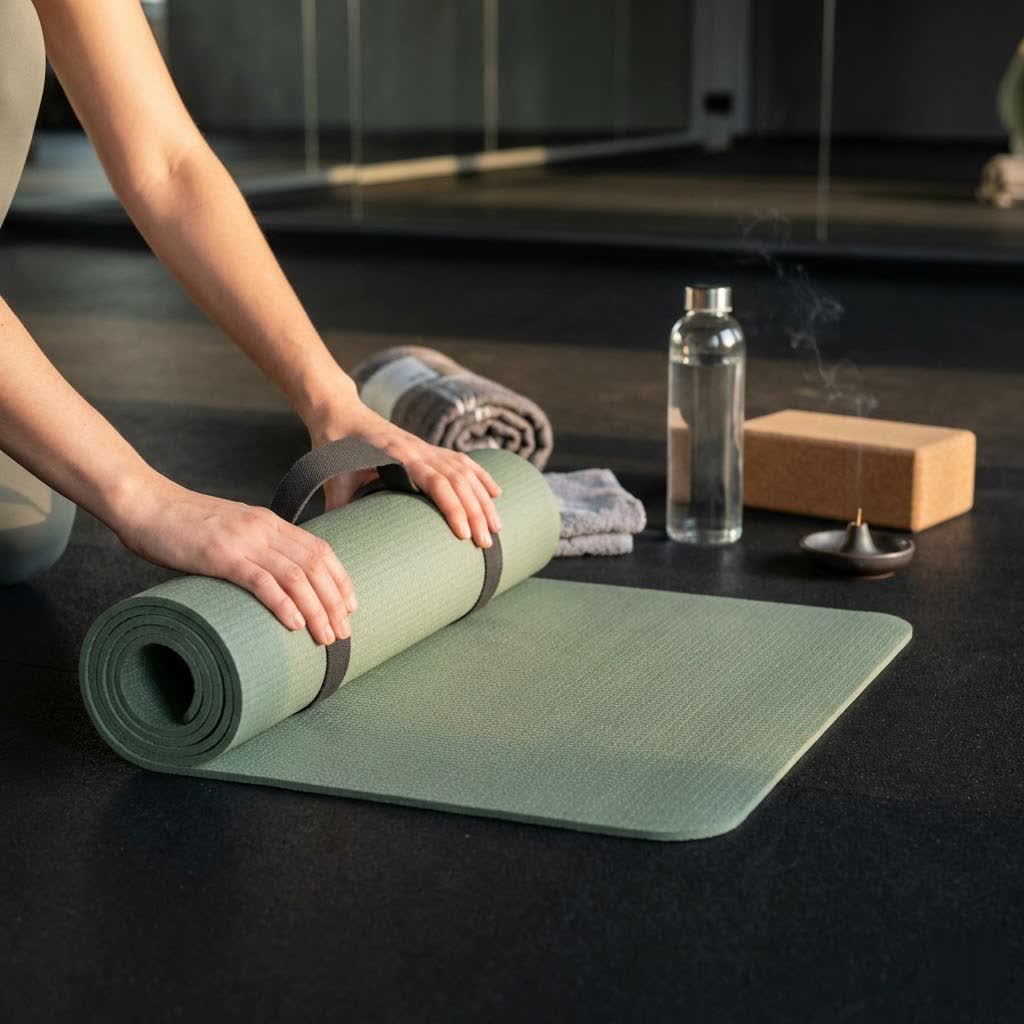
Stepping onto your yoga mat should feel like coming home, a supportive space where you can find balance, strength, and inner peace. But with countless options available, how do you choose the perfect one, especially when a brand like Nike, synonymous with athletic performance, enters the yoga space? Selecting the right yoga mat can significantly enhance your practice, providing the necessary grip, cushioning, and durability to support every pose and transition. This guide will navigate the world of Nike yoga mats, helping you understand their materials, features, and how to pick the ideal companion for your mindful movement journey.
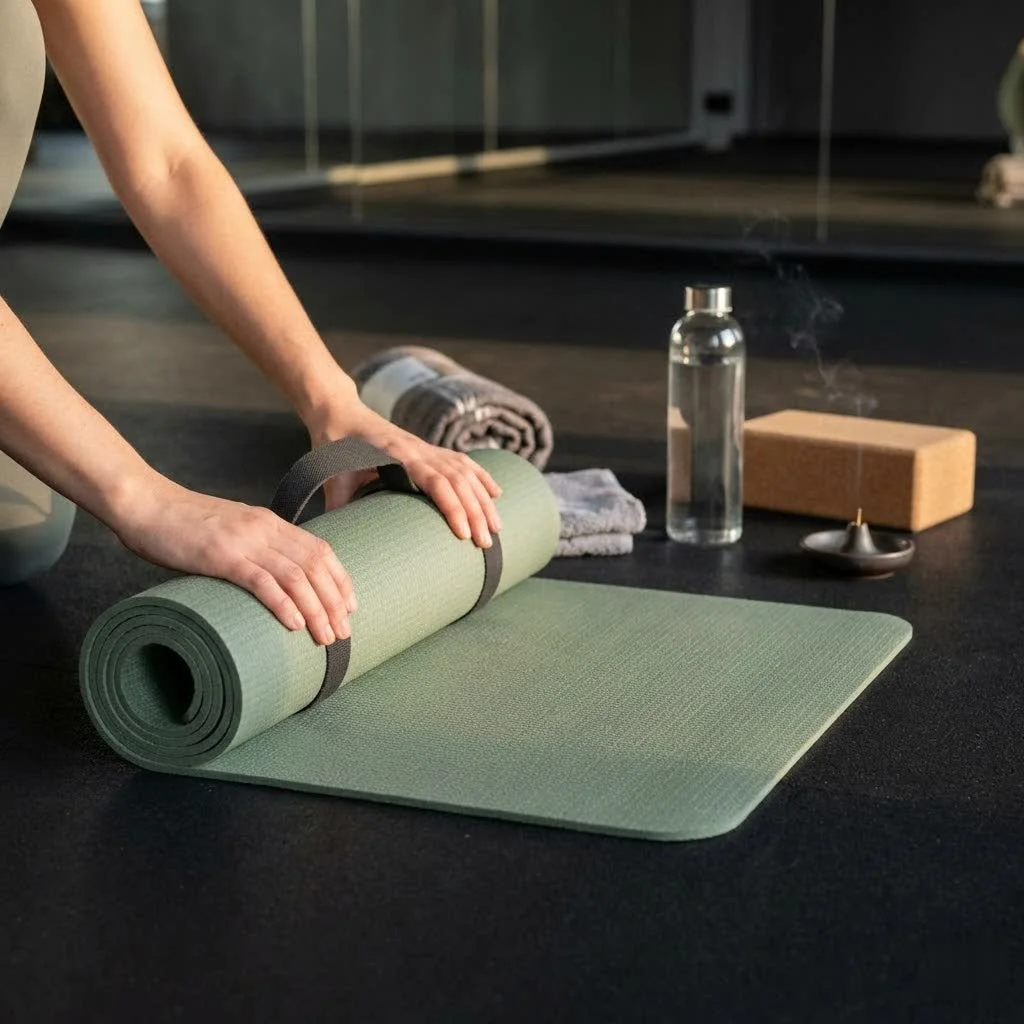
Choosing the Perfect Yoga Mat: An A-to-Z Guide
The right yoga mat is more than just a surface; it’s an integral part of your practice, offering a foundation for stability and comfort. An unsuitable mat can lead to discomfort, slipping, or even injury, detracting from the mental and physical benefits of yoga. Understanding the various types and their properties is key to making an informed decision.
Common Yoga Mat Materials and Nike’s Approach
Yoga mats come in a variety of materials, each offering a unique set of characteristics regarding grip, cushioning, durability, and environmental impact. Nike, a leader in athletic gear, primarily focuses on materials that balance performance with comfort, often incorporating recycled content into their designs.
- PVC (Polyvinyl Chloride): Traditionally, PVC has been a common material for yoga mats due to its stickiness and durability, often at an affordable price point. However, it’s known for containing phthalates, which raise environmental and health concerns. Nike generally favors more modern, environmentally conscious alternatives for their core yoga line.
- TPE (Thermoplastic Elastomer): This synthetic rubber polymer is a popular eco-friendly alternative to PVC. TPE mats are typically lightweight, recyclable, and offer good grip and cushioning. Nike utilizes TPE, often in blends, to achieve a balance of lightness, anti-odor properties, and a comfortable feel.
- Natural Rubber: Highly regarded for its exceptional grip, natural rubber provides a dense, stable, and highly sustainable surface for yoga. While heavier than other materials, its superior traction makes it a favorite for dynamic styles. Nike incorporates natural rubber, often with a unique “stone look,” into some of its premium mats, like the Mastery Yoga Mat, to enhance grip and tactile experience.
- Cork: Known for its natural antimicrobial properties and excellent grip, especially when wet, cork mats offer a unique, earthy feel. They are sustainable and durable but can sometimes be rougher to the touch than other materials. Nike does not widely feature cork in its primary yoga mat offerings, focusing instead on synthetic and rubber blends.
- Jute: Made from natural plant fibers, jute mats are eco-friendly and offer a rough, textured surface that can aid in grip. They are durable but may not provide as much cushioning as other materials. Like cork, jute is not a primary material for Nike yoga mats.
- Styrene-Butadiene-Styrene (SBS) and Polyester Foam: Some of Nike’s more accessible yoga mats, such as certain Fundamental or “Just Do It” styles, are constructed from closed-cell foam, typically a blend of SBS (95%) and polyester (5%). This closed-cell design is excellent for hygiene, preventing sweat and bacteria absorption, making these mats easy to clean and durable for general fitness and light yoga.
Detailed Comparison of Yoga Mat Materials and Nike’s Offerings
When selecting a yoga mat, the material is a critical factor influencing its performance, feel, and longevity. Here’s a comparative look at common yoga mat materials, highlighting how Nike’s selections stack up.
| Feature / Material | PVC | TPE | Natural Rubber | SBS/Polyester Foam (e.g., some Nike mats) |
|---|---|---|---|---|
| Grip (Dry/Wet) | Good dry, less consistent wet | Good dry, decent wet | Excellent dry & wet | Decent dry, less effective with heavy sweat |
| Cushioning | Medium to High | Medium | Medium to High (dense) | High (spongy) |
| Durability | High | Medium to High | High | Medium |
| Environmental Impact | Low (not biodegradable) | Medium (recyclable, often eco-friendly) | High (biodegradable, sustainable) | Medium (closed-cell for hygiene, but synthetic) |
| Weight | Medium to Heavy | Light | Heavy | Medium |
| Price Range | Low to Medium | Medium | High | Low to Medium |
| Nike’s Use | Not commonly in recent yoga lines | Yes (e.g., Mastery Mat blend) | Yes (e.g., Mastery Mat blend) | Yes (e.g., Fundamental, Training Mat 2.0) |
| Key Benefit | Cost-effective, very sticky | Eco-friendlier, lightweight, good balance | Superior grip, natural feel | Good cushioning, easy to clean, hygienic |
| Potential Drawback | Environmental concerns | Can be less durable than rubber | Strong rubber scent, heavier | May lack extreme grip for advanced poses |
Nike’s strategy involves leveraging TPE and natural rubber for premium mats like the Mastery, offering a blend of performance and eco-consciousness, while also providing foam options that deliver comfort and practicality for general fitness.
Guide to Choosing Your Ideal Nike Yoga Mat
Selecting a Nike yoga mat means considering their specific offerings and how they align with your practice style and personal preferences.
Thickness: The Foundation of Your Comfort
|
Our Picks for the Best Yoga Mat in 2026
As an Amazon Associate I earn from qualifying purchases.
|
||
| Num | Product | Action |
|---|---|---|
| 1 | Amazon Basics Extra Thick Exercise Yoga Mat with Carrying Strap |

|
| 2 | Amazon Basics Extra Thick Exercise Yoga Mat with Carrying Strap |
|
| 3 | Retrospec Solana Yoga Mat 1" Thick w/Nylon Strap for Men & Women - Non Slip Exercise Mat for Home Yoga, Pilates, Stretching, Floor & Fitness Workouts |
|
| 4 | Retrospec Solana Yoga Mat 1" Thick w/Nylon Strap for Men & Women - Non Slip Exercise Mat for Home Yoga, Pilates, Stretching, Floor & Fitness Workouts |
|
| 5 | Amazon Basics 1/4 Inch Thick TPE Exercise Yoga Mat with Carrying Strap |
|
| 6 | Retrospec Solana Yoga Mat 1" Thick w/Nylon Strap for Men & Women - Non Slip Exercise Mat for Home Yoga, Pilates, Stretching, Floor & Fitness Workouts |
|
| 7 | Retrospec Solana Yoga Mat 1" Thick w/Nylon Strap for Men & Women - Non Slip Exercise Mat for Home Yoga, Pilates, Stretching, Floor & Fitness Workouts |
|
| 8 | Retrospec Solana Yoga Mat 1" Thick w/Nylon Strap for Men & Women - Non Slip Exercise Mat for Home Yoga, Pilates, Stretching, Floor & Fitness Workouts |
|
| 9 | Retrospec Solana Yoga Mat 1" Thick w/Nylon Strap for Men & Women - Non Slip Exercise Mat for Home Yoga, Pilates, Stretching, Floor & Fitness Workouts |
|
| 10 | Amazon Basics Extra Thick Exercise Yoga Mat with Carrying Strap |
|
The thickness of your yoga mat directly impacts comfort, stability, and portability.
- 3-5mm: Mats in this range, such as the 4mm Nike Reversible Yoga Mat or the 5mm Nike Mastery Yoga Mat, are ideal if you desire a strong connection to the floor and appreciate portability. They offer sufficient cushioning for most practices while remaining lightweight and easy to transport. Experienced yogis who prioritize stability for intricate balancing poses often prefer thinner mats.
- 6-8mm: For those seeking more cushioning, particularly beginners or individuals with sensitive joints, an 8mm mat like the Nike Training Mat 2.0 or general Nike Yoga Mat offers enhanced comfort. This extra padding provides a softer surface for seated poses and protection during transitions, making your practice more enjoyable and sustainable. While offering excellent joint support, these thicker mats might feel slightly bulkier when rolled up compared to their thinner counterparts.
Grip: Staying Grounded in Every Pose
A reliable grip is paramount to a safe and effective yoga practice, preventing slips and allowing you to hold poses with confidence.
- Textured Surfaces: Many Nike mats feature textured surfaces designed to provide a decent grip, even during light perspiration. Look for descriptions that highlight enhanced traction.
- Natural Rubber Blends: The Nike Mastery Yoga Mat stands out with its natural rubber and TPE blend, offering a “grippy, non-slip surface” that performs well even as you work up a sweat. The natural rubber component is renowned for its excellent traction. Always test the mat to ensure it feels secure under your hands and feet on various surfaces.
Size: Finding Your Space
The dimensions of your mat should accommodate your body comfortably, allowing for full extension in poses without rolling off.
- Standard Dimensions: Most yoga mats are approximately 61 cm (24 inches) wide. For length, choose a mat that is at least as tall as you are, or even longer, to ensure you have enough space.
- Extended Length Options: The Nike Mastery Yoga Mat, for example, is notably longer than average at approximately 201 cm (79 inches) and 69 cm (27 inches) wide. This extra length can be a significant benefit for taller individuals or those who prefer more room to move.
Material: Performance Meets Sustainability
Nike uses specific materials to achieve their mats’ performance characteristics.
- TPE and Natural Rubber Blends: For premium performance, the Nike Mastery mat’s blend of TPE and natural rubber offers a great balance of grip, durability, and a lightweight, cool-to-the-touch feel, alongside anti-odor properties and often incorporating recycled content.
- Closed-Cell Foam (SBS/Polyester): For general use and hygiene, Nike’s closed-cell foam mats are easy to clean and resist moisture absorption, making them a practical choice for various workouts beyond just yoga. Consider your priorities: superior grip, eco-friendliness, or general cushioning and hygiene.
Budget: Investing in Your Practice
Nike offers yoga mats across a range of price points, reflecting different materials, features, and target uses.
- Entry-Level: Simpler foam mats typically fall into a lower price bracket, offering good value for beginners or casual practitioners.
- Mid-Range to Premium: Mats like the Nike Mastery, with its specialized blend of TPE and natural rubber and eco-conscious construction, command a higher price. Determine your budget beforehand, but remember that investing in a quality mat can significantly enhance your long-term practice and may save you money by lasting longer.
Essential Tips for Cleaning and Storing Your Nike Yoga Mat
Proper care extends the life of your mat, maintains hygiene, and ensures a fresh surface for every practice.
Cleaning After Every Session
Regular cleaning is crucial, especially if you perspire during practice.
- Wipe Down: Use a damp cloth to wipe down your mat after each use, removing sweat and surface dirt.
- Gentle Cleanser: For a deeper clean, consider a mild solution of water and a few drops of gentle dish soap in a spray bottle, or a specialized yoga mat cleaner. Lightly spray the mat and wipe it thoroughly with a clean cloth.
- Air Dry: Always allow your mat to fully air dry before rolling it up. This prevents moisture buildup, which can lead to odors and material degradation. The anti-odor construction in mats like the Nike Mastery also helps in this regard.
Proper Storage Techniques
How you store your mat can impact its shape and longevity.
- Roll, Don’t Fold: Always roll your mat loosely rather than folding it. Folding can create creases and damage the material over time. Roll it with the top surface facing outwards to help it lie flat more easily during your next practice.
- Avoid Direct Sunlight: Store your mat in a cool, dry place away from direct sunlight, which can cause materials like rubber to degrade, fade, and become brittle.
- Use a Strap or Bag: A yoga mat strap or bag can make transport easier and protect your mat from dust and damage when not in use. The Nike Training Mat 2.0 often comes with a carrying strap for convenience.
Top Nike Yoga Mats for Enhanced Practice
Nike has expanded its offerings to include several popular yoga mats designed to cater to various needs, blending athletic innovation with yogic principles. While Nike might be known more for general sports equipment, their yoga mats offer solid performance and distinct features.
- Nike Mastery Yoga Mat (5mm):
- Description: Often considered Nike’s premium yoga offering, the Mastery mat is crafted from a blend of natural rubber and TPE, with at least 20% recycled material. It features a unique “stone look” natural rubber surface that provides exceptional grip, even when wet. Its 5mm thickness offers a good balance of cushioning and stability, and it boasts anti-odor construction and an extended length (79″ x 27″).
- Ideal for: Dedicated yogis who prioritize superior grip, sustainable materials, and a lightweight, durable mat for a wide range of styles, especially Vinyasa or Hot Yoga.
“The Nike Mastery mat’s blend of TPE and natural rubber provides an outstanding balance of grip and comfort, making it a reliable choice for any practice.” – Sarah Chen, Certified Yoga Instructor
- Nike Training Mat 2.0 (8mm):
- Description: This versatile mat is thicker at 8mm, providing plush cushioning for various floor workouts, including yoga, Pilates, and HIIT. Made from a durable, textured foam (often SBS/polyester blend), it offers decent grip and joint protection. It’s designed for portability with an adjustable carrying strap.
- Ideal for: Individuals who engage in diverse floor exercises and need substantial cushioning. It’s a great all-rounder for beginners seeking comfort and anyone wanting a multi-purpose mat.
- Nike Reversible Yoga Mat (4mm):
- Description: A thinner, more compact option, this 4mm mat is often made from a comfortable, easy-to-clean foam material. Its reversible design often features different textures or colors on each side, offering versatility and a fresh look.
- Ideal for: Yogis who prefer a closer connection to the floor, value portability, and need a lightweight mat for travel or frequent studio visits. It’s also a good choice for those who want a simple, functional mat without excessive bulk.
- Nike Fundamental or JDI (Just Do It) Yoga Mat (often 8mm):
- Description: These mats are typically made from closed-cell foam (like the 95% SBS, 5% polyester blend) and provide generous 8mm cushioning. They are known for their easy-to-clean, hygienic surface that prevents dirt and bacteria absorption. While offering good general cushioning, the grip is decent for light to moderate practice.
- Ideal for: Beginners, casual practitioners, or those primarily focused on gentle yoga or stretching where maximum grip isn’t the top priority. Its durability and ease of cleaning make it a practical everyday mat.
Conclusion
Choosing the right Nike yoga mat is a personal journey, one that should align with your unique practice, preferences, and lifestyle. Whether you prioritize the exceptional grip and sustainable design of the Nike Mastery Mat, the plush comfort and versatility of the Nike Training Mat 2.0, or the portability of a thinner reversible option, Nike offers a range of choices to support your wellness goals. By considering factors like material, thickness, grip, and how you’ll use and care for your mat, you can confidently select a companion that helps you deepen your practice.
Remember, the best mat is the one that feels right under your hands and feet, allowing you to focus inward. Which Nike yoga mat do you envision becoming your steadfast partner on the path to greater mindfulness and movement?
Frequently Asked Questions
Is a Nike yoga mat good for hot yoga?
The Nike Mastery Yoga Mat, with its blend of natural rubber and TPE, offers a grippy surface that performs well even with perspiration. Its anti-odor construction and cool-to-the-touch feel make it a strong contender for hot yoga, where excellent traction is essential to maintain poses in sweaty conditions.
How do I clean my Nike yoga mat?
For general cleaning, wipe your Nike yoga mat with a damp cloth after each use. For a deeper clean, use a mild solution of water and gentle soap, then wipe thoroughly and allow it to air dry completely before rolling it up. Always avoid harsh chemicals to preserve the mat’s material.
What is the best thickness for a Nike yoga mat?
The ideal thickness depends on your needs. A 5mm mat like the Nike Mastery provides a good balance of cushioning and stability for various styles, while an 8mm mat (e.g., Nike Training Mat 2.0) offers superior joint protection, making it excellent for beginners or those with sensitivities. Thinner 3-4mm mats prioritize portability and ground connection.
Are Nike yoga mats eco-friendly?
Many Nike yoga mats, particularly the Nike Mastery, are designed with sustainability in mind, incorporating at least 20% recycled materials and using eco-friendlier materials like TPE and natural rubber. While not all Nike mats are fully biodegradable, they often represent a more sustainable choice compared to traditional PVC mats.
Can I use a Nike training mat for yoga?
Yes, you can certainly use a Nike training mat for yoga. Mats like the Nike Training Mat 2.0 are designed to be versatile, offering substantial cushioning and a textured surface suitable for a range of floor exercises, including yoga, Pilates, and stretching. Just ensure the grip and thickness meet your specific yoga practice requirements.
Get our weekly buyer guide
Practical specs, not advice. Unsubscribe anytime.
