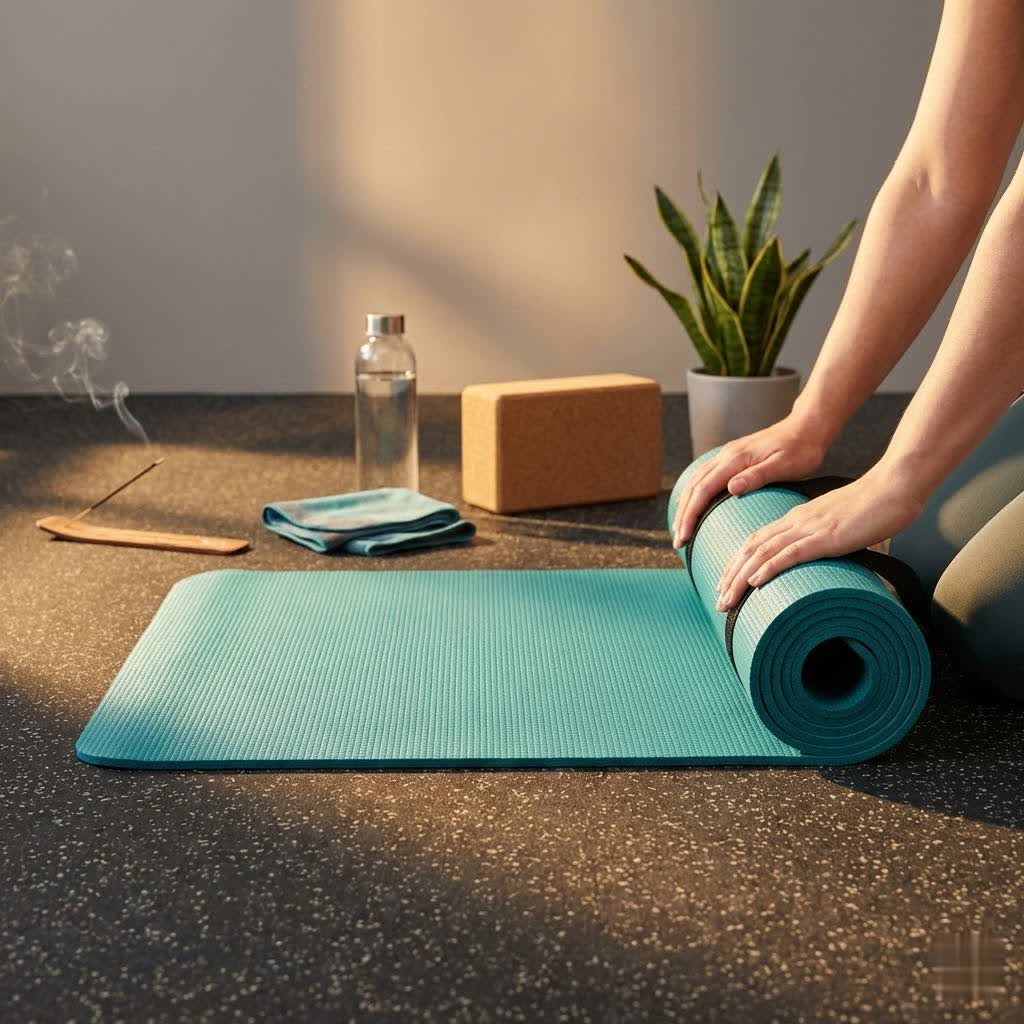
Choosing the right yoga mat is a foundational step in establishing a comfortable and effective practice, yet it’s a decision often made without deep consideration. Beyond just color and texture, the material of your mat profoundly impacts your experience, joint support, and even your long-term health. While a vast array of options exists, understanding the nuances of each material, especially the widely available PVC, is crucial for making an informed choice that aligns with your practice and values.
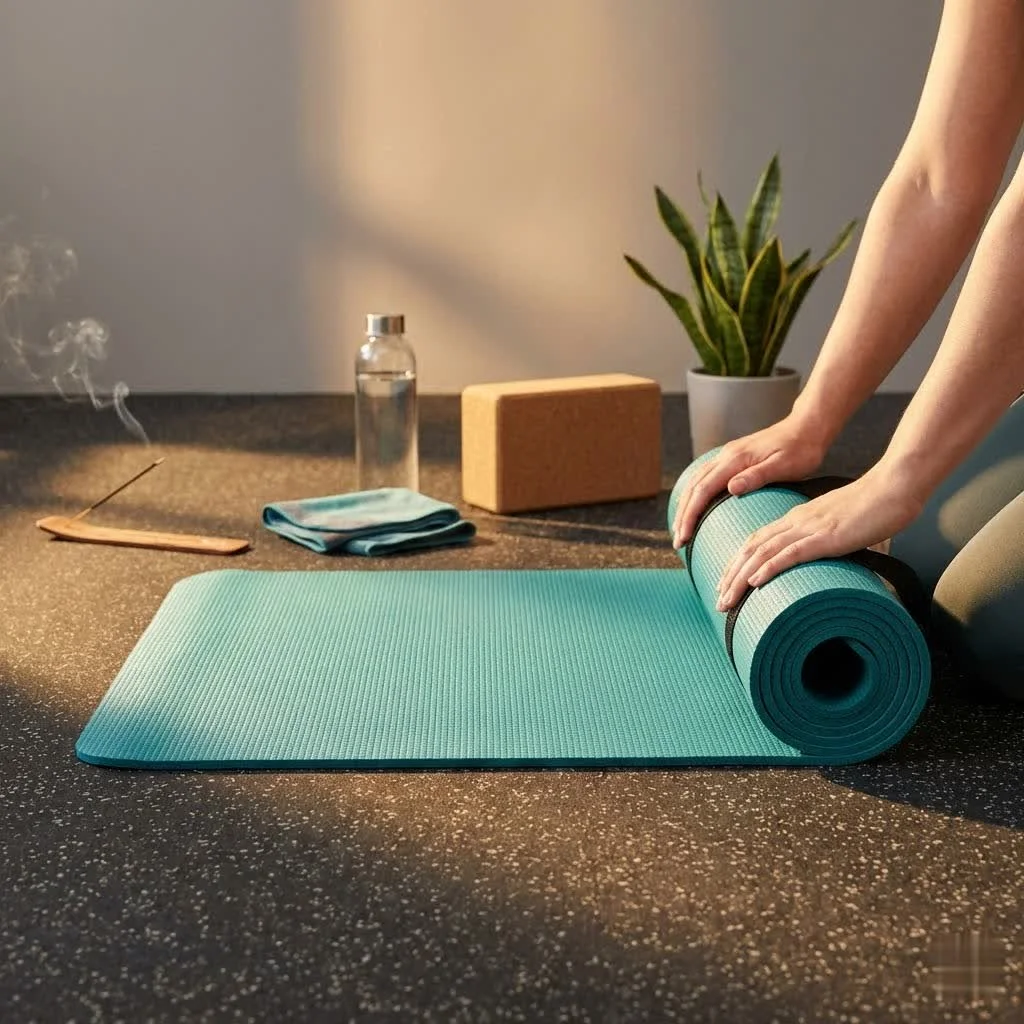
Understanding Yoga Mat Materials
The market offers diverse yoga mat materials, each with unique characteristics. Polyvinyl Chloride (PVC) mats have long been a popular choice, but a deeper look reveals both practical benefits and significant concerns.
PVC Yoga Mats: The Pros and Cons
PVC, or polyvinyl chloride, is a synthetic plastic polymer that has historically dominated the yoga mat industry. Its manufacturing process involves combining chlorine, derived from saltwater, with ethylene from petroleum, then adding various functional additives like heat stabilizers, lubricants, and plasticizers to achieve specific properties such as color, clarity, and most importantly, flexibility.
Advantages:
- Affordability: PVC mats are typically the least expensive option, making them an accessible entry point for beginners or those on a budget.
- Durability: Known for their robust nature, PVC mats can withstand extensive use and last for many years with proper care.
- Good Dry Grip and Elasticity: When dry, PVC mats offer reliable traction. Their inherent elasticity provides good cushioning and stability, which can be beneficial for supporting joints during various poses.
Disadvantages and Health Concerns:
Despite their widespread use, PVC yoga mats come with a notable list of health and environmental drawbacks:
- Toxicity: PVC is considered toxic both during its manufacturing process and through prolonged exposure.
- Off-gassing: New PVC mats often emit a distinct “plastic” odor, which indicates the release of volatile organic compounds (VOCs). More concerningly, in hot environments, such as during hot yoga or when exposed to direct sunlight outdoors, PVC mats may release more toxic substances into the air.
- Plasticizers (Phthalates): To achieve their characteristic flexibility, PVC mats incorporate plasticizers. The most common of these are phthalates, which are endocrine disruptors. These chemicals are not chemically bound to the PVC and can leach out, contaminating the air and skin. Phthalates have been linked to a range of serious health issues, including birth defects, asthma, neurodevelopmental problems, fertility issues, obesity, and certain cancers. Even products labeled “phthalate-free” may use alternative plasticizers with limited safety data.
- Carcinogens: The primary component of PVC, vinyl chloride, is classified as a human carcinogen by the European Chemicals Agency and the World Health Organization’s International Agency for Research on Cancer (IARC Group 3). Furthermore, heavy metals like lead and cadmium, sometimes used as heat stabilizers in PVC, are also associated with various health problems and classified as probable or definite carcinogens.
- Environmental Impact: PVC is far from eco-friendly. It is non-biodegradable, meaning it will persist in landfills for hundreds of years. Both its production and disposal (especially incineration) can release highly toxic byproducts, including carcinogenic dioxins, which are persistent organic pollutants harmful to the environment and human health.
- Slippery When Wet: One functional disadvantage of PVC mats is their closed-cell surface structure. While providing good dry grip, this structure means sweat pools on the surface, making the mat slippery during intense or sweaty practices.
Alternatives to PVC Yoga Mats
|
Our Picks for the Best Yoga Mat in 2026
As an Amazon Associate I earn from qualifying purchases.
|
||
| Num | Product | Action |
|---|---|---|
| 1 | Amazon Basics Extra Thick Exercise Yoga Mat with Carrying Strap |

|
| 2 | Amazon Basics Extra Thick Exercise Yoga Mat with Carrying Strap |
|
| 3 | Amazon Basics 1/4 Inch Thick TPE Exercise Yoga Mat with Carrying Strap |
|
| 4 | Retrospec Solana Yoga Mat 1" Thick w/Nylon Strap for Men & Women - Non Slip Exercise Mat for Home Yoga, Pilates, Stretching, Floor & Fitness Workouts |
|
| 5 | Retrospec Solana Yoga Mat 1" Thick w/Nylon Strap for Men & Women - Non Slip Exercise Mat for Home Yoga, Pilates, Stretching, Floor & Fitness Workouts |
|
| 6 | Retrospec Solana Yoga Mat 1" Thick w/Nylon Strap for Men & Women - Non Slip Exercise Mat for Home Yoga, Pilates, Stretching, Floor & Fitness Workouts |
|
| 7 | Retrospec Solana Yoga Mat 1" Thick w/Nylon Strap for Men & Women - Non Slip Exercise Mat for Home Yoga, Pilates, Stretching, Floor & Fitness Workouts |
|
| 8 | Retrospec Solana Yoga Mat 1" Thick w/Nylon Strap for Men & Women - Non Slip Exercise Mat for Home Yoga, Pilates, Stretching, Floor & Fitness Workouts |
|
| 9 | Amazon Basics Extra Thick Exercise Yoga Mat with Carrying Strap |
|
| 10 | Retrospec Solana Yoga Mat 1" Thick w/Nylon Strap for Men & Women - Non Slip Exercise Mat for Home Yoga, Pilates, Stretching, Floor & Fitness Workouts |
|
Given the concerns surrounding PVC, many practitioners seek healthier and more environmentally conscious alternatives.
- TPE (Thermoplastic Elastomer): TPE mats represent a balance between safety and affordability. They are relatively safer and non-toxic compared to PVC, often odorless, eco-friendly, and recyclable. TPE offers good elasticity and rebound, making them lightweight and portable. However, their anti-slip performance can be average, and like PVC, they are still a plastic and not ideal for high-temperature environments.
- Natural Rubber: Derived from the sap of rubber trees, natural rubber mats are celebrated for being non-toxic, odorless, and highly eco-friendly—100% recyclable and biodegradable. They boast exceptional anti-slip properties and stability, performing well even when wet. The downside is their higher price point, increased weight, and unsuitability for individuals with latex allergies.
- Cork: Cork mats are a natural, sustainable, and antimicrobial option. They offer excellent grip, which often improves when wet, making them popular for sweaty practices. Cork mats are generally durable and aesthetically pleasing.
- Jute/Cotton: These natural fiber mats are environmentally friendly and durable. Jute provides a rougher texture for enhanced grip, while cotton mats offer a more natural, fabric-like feel. They may offer less cushioning than synthetic or rubber options.
Detailed Comparison of Yoga Mat Materials
To help you discern the best fit for your practice, here is a comparative overview of common yoga mat materials:
| Feature | PVC Yoga Mats | TPE Yoga Mats | Natural Rubber Yoga Mats |
|---|---|---|---|
| Material | Polyvinyl Chloride, various additives | Thermoplastic Elastomer | Natural tree sap |
| Safety | Potentially toxic, carcinogens, phthalates | Relatively safe, non-toxic, odorless | Non-toxic, odorless, natural |
| Eco-Friendliness | Not recyclable, difficult to decompose, toxic byproducts | Recyclable, eco-friendly | 100% recyclable, biodegradable, eco-friendly |
| Durability | Highly durable, long-lasting | Good elasticity and rebound | Very durable with strong grip |
| Grip (Dry) | Good | Average | Exceptional |
| Grip (Wet/Sweat) | Slippery | Average | Excellent |
| Cushioning | Good, varies by thickness | Good elasticity, provides comfort | Excellent rebound elasticity, supportive |
| Price | Lowest | Medium | Highest |
| Target Users | Beginners on a budget | Beginners to intermediate, health-conscious, moderate budget | Intermediate to advanced, eco-conscious, non-allergic, higher budget |
| High-Temp Use (Hot Yoga) | Not recommended (toxin release, slipperiness) | Not recommended (still plastic) | Good (often performs better with sweat) |
How to Choose the Right Yoga Mat
Selecting your ideal yoga mat involves considering several personal and practical factors.
Thickness
The thickness of your mat directly influences comfort, stability, and portability.
- 3-5mm: Thinner mats are great for portability and allow for a stronger connection to the floor, often preferred by experienced yogis who prioritize stability over excessive cushioning.
- 6-8mm: Thicker mats provide enhanced cushioning and joint protection, making them ideal for beginners, individuals with sensitive joints, or practices that involve prolonged floor work.
Grip
A reliable grip is paramount for safety and stability, preventing slips and slides, especially during dynamic flows or inversions. Look for mats known for superior traction, such as those made from natural rubber or cork, particularly if you tend to sweat during your practice.
Size
Your mat should comfortably accommodate your entire body. While standard mats are usually 61cm wide, longer and wider options are available for taller individuals or those who prefer more space for movement.
Material Choice
This is where your priorities for health, performance, and environmental impact come into play. Prioritize materials certified as non-toxic and eco-friendly. Given the concerns with PVC, exploring alternatives like natural rubber, TPE, or cork is highly recommended for a healthier practice.
Budget
Yoga mats are available across a wide price spectrum. PVC mats are the most economical, while TPE mats offer a mid-range solution. Natural rubber and cork mats generally represent a higher investment, but often come with superior performance, longevity, and environmental benefits.
Care and Maintenance Tips
Proper care can extend the life of your yoga mat and maintain its hygienic quality.
- Clean Regularly: After each practice, wipe your mat down with a damp cloth to remove sweat and dirt. For a deeper clean, use a specialized yoga mat cleaner or a gentle solution of mild soap and water.
- Proper Storage: Always roll your mat loosely after use to prevent creases and allow it to air dry completely before storing. Keep it in a cool, dry place, away from direct sunlight, which can degrade certain materials, especially natural rubber.
- Airing Out: If you purchase a new mat, particularly a PVC one, it’s advisable to unroll it and let it air out in a well-ventilated area for several days. This helps to dissipate any initial odors and reduce the concentration of volatile organic compounds.
Conclusion
The journey to finding your perfect yoga mat is a deeply personal one, guided by the unique demands of your practice and your commitment to personal well-being and environmental stewardship. While PVC mats offer an affordable and durable option, the growing awareness of their potential health and environmental drawbacks urges us to explore safer alternatives. Materials like TPE, natural rubber, and cork provide excellent performance with significantly reduced risks, offering peace of mind as you deepen your connection to mind, body, and breath. Investing in a high-quality, non-toxic mat is not merely a purchase; it’s an investment in a healthier, more grounded practice.
What qualities do you value most in your yoga mat, and how do they inform your choice for a mindful and sustainable practice?
Frequently Asked Questions
Are PVC yoga mats truly toxic?
PVC mats can indeed release toxic substances like phthalates and carcinogens, especially when new or subjected to heat. Although direct health impacts from typical regular use are difficult to definitively quantify, many health-conscious sources advise caution and recommend exploring alternative materials.
How often should I replace my yoga mat?
Generally, it’s recommended to replace your yoga mat every 6-12 months, particularly for PVC mats, as they may continue to off-gas and degrade over time. More durable, eco-friendly mats made from natural rubber or cork can last much longer with consistent and proper care.
What does “phthalate-free” mean for a PVC mat?
“Phthalate-free” on a PVC mat signifies that specific harmful plasticizers (phthalates) have been intentionally excluded from its composition. However, manufacturers may use alternative plasticizers whose long-term safety profiles might be less thoroughly researched, meaning “phthalate-free” does not automatically guarantee a completely non-toxic product. Always consider inquiring about the substitute materials used.
Get our weekly buyer guide
Practical specs, not advice. Unsubscribe anytime.
