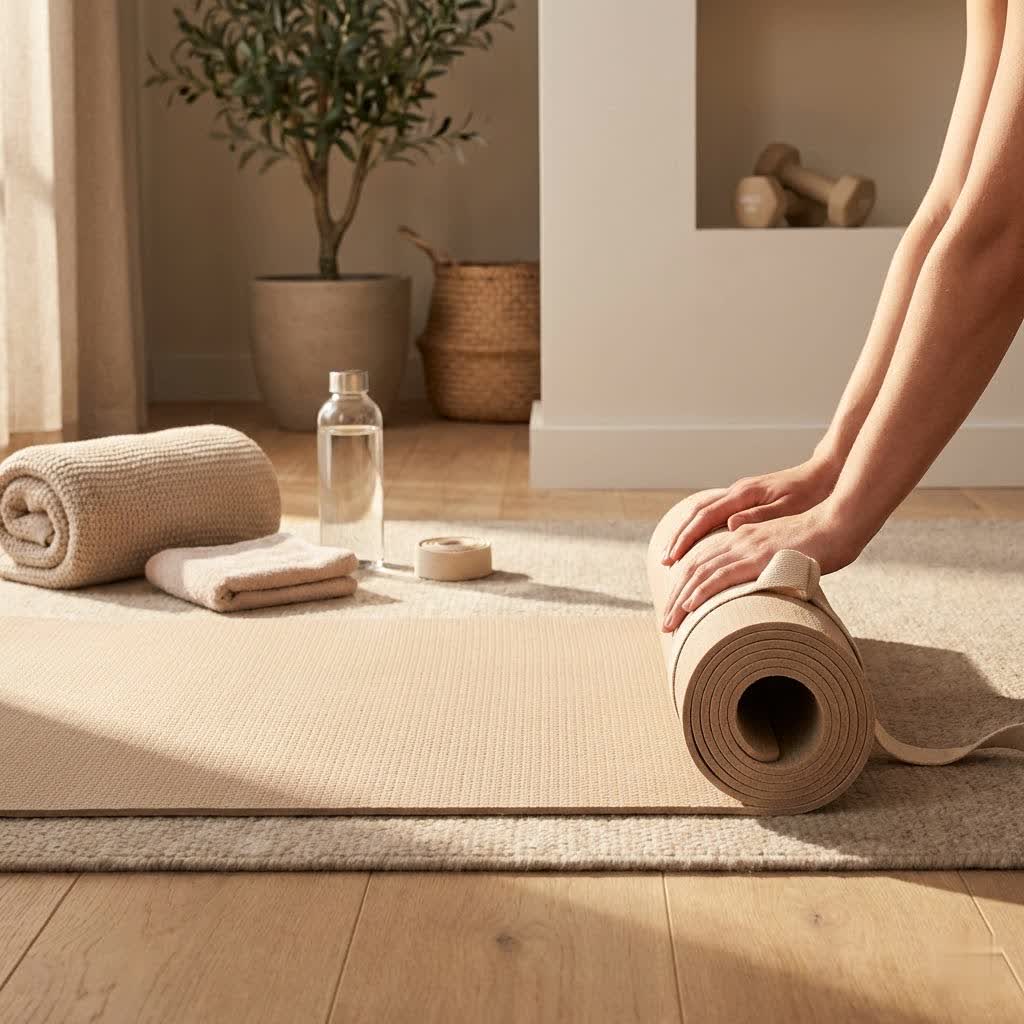
Stepping onto your yoga mat marks the beginning of a journey—a journey towards self-awareness, strength, and tranquility. But have you ever considered if your mat truly supports this path, both for your practice and the planet? Choosing the right yoga mat is a pivotal decision that impacts not only your comfort and safety during poses but also your contribution to environmental well-being. This comprehensive guide delves into thermoplastic elastomer (TPE) yoga mats, an increasingly popular choice that balances performance with eco-consciousness, helping you find the perfect foundation for your unique yoga experience.
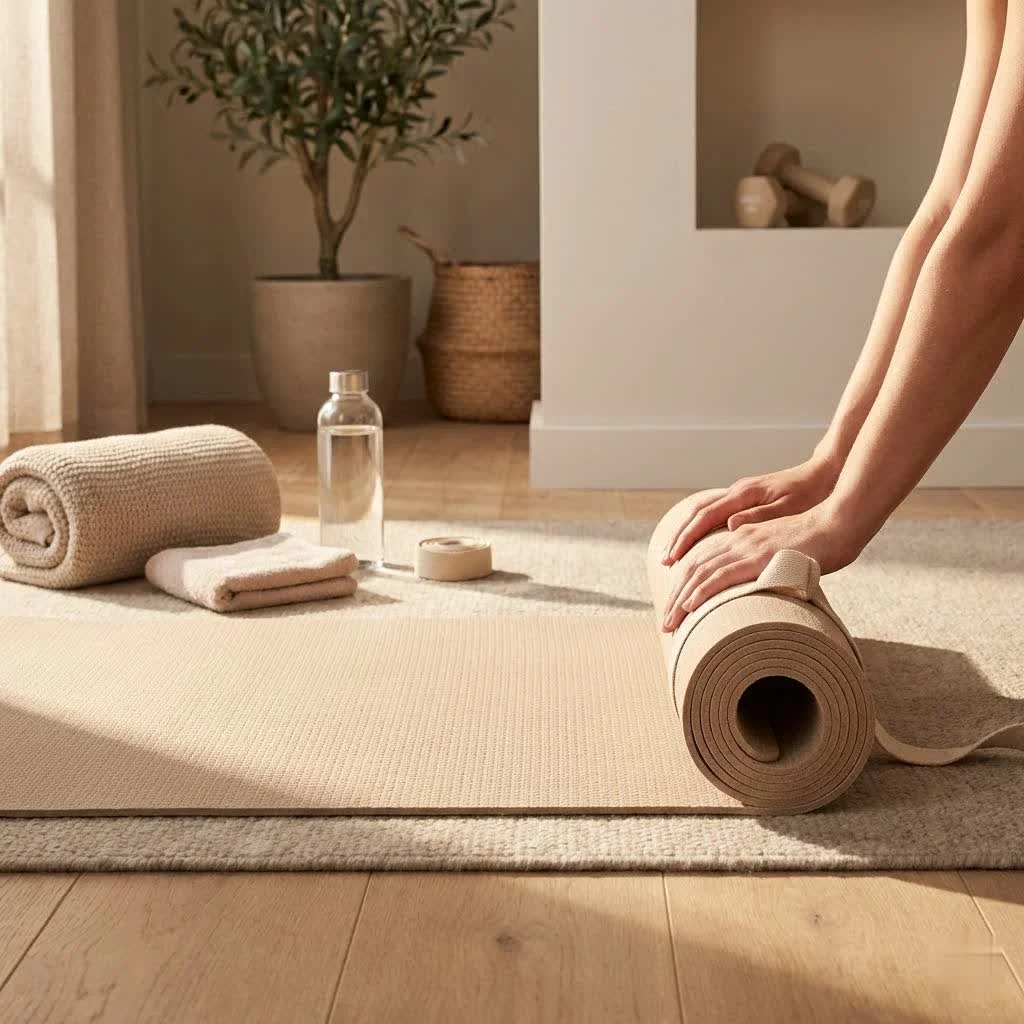
Understanding the Thermoplastic Elastomer Yoga Mat
Thermoplastic Elastomer, or TPE, represents a modern innovation in yoga mat materials. It is a polymer blend that combines the advantageous properties of both plastic and rubber, offering a unique set of characteristics that appeal to many yogis. Unlike traditional PVC mats, TPE mats are often lauded for their commitment to environmental responsibility, being free from many of the harsh chemicals associated with other synthetic materials. This hybrid nature provides a mat that is generally lightweight, flexible, and offers a good balance of cushioning and grip, making it a versatile option for various yoga styles and practitioners. For compare top yoga mat on this site.
The Rise of TPE: Why It Matters for Your Practice
TPE mats are gaining significant traction in the yoga community, and for good reason. They are specifically engineered to provide a safe, comfortable, and conscious practice space. For instance, their closed-cell structure is a notable advantage, as it prevents the absorption of moisture, sweat, and bacteria. This feature is particularly beneficial for practitioners of hot yoga or those who sweat profusely, ensuring a more hygienic surface and preventing unpleasant odors from developing over time. Beyond hygiene, the material’s inherent flexibility allows for excellent cushioning, protecting joints during challenging poses, while still maintaining the stability needed for balance.
Common Yoga Mat Materials: A Comparative Look
When selecting a yoga mat, the material is paramount. It dictates the mat’s feel, grip, durability, and environmental impact. Understanding the differences between common materials can help you make an informed choice tailored to your needs.
TPE Yoga Mats: A Balanced Choice
TPE yoga mats offer a compelling blend of features that make them an attractive option.
-
Pros:
- Eco-Friendly Claims: Often biodegradable and recyclable, TPE mats are generally considered more sustainable than PVC. They are produced with less energy and aim to be free from harmful substances like phthalates and latex.
- Non-Toxic & Hypoallergenic: Many TPE mats are free of PVC, latex, and other heavy metals, making them a safer choice for individuals with sensitive skin or allergies.
- Excellent Grip & Cushioning: TPE provides a good balance of traction and comfort, offering sufficient grip for various poses and cushioning to protect your joints.
- Lightweight & Portable: These mats are typically lighter than natural rubber mats, making them easy to carry to and from classes.
- Odor-Resistant: The closed-cell nature helps prevent the absorption of sweat and odors, leading to a fresher mat.
- Durable: TPE mats demonstrate good resistance to wear and stretching under regular use, maintaining their shape over time.
-
Cons:
- Durability Variances: While generally durable, some TPE mats may not be as long-lasting as high-quality natural rubber mats, potentially showing signs of wear or breaking down over extended periods.
- Slippery When Very Wet (for some): Despite good general grip, some users report TPE mats can become slippery during exceptionally sweaty practices, though this can vary by product.
- Cost: TPE mats are typically more expensive than PVC options, though often more affordable than premium natural rubber mats.
- Composition Transparency: Concerns have been raised regarding the transparency of TPE composition, as it’s a blend, and not all manufacturers fully disclose specific ingredients, leading to questions about actual eco-friendliness in some cases.
PVC Yoga Mats: The Traditional (and Problematic) Option
|
Our Picks for the Best Yoga Mat in 2026
As an Amazon Associate I earn from qualifying purchases.
|
||
| Num | Product | Action |
|---|---|---|
| 1 | Retrospec Solana Yoga Mat 1" Thick w/Nylon Strap for Men & Women - Non Slip Exercise Mat for Home Yoga, Pilates, Stretching, Floor & Fitness Workouts |

|
| 2 | Amazon Basics Extra Thick Exercise Yoga Mat with Carrying Strap |
|
| 3 | Retrospec Solana Yoga Mat 1" Thick w/Nylon Strap for Men & Women - Non Slip Exercise Mat for Home Yoga, Pilates, Stretching, Floor & Fitness Workouts |
|
| 4 | Retrospec Solana Yoga Mat 1" Thick w/Nylon Strap for Men & Women - Non Slip Exercise Mat for Home Yoga, Pilates, Stretching, Floor & Fitness Workouts |
|
| 5 | Amazon Basics Extra Thick Exercise Yoga Mat with Carrying Strap |
|
| 6 | Retrospec Solana Yoga Mat 1" Thick w/Nylon Strap for Men & Women - Non Slip Exercise Mat for Home Yoga, Pilates, Stretching, Floor & Fitness Workouts |
|
| 7 | Amazon Basics 1/4 Inch Thick TPE Exercise Yoga Mat with Carrying Strap |
|
| 8 | Retrospec Solana Yoga Mat 1" Thick w/Nylon Strap for Men & Women - Non Slip Exercise Mat for Home Yoga, Pilates, Stretching, Floor & Fitness Workouts |
|
| 9 | Amazon Basics Extra Thick Exercise Yoga Mat with Carrying Strap |
|
| 10 | Retrospec Solana Yoga Mat 1" Thick w/Nylon Strap for Men & Women - Non Slip Exercise Mat for Home Yoga, Pilates, Stretching, Floor & Fitness Workouts |
|
Polyvinyl Chloride (PVC) mats have been a staple in yoga studios for decades due to their affordability and widespread availability.
- Pros: Very affordable, widely available, durable in terms of wear and tear, and often provide a good initial grip.
- Cons: PVC is notoriously bad for the environment. It’s not biodegradable or easily recyclable, and its production can release harmful chemicals like dioxins and phthalates, posing environmental and potential health risks. They can also become slippery with sweat and often have a distinct chemical odor.
Natural Rubber Yoga Mats: The Earthy Alternative
Natural rubber mats are highly prized for their strong grip and eco-friendly attributes.
- Pros: Offers exceptional non-slip traction, even in sweaty conditions. They are made from a renewable resource, biodegradable, and generally free of harmful synthetic chemicals. Provides excellent density and cushioning.
- Cons: Can be heavier and more expensive than TPE or PVC mats. They often have a strong, distinct rubber smell that can linger for some time. Individuals with latex allergies should avoid natural rubber.
Other Eco-Conscious Materials
- Cork: Naturally antimicrobial and offers excellent grip, especially when wet, as the moisture increases its traction. They are durable and eco-friendly but can have a firmer, rougher surface.
- Jute: Made from plant fibers, jute mats are eco-friendly and durable, offering a textured surface for grip. They can be rougher than other materials and may require a synthetic backing for stability.
Choosing Your Ideal TPE Yoga Mat: Key Considerations
Selecting the perfect TPE yoga mat involves more than just picking a color. Consider these factors to ensure your mat aligns with your practice and preferences.
-
Thickness: The thickness of your mat significantly impacts comfort and connection to the floor.
- 3-5mm: Ideal for experienced yogis who prefer a strong connection to the ground and appreciate portability. These thinner mats offer stability for balancing poses.
- 6-8mm: Best for beginners, individuals with sensitive joints, or those seeking extra cushioning and support. This thickness provides more padding, which can be particularly beneficial for poses involving knees or elbows on the mat.
-
Grip (Traction): A reliable grip is crucial to prevent slipping and injury, especially during dynamic or sweaty practices. Look for TPE mats with textured surfaces or those specifically marketed for enhanced non-slip properties. While TPE generally offers good grip, individual experiences can vary, so consider reviews regarding wet grip if you practice hot yoga.
-
Size: Standard yoga mats are typically 68 inches long and 24 inches wide. However, if you are taller or prefer more space, consider longer (up to 72 or 80 inches) or wider mats to comfortably accommodate your full body during stretches and poses.
-
Material Composition & Certifications: Given the varying nature of TPE, prioritize mats from reputable brands that provide transparency about their materials. Look for certifications that confirm the mat is free from PVC, phthalates, latex, and other heavy metals, reinforcing its non-toxic and eco-friendly claims.
-
Budget: TPE mats generally fall into a mid-range price bracket, offering a good balance between the affordability of PVC and the higher cost of premium natural rubber. Determine your budget beforehand, knowing that many excellent TPE options are available across different price points.
Maintaining Your TPE Yoga Mat for Longevity
Proper care extends the life of your TPE yoga mat and ensures a hygienic practice space.
- Wipe After Every Practice: After each session, especially if you’ve sweated, use a damp cloth to wipe down your mat. A mixture of water and a few drops of mild soap or a specialized yoga mat cleaner can effectively remove sweat and surface dirt.
- Deep Cleaning: For a more thorough cleaning, periodically spray your mat with a diluted solution of white vinegar and water (1:1 ratio) or a commercial mat cleaner, then wipe it clean with a soft cloth and allow it to air dry completely before rolling.
- Proper Storage: Always roll your mat loosely after use, rather than folding it, to prevent creases and damage. Store it in a cool, dry place, away from direct sunlight, which can cause the material to degrade or become brittle over time. Avoid leaving it in a hot car.
Qualities of Top-Rated TPE Yoga Mats
While specific brand recommendations can change, the hallmarks of an excellent TPE yoga mat remain consistent. When seeking a high-quality TPE mat, prioritize those that consistently receive positive feedback for their:
- Exceptional Durability: Mats that withstand frequent use without showing premature signs of wear, tearing, or loss of shape.
- Reliable Non-Slip Surface: Look for mats that maintain superior grip, even through more intense or sweaty practices, ensuring stability and safety in every pose.
- Optimal Cushioning: A mat that provides ample joint protection without compromising balance or making you feel disconnected from the floor.
- Verified Eco-Friendliness: Mats from manufacturers transparent about their TPE composition, highlighting non-toxic, latex-free, and potentially recyclable attributes.
- Lightweight Design: Easy portability for those who practice away from home, often accompanied by a convenient carrying strap.
Conclusion
Choosing the right yoga mat is a deeply personal decision that influences the quality and enjoyment of your practice. Thermoplastic Elastomer (TPE) yoga mats offer an compelling solution, blending the crucial elements of eco-consciousness with high-performance features. With their non-toxic composition, good grip, comforting cushioning, and lightweight design, TPE mats provide a supportive and sustainable foundation for yogis of all levels. By considering factors like thickness, grip, and material transparency, you can confidently select a TPE mat that not only enhances your yoga journey but also aligns with your commitment to a healthier planet.
Embrace the mindful choice of a TPE yoga mat and experience the difference a truly supportive surface can make in deepening your practice. What qualities do you value most in your perfect yoga mat?
Frequently Asked Questions
What makes TPE yoga mats “eco-friendly” compared to other mats?
TPE mats are often considered more eco-friendly because they are typically produced without PVC or latex, are biodegradable, and can be recyclable, reducing their environmental footprint. This contrasts sharply with traditional PVC mats, which are derived from petroleum and are neither biodegradable nor easily recyclable, contributing to landfill waste and potential chemical release.
Are TPE yoga mats suitable for hot yoga?
Yes, TPE yoga mats can be suitable for hot yoga. Their closed-cell structure prevents moisture absorption, which helps inhibit bacterial growth and odor. However, some individual TPE mats may become slightly slippery with excessive sweat, so checking user reviews specifically for hot yoga performance is advisable.
How do TPE mats compare in durability to natural rubber mats?
TPE mats are generally durable and resistant to stretching and tearing. However, high-quality natural rubber mats are often considered superior in terms of long-term resilience and wear-and-tear under very heavy use, though TPE offers a good balance for most practitioners.
Can TPE yoga mats cause allergies?
TPE mats are often marketed as hypoallergenic because they are typically free of latex and PVC, which are common allergens. This makes them a preferred choice for individuals with sensitivities or allergies to these materials.
What is the best way to store a TPE yoga mat?
To maintain the integrity and extend the lifespan of your TPE yoga mat, always roll it up loosely after use and store it in a cool, dry place. Avoid direct sunlight, which can degrade the material, and refrain from folding it tightly, as this can create permanent creases.
Get our weekly buyer guide
Practical specs, not advice. Unsubscribe anytime.
