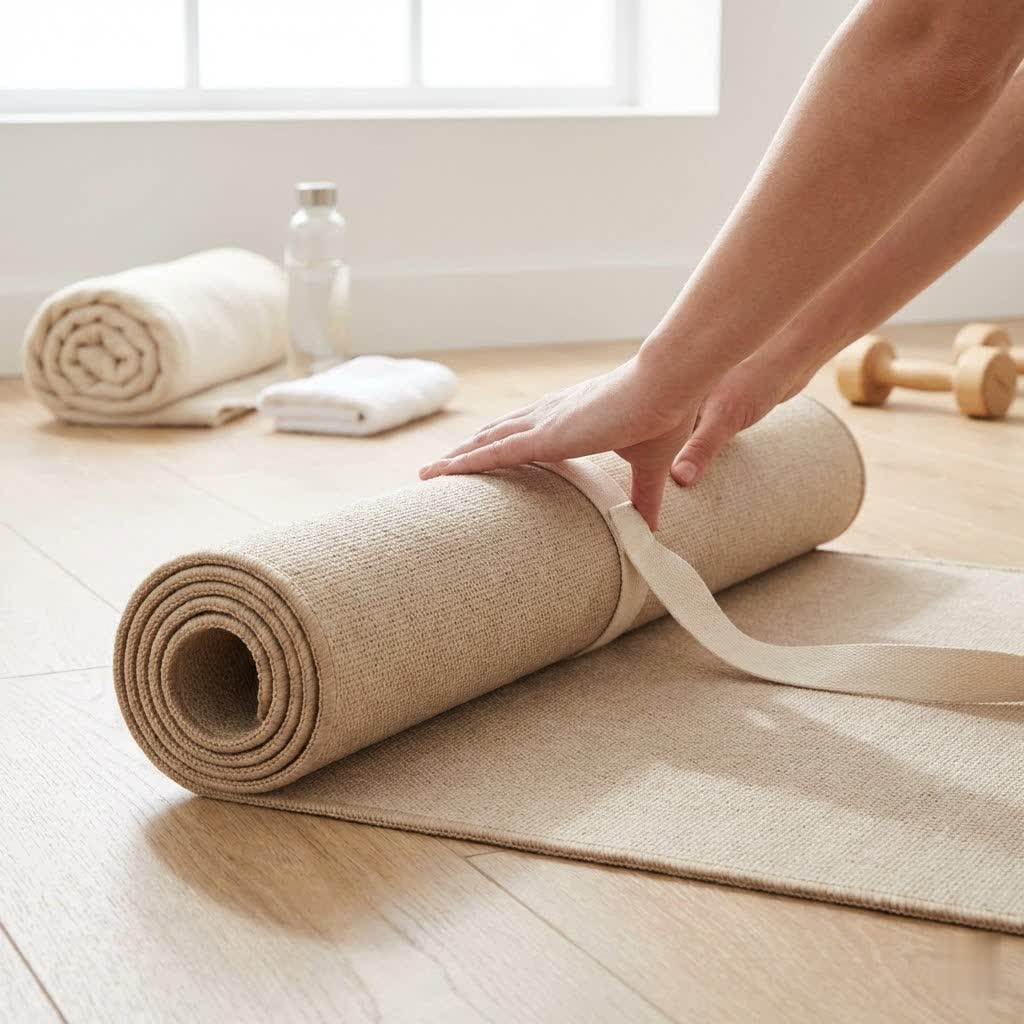
Carrying a yoga mat to and from practice often feels like an awkward dance, a bulky cylinder tucked precariously under an arm as you juggle keys, a water bottle, and a phone. This common struggle highlights why a dedicated yoga mat carry bag is far more than a simple accessory; it’s a vital piece of gear that enhances your entire yoga experience. A well-chosen bag provides crucial protection for your mat, maintains hygiene, simplifies transport, and keeps all your essentials organized, allowing you to arrive at your practice feeling centered and prepared. This comprehensive guide will walk you through everything you need to know, from understanding different bag types to identifying key features and making the best choice for your unique yoga journey.
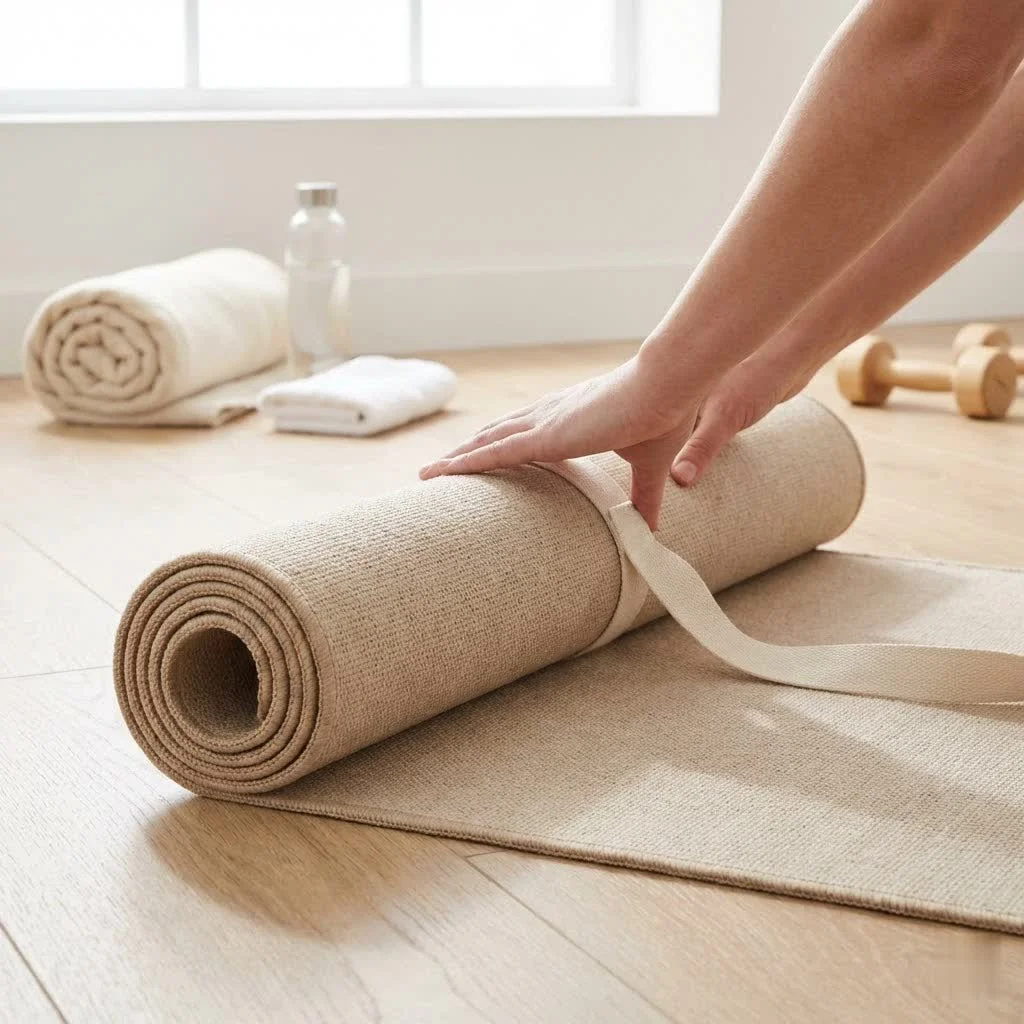
Why a Yoga Mat Carry Bag is More Than Just a Bag
A yoga mat carry bag serves multiple essential functions beyond merely holding your mat. Firstly, it protects your mat from dirt, dust, moisture, and potential damage during transit, preserving its quality and extending its lifespan, especially for higher-end mats. Secondly, it ensures hygiene by minimizing your mat’s contact with public surfaces, preventing the accumulation of germs and grime. Thirdly, a good bag significantly enhances portability, offering comfortable carrying options like padded straps that free up your hands. Lastly, many bags offer organized storage with dedicated compartments for your phone, keys, water bottle, towel, and other yoga essentials, eliminating clutter and stress. Ultimately, your yoga mat bag is a reflection of your commitment to your practice and personal well-being.
Unpacking the Different Types of Yoga Mat Carry Bags
The world of yoga mat carry bags offers a variety of styles, each designed to cater to different needs and preferences. Understanding these types is the first step in finding your perfect match.
-
Classic/Zippered Tube Bags: These cylindrical bags provide full enclosure for your mat, protecting it from all elements. They are often structured, preventing the mat from being crushed.
- Best For: Frequent travelers and individuals with premium or thicker mats needing maximum protection.
- Considerations: Can be bulky; zippers should be durable to avoid jamming.
-
Drawstring Sacks: Characterized by their simple, lightweight design, drawstring bags are highly compact when empty. They typically offer minimal padding and storage.
- Best For: Occasional users or those who prefer a minimalist approach and a tightly rolled mat.
- Considerations: Less secure closure and limited protection from impacts or moisture.
-
Sling/Crossbody Bags: Designed to be worn over one shoulder or across the body, these bags offer a hands-free carrying solution with adjustable straps for balanced weight distribution.
- Best For: Urban yogis and those with medium-distance commutes who seek a balance of simplicity and comfort.
- Considerations: May dig into shoulders with heavy loads if not properly adjusted.
-
Tote Bags: More spacious and versatile, yoga tote bags often resemble regular handbags but include specific compartments or straps for your mat. They typically offer generous storage for clothes, props, and personal items.
- Best For: Yoga teachers, busy parents, or anyone needing a multi-functional bag for daily life and practice.
- Considerations: Can become heavy when fully packed; wide straps are crucial for comfort.
-
Backpack-Style Bags: Offering the most ergonomic carrying experience, backpacks distribute weight evenly across both shoulders. They come with multiple compartments, making them ideal for carrying additional gear.
- Best For: Individuals with long commutes, cyclists, hikers, or instructors who carry many accessories.
- Considerations: Generally heavier and bulkier than other types, and dark interiors can potentially overheat mats in direct sunlight.
-
Specialty Bags: This category includes Mat Cover Bags, which are sleeve-style bags primarily for protecting the mat from dust and moisture, often made from water-resistant materials. Gym Bags with Yoga Mat Slots serve as hybrid options for those who combine yoga with other fitness activities, offering separate compartments for gym essentials and a dedicated mat holder.
Key Features to Consider Before You Buy
Choosing the ideal yoga mat carry bag requires a careful evaluation of several key features to ensure it perfectly aligns with your practice and lifestyle.
Size and Fit: Ensuring a Snug Home for Your Mat
|
Our Picks for the Best Yoga Mat in 2026
As an Amazon Associate I earn from qualifying purchases.
|
||
| Num | Product | Action |
|---|---|---|
| 1 | Amazon Basics 1/4 Inch Thick TPE Exercise Yoga Mat with Carrying Strap |

|
| 2 | Amazon Basics Extra Thick Exercise Yoga Mat with Carrying Strap |
|
| 3 | Amazon Basics Extra Thick Exercise Yoga Mat with Carrying Strap |
|
| 4 | Retrospec Solana Yoga Mat 1" Thick w/Nylon Strap for Men & Women - Non Slip Exercise Mat for Home Yoga, Pilates, Stretching, Floor & Fitness Workouts |
|
| 5 | Retrospec Solana Yoga Mat 1" Thick w/Nylon Strap for Men & Women - Non Slip Exercise Mat for Home Yoga, Pilates, Stretching, Floor & Fitness Workouts |
|
| 6 | Amazon Basics Extra Thick Exercise Yoga Mat with Carrying Strap |
|
| 7 | Retrospec Solana Yoga Mat 1" Thick w/Nylon Strap for Men & Women - Non Slip Exercise Mat for Home Yoga, Pilates, Stretching, Floor & Fitness Workouts |
|
| 8 | Retrospec Solana Yoga Mat 1" Thick w/Nylon Strap for Men & Women - Non Slip Exercise Mat for Home Yoga, Pilates, Stretching, Floor & Fitness Workouts |
|
| 9 | Retrospec Solana Yoga Mat 1" Thick w/Nylon Strap for Men & Women - Non Slip Exercise Mat for Home Yoga, Pilates, Stretching, Floor & Fitness Workouts |
|
| 10 | Retrospec Solana Yoga Mat 1" Thick w/Nylon Strap for Men & Women - Non Slip Exercise Mat for Home Yoga, Pilates, Stretching, Floor & Fitness Workouts |
|
The most critical factor is ensuring the bag fits your mat. Measure your rolled mat’s diameter (most standard mats are 3.5–4.5 inches) and its length. Your bag should offer about a 0.5-inch tolerance margin for diameter to prevent compression damage, and its interior length should exceed your mat’s length by at least 2 inches for easy insertion. Standard mats typically measure 24 inches wide and 68–72 inches long, but if you own an extra-thick (6mm+) or extra-long mat, you’ll need a bag explicitly designed for larger dimensions. Avoid “one-size-fits-all” claims, as mat thicknesses vary significantly.
Material and Durability: Built to Last Your Practice
The bag’s material dictates its longevity, weather resistance, and feel. Common materials include durable options like polyester, nylon, and canvas, known for their lightweight and strong properties. For eco-conscious yogis, options made from organic cotton, hemp, or recycled PET/polyester are excellent sustainable choices; look for certifications like OEKO-TEX, GRS (Global Recycled Standard), or bluesign®. Water resistance is key, especially if you commute or practice outdoors; look for denier ratings of 420D+ for abrasion resistance and a hydrostatic head rating of ≥1,500mm for water repellency, often coupled with taped seams. Always check the stitching, as double-stitched edges and bar tacks at stress points indicate superior durability.
Storage and Organization: Keeping Your Essentials Handy
Beyond just carrying your mat, consider what other items you typically bring to practice. Many yoga mat bags feature external pockets, side sleeves, or internal dividers perfect for organizing essentials like your phone, keys, wallet, water bottle, and a small towel. Some larger tote or backpack-style bags offer enough space for yoga blocks, straps, or even a change of clothes, allowing you to consolidate all your gear into one convenient carrier.
Comfort and Carrying: Seamless Transport
How you carry your bag significantly impacts your comfort. Look for padded shoulder straps that are at least 2 inches wide and feature memory foam padding for ergonomic support. Cross-body strap designs can reduce shoulder strain by up to 40% compared to single-strap alternatives. If you prefer handles, ensure they are ergonomic and sturdy. The overall weight of the empty bag should ideally be under 1 lb (0.45 kg) to avoid adding unnecessary burden to your commute. Always inspect strap attachment points for robust bar-tack stitching, indicating a durable construction.
Ventilation and Hygiene: Keeping Your Mat Fresh
Especially for those who practice hot yoga or live in humid climates, ventilation is crucial. Bags with mesh panels or breathable linings help wick away moisture and prevent the buildup of mildew and unpleasant odors after a sweaty session. In hot climates, opting for a light-colored, ventilated bag can also prevent your mat from degrading due to excessive heat exposure when stored.
Closure and Security: Protecting Your Investment
The type of closure impacts both security and ease of access. Zippers offer the most secure closure, with YKK #5 grade or higher recommended for durability and smooth operation. Drawstrings are lighter but less secure, while magnetic snaps or Velcro provide quick access but may not be suitable for securing valuable items. Ensure that whichever closure type you choose, it keeps your mat and belongings safely contained.
A Step-by-Step Guide to Choosing Your Ideal Yoga Mat Carry Bag
Making the right choice for your yoga mat carry bag can transform your practice experience. Follow these steps to narrow down your options:
- Measure Your Mat Accurately: Before anything else, roll your mat tightly and measure its exact length and diameter. This is the foundational step to ensure compatibility.
- Assess Your Commute and Practice Style: Consider how often and where you practice. Do you walk, bike, take public transit, drive, or practice outdoors? This will help you decide between a lightweight sling, a spacious backpack, or a water-resistant tube bag.
- Determine Your Storage Needs: Think about what you typically bring to class besides your mat. If it’s just keys and a phone, a classic tube bag might suffice. If you carry clothes, a water bottle, and props, a tote or backpack with multiple compartments is a better fit.
- Prioritize Material and Durability: If you need a bag for outdoor use or frequent travel, opt for water-resistant and abrasion-resistant materials. For a lighter environmental footprint, seek out eco-friendly options.
- Test for Comfort (if possible): If shopping in-store, try on the bag with your mat inside. Pay attention to how the straps feel on your shoulder and if the weight is evenly distributed.
- Consider Your Budget: Yoga mat bags range widely in price. Invest proportionally to your practice frequency and the value of your mat. A mid-range option often provides the best balance of quality and affordability for regular practitioners.
Care and Maintenance for Your Yoga Mat Carry Bag
Proper care ensures your yoga mat carry bag remains a reliable companion for years to come. Most bags can be spot cleaned regularly using a mild soap and cold water to address any stains or dirt. Always air dry your bag completely inside out to prevent the growth of mold or mildew, especially in seams. Avoid machine washing unless the manufacturer explicitly states it’s safe, as it can degrade waterproof coatings and stitching. Periodically check for wear and tear on zippers, straps, and seams, addressing minor issues before they worsen. Store your bag in a cool, dry place away from direct sunlight to prevent fabric degradation.
Conclusion
Choosing the right yoga mat carry bag is a thoughtful process that significantly impacts your comfort, convenience, and the longevity of your yoga mat. By prioritizing factors such as the bag’s size and fit for your specific mat, the durability and eco-friendliness of its material, the organization offered by its storage compartments, and the overall comfort of its carrying mechanism, you can select a companion that truly serves your needs. Whether you opt for a minimalist sling or a robust backpack, the ideal bag seamlessly integrates into your routine, protecting your investment and freeing you to focus on the mindful journey of your practice. What kind of yoga mat carry bag best supports your unique path to zen?
Frequently Asked Questions
Can yoga mat bags fit extra-thick (6mm+) mats?
Only bags explicitly labeled “XL” or “high-density” are designed for extra-thick mats. Standard bags typically accommodate mats up to 5mm thick. Always measure your rolled mat’s compressed diameter and add 0.5 inches for safe clearance before purchasing to ensure a proper fit.
Are yoga mat bags machine washable?
Most yoga mat bags are best spot-cleaned or hand-washed with mild soap and lukewarm water to preserve their stitching and any waterproof coatings. Machine washing is generally not recommended unless explicitly specified by the manufacturer, as it can lead to premature wear and tear or damage specialized materials.
What’s the most eco-friendly material for a yoga mat carry bag?
Recycled PET (rPET) and organic cotton or hemp blends are widely considered the most sustainable choices for yoga mat carry bags. Look for certifications such as Global Recycled Standard (GRS), OEKO-TEX, or bluesign®, which ensure environmentally responsible manufacturing processes and non-toxic dyes.
Should I choose a bag with ventilation?
Yes, choosing a bag with mesh panels or breathable linings is highly recommended, especially if you tend to sweat heavily during practice or live in a humid climate. Proper ventilation helps reduce moisture retention, prevents bacterial growth, and keeps your mat fresh, mitigating the risk of mold or unpleasant odors.
Why do straps break prematurely on some yoga mat bags?
Premature strap breakage often results from weak bar-tack stitching or inadequate load testing during manufacturing. Quality bags feature reinforced anchor points and robust stitching, designed to withstand significant pull force. Always check strap attachment points and read reviews concerning long-term durability to avoid this common complaint.
Get our weekly buyer guide
Practical specs, not advice. Unsubscribe anytime.

I appreciated the breakdown of different bag types. I wasn’t sure if I needed a full duffel or just a sling, but understanding the pros and cons for each helped me decide on a simple sling style. It’s much easier to carry now, though I do wish it had a tiny bit more room for a small towel.
This was exactly what I needed! I was tired of my mat unrolling in the car and picking up dirt. The section on hygiene really resonated with me. I found a great bag that fully encloses my mat, and it feels so much cleaner and more organized now. Definitely a game-changer for my daily practice.
The information about protecting your mat from wear and tear was really useful. I’ve noticed my mat getting a bit scuffed from just tossing it in my car. I bought one of the recommended bags, and while it fits my mat perfectly, the zipper feels a little flimsy. Hopefully, it holds up over time.
I used to just sling my mat under my arm, and it was always a hassle, especially on public transport. This guide really helped me see the value in a dedicated carry bag. I ended up getting one with an extra pocket for my water bottle and phone, and it’s made such a difference. No more awkward juggling!