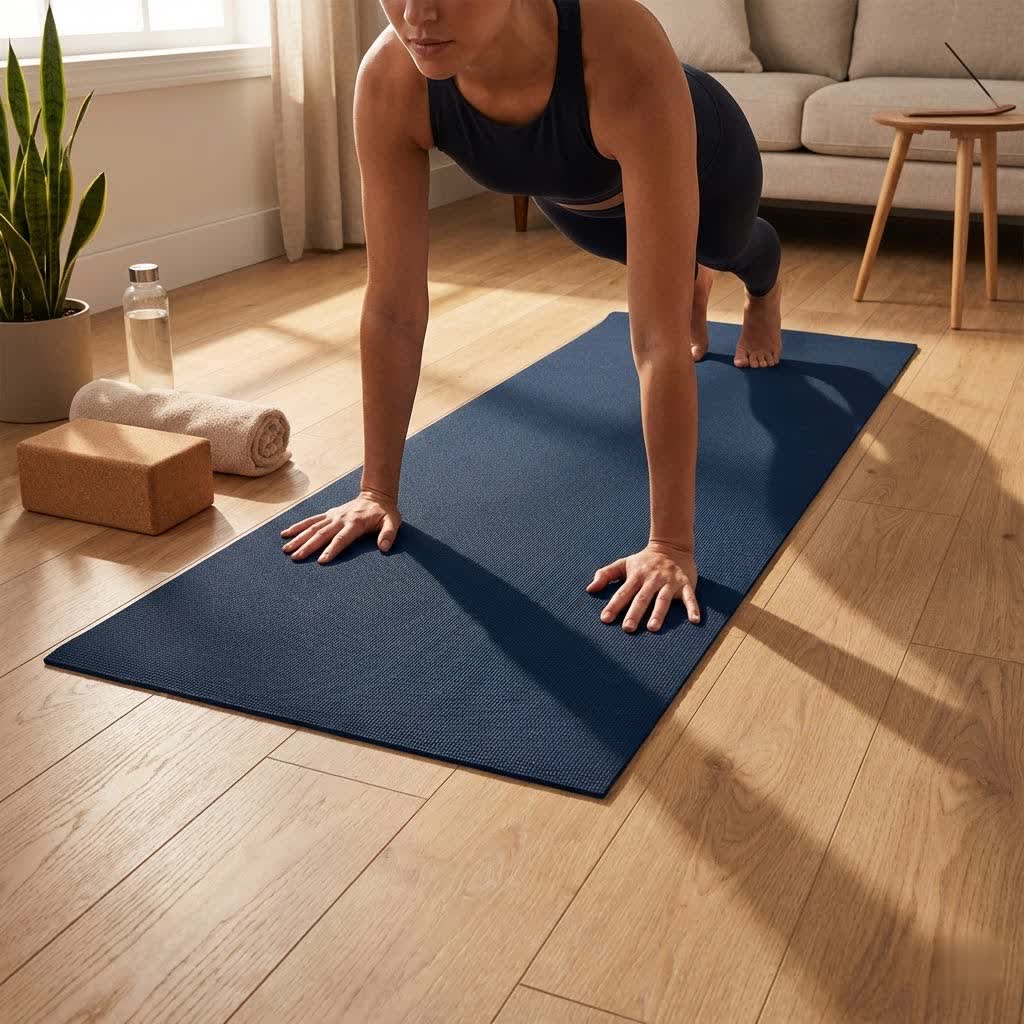
Starting your yoga journey is an exciting step towards better health and inner peace. Yet, with countless options available, finding the right yoga mat can feel overwhelming. A quality mat is more than just a surface for your practice; it’s your foundation, providing the safety, comfort, and stability you need as you learn and grow. This guide will walk you through everything you need to know to select the ideal yoga mat, ensuring a positive and supportive experience from your very first downward dog.
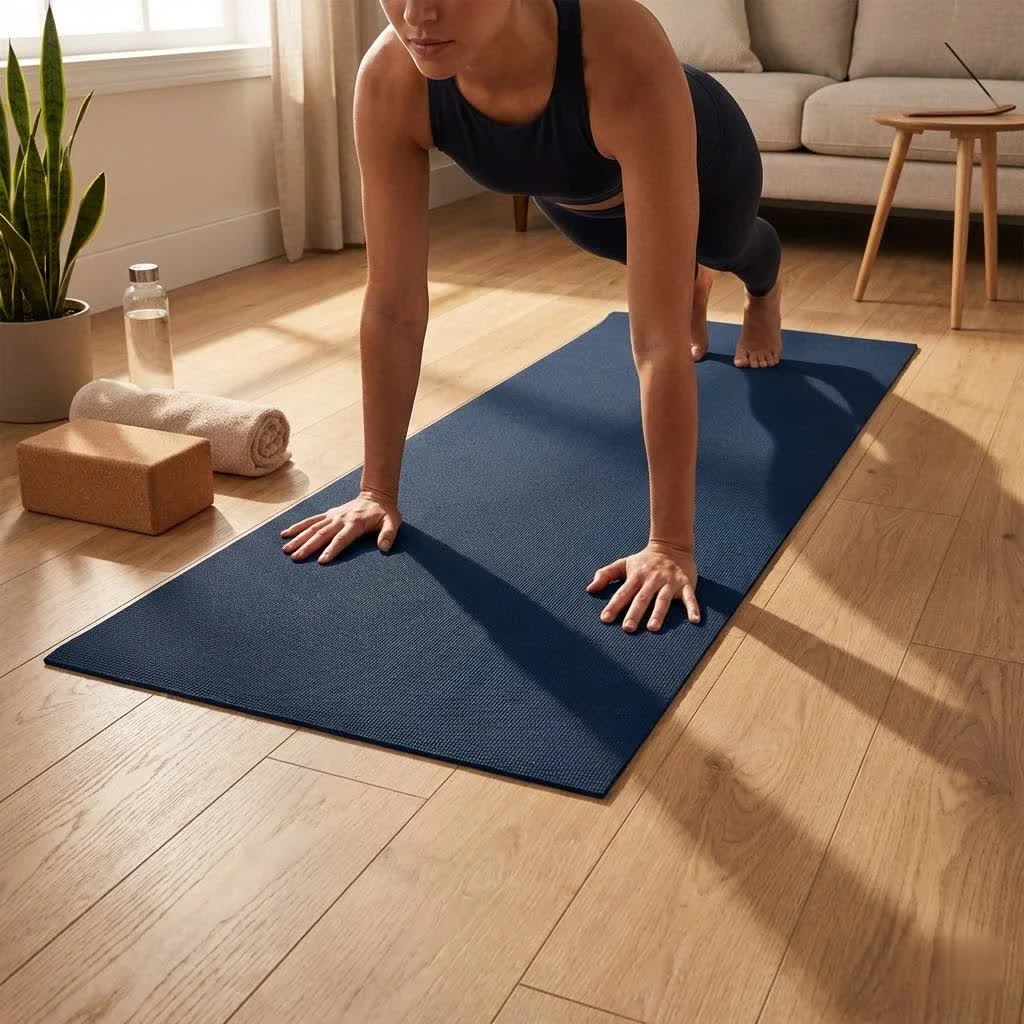
The Essential Role of Your First Yoga Mat
For beginners, a well-suited yoga mat is crucial for a comfortable and injury-free practice. It prevents slipping, cushions your joints, and helps you maintain proper alignment, building confidence in new poses. Think of it as an investment in your well-being, fostering a consistent and rewarding yoga routine. A good mat eliminates distractions, allowing you to focus on your breath and movement rather than struggling with equipment.
Exploring Popular Yoga Mat Materials
The material of your yoga mat significantly impacts its performance, durability, and environmental footprint. Understanding the differences will help you choose what best aligns with your values and practice needs.
-
PVC (Polyvinyl Chloride): Often the most affordable and widely available, PVC mats are known for their durability and excellent “sticky” grip. They are easy to clean and can withstand vigorous use. However, they are not biodegradable and may have an initial chemical odor, making them less ideal for eco-conscious yogis.
-
TPE (Thermoplastic Elastomer): As an eco-friendlier alternative to PVC, TPE mats are lighter, offer good cushioning, and provide decent traction. They are recyclable and free from many harmful chemicals found in PVC. While generally more expensive than PVC, they strike a good balance between performance and environmental responsibility. They might be less durable than PVC over very long periods.
-
Natural Rubber: Highly praised for its exceptional grip, natural rubber mats are an excellent choice for those who sweat during practice or need extra stability. They are eco-friendly, biodegradable, and often free from toxic chemicals. However, natural rubber mats can be heavier, more expensive, and may have a distinct rubbery smell. Individuals with latex allergies should avoid them.
-
Cork: Cork mats offer a unique, naturally antimicrobial surface that actually increases grip when wet, making them superb for hot yoga. They are sustainable and provide a firm, grounding feel. While durable, cork mats require careful maintenance and can be pricier than synthetic options.
-
Jute (Natural Fiber): Jute mats are made from a natural plant fiber, offering a rustic look and an eco-friendly choice. They provide good grip due to their textured surface and moisture-absorbing properties. However, they might feel rougher on the skin and offer less cushioning compared to rubber or TPE mats.
Detailed Comparison Table: Finding Your Match
|
Our Picks for the Best Yoga Mat in 2026
As an Amazon Associate I earn from qualifying purchases.
|
||
| Num | Product | Action |
|---|---|---|
| 1 | Retrospec Solana Yoga Mat 1" Thick w/Nylon Strap for Men & Women - Non Slip Exercise Mat for Home Yoga, Pilates, Stretching, Floor & Fitness Workouts |

|
| 2 | Retrospec Solana Yoga Mat 1" Thick w/Nylon Strap for Men & Women - Non Slip Exercise Mat for Home Yoga, Pilates, Stretching, Floor & Fitness Workouts |
|
| 3 | Amazon Basics Extra Thick Exercise Yoga Mat with Carrying Strap |
|
| 4 | Retrospec Solana Yoga Mat 1" Thick w/Nylon Strap for Men & Women - Non Slip Exercise Mat for Home Yoga, Pilates, Stretching, Floor & Fitness Workouts |
|
| 5 | Retrospec Solana Yoga Mat 1" Thick w/Nylon Strap for Men & Women - Non Slip Exercise Mat for Home Yoga, Pilates, Stretching, Floor & Fitness Workouts |
|
| 6 | Amazon Basics Extra Thick Exercise Yoga Mat with Carrying Strap |
|
| 7 | Amazon Basics 1/4 Inch Thick TPE Exercise Yoga Mat with Carrying Strap |
|
| 8 | Retrospec Solana Yoga Mat 1" Thick w/Nylon Strap for Men & Women - Non Slip Exercise Mat for Home Yoga, Pilates, Stretching, Floor & Fitness Workouts |
|
| 9 | Amazon Basics Extra Thick Exercise Yoga Mat with Carrying Strap |
|
| 10 | Retrospec Solana Yoga Mat 1" Thick w/Nylon Strap for Men & Women - Non Slip Exercise Mat for Home Yoga, Pilates, Stretching, Floor & Fitness Workouts |
|
Choosing the best mat involves balancing several factors. This table compares the common types to help you pinpoint what matters most to your practice.
| Feature | PVC (Polyvinyl Chloride) | TPE (Thermoplastic Elastomer) | Natural Rubber | Cork | Jute (Natural Fiber) |
|---|---|---|---|---|---|
| Material | Synthetic plastic | Synthetic (eco-friendly alternative) | Natural tree rubber | Natural tree bark | Natural plant fiber |
| Thickness (Typical) | 3-6mm | 4-6mm | 4-6mm | 3-5mm | 4-6mm |
| Grip | Excellent (“sticky”) | Good to Excellent | Excellent | Excellent (especially when wet) | Good (absorbs moisture) |
| Durability | High | Moderate | High | Moderate to High | High |
| Price Range | Budget-friendly | Mid-range | Premium | Premium | Mid-range |
| Eco-friendliness | Low (not biodegradable) | Moderate (recyclable, less toxins) | High (biodegradable) | High (sustainable, antimicrobial) | High (sustainable, biodegradable) |
| Best For | Beginners on a budget, high-grip | Eco-conscious, gentle yoga | Sweaty practice, long-term use | Hot yoga, firm grounding | Eco-conscious, textured feel |
How to Choose Your Perfect Yoga Mat
Selecting the right yoga mat means considering your personal needs, practice style, and priorities. Here’s a breakdown of key aspects to guide your decision:
Thickness: Cushioning vs. Connection
The ideal mat thickness balances comfort with stability. For beginners, finding this sweet spot is essential to protect joints without compromising balance.
- 3-5mm: These thinner mats offer a greater connection to the floor, enhancing stability for balancing poses and dynamic flows. They are also lighter and more portable, ideal if you plan to carry your mat to classes frequently. However, they provide less cushioning for knees and wrists.
- 6-8mm: Recommended for most beginners, this thickness offers excellent cushioning and joint protection, making floor poses and kneeling positions more comfortable. While slightly heavier and bulkier, the added comfort can significantly improve your initial practice experience. Very thick mats (8mm+) might feel too squishy and challenging for balance.
Grip and Texture: Staying Secure
A non-slip surface is paramount for safety and confidence, preventing hands and feet from sliding during poses like downward dog. Many beginners find slipping incredibly frustrating and potentially dangerous.
When choosing, feel the mat’s surface. A moderate texture, or a material like natural rubber or cork, offers superior traction. Some mats feature raised patterns designed specifically for enhanced grip. If you tend to sweat, look for mats known for moisture-wicking properties or consider pairing your mat with a yoga towel.
Size: Room to Move
Most yoga mats come in a standard size of 68-72 inches (173-183 cm) long and 24-26 inches (61-66 cm) wide. This is suitable for the majority of practitioners.
However, if you are taller than 6 feet (183 cm), an extra-long mat (74-84 inches) will ensure you have enough space to fully extend in poses without rolling off the ends. Wider options are also available if you prefer more side-to-side room. Always ensure your mat accommodates your full height and wingspan.
Material: Balancing Performance and Principles
As we’ve discussed, materials vary greatly. If environmental impact is a concern, prioritize TPE, natural rubber, cork, or jute. If you need ultimate durability and stickiness and budget is tight, PVC might be your starting point. Consider any sensitivities, such as latex allergies, which would rule out natural rubber mats.
Budget: A Smart Investment
Yoga mats range from budget-friendly to premium. As a beginner, you don’t need the most expensive mat on the market, but investing in a mid-range option (typically $25-$60) is often a wise choice. These mats offer a better balance of quality, durability, and comfort than the cheapest options, supporting your practice without breaking the bank. A mat that quickly wears out or causes discomfort can hinder your motivation.
Cleaning and Maintaining Your Yoga Mat
Proper care is key to extending the life of your yoga mat and keeping it hygienic.
Clean After Every Practice
After each session, especially if you’ve sweated, wipe your mat down with a damp cloth to remove sweat and dirt. For a deeper clean, use a specialized yoga mat cleaner or a diluted solution of water and white vinegar. Avoid harsh chemicals that can degrade the mat’s material.
Store It Right
Always roll your mat loosely, rather than folding it, to prevent creases and damage. Store it in a cool, dry place away from direct sunlight, which can cause materials like natural rubber to break down over time. Using a yoga mat bag can protect it during transport and storage. “Proper care ensures your mat remains a supportive partner in your practice for years to come.” – Sarah Chen, Certified Yoga Instructor
Top Considerations for Beginner Yoga Mats
When all is said and done, the best yoga mat for a beginner will offer a harmonious blend of fundamental features that foster a safe and enjoyable introduction to yoga. Look for a mat with a 6mm thickness for ample joint protection and cushioning, coupled with an excellent non-slip grip to prevent any unintended sliding. Materials like TPE or PVC provide a durable yet affordable starting point, offering a good balance of performance without a significant investment. Consider a standard size (68-72 inches long) for versatility and a moderate weight for easy portability to and from classes. A mat that feels comfortable and inspires you to practice regularly is invaluable.
Conclusion
Choosing your first yoga mat is an exciting part of embarking on your yoga journey. By focusing on critical factors like thickness, material, grip, and comfort, you can find a mat that truly supports your body and mind. your mat is more than just equipment; it’s a personal space that will witness your growth, strength, and inner peace. Invest wisely, care for it diligently, and let it be the steadfast foundation for a transformative practice.
What aspects of your new yoga mat are you most excited to experience in your practice?
Frequently Asked Questions
Do I need an expensive mat as a beginner?
No, you don’t need the most expensive mat. A mid-range yoga mat, typically priced between $25-$60, offers the best value for beginners. It provides better quality, comfort, and durability than very cheap options, supporting your practice without requiring a premium investment.
Can a yoga mat be too thick for a beginner?
Yes, a mat can be too thick. While extra cushioning (6mm is ideal) is good for beginners to protect joints, mats thicker than 8mm can make it difficult to feel grounded and maintain balance in standing poses, which is crucial for learning proper alignment.
What is the best material for a non-slip yoga mat for beginners?
Natural rubber is widely considered the best material for a non-slip yoga mat, especially for those prone to sweating. PVC also offers excellent “sticky” grip. TPE and cork mats also provide good traction, with cork offering increased grip when wet.
How often should I clean my yoga mat?
You should wipe down your yoga mat with a damp cloth after every use to remove sweat and surface dirt. A more thorough cleaning with a specialized mat cleaner or diluted vinegar solution is recommended weekly, or after particularly sweaty sessions, to maintain hygiene and prolong its life.
Should my yoga mat have alignment lines?
Alignment lines can be very helpful for beginners, providing visual cues to ensure proper hand and foot placement in various poses. While not strictly necessary, they can be a great tool for improving form and understanding body positioning, especially when practicing at home without an instructor.
Get our weekly buyer guide
Practical specs, not advice. Unsubscribe anytime.
