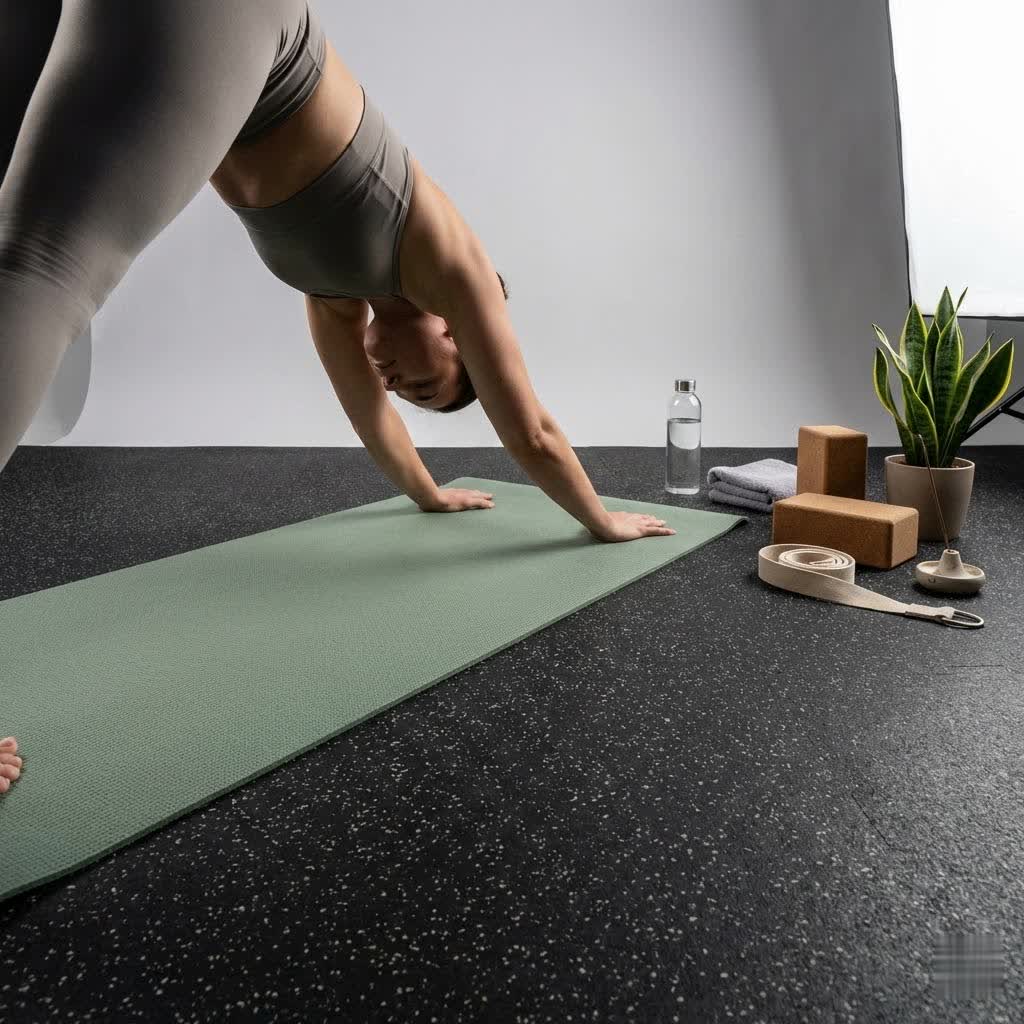
Stepping onto your yoga mat marks the beginning of your practice, a space for focus, strength, and tranquility. But what if your budget is as compact as a folded mat? The allure of a “5 and Below” yoga mat is undeniable, promising an entry point to wellness without breaking the bank. As an experienced yoga practitioner and the Admin of ReviewsZetu.com, I understand the desire for affordability, but also the crucial role your mat plays in supporting your practice. This guide will delve into the realities of these ultra-budget mats, examining their strengths, weaknesses, and whether they genuinely offer value for your yoga journey.
Understanding the “5 and Below” Yoga Mat
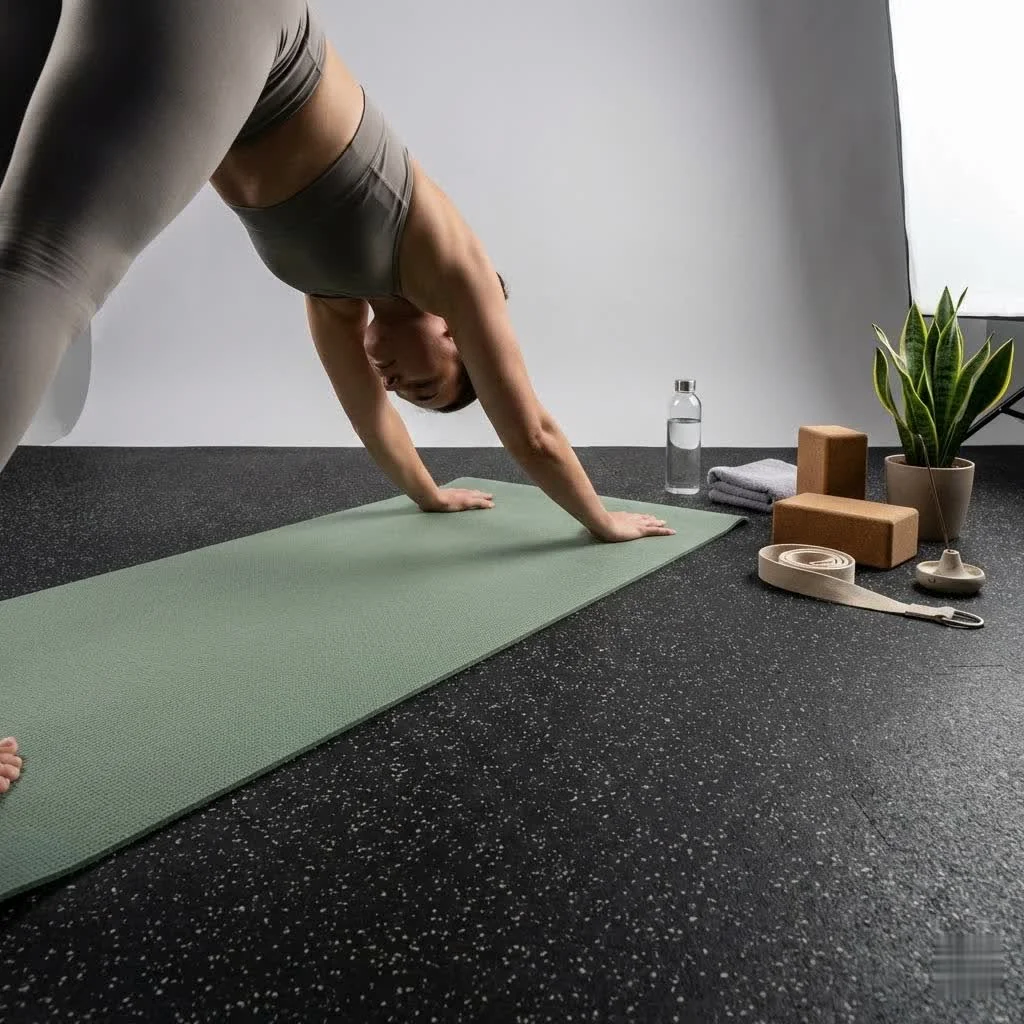
When we talk about a “5 and Below” yoga mat, we’re typically referring to the ultra-affordable options found in discount stores, usually priced around $5 or less. These mats are designed to be accessible, serving as an immediate, low-cost solution for those curious about yoga or needing a basic floor covering. The materials are almost universally cost-effective, predominantly PVC (polyvinyl chloride) or lightweight foam. These materials allow for mass production at a minimal price point, making yoga seemingly accessible to everyone. While their primary appeal is their affordability, it’s essential to understand that this budget-friendly design comes with inherent characteristics that differentiate them significantly from higher-priced alternatives.
The Appeal of a Five Below Mat: Pros
The most compelling aspect of a Five Below yoga mat is its unbeatable price point. For just a few dollars, you can acquire a mat, making it incredibly accessible for absolute beginners who are hesitant to invest heavily in a new hobby. This low barrier to entry is perfect for those who want to “try before they buy” a more substantial mat, or for casual home use where intensity is not a factor. Furthermore, these mats are typically lightweight and easy to roll up, which adds to their portability. If you need a temporary mat for occasional stretching, a short outdoor session on a forgiving surface, or even as a simple play mat for children, a Five Below option can seem like a convenient and logical choice.
Where Five Below Mats Fall Short: Cons
While the price is attractive, Five Below mats often come with significant drawbacks that can impact your practice.
Material Quality and Durability
These mats are typically made from thin PVC or lightweight foam, which translates directly into their durability. They are less dense and often thinner than standard mats, usually in the 3-4mm range, meaning they offer minimal cushioning. This thinness can lead to a quick breakdown of the material, with users often reporting signs of wear such as surface peeling, stretching, or compression marks appearing sooner than expected with regular use. The longevity of a $5 mat is significantly shorter than even moderately priced alternatives, requiring frequent replacement if used consistently.
Grip and Slip Resistance
|
Our Picks for the Best Yoga Mat in 2026
As an Amazon Associate I earn from qualifying purchases.
|
||
| Num | Product | Action |
|---|---|---|
| 1 | Amazon Basics 1/4 Inch Thick TPE Exercise Yoga Mat with Carrying Strap |

|
| 2 | Amazon Basics Extra Thick Exercise Yoga Mat with Carrying Strap |
|
| 3 | Retrospec Solana Yoga Mat 1" Thick w/Nylon Strap for Men & Women - Non Slip Exercise Mat for Home Yoga, Pilates, Stretching, Floor & Fitness Workouts |
|
| 4 | Amazon Basics Extra Thick Exercise Yoga Mat with Carrying Strap |
|
| 5 | Retrospec Solana Yoga Mat 1" Thick w/Nylon Strap for Men & Women - Non Slip Exercise Mat for Home Yoga, Pilates, Stretching, Floor & Fitness Workouts |
|
| 6 | Retrospec Solana Yoga Mat 1" Thick w/Nylon Strap for Men & Women - Non Slip Exercise Mat for Home Yoga, Pilates, Stretching, Floor & Fitness Workouts |
|
| 7 | Retrospec Solana Yoga Mat 1" Thick w/Nylon Strap for Men & Women - Non Slip Exercise Mat for Home Yoga, Pilates, Stretching, Floor & Fitness Workouts |
|
| 8 | Amazon Basics Extra Thick Exercise Yoga Mat with Carrying Strap |
|
| 9 | Retrospec Solana Yoga Mat 1" Thick w/Nylon Strap for Men & Women - Non Slip Exercise Mat for Home Yoga, Pilates, Stretching, Floor & Fitness Workouts |
|
| 10 | Retrospec Solana Yoga Mat 1" Thick w/Nylon Strap for Men & Women - Non Slip Exercise Mat for Home Yoga, Pilates, Stretching, Floor & Fitness Workouts |
|
One of the most critical features of a yoga mat is its grip, particularly during dynamic flows or when practicing in warmer conditions. Five Below mats often provide only basic grip, which can be insufficient for many yoga poses. When hands or feet become slightly sweaty, the mat can become slick, leading to instability and a higher risk of slipping. This lack of reliable traction can undermine confidence and potentially lead to injuries, especially for those attempting more challenging or prolonged poses.
Cushioning and Joint Support
The minimal thickness and density of these mats mean they offer very little cushioning. For practitioners with sensitive knees, wrists, or a spine that requires extra padding, a Five Below mat can be uncomfortable and potentially exacerbate joint discomfort. Holding poses that put pressure on bony areas becomes less forgiving, pushing many practitioners to seek additional padding or to upgrade their mat sooner than anticipated. The lack of adequate support can make sustained practice challenging and even painful.
Odor and Eco-Friendliness
Another common complaint with ultra-budget mats, particularly those made from PVC, is a strong chemical or “plastic” smell when new. This odor can be unpleasant and, for some, even cause mild irritation or sickness. Furthermore, PVC is not biodegradable and is less environmentally friendly compared to materials like natural rubber or TPE. For yogis who prioritize sustainable and non-toxic products, a Five Below mat often falls short of their values.
Comparing “5 and Below” to Other Budget Yoga Mats
While Five Below mats represent the absolute entry-level, it’s worth noting that a slightly higher investment can significantly improve your experience. Mats in the $15-$30 range, such as those from Amazon Basics or Gaiam Essentials, offer a better balance of cushioning, grip, and durability. These mats often feature thicker profiles (6-8mm), providing better joint support, and are made from more resilient materials like NBR or TPE, which offer improved traction and longevity compared to their sub-$5 counterparts. While still considered budget options, they bridge the gap between basic functionality and a more comfortable, safer practice for regular users.
| Feature | Five Below Mat (Sub-$5) | Mid-Range Budget Mat ($15-$30) |
|---|---|---|
| Material | PVC, lightweight foam | NBR, TPE, denser PVC |
| Thickness | 3-4mm | 6-8mm |
| Grip | Basic, can be slippery | Improved, generally reliable |
| Durability | Low, wears quickly | Moderate, lasts longer |
| Cushioning | Minimal | Good, better joint support |
| Odor | Often strong chemical | Less pronounced, dissipates |
| Eco-Friendliness | Low | Moderate (TPE options) |
| Ideal For | Absolute beginners, casual stretching, temporary use | Regular beginners, moderate practice, home use |
Who is a “5 and Below” Mat Right For?
A “5 and Below” yoga mat undeniably serves a purpose for a very specific type of user and practice. It’s an excellent choice for absolute beginners who are just testing the waters of yoga and aren’t ready to commit to a more significant purchase. It works well for extremely light stretching sessions, where no intense poses or sweat are involved. Furthermore, these mats can be perfect as a children’s play mat, a temporary outdoor mat for gentle activities on soft grass, or even as a disposable option for travel when you don’t want to risk a more expensive mat. The key is understanding its limitations and aligning your expectations with its budget-friendly design.
When to Invest in a Better Mat
While the initial cost of a “5 and Below” mat is appealing, there comes a point in every yogi’s journey where an upgrade becomes necessary for comfort, safety, and progression.
- Regular Practice: If you find yourself consistently practicing yoga several times a week, a more durable mat will quickly become a wise investment. The frequent wear and tear on a budget mat will lead to constant replacements, costing more in the long run.
- Dynamic or Hot Yoga: Styles that involve vigorous movement or produce sweat demand superior grip. A higher-quality mat made from natural rubber or specialized TPE offers the non-slip surface crucial for stability and preventing injury in these practices.
- Sensitive Joints: For individuals with knee, wrist, or spinal sensitivities, enhanced cushioning is paramount. Mats with a thickness of 6mm or more and higher-density materials provide the necessary support to protect joints and ensure a comfortable practice.
- Long-Term Commitment: If yoga has become a regular and valued part of your life, investing in a mat that supports your growing practice and values (such as eco-friendliness) will enhance your overall experience and commitment.
“A great yoga mat isn’t just a surface; it’s an extension of your practice, providing the foundation for stability, comfort, and mindful movement. While a budget mat can start your journey, an investment in quality supports your evolution.” – Admin, ReviewsZetu.com
Maximizing Your Budget Mat
If you currently own or choose to purchase a “5 and Below” mat, there are ways to make the most of it and extend its usability:
- Regular Cleaning: Wipe your mat down with a damp cloth after each use to remove sweat and dirt. This prevents build-up that can reduce what little grip it offers and helps with any lingering odor. A diluted solution of water and mild soap or white vinegar can also be used for a deeper clean.
- Use a Yoga Towel: For added grip, especially if you experience sweaty hands or feet, place a dedicated yoga towel over your mat. This can also provide a thin layer of extra cushioning and absorb moisture.
- Strategic Placement: If practicing on a hard floor, consider placing your budget mat on top of a rug or another softer surface for additional cushioning.
- Avoid Harsh Conditions: Extreme heat, direct sunlight, or rough outdoor surfaces will accelerate wear. Store your mat rolled up in a cool, dry place away from direct sun exposure.
Conclusion
The “5 and Below” yoga mat offers an incredibly affordable entry point into the world of yoga. It serves its purpose for absolute beginners, very light stretching, or as a temporary solution, providing basic comfort and accessibility. However, it’s crucial to approach these mats with realistic expectations regarding their durability, grip, cushioning, and environmental footprint. As your practice evolves and your commitment deepens, you’ll likely find that investing in a mat with better materials, superior grip, and more substantial cushioning will significantly enhance your experience, support your joints, and reduce the risk of injury. Ultimately, the best yoga mat is one that aligns with your practice, your priorities, and your long-term wellness goals, reminding us that sometimes, a little extra investment goes a long way in supporting a truly fulfilling journey.
Are you ready to explore how a different mat could transform your practice?
Frequently Asked Questions
Are 5 Below yoga mats good for beginners?
Five Below yoga mats can be suitable for absolute beginners who want to try yoga without a significant financial commitment. They offer basic functionality for light stretching and low-impact exercises, making them a good starting point to explore if yoga is for you. However, for consistent practice or more dynamic styles, beginners will likely benefit from a mat with better grip and cushioning as they progress.
What are 5 Below yoga mats made of?
Most yoga mats found at Five Below are typically made from PVC (polyvinyl chloride) or lightweight foam. These materials are chosen for their low cost and ease of production, contributing to the mat’s affordability. While they provide a soft surface, they generally lack the density, durability, and eco-friendly properties found in higher-quality yoga mat materials like natural rubber or TPE.
How long do cheap yoga mats usually last?
Cheap yoga mats, including those from Five Below, generally have a shorter lifespan compared to more expensive options. With regular use, you can expect them to show signs of wear and tear, such as stretching, peeling, or loss of cushioning, within a few months to a year. Their durability is limited by the thinner, less dense materials used in their construction.
Can you do hot yoga on a 5 Below mat?
It is generally not recommended to use a Five Below yoga mat for hot yoga. These mats typically offer only basic grip, which can become extremely slippery when exposed to sweat, increasing the risk of falls and injuries. For hot yoga, mats made from materials like natural rubber or those designed with moisture-wicking properties and superior traction are essential for safety and stability.
Get our weekly buyer guide
Practical specs, not advice. Unsubscribe anytime.
