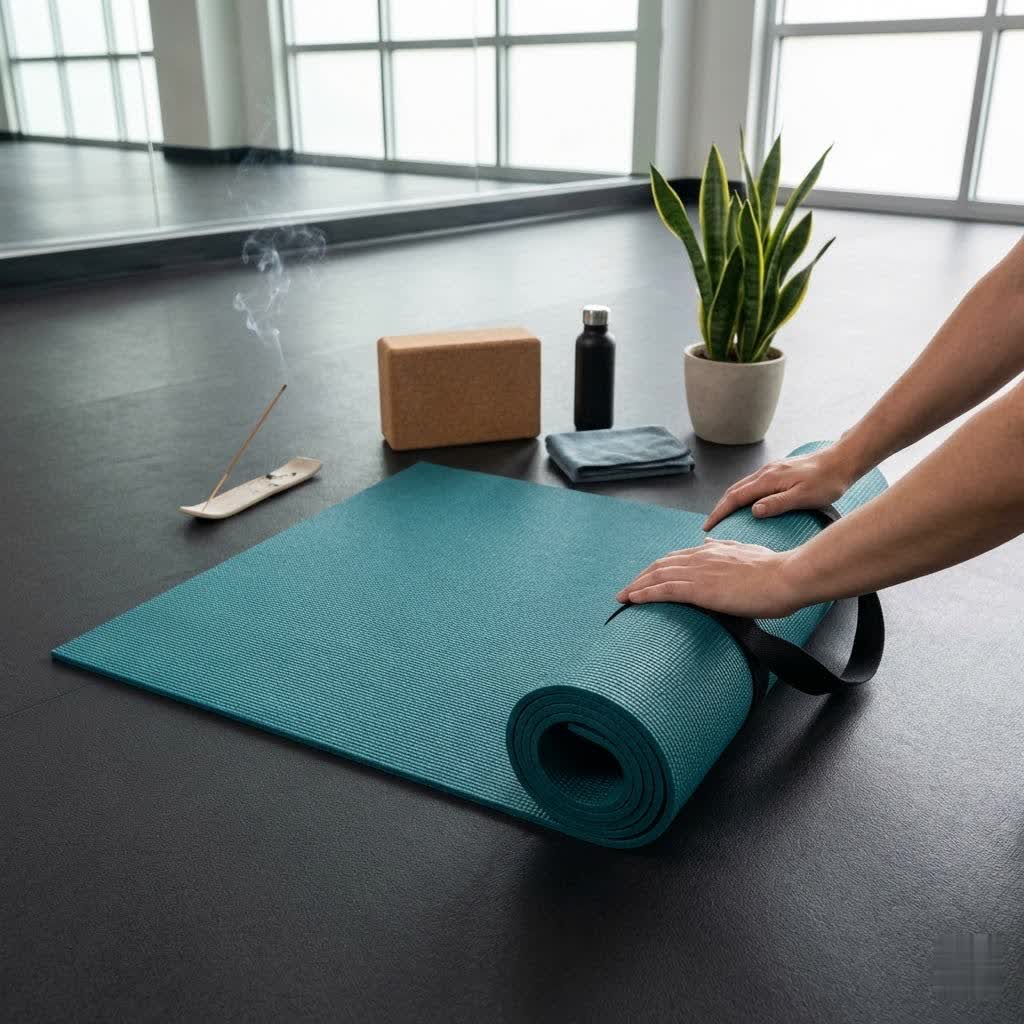
Choosing the right yoga mat can profoundly transform your practice, grounding you with stability and comfort. While many options exist, cork yoga mats have emerged as a standout choice, offering a unique blend of performance and ecological responsibility. If you’re seeking a mat that aligns with both your wellness journey and environmental values, understanding the distinct advantages of cork is essential. This comprehensive guide will delve into what makes cork mats special, compare them to other materials, and help you find your perfect yoga companion.
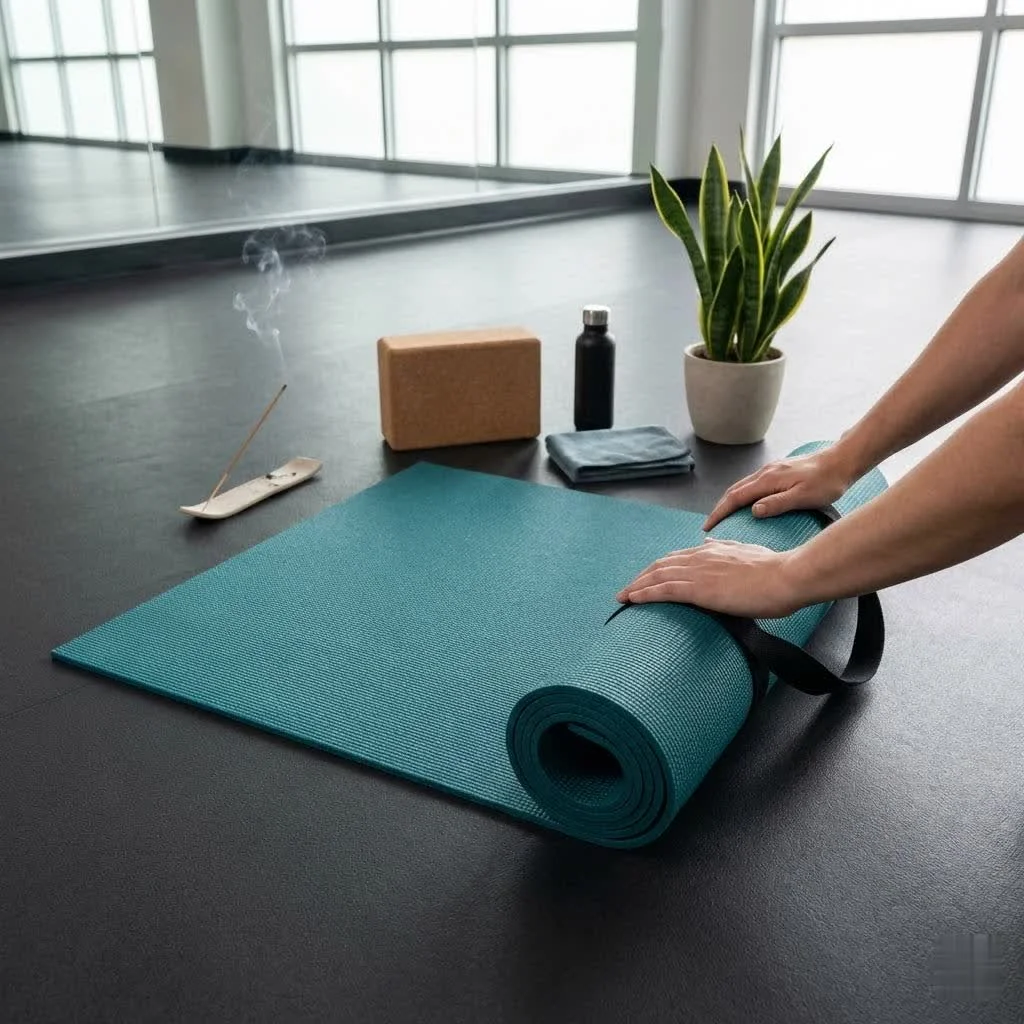
What Makes Cork Yoga Mats Unique?
Cork yoga mats are crafted from the bark of the cork oak tree, a remarkable material renowned for its sustainable harvesting process. The bark is meticulously stripped by hand every 9-12 years without harming the tree, which then regenerates its bark, making cork an incredibly renewable resource. This natural material is often bonded to a base layer, typically natural rubber or sometimes TPE (Thermoplastic Elastomer), to provide additional cushioning and stability. The inherent properties of cork offer a distinct yoga experience that sets it apart from conventional mats. For best yoga mat roundups on this site.
Benefits of Cork Yoga Mats
Cork yoga mats come with a compelling array of benefits that appeal to conscious yogis and those seeking superior performance.
Eco-Friendliness and Sustainability
One of the most significant advantages of cork mats is their exceptional environmental profile. As a naturally regenerating resource, cork harvesting promotes healthy cork forests, which are vital ecosystems that absorb substantial amounts of CO2. When your cork mat eventually reaches the end of its long life, it is biodegradable and recyclable, ensuring it returns to the earth without leaving a lasting footprint. This commitment to sustainability makes cork an ideal choice for an eco-conscious practice.
Superior Grip, Especially When Wet
Cork’s unique texture provides excellent traction that actually improves with moisture. Unlike many synthetic mats that become slippery when wet, the natural properties of cork mean that as you sweat during a vigorous Vinyasa flow or hot yoga session, your grip becomes even stronger. This provides unparalleled stability, allowing you to hold poses securely and transition smoothly without worrying about slipping.
Naturally Antimicrobial and Odor-Resistant
The inherent cellular structure of cork makes it naturally resistant to bacteria, mold, and mildew. This antimicrobial property means your mat stays cleaner and fresher for longer, significantly reducing the buildup of unpleasant odors that can plague traditional mats. This hygienic quality is particularly beneficial for those with sensitive skin or allergies, offering a clean surface for every practice.
Durability and Longevity
|
Our Picks for the Best Yoga Mat in 2026
As an Amazon Associate I earn from qualifying purchases.
|
||
| Num | Product | Action |
|---|---|---|
| 1 | Amazon Basics Extra Thick Exercise Yoga Mat with Carrying Strap |

|
| 2 | Amazon Basics Extra Thick Exercise Yoga Mat with Carrying Strap |
|
| 3 | Amazon Basics 1/4 Inch Thick TPE Exercise Yoga Mat with Carrying Strap |
|
| 4 | Retrospec Solana Yoga Mat 1" Thick w/Nylon Strap for Men & Women - Non Slip Exercise Mat for Home Yoga, Pilates, Stretching, Floor & Fitness Workouts |
|
| 5 | Retrospec Solana Yoga Mat 1" Thick w/Nylon Strap for Men & Women - Non Slip Exercise Mat for Home Yoga, Pilates, Stretching, Floor & Fitness Workouts |
|
| 6 | Amazon Basics Extra Thick Exercise Yoga Mat with Carrying Strap |
|
| 7 | Retrospec Solana Yoga Mat 1" Thick w/Nylon Strap for Men & Women - Non Slip Exercise Mat for Home Yoga, Pilates, Stretching, Floor & Fitness Workouts |
|
| 8 | Retrospec Solana Yoga Mat 1" Thick w/Nylon Strap for Men & Women - Non Slip Exercise Mat for Home Yoga, Pilates, Stretching, Floor & Fitness Workouts |
|
| 9 | Retrospec Solana Yoga Mat 1" Thick w/Nylon Strap for Men & Women - Non Slip Exercise Mat for Home Yoga, Pilates, Stretching, Floor & Fitness Workouts |
|
| 10 | Retrospec Solana Yoga Mat 1" Thick w/Nylon Strap for Men & Women - Non Slip Exercise Mat for Home Yoga, Pilates, Stretching, Floor & Fitness Workouts |
|
Cork yoga mats are designed to endure the rigors of daily practice. Their robust composition makes them highly durable and resistant to cracking, stretching, and wear and tear. While they may show natural wear patterns over time, a well-cared-for cork mat can last for many years, proving to be a wise long-term investment for your yoga journey.
Hypoallergenic Properties
For individuals prone to allergies or skin sensitivities, cork offers a hypoallergenic surface. Free from the synthetic chemicals and plasticizers often found in PVC mats, cork provides a cleaner, more natural contact surface, reducing the risk of irritation and allowing you to focus purely on your practice. Additionally, cork mats do not off-gas unpleasant chemical fumes, providing a healthier environment for your breathwork.
Potential Drawbacks of Cork Yoga Mats
While cork mats boast numerous advantages, it’s also important to consider a few potential drawbacks to ensure it’s the right fit for your practice.
Weight Considerations
Cork mats, especially those backed with natural rubber for enhanced durability and grip, can be heavier than lighter, synthetic alternatives like TPE. While this added weight contributes to stability on the floor, it might make them less convenient for frequent travel or carrying to and from a studio. Lighter options with TPE backing exist, but they may compromise on durability or floor traction.
Cushioning Levels
Compared to some thicker foam or rubber mats, cork mats often offer moderate cushioning with a firmer feel. While many yogis appreciate this firm foundation for balance and stability, those with sensitive knees, wrists, or other joints might find they desire more plush padding for certain floor poses. The level of cushioning largely depends on the mat’s overall thickness and backing material.
Price Point
Due to the sustainable sourcing and natural processing of cork, these mats can sometimes be more expensive than entry-level PVC or TPE options. However, their exceptional durability, antimicrobial properties, and eco-friendly benefits often justify the initial investment, providing excellent value over their extended lifespan.
Cork Yoga Mats vs. Other Materials
Understanding how cork compares to other popular yoga mat materials can help clarify your choice.
| Feature | Cork Yoga Mat | Natural Rubber Yoga Mat | TPE Yoga Mat | PVC Yoga Mat |
|---|---|---|---|---|
| Material Sourcing | Bark of cork oak trees (renewable, no harm to tree) | Sap of rubber trees (renewable via tapping) | Thermoplastic Elastomer (blend of plastic & rubber) | Polyvinyl Chloride (synthetic plastic) |
| Grip & Traction | Excellent, improves when wet, ideal for hot yoga | Excellent, consistent dry grip | Decent, can be slippery when sweaty | Strong initial grip, can degrade over time |
| Cushioning | Moderate, firm feel | Superior, various thicknesses for joint protection | Moderate to soft, lightweight cushion | Good, but can feel spongy |
| Durability | Very durable, resists cracking | Extremely durable, long-lasting | Moderate, shorter lifespan | Durable, but not eco-friendly |
| Eco-Friendliness | Highly sustainable, biodegradable, recyclable | Sustainable (natural rubber), biodegradable | More eco-friendly than PVC, but not fully biodegradable | Not eco-friendly, non-biodegradable, can off-gas |
| Antimicrobial | Naturally antimicrobial & odor-resistant | Some natural resistance, requires more cleaning | Generally not | Prone to bacteria if not cleaned |
| Weight | Can be heavier (with rubber backing) | Heavier | Lightweight | Varies, often moderate |
| Price | Higher | Higher | Mid-range | Lower |
“The unique quality of cork becoming grippier with sweat truly makes it a game-changer for practices like hot yoga, where stability is paramount.”
Choosing the Perfect Cork Yoga Mat
Selecting the ideal cork yoga mat involves considering your personal practice style, needs, and preferences.
- Thickness: Cork mats typically range from 3mm to 6mm. Thinner mats (3-4mm) offer more direct connection to the floor and are lighter for portability, while thicker mats (5-6mm) provide enhanced cushioning for sensitive joints and a more forgiving surface.
- Size: Standard yoga mat dimensions are generally 68-72 inches long and 24-26 inches wide. Ensure the mat’s length accommodates your height, allowing you to lie down fully without your head or feet extending past the edges. Wider options are available for those who prefer more space.
- Backing Material: Most cork mats feature a backing for added stability and cushioning. Natural rubber backing offers superior grip to the floor and excellent durability, though it adds to the mat’s weight. TPE backing can make the mat lighter, but might be less durable and offer less floor traction than rubber. Consider what’s most important for your practice.
- Budget: While cork mats can be an investment, their longevity and benefits often outweigh the initial cost. Determine your budget range, knowing that there are quality options at various price points. Prioritizing features like natural rubber backing or a certain thickness can help guide your decision.
- Practice Style: If you engage in dynamic, sweaty practices like hot yoga or Vinyasa, a cork mat’s increasing grip with moisture will be a significant advantage. For gentler practices like restorative yoga, the firm yet supportive surface of cork is still beneficial, but cushioning might be a higher priority.
Caring for Your Cork Yoga Mat
Proper care will ensure your cork yoga mat remains hygienic and durable for years.
- Wipe After Each Practice: After each session, especially if you’ve been sweating, simply wipe your mat down with a damp cloth to remove any moisture and residue. This simple step helps maintain its cleanliness and prevents any potential buildup.
- Deep Cleaning: For a more thorough clean, use a diluted solution of mild soap and water, or a specialized yoga mat cleaner. Spray lightly onto the cork surface and wipe gently with a soft cloth. Avoid harsh chemicals, abrasive scrubbers, or excessive water, as these can damage the natural cork.
- Air Dry Completely: Always allow your cork mat to air dry completely before rolling it up or storing it. Lay it flat or hang it to ensure all moisture evaporates, which prevents mildew and maintains the mat’s integrity.
- Proper Storage: When not in use, roll your mat with the cork side facing outwards to help it lay flat more easily during your next practice. Store it in a cool, dry place away from direct sunlight, which can cause the cork to dry out or become brittle over time.
Conclusion
Choosing a cork yoga mat is a step towards a more conscious and enhanced yoga practice. With their unparalleled natural grip that thrives on sweat, inherent antimicrobial properties, and commitment to environmental sustainability, cork mats offer a truly unique and beneficial experience. While they might present considerations like weight and cushioning preferences, their long-term durability and contribution to a healthier planet make them a compelling choice. By understanding the distinct characteristics of cork and aligning them with your personal needs, you can confidently select a mat that supports your journey, allowing you to connect more deeply with every pose. What aspect of cork yoga mats are you most excited to integrate into your practice?
Frequently Asked Questions
Are cork yoga mats good for hot yoga?
Yes, cork yoga mats are exceptionally well-suited for hot yoga and other sweaty practices. The natural property of cork is that its grip actually increases when wet, providing superior traction and stability exactly when you need it most. This helps prevent slipping and allows you to maintain your focus on your poses.
How do you clean a cork yoga mat?
To clean a cork yoga mat, simply wipe it down with a damp cloth after each use to remove sweat and oils. For deeper cleaning, use a diluted solution of mild soap and water or a natural mat cleaner. Spray lightly and wipe with a soft cloth, then allow the mat to air dry completely before rolling it up. Avoid harsh chemicals or excessive moisture.
Do cork yoga mats smell?
No, cork yoga mats are naturally odor-resistant due to their antimicrobial properties. Unlike some synthetic mats that can develop a chemical smell or absorb body odors, cork actively inhibits the growth of bacteria and mold, keeping your mat fresh and clean. You might detect a faint natural rubber scent if the mat has a rubber backing, but this typically dissipates quickly.
Are cork yoga mats slippery when dry?
Some cork yoga mats can feel slightly less grippy when completely dry, especially compared to their enhanced traction when damp. For optimal grip from the start of your practice, particularly if you don’t sweat much, some yogis recommend lightly misting the mat’s surface with water where your hands and feet will be placed.
Get our weekly buyer guide
Practical specs, not advice. Unsubscribe anytime.
