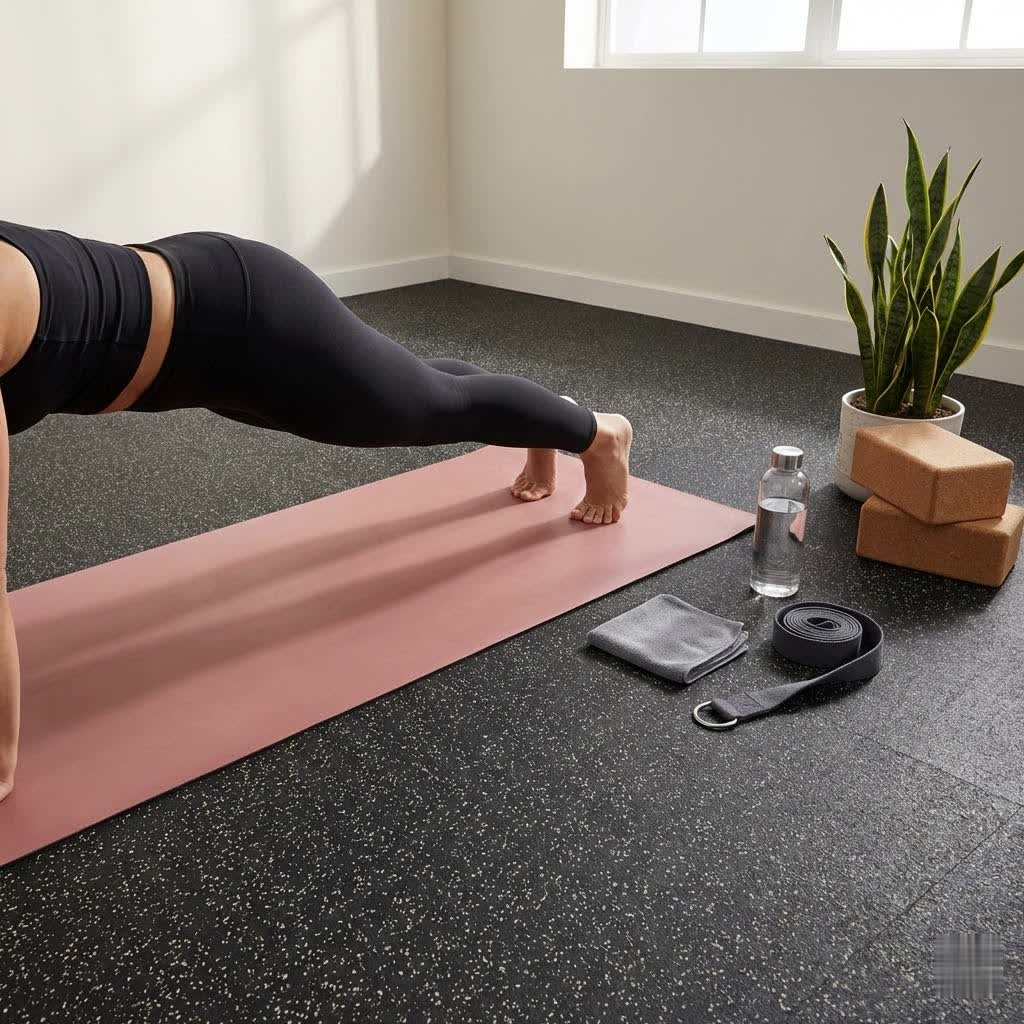
Stepping onto a yoga mat is more than just finding a comfortable surface; it’s about grounding your practice and supporting your journey. As an Admin for ReviewsZetu.com with over a decade of experience in yoga, I understand the profound impact a well-suited mat can have on your balance, comfort, and overall experience. Selecting the right yoga mat can transform your practice, making every pose more stable and every session more enjoyable. This comprehensive guide will walk you through everything you need to know, from materials and thickness to grip and care, ensuring you find a mat that aligns perfectly with your needs and budget.
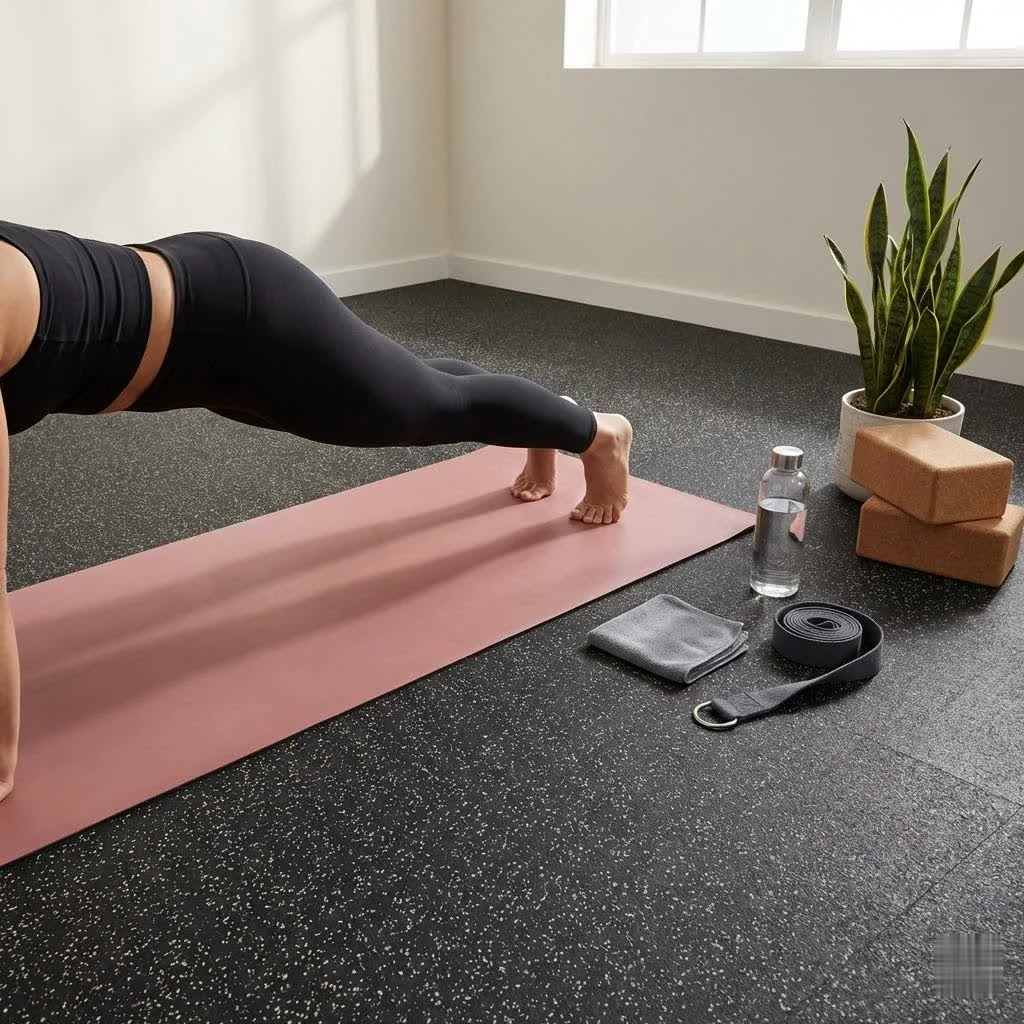
Unveiling the Diverse World of Yoga Mat Materials
The material of your yoga mat is fundamental to its performance, affecting grip, durability, weight, and environmental impact. Understanding the characteristics of each type will empower you to make an informed choice that supports both your practice and your values. From traditional options to innovative eco-friendly alternatives, there’s a mat material designed for every yogi. For shop curated yoga mat on this site.
PVC Mats (Polyvinyl Chloride)
PVC mats have historically been a common choice, largely due to their affordability and widespread availability. While they offer certain advantages, it’s important to consider their environmental implications.
- Advantages: PVC mats are typically inexpensive, highly durable, and easy to clean, often providing a good level of grip with a textured surface. Many beginner yogis start with these mats due to their accessibility and long-lasting nature.
- Disadvantages: These mats are not biodegradable and often contain phthalates and other synthetic chemicals, raising environmental and health concerns. They can also become quite slippery when exposed to heavy sweat unless specifically treated for hot yoga.
TPE Mats (Thermoplastic Elastomer)
TPE mats represent a greener alternative to PVC, blending plastic and rubber polymers to create a more environmentally conscious option. They strike a balance between performance and eco-friendliness.
- Advantages: TPE mats are considered more eco-friendly than PVC, often being recyclable and free from toxic chemicals like phthalates and latex. They are lightweight, making them ideal for travel, and offer decent grip for casual practice.
- Disadvantages: Generally, TPE mats are less durable than natural rubber or PVC, and they may flatten over time with consistent use. Their grip can also be limited in very sweaty or hot yoga environments.
Natural Rubber Mats
For those prioritizing superior grip and environmental sustainability, natural rubber mats are often the top choice. These mats offer an exceptional connection to the floor and a firm, supportive surface.
- Advantages: Harvested from rubber trees, these mats are biodegradable and sustainable, boasting superior grip even when wet from sweat. They are highly durable and supportive, making them excellent for dynamic practices and hot yoga.
- Disadvantages: Natural rubber mats tend to be heavier than other types and are not suitable for individuals with latex allergies. They also require proper care to prevent drying and can have a distinct natural rubber smell, especially when new.
PU Rubber Mats (Polyurethane)
|
Our Picks for the Best Yoga Mat in 2026
As an Amazon Associate I earn from qualifying purchases.
|
||
| Num | Product | Action |
|---|---|---|
| 1 | Amazon Basics Extra Thick Exercise Yoga Mat with Carrying Strap |

|
| 2 | Retrospec Solana Yoga Mat 1" Thick w/Nylon Strap for Men & Women - Non Slip Exercise Mat for Home Yoga, Pilates, Stretching, Floor & Fitness Workouts |
|
| 3 | Retrospec Solana Yoga Mat 1" Thick w/Nylon Strap for Men & Women - Non Slip Exercise Mat for Home Yoga, Pilates, Stretching, Floor & Fitness Workouts |
|
| 4 | Amazon Basics Extra Thick Exercise Yoga Mat with Carrying Strap |
|
| 5 | Retrospec Solana Yoga Mat 1" Thick w/Nylon Strap for Men & Women - Non Slip Exercise Mat for Home Yoga, Pilates, Stretching, Floor & Fitness Workouts |
|
| 6 | Retrospec Solana Yoga Mat 1" Thick w/Nylon Strap for Men & Women - Non Slip Exercise Mat for Home Yoga, Pilates, Stretching, Floor & Fitness Workouts |
|
| 7 | Amazon Basics Extra Thick Exercise Yoga Mat with Carrying Strap |
|
| 8 | Retrospec Solana Yoga Mat 1" Thick w/Nylon Strap for Men & Women - Non Slip Exercise Mat for Home Yoga, Pilates, Stretching, Floor & Fitness Workouts |
|
| 9 | Retrospec Solana Yoga Mat 1" Thick w/Nylon Strap for Men & Women - Non Slip Exercise Mat for Home Yoga, Pilates, Stretching, Floor & Fitness Workouts |
|
| 10 | Amazon Basics 1/4 Inch Thick TPE Exercise Yoga Mat with Carrying Strap |
|
PU rubber mats are a premium option, highly favored by practitioners who require maximum grip, particularly in hot and intense yoga styles. They are often layered with natural rubber for enhanced stability.
- Advantages: These mats feature a unique sweat-activated grip, becoming stickier as you sweat, which is perfect for hot yoga and power flows. They are non-toxic, eco-friendly (when paired with natural rubber), and offer excellent durability and support for advanced practices.
- Disadvantages: PU rubber mats typically come with a higher price tag and demand more diligent maintenance, including regular cleaning, to maintain their optimal performance and appearance. It’s crucial to avoid oils, which can stain or damage the surface.
Cork Mats
Cork mats offer a distinctive natural aesthetic and unique properties that appeal to eco-conscious yogis and those seeking specific benefits like antimicrobial surfaces. Their grip often improves with moisture.
- Advantages: Cork is naturally antimicrobial, making these mats resistant to odors and bacteria, and highly sustainable and biodegradable. They also provide excellent grip, which actually enhances when wet, making them suitable for hot yoga or outdoor practice.
- Disadvantages: Cork mats generally feel firmer and offer less cushioning compared to other materials, which might not be ideal for sensitive joints. They may also require occasional rehydration to prevent the material from drying out.
Jute Mats (Hemp/Plant-Based)
Jute mats are celebrated for their strong eco-friendly credentials and unique textured surface, appealing to yogis who prefer a natural, earthy feel underfoot. They are robust and grounded.
- Advantages: Made from 100% biodegradable, plant-based fibers, jute mats are an ultra-eco-friendly option. Their textured surface provides a natural, excellent grip, and they are generally very durable and hard-wearing.
- Disadvantages: Jute mats can sometimes feel rough on sensitive skin due to their natural texture. They also tend to be thinner, which may necessitate additional padding for those needing extra cushioning for their joints.
Detailed Yoga Mat Comparison Chart
To help you visualize the differences, here’s a comprehensive comparison of popular yoga mat materials based on key criteria:
| Feature | PVC | TPE | Natural Rubber | PU Rubber | Cork | Jute |
|---|---|---|---|---|---|---|
| Material Composition | Plastic | Plastic & Rubber | Tree Rubber | Polyurethane | Cork Bark | Plant Fiber |
| Eco-Friendliness | Low | Moderate (recyclable) | High (biodegradable) | High (often paired with natural rubber) | High (sustainable) | High (biodegradable) |
| Grip (Dry) | Good (textured) | Moderate | Excellent | Excellent | Good | Good (textured) |
| Grip (Wet/Sweaty) | Poor (slippery unless treated) | Moderate | Excellent | Superior (sweat-activated) | Excellent | Good |
| Cushioning | Good | Good | Moderate-Firm | Moderate-Firm | Firm | Firm (often thinner) |
| Durability | High | Moderate | High | High | Moderate | High |
| Portability | Moderate | High (lightweight) | Low (heavy) | Moderate-Low (can be heavy) | Moderate | High (often thinner) |
| Price Range | Low | Low-Mid | Mid-High | High | Mid-High | Mid |
| Maintenance | Easy | Easy | Moderate | High (needs careful cleaning) | Moderate | Easy |
| Allergy Concerns | None | None | Latex allergy risk | None | None | None |
| Odor | Minimal | Minimal | Natural rubber scent | Minimal | Earthy | Natural |
Your Personalized Guide to Choosing the Right Yoga Mat
Selecting a yoga mat isn’t a one-size-fits-all decision; it’s deeply personal and depends on your unique practice style, body, and preferences. Consider these crucial factors to ensure your mat is a true companion for your yoga journey.
Thickness: Finding Your Sweet Spot for Comfort and Stability
The thickness of your mat profoundly impacts both your comfort and stability during practice. There’s a distinct difference between a mat for restorative poses and one for dynamic flows.
- 3-5mm (1/8 inch): This range is often considered standard and provides a balanced blend of cushioning and stability. It’s excellent for dynamic practices like Vinyasa or Ashtanga, where you want to feel a strong connection to the floor for balance. If you travel frequently, a 3mm mat is often a good portable option.
- 6-8mm (1/4 inch or thicker): Ideal for beginners, individuals with sensitive joints, or those who prefer gentle yoga styles like Hatha, restorative, or Yin yoga. The extra padding offers enhanced comfort for kneeling poses, forearm balances, and savasana, protecting your knees, wrists, and spine. However, thicker mats can sometimes make standing balance poses more challenging as they reduce your connection to the ground.
Grip: Staying Grounded in Every Pose
A non-slip surface is paramount for a safe and effective yoga practice, preventing unnecessary slips and slides that can disrupt your focus and lead to injury.
- Test the Grip: When choosing a mat, envision your practice. If you tend to sweat, especially in hot yoga, prioritize mats known for their superior wet grip, such as those made from natural rubber or PU.
- Textured Surfaces: Many mats feature textured surfaces that enhance traction. For added security, especially during vigorous flows or in warmer conditions, a mat with reliable, consistent grip is a game-changer. “The right mat should feel like an extension of your body, allowing you to move with confidence and stability, no matter how challenging the pose.”
Size: Ensuring Ample Space for Your Practice
While standard mats suffice for many, ensuring your mat offers adequate length and width for your body is crucial for unrestricted movement.
- Length: A good rule of thumb is to choose a mat that is at least 6 inches longer than your height. Standard mats are typically 68-72 inches long. For taller individuals (5’8″ and above), an extra-long mat (up to 84 inches) provides the necessary space for full extensions without stepping off the mat.
- Width: Standard mats are 24 inches wide. If you prefer more room to spread out or engage in dynamic movements, wider options (26-30 inches) are available, offering a feeling of greater freedom during your practice.
Material: Aligning with Your Values and Needs
As explored above, material dictates many of a mat’s characteristics. Your lifestyle and environmental considerations should guide your choice.
- Eco-Conscious Choices: If sustainability is a priority, opt for natural rubber, cork, or jute mats. Look for certifications like OEKO-TEX® Standard 100 to ensure products are free from harmful chemicals.
- Durability vs. Portability: Consider how often you’ll be transporting your mat. Lighter materials like TPE are great for travel, while heavier, denser materials like high-density PVC or natural rubber offer maximum durability for dedicated studio or home use.
Budget: Investing in Your Practice
Yoga mats are available across a wide price spectrum, and your budget will naturally play a role in your decision. However, consider the mat an investment in your well-being.
- Entry-Level Options: More affordable mats, often made of PVC or TPE, are excellent for beginners who are just starting their yoga journey and aren’t ready to commit to a higher-priced item.
- Premium Investments: Higher-priced mats, typically made from natural rubber or PU, often offer superior grip, durability, and eco-friendly features. These can be a worthwhile investment for seasoned yogis or those who practice frequently, as they tend to last much longer.
Essential Tips for Cleaning and Caring for Your Yoga Mat
Proper care not only extends the life of your yoga mat but also ensures a hygienic practice environment. Regular cleaning is crucial, especially after sweaty sessions.
Daily Refresh: Cleaning After Every Practice
A quick wipe-down after each use helps remove sweat, dirt, and oils, preventing bacterial buildup and keeping your mat fresh.
- Simple Wipe: Use a damp cloth to gently wipe down your mat. For a deeper clean, create a solution of warm water and a few drops of mild dish soap.
- Specialized Sprays: Many yogis use a DIY mat spray with a mix of distilled water and white vinegar (a 1:4 vinegar to water ratio is common), perhaps with a few drops of tea tree oil for its antibacterial properties. However, remember that PU mats can be sensitive to oils, so always check your mat’s specific care instructions.
Deep Clean: Periodic Revitalization
Periodically, your mat will benefit from a more thorough cleaning to remove embedded grime and refresh the material.
- Submerge and Scrub: Fill a bathtub or large sink with warm water and about a tablespoon of mild dish soap per gallon. Submerge your mat for 5-10 minutes, then gently scrub with a soft cloth.
- Rinse Thoroughly: Rinse your mat completely with clean water to ensure all soap residue is removed, as leftover soap can make your mat slippery.
- Air Dry Completely: Hang your mat to air dry completely, away from direct sunlight, before rolling it up. Sunlight can degrade certain mat materials over time.
Proper Storage: Preserving Your Mat’s Integrity
How you store your mat can significantly impact its longevity and appearance.
- Roll, Don’t Fold: Always roll your mat, rather than folding it, to prevent creases and damage to the material. Roll it tightly with the top surface facing outwards to maintain its flatness during practice.
- Cool, Dry Place: Store your mat in a cool, dry place, away from direct sunlight and extreme temperatures. This prevents material breakdown and helps maintain its shape and grip.
Top 5 Highly-Rated Yoga Mats for Every Yogi
While personal preference reigns supreme, certain yoga mats consistently receive high praise for their quality, performance, and durability. Here are a few top contenders, highlighting their key strengths:
- Liforme Original Yoga Mat: Renowned for its unparalleled grip, innovative alignment system, and eco-friendly materials, the Liforme mat is a favorite among both beginners and advanced practitioners. It offers excellent cushioning without compromising stability.
- Manduka PRO Series: Often considered an investment, Manduka PRO mats are celebrated for their exceptional durability and dense cushioning, providing a stable and comfortable surface that can last a lifetime with proper care. They offer superior support for joints.
- Jade Yoga Harmony Mat: Made from natural rubber, Jade mats are praised for their incredible non-slip grip, even during intense, sweaty practices. They are also committed to sustainability, planting a tree for every mat sold.
- Gaiam Essentials Yoga Mat: A popular choice for beginners and those on a budget, Gaiam mats offer a good balance of cushioning and stickiness. They are lightweight and widely accessible, making them a great starting point for many.
- Yoloha Aura Cork Yoga Mat: For the eco-conscious yogi, Yoloha’s cork mats provide a naturally antimicrobial surface that actually gets grippier when wet. They offer a firm, grounding feel and are a sustainable choice.
Conclusion: Your Path to a Perfect Practice
Choosing the ideal yoga mat is a journey of discovery that enhances every aspect of your practice, from foundational poses to advanced sequences. By carefully considering factors like material, thickness, grip, size, and care, you can select a mat that not only supports your physical body but also aligns with your personal values. Remember, the best yoga mat is the one that feels right for you, enabling a stable, comfortable, and joyful practice.
What qualities do you value most in your yoga mat, and how has your mat choice impacted your personal practice?
Frequently Asked Questions
What is the best yoga mat thickness for beginners?
For beginners, a yoga mat thickness of 6-8mm is generally recommended. This provides ample cushioning to protect joints like knees and wrists during unfamiliar poses, offering a more comfortable and forgiving surface as you learn and build strength.
How often should I clean my yoga mat?
You should ideally wipe down your yoga mat with a damp cloth after every use to remove sweat and surface dirt. A deeper clean with a mild soap solution or specialized spray is recommended once a week or more frequently if you practice hot yoga or sweat heavily.
Are eco-friendly yoga mats really better?
Eco-friendly yoga mats, typically made from natural rubber, cork, or jute, are generally considered better for the environment as they are often biodegradable, sustainable, and free from harmful chemicals found in some synthetic mats. They also frequently offer superior performance in terms of grip and durability.
Can I use a yoga mat for other exercises?
Yes, a yoga mat can be versatile for various exercises beyond yoga, including Pilates, core workouts, stretching, and general fitness routines. Its cushioning and non-slip surface make it suitable for any floor-based activity where comfort and stability are important.
How long does a good quality yoga mat last?
The lifespan of a yoga mat varies greatly depending on its material, quality, frequency of use, and care. High-quality mats made from natural rubber or PVC, like the Manduka PRO, can last 5-10 years or even longer, while more budget-friendly or eco-friendly options might need replacing every 1-3 years.
Get our weekly buyer guide
Practical specs, not advice. Unsubscribe anytime.
