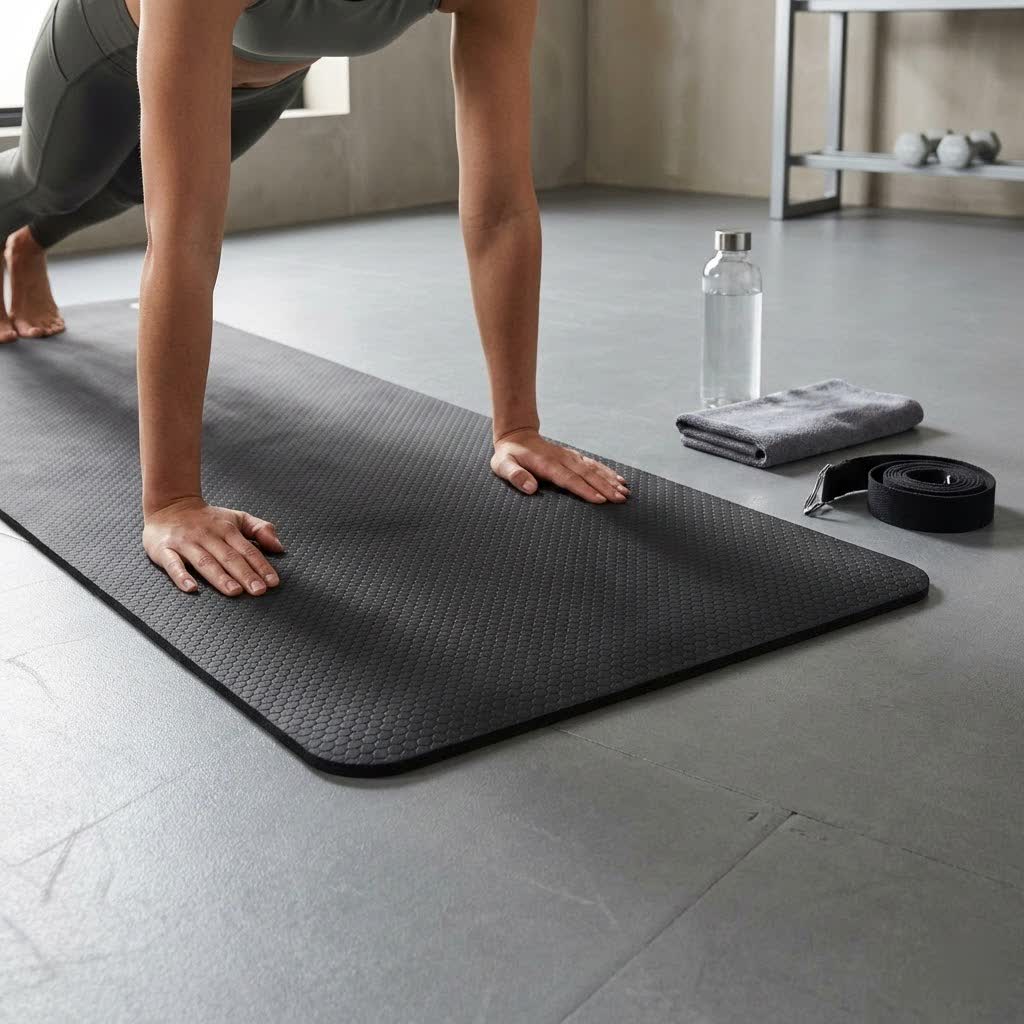
Stepping onto your yoga mat should feel like coming home – a sacred space where you connect with your body, mind, and spirit. But with an overwhelming array of options available, choosing the right yoga mat can feel less like a peaceful journey and more like a challenging pose. Whether you’re a seasoned yogi or just beginning your practice, finding a mat that perfectly balances grip, cushioning, durability, and eco-friendliness is crucial for a comfortable, safe, and fulfilling experience. This comprehensive guide will illuminate the path, helping you select the best rated yoga mat that aligns with your unique needs and practice style.
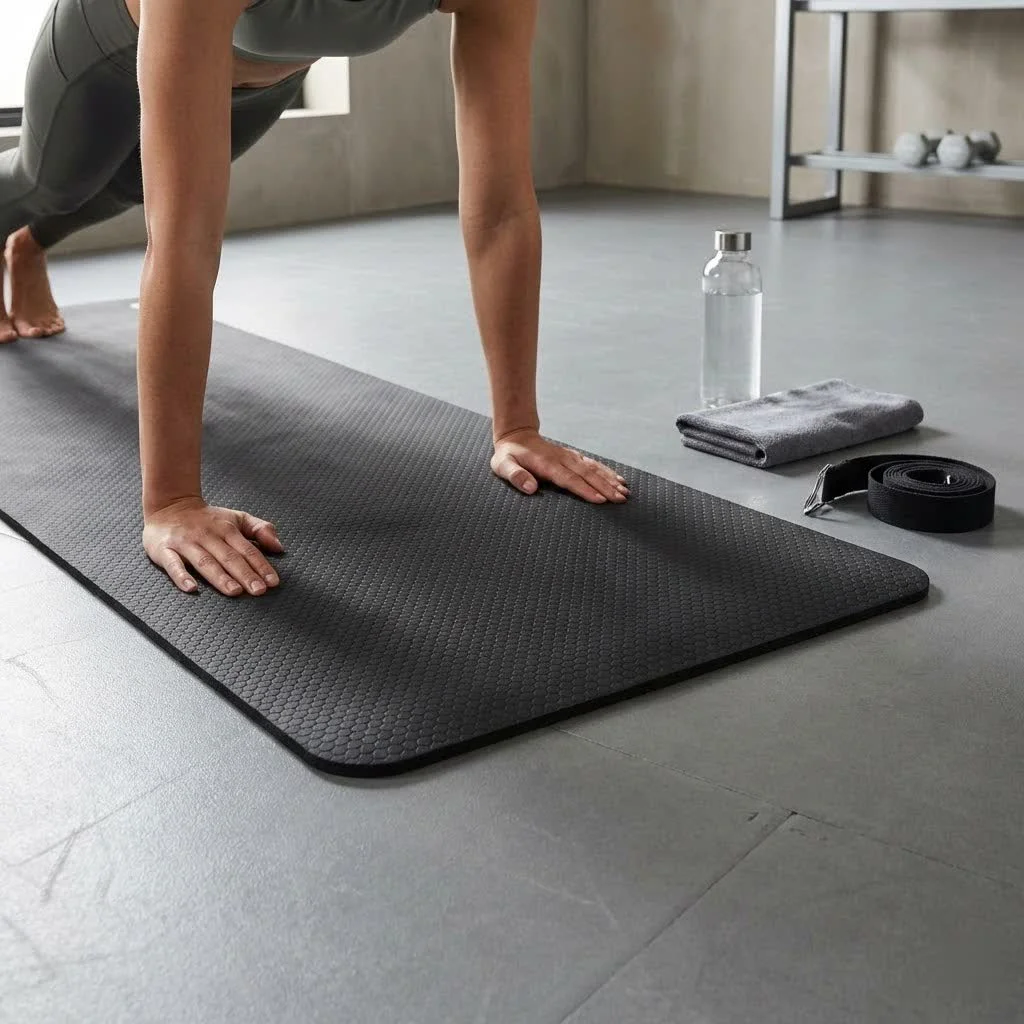
The Foundation of Your Practice: Why Your Yoga Mat Matters
Your yoga mat is more than just a piece of equipment; it’s an extension of your practice. A well-chosen mat provides essential stability, preventing slips and slides that could lead to injury, especially during dynamic flows or hot yoga sessions. It also offers crucial cushioning for your joints, ensuring comfort in seated poses, inversions, and during long holds. Investing in a quality yoga mat enhances your connection to the ground, deepens your poses, and ultimately elevates your entire yoga journey. For expert yoga mat reviews on this site.
Exploring the Landscape of Yoga Mat Materials
The material of your yoga mat dictates its performance, feel, and environmental impact. Understanding the characteristics of each common type is the first step toward making an informed decision.
PVC (Polyvinyl Chloride) Mats
PVC mats have long been a staple in the yoga world, known for their widespread availability and affordability.
- Pros: They are generally very durable, easy to clean, and offer good stickiness, which helps prevent slipping. Their closed-cell surface resists moisture absorption, making them hygienic.
- Cons: PVC is not biodegradable and its production can be environmentally intensive. Some users also report a factory smell upon unboxing, which typically dissipates over time. They might lack the cushioning found in other materials.
TPE (Thermoplastic Elastomer) Mats
TPE mats have emerged as a popular eco-friendlier alternative to PVC.
- Pros: TPE mats are often made from recyclable and biodegradable materials, making them a more sustainable choice. They are lightweight, soft, and offer good grip and cushioning, striking a balance between comfort and stability. They are typically latex-free, making them suitable for those with rubber allergies.
- Cons: While generally durable, they may not withstand intense, daily use as well as some natural rubber or PVC mats. They can also be more susceptible to scratches or indentations.
Natural Rubber Mats
|
Our Picks for the Best Yoga Mat in 2026
As an Amazon Associate I earn from qualifying purchases.
|
||
| Num | Product | Action |
|---|---|---|
| 1 | Retrospec Solana Yoga Mat 1" Thick w/Nylon Strap for Men & Women - Non Slip Exercise Mat for Home Yoga, Pilates, Stretching, Floor & Fitness Workouts |

|
| 2 | Retrospec Solana Yoga Mat 1" Thick w/Nylon Strap for Men & Women - Non Slip Exercise Mat for Home Yoga, Pilates, Stretching, Floor & Fitness Workouts |
|
| 3 | Amazon Basics 1/4 Inch Thick TPE Exercise Yoga Mat with Carrying Strap |
|
| 4 | Retrospec Solana Yoga Mat 1" Thick w/Nylon Strap for Men & Women - Non Slip Exercise Mat for Home Yoga, Pilates, Stretching, Floor & Fitness Workouts |
|
| 5 | Amazon Basics Extra Thick Exercise Yoga Mat with Carrying Strap |
|
| 6 | Retrospec Solana Yoga Mat 1" Thick w/Nylon Strap for Men & Women - Non Slip Exercise Mat for Home Yoga, Pilates, Stretching, Floor & Fitness Workouts |
|
| 7 | Retrospec Solana Yoga Mat 1" Thick w/Nylon Strap for Men & Women - Non Slip Exercise Mat for Home Yoga, Pilates, Stretching, Floor & Fitness Workouts |
|
| 8 | Amazon Basics Extra Thick Exercise Yoga Mat with Carrying Strap |
|
| 9 | Amazon Basics Extra Thick Exercise Yoga Mat with Carrying Strap |
|
| 10 | Retrospec Solana Yoga Mat 1" Thick w/Nylon Strap for Men & Women - Non Slip Exercise Mat for Home Yoga, Pilates, Stretching, Floor & Fitness Workouts |
|
Favored by many dedicated practitioners, natural rubber mats are celebrated for their exceptional grip and eco-conscious profile.
- Pros: Natural rubber provides superior non-slip traction, often becoming even grippier with a little sweat, making them ideal for hot yoga. They are biodegradable, sustainably sourced, and offer a dense, supportive cushioning.
- Cons: These mats can be heavier and pricier than other options. They often have a distinct rubber smell that can take time to fade, and they may not be suitable for individuals with latex allergies. Natural rubber can also be more sensitive to direct sunlight and high temperatures, which can shorten its lifespan.
Cork Mats
Cork yoga mats are an excellent choice for the environmentally conscious yogi seeking unique properties.
- Pros: Cork is naturally antimicrobial and antibacterial, making these mats incredibly hygienic. They are sustainably harvested and offer an impressive grip that actually improves when wet, absorbing sweat effectively. They provide moderate cushioning and a firm, stable surface.
- Cons: Cork mats can sometimes feel firmer than rubber or TPE, which might not be preferred by those needing plush cushioning. They may require specific care to prevent cracking if rolled incorrectly (always cork side out). Initial woodsy smell is common but usually fades.
Jute (Hemp/Cotton) Mats
While not as common as other types, jute, hemp, or cotton mats offer a more traditional, natural feel.
- Pros: Highly eco-friendly and biodegradable, these mats offer a textured surface that can aid in grip, especially when combined with a rubber backing. They provide a unique, earthy aesthetic.
- Cons: The textured surface might feel rough to some users. They may not offer the same level of cushioning or consistent grip as rubber or TPE, and often require an additional layer or towel for very sweaty practices.
Detailed Comparison: Choosing Your Ideal Mat
To help you navigate the choices, here’s a comprehensive comparison of popular yoga mat materials based on key criteria:
| Feature | PVC | TPE | Natural Rubber | Cork |
|---|---|---|---|---|
| Material | Polyvinyl Chloride | Thermoplastic Elastomer | Natural tree rubber | Cork, often with rubber/foam backing |
| Thickness (Avg.) | 4-6mm | 4-8mm | 4-5mm | 4-6mm |
| Grip | Good (sticky) | Good (soft, responsive) | Excellent (tacky, improves with sweat) | Excellent (improves when wet, antimicrobial) |
| Durability | Very high, long-lasting | Moderate to high | High | Moderate to high |
| Price | Low to Mid | Mid | High | High |
| Eco-friendliness | Low (not biodegradable) | High (recyclable, often biodegradable) | High (biodegradable, sustainable) | Very High (sustainable, antimicrobial) |
| Portability | Mid (can be heavy) | High (lightweight) | Low to Mid (can be heavy) | Mid (lighter than rubber, can be bulky) |
| Scent | Chemical/Plastic (fades) | Minimal/None | Strong rubber (fades) | Earthy/Woodsy (fades) |
| Allergy Concern | None | None (latex-free) | Latex allergy risk | None |
Your Personalized Guide to Selecting a Yoga Mat
Choosing the “best” yoga mat is deeply personal, influenced by your practice style, body, and priorities. Here are the key factors to consider:
Thickness: Cushioning vs. Connection
The thickness of your mat directly impacts comfort and stability.
- 3-5mm: This range is ideal for experienced yogis who prefer a strong connection to the floor and appreciate portability. Thinner mats offer more stability for balancing poses and can be easier to travel with.
- 6-8mm+: For beginners, those with sensitive joints (knees, wrists), or practitioners of restorative yoga, a thicker mat provides enhanced cushioning and comfort. While offering excellent support, overly thick mats (e.g., 10-15mm) might reduce stability in standing or balancing poses.
Grip: Staying Grounded, Not Slipping
A mat with excellent grip is non-negotiable for safety and confidence. Look for materials like natural rubber or polyurethane (often found as a top layer) which are known for their superior traction. If you practice hot yoga or sweat a lot, an open-cell surface or cork material that gets grippier when wet can prevent slips. Conversely, PVC mats offer a ‘sticky’ grip that many beginners find reassuring.
Size: Finding Your Space
Standard yoga mats are typically 68 inches long and 24 inches wide.
- Length: If you are taller than 5 feet 5 inches, consider a longer mat (72-84 inches) to ensure your entire body fits comfortably without your hands or feet touching the floor in poses like Downward Dog.
- Width: While 24 inches is standard, wider mats (up to 28 inches) offer more space for expansive movements, especially beneficial for home practice or those who prefer more room.
Material: Values and Performance
Your choice of material can reflect your values, particularly regarding environmental impact and natural textures.
- Eco-conscious: Opt for natural rubber or cork, which are sustainably sourced and biodegradable. TPE is a good recyclable synthetic option.
- Durability: PVC and high-quality natural rubber mats are known for their longevity.
- Feel: Some prefer the soft, smooth feel of TPE, while others love the grounded texture of natural rubber or cork. If you have latex allergies, avoid natural rubber.
Budget: An Investment in Your Practice
Yoga mats vary significantly in price. While budget-friendly options are great for beginners, investing in a higher-priced, quality mat often pays off in the long run.
- Beginner/Casual Use: Affordable PVC or TPE mats (under $50) are a good starting point.
- Dedicated Practitioners: Mid-to-high-range mats (over $80-$100) made from natural rubber, cork, or advanced synthetic blends often offer superior grip, durability, and features, making them a worthwhile investment for frequent use.
Mastering Mat Longevity: Cleaning and Storage Tips
Proper care ensures your yoga mat remains a supportive partner for years to come.
Cleaning After Every Practice
- Wipe Down: After each session, wipe your mat with a damp cloth to remove sweat and oils. For a deeper clean, use a dedicated yoga mat spray or a DIY solution of diluted antibacterial tea tree essential oil with water.
- Deep Cleaning: For stubborn grime, mix a small amount of bicarbonate of soda with water to form a paste, gently scrub with a soft cloth, then wipe clean with a damp sponge.
- Avoid Soaking: Mats are porous, and soaking them can break down materials and shorten their lifespan.
Proper Storage for Optimal Performance
- Air Dry Thoroughly: Always ensure your mat is completely dry before rolling it up to prevent mold, mildew, and odors. Lay it flat or hang it to air out.
- Roll, Don’t Fold: Most mats are designed to be rolled (often with the top surface facing outwards) to maintain their shape and prevent creases. Cork mats must be rolled cork-side out to avoid cracking.
- Cool, Dry Place: Store your mat away from direct sunlight and extreme heat, which can degrade materials, especially natural rubber, and affect its flexibility and durability. A cool, dry cupboard or a dedicated mat bag is ideal.
Top 5 Best Rated Yoga Mats for Every Yogi
Based on extensive testing and user reviews, these yoga mats consistently rank high for their performance, durability, and overall value, catering to diverse needs and preferences.
- Liforme Original Yoga Mat: Hailed as an all-rounder, this mat is made from natural rubber and eco-polyurethane. It’s famous for its unparalleled “GripForMe” material, which offers exceptional non-slip traction even during the sweatiest practices. The built-in alignment markers are a major upgrade for perfecting poses. While on the pricier side, its durability and performance make it a favorite for both beginners and advanced yogis.
- Manduka PRO Yoga Mat: A true workhorse, the Manduka PRO is celebrated for its legendary density, cushioning, and durability. Made from high-quality PVC, it offers a firm, stable surface that protects joints without compromising balance. While it requires a “break-in” period for optimal grip, it’s known to last a lifetime (literally, with a lifetime guarantee) and becomes better with age. It’s a heavier mat, best suited for home practice or short commutes.
- Jade Yoga Harmony Mat: An excellent choice for eco-conscious practitioners, the Jade Harmony is made from natural rubber and offers outstanding non-slip grip. It provides a good balance of cushioning and stability, making it versatile for various yoga styles, including hot yoga. JadeYoga also plants a tree for every mat sold, adding to its appeal for environmentally minded individuals.
- Yoloha Aura Cork Yoga Mat: For those seeking natural antimicrobial properties and a unique feel, the Yoloha Aura Cork mat is a standout. Its cork surface becomes grippier when wet, making it perfect for sweaty sessions. It’s lightweight and made from sustainable cork and plant-based foam, offering a supportive yet comfortable practice surface with an earthy aesthetic.
- Gaiam Essentials Premium Yoga Mat: A fantastic option for beginners or those on a budget, this TPE mat offers decent cushioning (often 6mm or more) and a reliable non-slip surface at an accessible price point. It’s lightweight and often comes with a carrying strap, making it easy to transport. While it may not have the extreme grip or longevity of premium mats, it provides excellent value for casual or introductory practices.
Conclusion: Embrace Your Practice with Confidence
Choosing the best rated yoga mat is a deeply personal decision that should enhance your journey towards wellness. By considering factors like material, thickness, grip, and how these align with your practice style and personal values, you can confidently select a mat that feels like a natural extension of yourself. Whether you prioritize unparalleled grip for dynamic flows, plush cushioning for restorative practices, or sustainable materials for an eco-conscious choice, there’s a perfect mat out there waiting for you.
What qualities are you looking for in your next yoga mat to improve your practice?
Get our weekly buyer guide
Practical specs, not advice. Unsubscribe anytime.

I’ve been struggling with wrist pain during my practice, and the recommendation for thicker mats with extra cushioning was a game-changer. I finally invested in one of the 6mm options mentioned, and it’s made such a difference. My wrists feel so much better, and I can hold poses longer without discomfort. Highly recommend paying attention to the thickness if you have joint issues!
I picked up one of the mats in the mid-range price point, around $50-$70, hoping for a good balance. While the grip is decent, I found it started to show wear and tear pretty quickly, especially where my feet pivot. It’s okay for light use, but if you’re practicing daily, you might want to consider investing a bit more for something more durable. Just a heads up.
I really appreciated the breakdown of eco-friendly materials. I’ve been trying to make more sustainable choices, and it was great to see options like natural rubber and TPE highlighted. I ended up going with a natural rubber mat, and the grip is fantastic, even when I get a little sweaty. It’s a bit heavier than my old mat, but worth it for the peace of mind.
As someone who does a lot of hot yoga, finding a mat that doesn’t become a slip-and-slide is essential. The guide’s emphasis on mats with superior wet grip was spot on. I tried one of the brands known for its absorbent surface, and it’s been amazing. No more towel slipping around, and I feel much more stable in my inversions. This really helped me narrow down my choices.