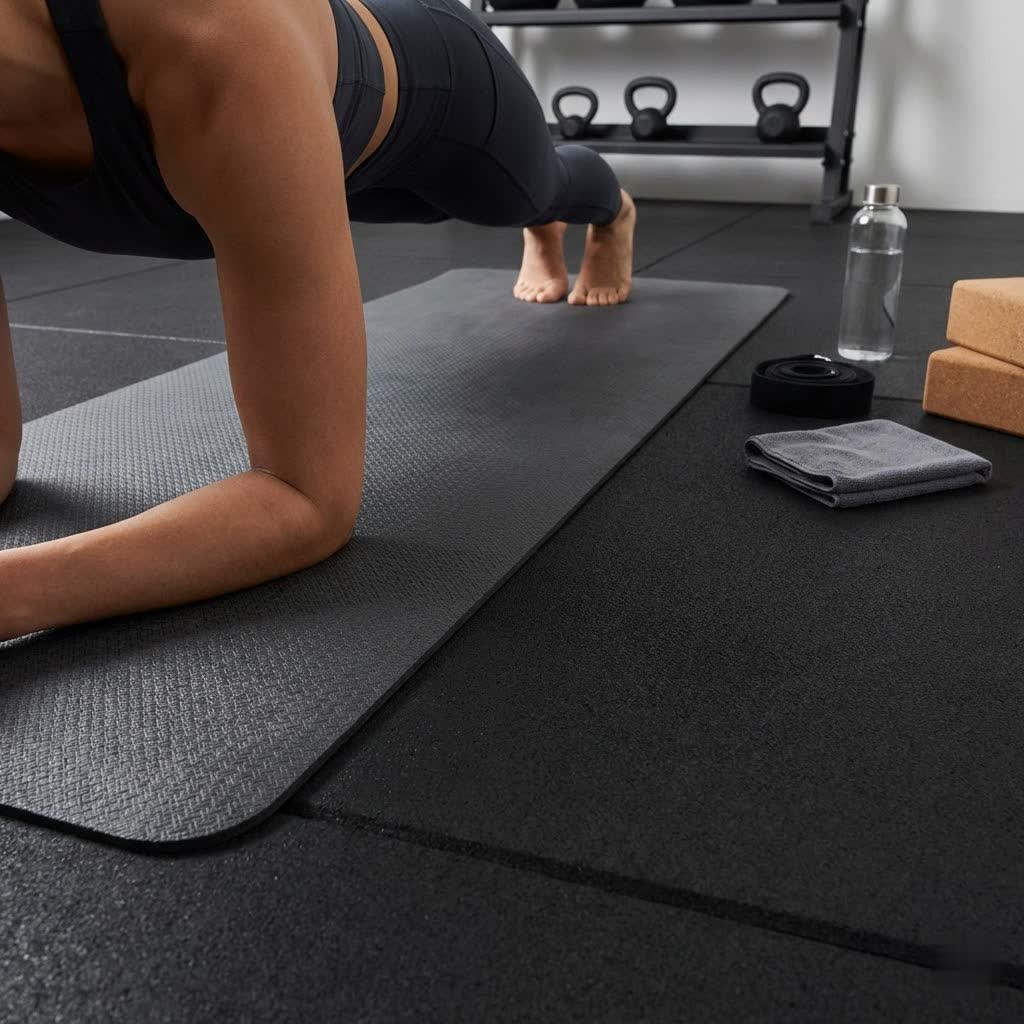
Stepping onto your yoga mat, ready to find your flow, only to feel your hands and feet begin to slip as the sweat builds? This common challenge can disrupt focus, compromise stability, and even lead to injuries. While your yoga mat provides the foundational cushioning, a specialized yoga mat towel is the silent companion that can truly transform your practice, especially in warmer conditions or during dynamic, sweat-inducing sessions. It’s more than just an accessory; it’s a vital tool for hygiene, grip, and extending the life of your beloved mat.
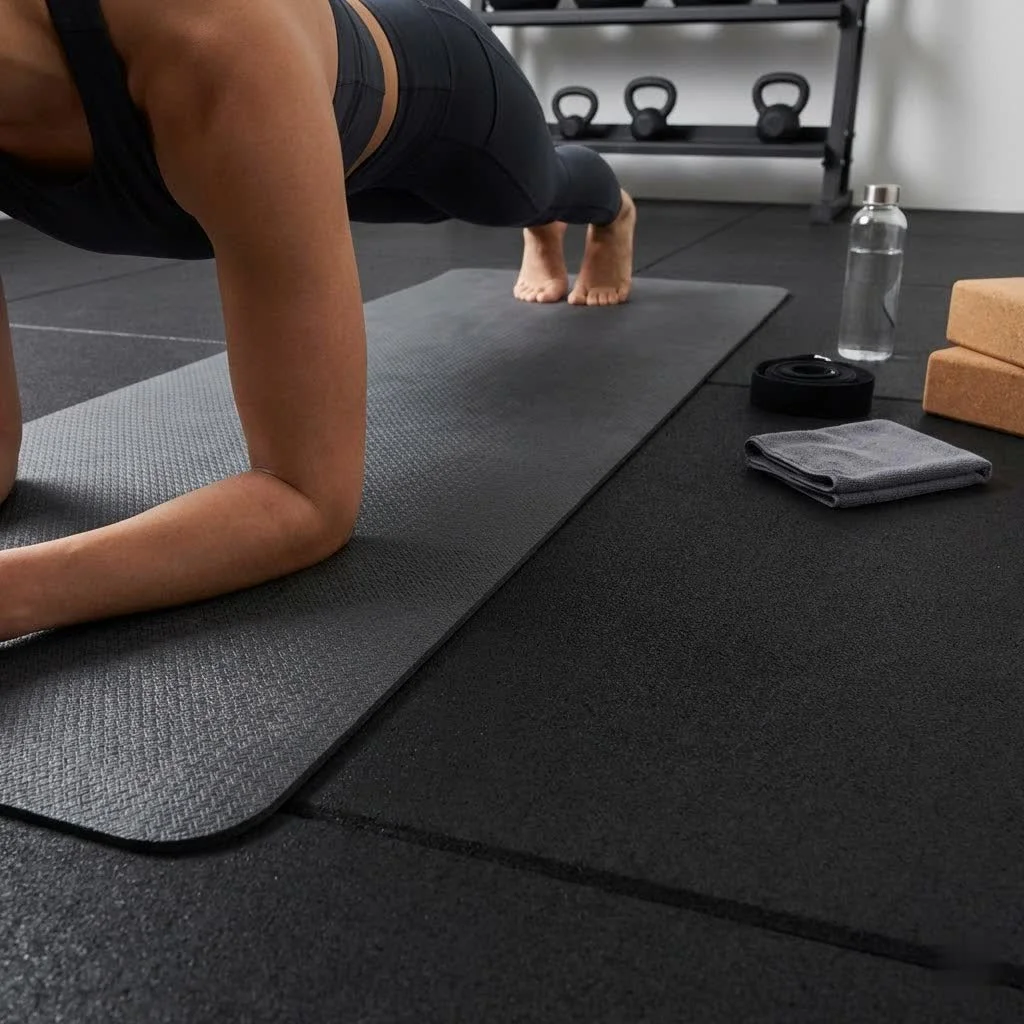
In this comprehensive guide, we’ll unroll everything you need to know about yoga mat towels. We’ll explore their essential purpose, delve into the diverse materials they’re made from, provide clear criteria for choosing the perfect one, clarify how they differ from traditional yoga mats, and offer practical advice on care and maintenance. Prepare to discover how this simple addition can elevate your yoga experience, allowing you to move with confidence, comfort, and unwavering stability. For see our yoga mat recommendations on this site.
What is a Yoga Mat Towel and Why Do You Need One?
A yoga mat towel is a specially designed, absorbent fabric overlay placed on top of your yoga mat. Unlike a standard bath towel, it’s engineered with specific features to address the unique demands of a yoga practice. Many yogis consider it an indispensable item, particularly for styles like hot yoga or power Vinyasa where perspiration is abundant.
The primary reasons you might need a yoga mat towel are rooted in enhancing your practice’s safety, comfort, and cleanliness. Imagine holding a challenging pose, only for your hands to slide, breaking your alignment and concentration. A quality yoga mat towel prevents this by providing a secure, non-slip surface, often becoming even grippier as it absorbs moisture. This crucial stability not only reduces the risk of slips and falls but also allows you to delve deeper into poses with greater confidence and focus.
Beyond grip, these towels act as a hygienic barrier. Your mat can collect sweat, dirt, and bacteria over time, especially if you use communal studio mats. A yoga mat towel creates a clean, personal surface, protecting you from germs and significantly reducing the need for frequent, intensive mat cleaning. This barrier also shields your yoga mat from the oils and friction of your practice, extending its lifespan and preserving its original texture and stickiness. Furthermore, some yoga towels offer an additional, subtle layer of cushioning, adding comfort to poses that put pressure on your knees, wrists, or hips. For those who practice outdoors, a lightweight yoga towel can serve as a protective layer on grass or sand, keeping your mat clean and portable.
Unrolling the Options: Popular Yoga Mat Towel Materials
The material of your yoga mat towel significantly impacts its performance, absorbency, grip, and feel. Understanding the differences can help you select a towel that best suits your needs and preferences.
Microfiber
|
Our Picks for the Best Yoga Mat in 2026
As an Amazon Associate I earn from qualifying purchases.
|
||
| Num | Product | Action |
|---|---|---|
| 1 | Retrospec Solana Yoga Mat 1" Thick w/Nylon Strap for Men & Women - Non Slip Exercise Mat for Home Yoga, Pilates, Stretching, Floor & Fitness Workouts |

|
| 2 | Retrospec Solana Yoga Mat 1" Thick w/Nylon Strap for Men & Women - Non Slip Exercise Mat for Home Yoga, Pilates, Stretching, Floor & Fitness Workouts |
|
| 3 | Amazon Basics 1/4 Inch Thick TPE Exercise Yoga Mat with Carrying Strap |
|
| 4 | Retrospec Solana Yoga Mat 1" Thick w/Nylon Strap for Men & Women - Non Slip Exercise Mat for Home Yoga, Pilates, Stretching, Floor & Fitness Workouts |
|
| 5 | Amazon Basics Extra Thick Exercise Yoga Mat with Carrying Strap |
|
| 6 | Retrospec Solana Yoga Mat 1" Thick w/Nylon Strap for Men & Women - Non Slip Exercise Mat for Home Yoga, Pilates, Stretching, Floor & Fitness Workouts |
|
| 7 | Retrospec Solana Yoga Mat 1" Thick w/Nylon Strap for Men & Women - Non Slip Exercise Mat for Home Yoga, Pilates, Stretching, Floor & Fitness Workouts |
|
| 8 | Amazon Basics Extra Thick Exercise Yoga Mat with Carrying Strap |
|
| 9 | Amazon Basics Extra Thick Exercise Yoga Mat with Carrying Strap |
|
| 10 | Retrospec Solana Yoga Mat 1" Thick w/Nylon Strap for Men & Women - Non Slip Exercise Mat for Home Yoga, Pilates, Stretching, Floor & Fitness Workouts |
|
Microfiber is by far the most popular material for yoga mat towels, and for good reason. It’s a synthetic blend, usually of polyester and polyamide, known for its exceptional properties.
- Pros: Microfiber towels are incredibly absorbent, capable of soaking up a large amount of sweat, which is vital for maintaining a dry surface. They are also quick-drying, making them convenient for frequent use and washing. The material feels soft against the skin and is generally durable, standing up well to repeated washes. Many microfiber towels are designed with a texture that actually improves grip when damp, a game-changer for hot yoga.
- Cons: Being a synthetic material, it may not appeal to those seeking natural fiber options.
Cotton
Cotton towels offer a more traditional, natural feel that some yogis prefer.
- Pros: Cotton is inherently soft and comfortable, providing a familiar feel under your hands and feet. It’s a natural fiber, which is a plus for environmentally conscious practitioners.
- Cons: Compared to microfiber, cotton is generally less absorbent and slower to dry. It also tends to slip more easily on a yoga mat, especially when dry or only slightly damp, which can be a significant drawback for active practices.
Bamboo
Bamboo-derived fabrics are emerging as an eco-friendly alternative, often blended with other fibers.
- Pros: Bamboo is known for being highly sustainable and eco-friendly. It boasts excellent quick-drying properties and has natural antibacterial characteristics, which can help keep your towel fresh. The fabric itself is often luxuriously soft.
- Cons: Bamboo towels can sometimes be more expensive than microfiber options. They might also require more careful washing to maintain their integrity.
Recycled/Sustainable Blends
Many brands are now committed to sustainability, offering yoga mat towels made from recycled materials or innovative eco-blends.
- Pros: These towels are a fantastic choice for the environmentally conscious yogi, reducing waste and supporting sustainable practices. They often incorporate advanced grip technologies while maintaining absorbency and durability. Some are made from recycled plastic bottles, giving new life to discarded materials.
- Cons: Availability might be limited depending on the brand, and they can sometimes come with a higher price tag.
Choosing Your Perfect Yoga Mat Towel: A Comprehensive Guide
Selecting the right yoga mat towel can significantly impact your practice. With so many options available, consider these key factors to find one that perfectly matches your needs.
Absorbency and Quick-Drying Capability
The primary function of a yoga mat towel is to manage sweat. Look for materials like microfiber or bamboo that are known for their high absorbency. A towel that quickly wicks away moisture will keep your practice surface dry, preventing slips and allowing you to maintain focus. Equally important is its quick-drying nature, essential for hygiene and convenience, especially if you practice frequently. No one wants to roll up a damp, heavy towel after class.
Grip Technology
This is perhaps the most critical feature. A yoga towel is useless if it slides around on your mat. Different towels employ various grip technologies:
- Textured Surfaces: Many microfiber towels have a slight texture that provides grip, often enhancing as they absorb moisture.
- Silicone Dots/Nubs: The underside of many yoga towels features small silicone dots or a web-like pattern that grips the surface of your yoga mat, preventing bunching and slippage. These are highly effective for dynamic practices.
- Corner Pockets/Straps: Some innovative designs include pockets or elastic straps at the corners that wrap around your yoga mat, securing the towel firmly in place. This prevents the towel from moving even during the most active flows.
When testing, consider if the towel offers sufficient grip not just when wet, but also when dry, as your practice may start before you’ve fully worked up a sweat.
Size and Fit
Your yoga mat towel should ideally cover your entire yoga mat to maximize its benefits. Standard yoga mats are typically 24 inches wide by 68 or 72 inches long. Measure your mat to ensure a perfect fit, preventing exposed slippery areas. For taller individuals or those with larger mats, extended length options (up to 78 inches) are available. You might also consider smaller hand towels designed to wipe away sweat from your face and hands, or to provide targeted grip for specific poses.
Thickness and Comfort
Yoga mat towels are generally thin to maintain close contact with your mat. However, some offer a slightly thicker weave that can provide a subtle, extra layer of cushioning, which is beneficial for sensitive joints. While added thickness can mean more comfort, it might also make the towel slightly bulkier to carry and slower to dry. Strive for a balance between comfort, portability, and functionality.
Durability and Washability
Given that a yoga mat towel is designed to absorb sweat, it will require frequent washing. Choose a towel made from durable materials that can withstand regular machine washing without losing its shape, absorbency, or grip. Most quality yoga towels are machine washable in cold water, and many recommend avoiding fabric softeners, as these can reduce absorbency and affect the grip-enhancing properties of synthetic materials. Always check the manufacturer’s care instructions for the best results.
Eco-Consciousness
If environmental impact is important to you, seek out towels made from sustainable materials like bamboo, organic cotton, or recycled plastics. Many brands are now prioritizing eco-friendly production processes and non-toxic dyes, aligning your practice with a commitment to planetary well-being.
Budget
Yoga mat towels come in a wide range of prices, from budget-friendly options to premium selections. While it’s tempting to opt for the cheapest, investing in a good quality towel often means better performance, greater durability, and a more satisfying practice experience in the long run. Determine your budget, but prioritize features that truly matter for your yoga style.
Yoga Mat Towel vs. Yoga Mat: Understanding the Difference
It’s a common misconception that a yoga mat towel can fully replace a yoga mat. In reality, they serve complementary but distinct purposes in your practice. Understanding this difference is key to maximizing the benefits of both.
A yoga mat is your foundational piece of equipment. It’s designed to provide cushioning, stability, and a primary non-slip surface directly on the floor. Mats are typically made from materials like PVC, rubber, or TPE, which offer various levels of grip and density. They create a consistent, supportive base for all your poses, protecting your joints and defining your practice space.
A yoga mat towel, on the other hand, is an overlay. It’s thinner and primarily designed for superior sweat absorption and enhanced grip, especially when wet. While some yoga towels have non-slip backings that give them a degree of stability, they typically do not provide the same level of cushioning or foundational support as a dedicated yoga mat.
The ideal scenario for most yogis, particularly those engaged in vigorous or hot yoga, is to use them in conjunction. The yoga mat provides the necessary cushioning and base layer, while the yoga mat towel on top tackles the sweat, maintains hygiene, and adds a crucial layer of non-slip security. Using both ensures a comfortable, stable, and sanitary practice environment. While a towel might suffice on softer surfaces like carpet or grass, for hard floors and demanding poses, the combination of mat and towel is unparalleled.
Caring for Your Yoga Mat Towel: Tips for Longevity & Freshness
Proper care and maintenance are crucial to ensure your yoga mat towel remains hygienic, absorbent, and effective for many practices to come. Just like your athletic wear, your yoga towel requires attention after each use to prevent bacteria buildup and maintain its integrity.
The golden rule for all yoga towels is to wash them after every single use. This is especially important for hot yoga, where the towel absorbs significant amounts of sweat. Regular washing prevents odors, mildew, and the accumulation of bacteria, ensuring a fresh and clean surface for your next session.
When it comes to washing, most yoga mat towels are machine washable. Opt for a cold water cycle with a gentle detergent. For microfiber towels in particular, it is vital to avoid using fabric softener. Fabric softeners can clog the microfibers, reducing the towel’s absorbency and potentially diminishing its grip-enhancing properties. Instead, a little white vinegar in the wash can act as a natural softener and odor remover without leaving a residue.
After washing, you have a couple of options for drying. Most yoga towels are quick-drying, so hanging them to air dry is an excellent, energy-efficient choice. If you prefer to use a dryer, set it to a low heat or tumble dry setting. High heat can damage the delicate fibers of some towels, especially those with silicone grips, potentially causing them to lose their effectiveness over time. Always check the specific care instructions provided by the manufacturer, as some unique materials or grip technologies might have particular requirements.
One final tip for enhancing grip: some yoga towels perform best when slightly damp at the start of practice. If you find your towel initially slips, try lightly misting it with water before you begin. This can activate the grip properties of certain microfiber weaves, giving you immediate security from the first sun salutation.
Conclusion
A yoga mat towel is far more than a simple piece of fabric; it’s a game-changer for anyone seeking a more stable, hygienic, and comfortable yoga practice. By effectively managing sweat, providing superior grip, and acting as a protective barrier for your mat, it allows you to deepen your poses and maintain unwavering focus.
Whether you’re battling the heat in a Bikram class, flowing through a vigorous Vinyasa, or simply valuing a cleaner practice space, investing in the right yoga mat towel can elevate your entire experience. Consider the material, grip technology, size, and care requirements to choose a towel that aligns perfectly with your yoga journey. With the perfect yoga mat towel by your side, you’re free to fully immerse yourself in every stretch, every breath, and every moment on your mat.
What will be the first pose you conquer with newfound confidence on your new yoga mat towel?
Frequently Asked Questions
Do I really need a yoga mat towel?
While not strictly mandatory for every single practice, a yoga mat towel is highly recommended if you sweat during yoga, practice hot yoga, or use communal mats. It significantly enhances grip, improves hygiene, and extends the life of your mat, making your practice safer and more enjoyable.
How often should I wash my yoga mat towel?
For optimal hygiene and performance, it is strongly recommended to wash your yoga mat towel after every single use, especially if you sweat heavily or attend hot yoga classes. This prevents odor, bacteria buildup, and maintains absorbency.
Can I use a regular bath towel instead of a yoga mat towel?
Regular bath towels are typically not suitable as they lack the specialized non-slip properties and high absorbency of a yoga mat towel. They are prone to bunching, slipping, and saturating quickly, which can hinder your practice and create safety risks.
Do yoga mat towels work with all yoga mats?
Most yoga mat towels are designed to fit standard-sized yoga mats. However, for the best grip and to prevent slippage, look for towels with specific anti-slip features like silicone dots or corner pockets, which generally work well across various mat materials.
What’s the best way to make my yoga towel grippier?
Many yoga mat towels, especially those made of microfiber, become grippier when damp. Lightly misting your towel with water before class can often activate its non-slip properties from the very beginning of your practice, providing immediate stability.
Get our weekly buyer guide
Practical specs, not advice. Unsubscribe anytime.

I’ve always just used a regular bath towel, but after reading about the specific benefits of yoga mat towels, I decided to invest. The difference in absorbency and how it grips the mat is noticeable. I appreciate the tips on care and maintenance too; it’s good to know how to keep it fresh without damaging the fibers. My only minor complaint is that it took a couple of washes to really get rid of the initial ‘new fabric’ smell.
This guide was super helpful in breaking down the different materials. I was torn between cotton and microfiber, but after reading about the quick-drying properties of microfiber, I went with that. It’s perfect for my Vinyasa classes where I tend to sweat a lot. It dries so fast and keeps my mat much cleaner. Definitely an essential for any serious yogi!
I was looking for something to help with hygiene, especially since I practice at a studio. I got a towel in the mid-price range, and while it does absorb sweat well, I found it still bunched up a bit during more dynamic flows. It’s better than nothing, but I might try a different brand next time to see if I can get one that stays perfectly flat. The material is soft though, which is a plus.
I used to dread hot yoga because of how much I’d slip, even on my ‘non-slip’ mat. This guide really helped me understand why a towel is so crucial. I picked up one of the microfiber options mentioned, and it’s been a game-changer. My hands and feet stay put, and I can finally focus on my poses instead of worrying about sliding around. Highly recommend adding one to your setup!