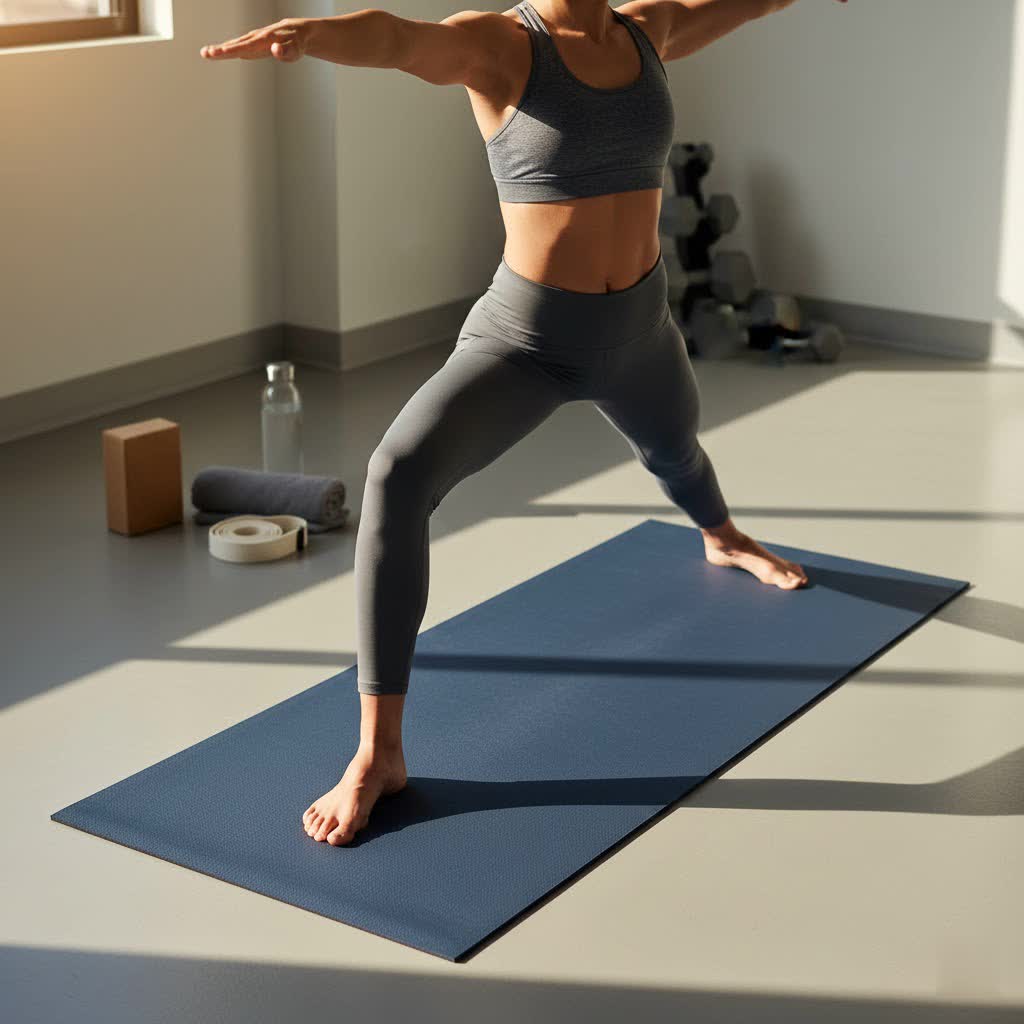
Stepping onto your yoga mat is often the first mindful act of your practice, a clear signal to transition from the everyday hustle to inner calm. But what if that sacred space isn’t quite right? A subpar yoga mat can disrupt your focus, compromise your stability, and even lead to discomfort. With countless options available, finding the best yoga mat tailored to your unique needs and practice style is crucial for enhancing your journey. This comprehensive guide will illuminate the path to selecting a mat that supports every pose, every breath, and every moment of your yoga experience.
Unveiling the World of Yoga Mat Materials
The foundation of any great yoga mat lies in its material. Each type offers a distinct blend of characteristics that impact grip, cushioning, durability, and environmental footprint. Understanding these differences is key to making an informed choice for your practice.
PVC (Polyvinyl Chloride) Mats
PVC mats have long been a staple in the yoga world, known for their widespread availability and affordability. They often boast excellent grip on the floor, providing a stable surface for various poses. However, their environmental impact is a significant drawback.
- Pros: Generally inexpensive, widely available, durable, easy to clean, offers good floor grip.
- Cons: Not eco-friendly, non-biodegradable, can contain phthalates and other synthetic chemicals, may become slippery with heavy sweat, can have an initial chemical smell.
TPE (Thermoplastic Elastomer) Mats
TPE mats strike a balance between performance and environmental consciousness. This synthetic blend, often of plastic and rubber polymers, is a popular choice for those seeking a more eco-friendly option than PVC without the common drawbacks of natural rubber.
- Pros: Often recyclable and non-toxic, lightweight, good cushioning and grip, generally more eco-friendly than PVC.
- Cons: May be less durable than high-end PVC or natural rubber, can be less grippy than natural rubber, slightly higher price point than basic PVC.
Natural Rubber Mats
Favored by many dedicated yogis and instructors, natural rubber mats are celebrated for their exceptional grip and eco-friendly credentials. They provide a firm, stable surface that enhances connection to the ground.
- Pros: Superior grip (especially good for hot yoga), highly durable, biodegradable, made from renewable resources, provides excellent cushioning.
- Cons: Can be heavy, may have a distinct rubber smell (which often dissipates), higher price point, not suitable for individuals with latex allergies.
Cork Mats
For those who prioritize sustainability and a unique feel, cork mats offer an intriguing alternative. Cork is a natural, renewable material known for its anti-bacterial properties and excellent grip, particularly when wet.
- Pros: Naturally antimicrobial, excellent grip (improves with moisture), eco-friendly and sustainable, free from harmful chemicals.
- Cons: Can be less cushioned than other materials, potentially rougher texture, requires careful storage and maintenance, can be pricey.
Jute (Sisal Fiber) Mats
|
Our Picks for the Best Yoga Mat in 2026
As an Amazon Associate I earn from qualifying purchases.
|
||
| Num | Product | Action |
|---|---|---|
| 1 | Retrospec Solana Yoga Mat 1" Thick w/Nylon Strap for Men & Women - Non Slip Exercise Mat for Home Yoga, Pilates, Stretching, Floor & Fitness Workouts |

|
| 2 | Amazon Basics Extra Thick Exercise Yoga Mat with Carrying Strap |
|
| 3 | Retrospec Solana Yoga Mat 1" Thick w/Nylon Strap for Men & Women - Non Slip Exercise Mat for Home Yoga, Pilates, Stretching, Floor & Fitness Workouts |
|
| 4 | Amazon Basics Extra Thick Exercise Yoga Mat with Carrying Strap |
|
| 5 | Retrospec Solana Yoga Mat 1" Thick w/Nylon Strap for Men & Women - Non Slip Exercise Mat for Home Yoga, Pilates, Stretching, Floor & Fitness Workouts |
|
| 6 | Amazon Basics 1/4 Inch Thick TPE Exercise Yoga Mat with Carrying Strap |
|
| 7 | Retrospec Solana Yoga Mat 1" Thick w/Nylon Strap for Men & Women - Non Slip Exercise Mat for Home Yoga, Pilates, Stretching, Floor & Fitness Workouts |
|
| 8 | Retrospec Solana Yoga Mat 1" Thick w/Nylon Strap for Men & Women - Non Slip Exercise Mat for Home Yoga, Pilates, Stretching, Floor & Fitness Workouts |
|
| 9 | Retrospec Solana Yoga Mat 1" Thick w/Nylon Strap for Men & Women - Non Slip Exercise Mat for Home Yoga, Pilates, Stretching, Floor & Fitness Workouts |
|
| 10 | Amazon Basics Extra Thick Exercise Yoga Mat with Carrying Strap |
|
Jute mats provide a rustic, natural option that combines sustainability with functionality. Made from plant fibers, they are breathable and offer good traction.
- Pros: Eco-friendly and biodegradable, good grip, durable, breathable.
- Cons: Can have a rougher texture which might be uncomfortable for some, may offer less cushioning than rubber or PVC, can absorb moisture and become heavy, susceptible to damage from direct sunlight.
Detailed Comparison: Finding Your Ideal Mat
Choosing the best yoga mat means weighing various factors against your personal practice and preferences. This table offers a quick comparison across key criteria.
| Feature | PVC Mat | TPE Mat | Natural Rubber Mat | Cork Mat | Jute Mat |
|---|---|---|---|---|---|
| Material | Synthetic plastic | Plastic & rubber polymers | Natural tree rubber | Sustainably harvested cork bark | Natural jute fibers |
| Typical Thickness | 3-6mm | 4-6mm | 4-5mm | 3-5mm | 3-5mm |
| Grip (Dry/Wet) | Good (dry), Slippery (wet) | Good (dry), Moderate (wet) | Excellent (dry & wet) | Excellent (dry & wet, improves with moisture) | Good (dry), Moderate (wet) |
| Durability | High | Moderate to High | High | Moderate | Moderate to High |
| Price Range | Low to Mid | Mid | High | High | Mid to High |
| Eco-Friendliness | Low (non-biodegradable, potential toxins) | High (often recyclable, non-toxic) | High (biodegradable, renewable) | High (biodegradable, renewable, antimicrobial) | High (biodegradable, renewable) |
| Portability | Moderate | High (lightweight) | Low (heavy) | Moderate | Moderate |
| Maintenance | Easy to clean | Easy to clean | Requires specific cleaning, air drying | Wipe clean, air dry | Wipe clean, air dry, avoid direct sun |
Your Guide to Choosing the Perfect Yoga Mat
Selecting the best yoga mat goes beyond just material. Consider these critical factors to ensure your mat aligns with your yoga journey.
Thickness: Cushioning vs. Connection
The thickness of your mat significantly impacts comfort and stability.
- 3-5mm: This is a standard thickness, offering a good balance of cushioning and floor connection. It’s ideal for those with a strong, flowing practice like Vinyasa, where stability is key. Thinner mats prevent you from sinking too much, aiding balance in standing poses.
- 6-8mm: Thicker mats provide enhanced cushioning and joint protection, making them excellent for beginners, individuals with sensitive knees or joints, or practices involving longer holds and floor work like Restorative or Yin yoga. However, they can sometimes make balancing poses more challenging due to less direct floor contact.
Grip: Staying Grounded
A non-slip surface is paramount to prevent injuries and maintain proper alignment, especially in dynamic or sweaty practices.
- Look for mats with textured surfaces that promise superior traction. Natural rubber and cork mats are highly praised for their excellent grip, even when damp. If you tend to sweat a lot, particularly in hot yoga, a mat with exceptional wet grip or pairing your mat with a yoga towel can be a game-changer.
- “The best yoga mat really depends on what type of practice you’re interested in,” says yoga and Pilates instructor Eloise Skinner. “For most dynamic forms of yoga, a strong grip will be important, especially for hot yoga, which often requires a specific material designed for a hot studio.”
Size: Space to Move
Most yoga mats come in a standard size (around 68-72 inches long and 24 inches wide). However, if you are taller or prefer more space, consider longer or wider options available from various brands. Ensure your mat allows you to lie down fully without your head or feet touching the floor.
Material: Environmental Impact and Personal Needs
As discussed, materials vary greatly in their properties. If eco-friendliness is a priority, opt for natural rubber, cork, or jute mats. Always check for certifications like “PVC-free” or “latex-free” if you have allergies or specific concerns.
Budget: Investment in Your Practice
Yoga mats range widely in price. While budget-friendly options are great for beginners or casual use, dedicated practitioners often find that investing in a higher-quality mat offers better durability, grip, and comfort over time. More expensive mats often provide a more reliable and lasting practice surface.
Essential Tips for Cleaning and Storing Your Yoga Mat
Proper care is essential to prolong the life of your best yoga mat and maintain hygiene.
Cleaning After Every Practice
- Wipe Down: After each session, especially if you’ve been sweating, use a damp cloth to wipe down your mat. This removes sweat, dirt, and oils.
- Specialized Cleaners: Consider using a yoga mat cleaning spray, or make your own mild solution with water and a small amount of gentle soap or white vinegar. Always check your mat’s care instructions, as some materials react differently to certain cleaners.
- Air Dry: Allow your mat to air dry completely before rolling it up. This prevents mold and mildew buildup, keeping your mat fresh.
Proper Storage
- Roll, Don’t Fold: Always roll your mat to prevent creases and damage to the material. Roll it tightly with the top surface facing outwards to help it lie flat during your next practice.
- Avoid Direct Sunlight: Prolonged exposure to direct sunlight can degrade many mat materials, particularly natural rubber, causing them to become brittle or fade. Store your mat in a cool, dry place away from harsh light.
- Use a Carry Bag: A yoga mat bag or strap not only makes transport easier but also protects your mat from dirt, dust, and environmental elements.
Top Yoga Mats Recommended by Experts
Based on widespread acclaim, durability, grip, and user satisfaction, here are some of the best yoga mat options that consistently earn high praise:
- Manduka Pro: Often hailed as an industry standard, the Manduka Pro is a favorite among instructors for its exceptional density, cushioning, and durability. It offers a firm, stable surface that improves with age and use.
- Liforme Yoga Mat: Known for its unparalleled grip, especially in sweaty conditions, and unique “AlignForMe” markers that aid in precise hand and foot placement. It’s made from natural rubber and eco-polyurethane.
- JadeYoga Harmony Mat: A top pick for eco-conscious yogis, this natural rubber mat provides excellent traction and cushioning. JadeYoga also plants a tree for every mat sold, contributing to its strong environmental profile.
- Lululemon The Mat: This versatile mat features a natural rubber base with a polyurethane top layer designed to absorb moisture and provide superior grip, making it ideal for hot yoga. It’s also reversible, offering different surfaces for varied practices.
- Gaiam Print Premium Yoga Mat: A popular choice for beginners and those seeking a budget-friendly option. Made from PVC, it offers decent cushioning and comes in a variety of appealing designs, making it a great entry-level mat.
- Yogi Bare Paws Extreme Grip Yoga Mat: Praised for its intense grip, particularly beneficial for hot yoga. This mat is also biodegradable and made with sustainable materials.
Conclusion
Choosing the best yoga mat is a personal journey, as unique as your practice itself. It’s about finding that perfect blend of support, stability, and comfort that allows you to deepen your poses and enhance your mental focus. Whether you prioritize eco-friendliness, superior grip for intense sessions, extra cushioning for joint support, or a lightweight option for travel, there’s a mat out there waiting to become your trusted companion. By considering the material, thickness, grip, size, and your budget, you’re well on your way to discovering a mat that transforms your practice.
What qualities do you value most in your yoga mat, and how has it impacted your practice?
Frequently Asked Questions
What is the ideal thickness for a yoga mat?
The ideal yoga mat thickness depends on your practice style and personal needs. A 4-5mm mat offers a versatile balance of cushioning and stability, suitable for most general yoga practices. Thicker mats (6-8mm) are excellent for sensitive joints and restorative poses, while thinner mats (1-3mm) provide maximum stability for advanced balancing poses and are great for travel.
How often should I clean my yoga mat?
It’s best to wipe down your yoga mat with a damp cloth or specialized mat cleaner after every practice to remove sweat and dirt. For a deeper clean, especially if you practice frequently or in hot environments, a more thorough wash with mild soap and water every few weeks is recommended. Always ensure it’s completely dry before rolling.
Are eco-friendly yoga mats worth the extra cost?
Eco-friendly yoga mats, often made from natural rubber, cork, or jute, typically come at a higher price point than conventional PVC mats. However, many find the investment worthwhile due to their superior grip, enhanced durability, non-toxic composition, and reduced environmental impact. They offer a healthier choice for both you and the planet, often leading to a more satisfying and conscious practice.
Get our weekly buyer guide
Practical specs, not advice. Unsubscribe anytime.
