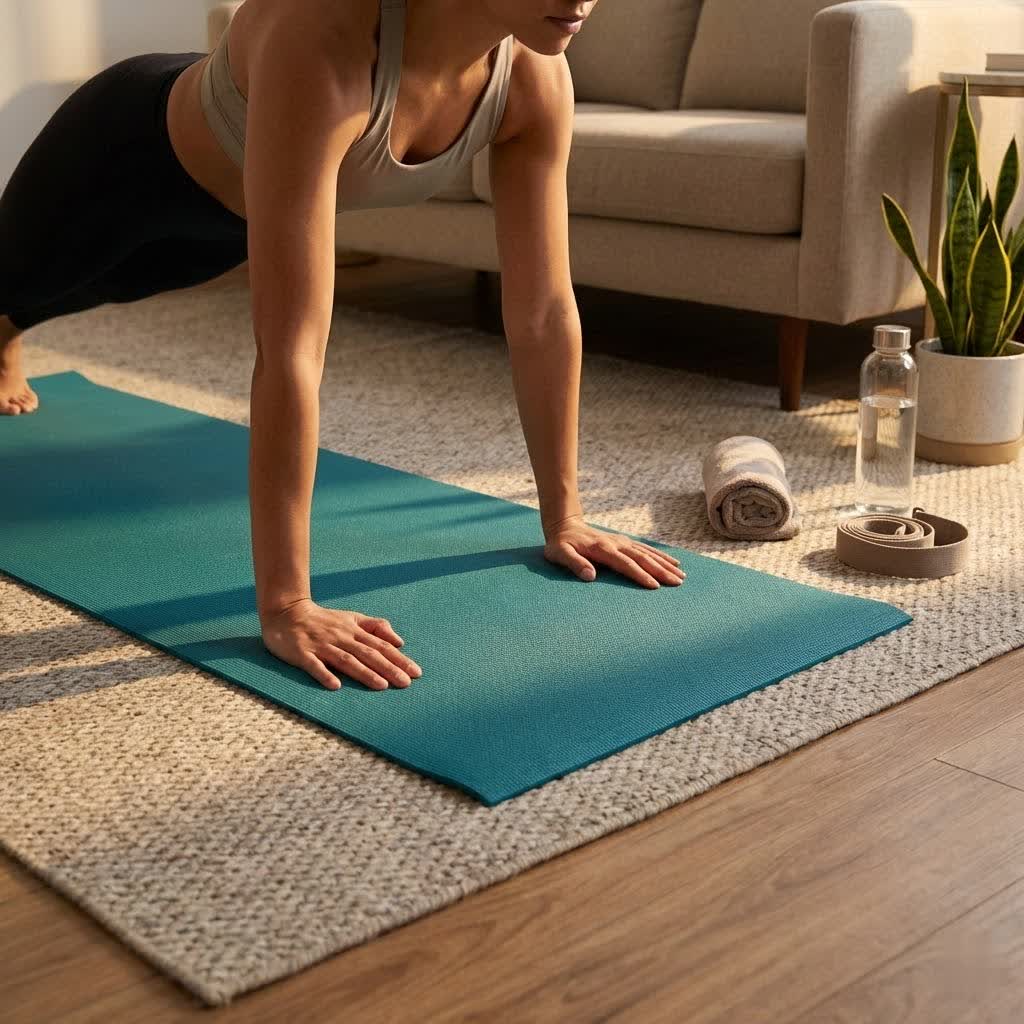
Stepping onto your yoga mat is more than just a physical act; it’s a gateway to mindfulness, strength, and flexibility. But have you ever considered how much your equipment impacts this journey? Choosing the right yoga mat and towel can transform your practice, offering unparalleled comfort, unwavering grip, and essential hygiene. As an Admin for ReviewsZetu.com with over a decade in yoga and a deep understanding of yoga mats, I’m here to guide you through selecting the ideal companions that align with your needs, practice style, and budget.
Understanding Your Essentials: Yoga Mats and Towels
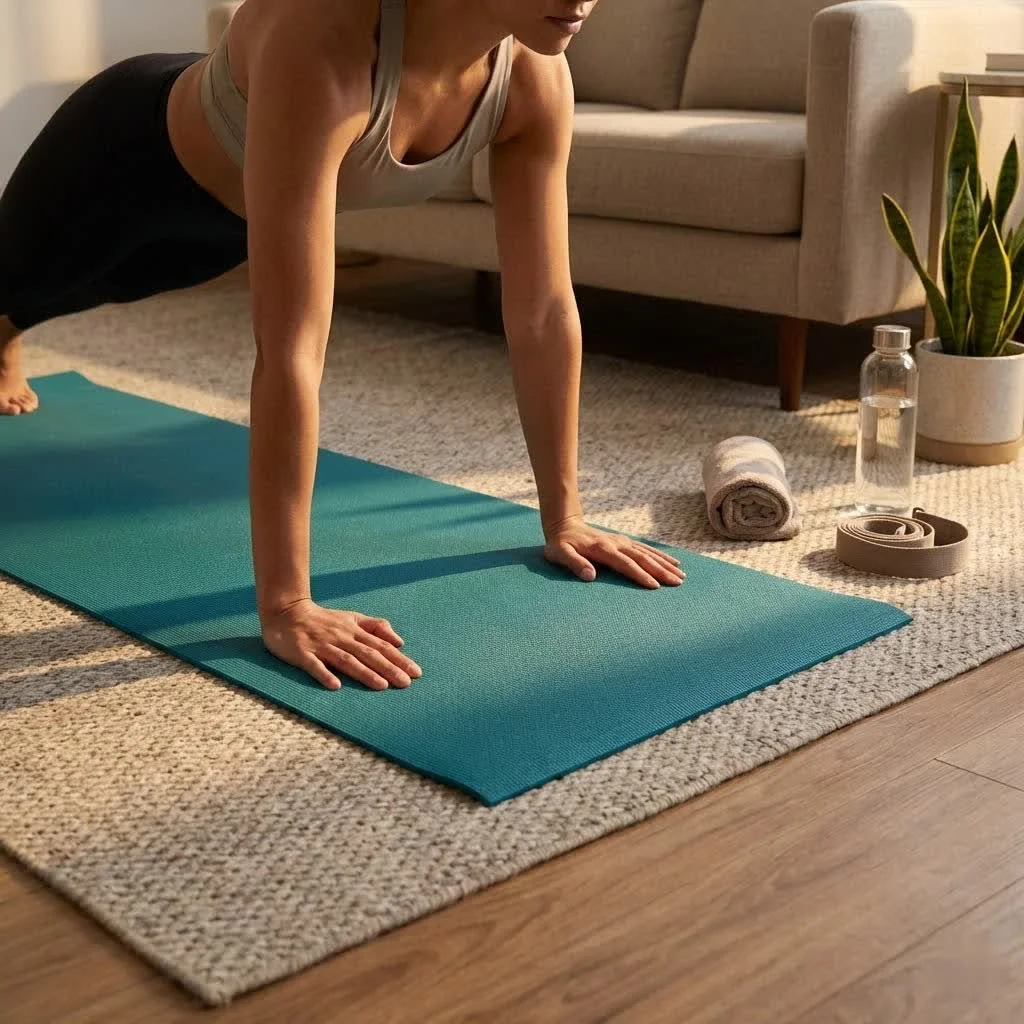
Embarking on a yoga journey, or deepening an existing one, hinges significantly on your foundational gear. The yoga mat serves as your primary space, offering crucial cushioning and a stable surface for various poses. However, for a truly optimized and hygienic practice, especially in dynamic or heated styles, a dedicated yoga towel becomes an indispensable ally. While the mat provides the underlying support, the towel works in tandem, enhancing grip and managing moisture, creating a cleaner and safer environment for every flow and hold.
Diving Deep into Yoga Mats: Materials and Features
The world of yoga mats offers a diverse range of materials, each presenting unique benefits and considerations for your practice. Understanding these distinctions is key to finding a mat that truly resonates with your needs for support, grip, and durability.
- PVC (Polyvinyl Chloride) Mats:
- Pros: Often the most affordable and widely available, PVC mats are known for their exceptional durability and reliable “sticky” grip. They can withstand extensive use and provide a firm, stable surface.
- Cons: PVC is a synthetic, non-biodegradable material, raising environmental concerns. Some users might also find them less absorbent, potentially becoming slippery with heavy perspiration.
- TPE (Thermoplastic Elastomer) Mats:
- Pros: A more eco-friendly alternative to PVC, TPE mats are often lauded for being recyclable and biodegradable. They offer a good balance of cushioning and grip, making them a popular choice for various yoga styles.
- Cons: While better for the environment, TPE mats may not be as durable as natural rubber or PVC over extended periods, and can sometimes be prone to scratching.
- Natural Rubber Mats:
- Pros: Revered for their superior, non-slip grip, even when slightly damp, natural rubber mats provide excellent cushioning and stability. They are also an environmentally conscious choice, being biodegradable and made from a renewable resource.
- Cons: Natural rubber mats can be heavier and may have a distinct rubbery odor, especially when new. They are also typically higher in price and might not be suitable for individuals with latex allergies.
- Cork Mats:
- Pros: Cork mats stand out for their natural antimicrobial properties, which help resist odors and bacteria. Uniquely, their grip often improves when wet, making them excellent for hot yoga. They are also highly sustainable and eco-friendly.
- Cons: The surface of cork can feel somewhat rough initially for some practitioners. They also require careful maintenance to prevent drying out.
- Jute Mats:
- Pros: Made from plant fibers, jute mats are another eco-friendly option, offering a natural, textured surface that can provide good grip. They are durable and often blend with other materials for enhanced comfort.
- Cons: The rustic texture of jute might be too abrasive for those with sensitive skin, and they may offer less cushioning than other materials.
The Essential Companion: Why and How to Choose a Yoga Towel
While your mat provides the foundation, a yoga towel acts as a vital layer, addressing crucial aspects of comfort, hygiene, and performance, especially when sweat enters the equation.
Why a Yoga Towel?
|
Our Picks for the Best Yoga Mat in 2026
As an Amazon Associate I earn from qualifying purchases.
|
||
| Num | Product | Action |
|---|---|---|
| 1 | Retrospec Solana Yoga Mat 1" Thick w/Nylon Strap for Men & Women - Non Slip Exercise Mat for Home Yoga, Pilates, Stretching, Floor & Fitness Workouts |

|
| 2 | Retrospec Solana Yoga Mat 1" Thick w/Nylon Strap for Men & Women - Non Slip Exercise Mat for Home Yoga, Pilates, Stretching, Floor & Fitness Workouts |
|
| 3 | Retrospec Solana Yoga Mat 1" Thick w/Nylon Strap for Men & Women - Non Slip Exercise Mat for Home Yoga, Pilates, Stretching, Floor & Fitness Workouts |
|
| 4 | Retrospec Solana Yoga Mat 1" Thick w/Nylon Strap for Men & Women - Non Slip Exercise Mat for Home Yoga, Pilates, Stretching, Floor & Fitness Workouts |
|
| 5 | Amazon Basics 1/4 Inch Thick TPE Exercise Yoga Mat with Carrying Strap |
|
| 6 | Amazon Basics Extra Thick Exercise Yoga Mat with Carrying Strap |
|
| 7 | Retrospec Solana Yoga Mat 1" Thick w/Nylon Strap for Men & Women - Non Slip Exercise Mat for Home Yoga, Pilates, Stretching, Floor & Fitness Workouts |
|
| 8 | Retrospec Solana Yoga Mat 1" Thick w/Nylon Strap for Men & Women - Non Slip Exercise Mat for Home Yoga, Pilates, Stretching, Floor & Fitness Workouts |
|
| 9 | Amazon Basics Extra Thick Exercise Yoga Mat with Carrying Strap |
|
| 10 | Amazon Basics Extra Thick Exercise Yoga Mat with Carrying Strap |
|
Integrating a yoga towel into your practice offers several undeniable benefits:
- Enhanced Grip: Many yoga mats can become slippery with perspiration, leading to unstable poses and potential injury. A good yoga towel is designed to absorb sweat, creating a stable, non-slip surface, often with specialized gripping features on the underside.
- Superior Hygiene: Whether you practice at home or in a studio, sweat, oils, and bacteria accumulate on mats. A yoga towel acts as a hygienic barrier, easily washable after each session, keeping your mat cleaner and protecting you from shared surfaces.
- Mat Protection: The friction and moisture from regular practice can lead to wear and tear on your yoga mat. A towel provides a protective layer, extending your mat’s lifespan and maintaining its quality.
- Sweat Absorption: For hot yoga practitioners or those who sweat heavily, a towel is essential for wicking away moisture, preventing puddles and distractions, allowing you to focus purely on your breath and movements.
- Added Comfort and Support: While thin, a yoga towel can offer a slight additional layer of cushioning, providing extra comfort for sensitive joints or when holding longer poses.
- Portability and Versatility: Yoga towels are typically lightweight and compact, making them excellent for travel, outdoor yoga, or as a convenient layer over communal studio mats. They dry quickly, too, a distinct advantage over bulkier bath towels.
Types of Yoga Towel Materials
The material of your yoga towel directly impacts its absorbency, grip, and feel:
- Microfiber (Polyester/Nylon Blends):
- Pros: Microfiber is highly regarded for its exceptional absorbency and rapid drying capabilities, making it ideal for intense, sweaty practices like hot yoga. Many microfiber towels feature silicone or rubberized dots on the underside for enhanced non-slip grip.
- Cons: As a synthetic material, its environmental footprint is a consideration for some.
- Cotton Blends:
- Pros: Cotton towels offer a soft, natural feel against the skin and are generally absorbent. They are a comfortable option for less intense practices.
- Cons: Cotton tends to absorb less moisture and dries slower than microfiber, which can lead to a soggy and less grippy surface in sweaty conditions.
- Hemp:
- Pros: Hemp is a natural, sustainable, and durable fiber. It offers good absorbency and is naturally antimicrobial, which is excellent for hygiene.
- Cons: Hemp can have a slightly rougher texture compared to softer microfibers or cotton.
- Bamboo:
- Pros: Bamboo towels are celebrated for their softness, lightweight feel, and eco-friendliness. They offer good absorbency and are quick to dry.
- Cons: They might be less common and potentially pricier than microfiber options.
Key Features of Yoga Towels
When selecting a yoga towel, look for these critical features:
- Non-Slip Technology: For stability, many yoga towels incorporate silicone nubs, rubberized backing, or innovative textures on their underside. Some even have corner pockets or straps that fit over your mat, keeping the towel securely in place during dynamic movements.
- Absorbency Levels: Prioritize towels with high moisture-wicking properties. Microfiber is generally superior here, quickly absorbing sweat to maintain a dry surface throughout your practice.
- Size: Ensure the towel’s dimensions align with your yoga mat. Standard yoga towels are designed to cover most mats (typically around 24″ x 68″ or 26″ x 71″ for longer mats) to provide full coverage. Smaller hand towels are also available for specific areas like hands or feet.
Choosing Your Perfect Pair: Mat and Towel Selection Guide
Selecting the ideal yoga mat and towel combination involves considering your individual practice style, preferences, and priorities. Here’s how to match your gear to your journey:
Consider Your Practice Style
- Hot Yoga / Sweaty Practices: If you gravitate towards Bikram, Vinyasa, or any style where you perspire heavily, prioritize a yoga mat with excellent wet grip (like natural rubber or cork) paired with a highly absorbent, quick-drying microfiber yoga towel featuring strong non-slip backing. The towel becomes absolutely essential here.
- Gentle / Restorative Yoga: For practices focused on longer holds, meditation, or slower flows, comfort is paramount. Opt for a thicker yoga mat (6-8mm) for enhanced cushioning, and a softer yoga towel, potentially a cotton blend, primarily for hygiene and a touch of extra comfort rather than intense grip.
- Travel / On-the-Go Practice: Portability is key. Choose a lightweight, foldable travel yoga mat (3mm or less) and a thin, compact microfiber yoga towel that dries quickly and packs small.
- Studio vs. Home Practice: If you frequently use communal mats at a studio, a yoga towel is indispensable for creating a personal, hygienic barrier. For home practice, it helps keep your personal mat cleaner with less frequent deep cleaning.
Mat Thickness & Grip
Your mat’s thickness directly impacts comfort and stability. Thinner mats (3-5mm) offer more connection to the floor, aiding in balance for standing poses, while thicker mats (6-8mm) provide superior cushioning for joint protection, especially in kneeling or forearm-supported poses. Regardless of thickness, look for textured mat surfaces to maintain better grip, remembering that a towel can significantly augment this, especially when sweat is involved.
Towel Grip & Absorbency
For your towel, non-slip features are crucial. Look for silicone dots or corner pockets that secure it firmly to your mat. High absorbency is also vital, particularly for intense sessions, where a sweat-wicking microfiber towel will keep your hands and feet dry and prevent slipping. For practices with minimal sweat, a slightly damp towel can often activate the towel’s grip from the start.
Size (Mat & Towel)
Ensure your yoga towel is sized to perfectly cover your mat. Most standard yoga mats are 24 inches wide and around 68-71 inches long, so choose a towel that matches these dimensions to avoid exposed areas or excess fabric bunching.
Material Synergy
Consider how the mat and towel materials will interact. A grippy mat combined with an equally grippy, absorbent towel creates an optimal surface. For example, a natural rubber mat paired with a non-slip microfiber towel is a formidable combination for sweaty practices.
Budget & Eco-Friendliness
High-quality yoga mats and towels can be an investment, but they offer greater durability and performance. Determine your budget, but also consider the long-term value and environmental impact of your choices. Many eco-friendly options, such as natural rubber, cork, jute, hemp, and recycled microfiber, are available.
Caring for Your Yoga Gear: Cleaning and Maintenance
Proper care extends the life of your yoga mat and towel, keeping them hygienic and performing optimally.
Yoga Mat Care
Cleaning frequency depends on your usage, but regular maintenance is key. For most mats (PVC, TPE, rubber), wipe them down after each practice with a damp cloth and a mild soap solution or a specialized yoga mat cleaner. For natural rubber mats, avoid harsh chemicals and excessive sun exposure, which can degrade the material. Always ensure your mat is completely dry before rolling and storing to prevent mildew and odors.
Yoga Towel Care
One of the greatest advantages of a yoga towel is its ease of cleaning.
- Washing: Most yoga towels are machine washable. Use a gentle cycle with cold water and a mild detergent. Crucially, avoid fabric softeners, as they can reduce the towel’s absorbency and compromise its non-slip grip.
- Drying: Air drying is highly recommended for yoga towels, especially those with silicone grips, to preserve their integrity and non-slip properties. If using a dryer, select a low-heat setting, as high heat can damage synthetic fibers and rubberized elements.
- Frequency: To maintain peak hygiene and performance, wash your yoga towel after every use, particularly for sweaty practices. This prevents the buildup of bacteria, oils, and odors.
Storage
Once both your mat and towel are completely dry, roll your towel neatly with your mat for easy transport and storage. Store them in a cool, dry place away from direct sunlight, which can fade colors and degrade materials over time.
Expert Insights & Personalizing Your Practice
Choosing the right yoga mat and towel is a deeply personal decision, influencing your comfort, focus, and overall experience on the mat. “The best yoga mat towel enhances your practice by providing better grip and hygiene, and can make your sessions more comfortable and enjoyable.”
Don’t be afraid to experiment with different materials, thicknesses, and features until you find the perfect combination that supports your unique journey. Many brands now offer a wide array of colors and patterns, allowing you to choose gear that not only performs well but also resonates with your personal style, making your practice feel truly your own.
Conclusion
Your yoga mat and towel are more than just accessories; they are essential tools that contribute significantly to a safe, comfortable, and empowering yoga practice. From the foundational cushioning of your mat to the sweat-wicking grip and hygienic barrier of your towel, each plays a vital role in enhancing your journey. By carefully considering materials, features, and your personal practice style, you can select the perfect combination that empowers you to move with confidence, focus with clarity, and find deeper connection in every pose.
What combination of yoga mat and towel will you choose to elevate your practice today?
Frequently Asked Questions
Why should I use a yoga towel in addition to my yoga mat?
A yoga towel provides several benefits beyond what a mat alone offers, including superior sweat absorption for enhanced grip, an essential hygienic barrier, especially on shared mats, and protection for your mat from wear and tear, extending its lifespan.
What material is best for a yoga towel if I sweat a lot?
Microfiber (typically polyester or nylon blends) is generally considered the best material for sweaty practices like hot yoga. It is highly absorbent, quick-drying, and often comes with non-slip grips to ensure stability even when wet.
Can I just use a regular bath towel for yoga?
While you technically can, it’s not recommended. Regular bath towels lack the specialized non-slip properties of yoga towels, tend to absorb less sweat, dry slower, and can bunch up or slide during poses, making your practice frustrating and potentially unsafe.
How do I choose the right size for my yoga mat and towel?
Your yoga towel should ideally match the dimensions of your yoga mat to ensure full coverage and effective grip. Most standard mats are about 24 inches wide and 68-71 inches long, so look for towels designed to fit these sizes.
How often should I clean my yoga mat and yoga towel?
You should wipe down your yoga mat with a damp cloth after every use. For yoga towels, it’s recommended to machine wash them after each practice, especially if you sweat heavily, to maintain hygiene and prevent odors.
What’s the ideal yoga mat thickness for a beginner?
For beginners, a yoga mat thickness of 1/8 inch (3mm) to 1/4 inch (6mm) is often recommended. This range provides a good balance of cushioning for joint comfort and stability for learning new poses.
Are eco-friendly yoga mats and towels as effective as conventional ones?
Yes, many eco-friendly options made from materials like natural rubber, cork, jute, hemp, or recycled microfiber offer excellent performance, including superior grip, cushioning, and durability, while minimizing environmental impact.
Get our weekly buyer guide
Practical specs, not advice. Unsubscribe anytime.
