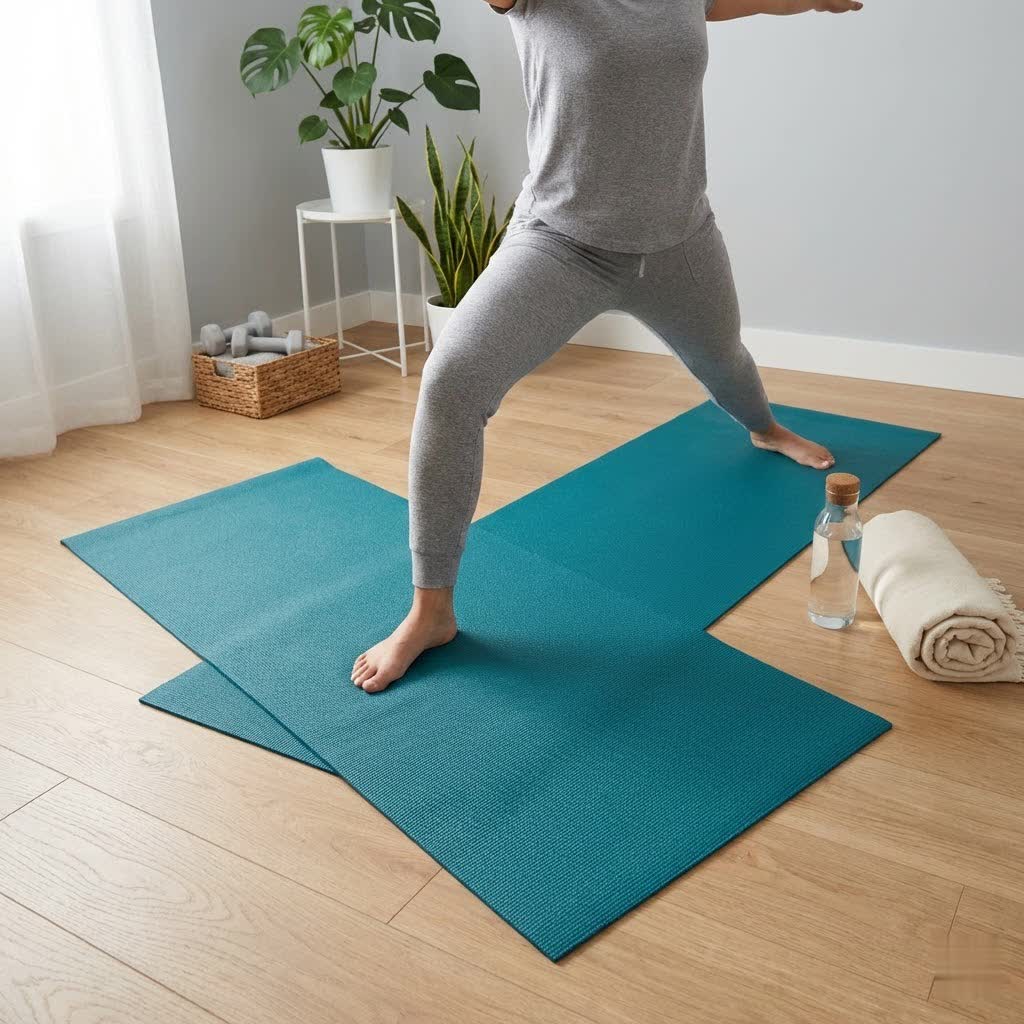
Stepping onto your yoga mat is often the first step in your practice, setting the foundation for focus, comfort, and stability. But what if your current mat is worn, or you’re new to yoga and need one now? The quest for a “yoga mat nearby” often means seeking convenience, whether that’s a quick trip to a local store or fast online delivery. This guide will walk you through everything you need to know to choose the perfect mat and find it with ease.
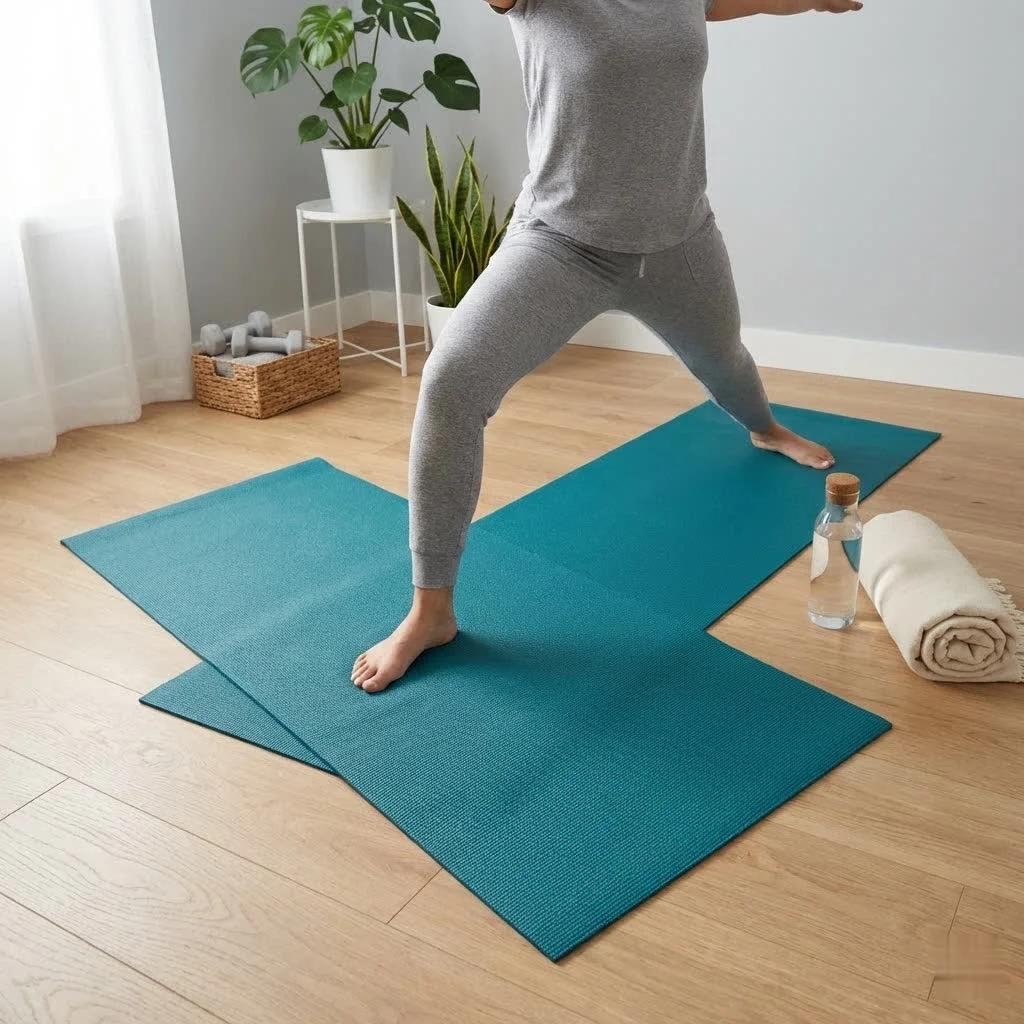
Understanding Yoga Mat Types and Materials
The material of your yoga mat significantly influences its feel, grip, durability, and environmental impact. Understanding these differences is key to making an informed choice.
- PVC (Polyvinyl Chloride) Mats: These are perhaps the most common and affordable mats available. They offer good grip, decent cushioning, and are relatively durable. However, PVC is not biodegradable and can contain phthalates, making it less environmentally friendly.
- TPE (Thermoplastic Elastomer) Mats: TPE mats are a popular eco-friendly alternative to PVC. They are typically recyclable and biodegradable, free from latex and phthalates. TPE mats often provide excellent grip and cushioning while being lightweight, making them suitable for various yoga styles and portability.
- Natural Rubber Mats: Known for their exceptional grip and eco-conscious nature, natural rubber mats are often preferred by experienced yogis. They offer superior traction, especially for more dynamic or hot yoga practices. While durable and sustainable, they can be heavier, have a distinct rubber scent, and are generally at a higher price point.
- Cork Mats: Made from the bark of cork oak trees, these mats are inherently antimicrobial and offer a fantastic grip that actually increases when wet, making them ideal for hot yoga. Cork mats are sustainable, biodegradable, and provide a firm, stable surface, though they might feel slightly rougher than other materials.
- Jute Mats: Jute is a natural fiber that provides a firm, textured surface with good grip. These mats are environmentally friendly, durable, and offer a strong connection to the floor. They typically provide less cushioning than synthetic or rubber mats, which some practitioners prefer for stability.
- Foam (EVA/NBR) Mats: Often thicker and softer, foam mats (made from EVA or NBR) prioritize cushioning, making them excellent for restorative yoga, Pilates, or general fitness where joint support is paramount. They may offer less aggressive grip for dynamic yoga flows but are very comfortable for floor work. Many major retailers stock foam options.
Comparative Overview of Yoga Mat Materials
|
Our Picks for the Best Yoga Mat in 2026
As an Amazon Associate I earn from qualifying purchases.
|
||
| Num | Product | Action |
|---|---|---|
| 1 | Amazon Basics 1/4 Inch Thick TPE Exercise Yoga Mat with Carrying Strap |

|
| 2 | Amazon Basics Extra Thick Exercise Yoga Mat with Carrying Strap |
|
| 3 | Retrospec Solana Yoga Mat 1" Thick w/Nylon Strap for Men & Women - Non Slip Exercise Mat for Home Yoga, Pilates, Stretching, Floor & Fitness Workouts |
|
| 4 | Retrospec Solana Yoga Mat 1" Thick w/Nylon Strap for Men & Women - Non Slip Exercise Mat for Home Yoga, Pilates, Stretching, Floor & Fitness Workouts |
|
| 5 | Amazon Basics Extra Thick Exercise Yoga Mat with Carrying Strap |
|
| 6 | Retrospec Solana Yoga Mat 1" Thick w/Nylon Strap for Men & Women - Non Slip Exercise Mat for Home Yoga, Pilates, Stretching, Floor & Fitness Workouts |
|
| 7 | Retrospec Solana Yoga Mat 1" Thick w/Nylon Strap for Men & Women - Non Slip Exercise Mat for Home Yoga, Pilates, Stretching, Floor & Fitness Workouts |
|
| 8 | Retrospec Solana Yoga Mat 1" Thick w/Nylon Strap for Men & Women - Non Slip Exercise Mat for Home Yoga, Pilates, Stretching, Floor & Fitness Workouts |
|
| 9 | Retrospec Solana Yoga Mat 1" Thick w/Nylon Strap for Men & Women - Non Slip Exercise Mat for Home Yoga, Pilates, Stretching, Floor & Fitness Workouts |
|
| 10 | Amazon Basics Extra Thick Exercise Yoga Mat with Carrying Strap |
|
| Material | Pros | Cons | Ideal For |
|---|---|---|---|
| PVC | Affordable, good grip, durable | Not eco-friendly, can contain phthalates | Beginners, budget-conscious, general yoga |
| TPE | Eco-friendly, good grip, lightweight, cushioned | Less durable than rubber for intense daily use | All-around use, eco-conscious practitioners |
| Natural Rubber | Excellent grip (wet/dry), eco-friendly, durable | Heavier, higher cost, natural scent, not for latex allergies | Dynamic yoga styles (Vinyasa, Ashtanga), hot yoga, experienced yogis |
| Cork | Antimicrobial, grip increases with sweat, sustainable | Firmer feel, requires careful rolling | Hot yoga, practitioners seeking natural materials, firm support |
| Jute | Textured grip, highly durable, eco-friendly | Less cushioning, can feel rough | Hatha, restorative yoga, environmentally conscious, stability focus |
| Foam (EVA/NBR) | High cushioning, comfortable, lightweight | Less grip for dynamic poses, lower durability for intense use | Restorative yoga, Pilates, general fitness, sensitive joints, beginners |
Key Factors When Choosing Your Yoga Mat
Selecting the right yoga mat involves more than just picking a color. Consider these essential factors to ensure your mat supports your practice effectively.
- Thickness: The thickness of your mat directly impacts comfort and stability.
- Thin (1-2mm): Excellent for portability and travel, these mats offer a strong connection to the ground, which is beneficial for balancing poses. They provide minimal cushioning.
- Standard (3-4mm): This is the most common thickness, offering a good balance between cushioning and stability. It’s versatile for most yoga styles.
- Thick (5mm): Provides enhanced cushioning for sensitive joints, making it comfortable for longer holds and floor work. Many options from major retailers fall into this category.
- Extra Thick (6mm+): Offers maximum joint protection and comfort, ideal for restorative yoga, Pilates, or if you practice on hard surfaces. Dick’s Sporting Goods, for example, highlights options 6mm and above.
- Grip and Texture: A non-slip surface is crucial for preventing injuries and maintaining poses, especially in sweaty conditions. Look for mats with a textured surface, or those made from materials like natural rubber or cork, which are renowned for their superior grip. Some mats offer a smooth surface with moisture-managing properties.
- Size: Standard yoga mats are typically 24 inches wide and 68 inches long. However, if you are taller or prefer more space, consider extra-long (over 68 inches) or extra-wide (over 24 inches) mats.
- Eco-friendliness: For those mindful of their environmental footprint, look for mats labeled “PVC-free,” “biodegradable,” “natural rubber,” or “recycled materials.” Many brands are now prioritizing sustainable production.
- Budget: Yoga mats come in a wide price range. Determine your budget beforehand, knowing that basic mats are affordable, while premium, eco-friendly, or specialized mats will cost more.
- Portability: If you plan to travel or commute to a studio, the weight and ease of carrying (with a strap or foldable design) will be important considerations.
Finding a Yoga Mat “Nearby”: Your Shopping Options
When you need a yoga mat quickly, several options cater to the “nearby” search intent, ranging from physical stores to fast online delivery.
- Major Retailers (In-Store & Online with Pickup/Delivery): Large chains are excellent for immediate needs.
- Target: Offers a wide selection of yoga mats, from basic to more specialized, with convenient options like “Order Pickup” (often ready in hours) and “Same Day Delivery” via services like Shipt. Their product pages allow you to filter by brand, material, thickness, and features like “eco friendly.”
- Dick’s Sporting Goods: You’ll find a diverse range of yoga mats from popular brands such as Gaiam, Manduka, and CALIA. They provide “Free One-Hour Pickup” for many items, allowing for rapid in-store collection, and also offer “Same-Day Delivery.”
- Kohl’s: Provides various yoga mats and related fitness accessories. They offer “Fast & free store pickup,” making it easy to grab a mat on your way to class.
- Walgreens: While their selection might be more limited, Walgreens stores often carry basic yoga mats and can be a convenient last-minute option in many neighborhoods.
- Specialty Yoga Stores: For a curated selection, higher-quality mats, and expert advice, local yoga studios or specialized fitness stores are invaluable. They often stock premium brands like Manduka or JadeYoga and can provide personalized recommendations based on your practice.
- Online Marketplaces with Fast Shipping: If a physical store isn’t convenient, online retailers like Amazon offer rapid shipping options, often with Prime next-day or even same-day delivery in certain areas. Websites like Etsy also feature many yoga mat sellers, some offering “free shipping” which, depending on the seller’s location, could mean quick delivery. Uber Eats also lists “Yoga and Pilates Mats Delivery Near Me,” indicating a growing trend for direct, on-demand delivery.
- Local Fitness/Yoga Studios: Many independent yoga studios have small retail sections where they sell mats. This is a great way to support a local business and often ensures you’re buying a mat recommended by instructors.
“Finding the right mat is like finding a dance partner for your practice. It needs to support you, respond to your movements, and feel right underfoot. Sometimes, the best ‘nearby’ option is simply the one you can get your hands on quickly when the inspiration strikes.” – ReviewsZetu.com Admin, Yoga Mat Expert
Tips for Cleaning and Maintaining Your Yoga Mat
Proper care extends the life of your mat and keeps it hygienic.
- Wipe Down After Each Use: Use a damp cloth to wipe away sweat and dirt. For a deeper clean, mix water with a few drops of mild dish soap or a specialized yoga mat cleaner.
- Air Dry Completely: Always allow your mat to air dry fully before rolling it up to prevent mildew and odors. Avoid direct sunlight, which can degrade certain materials.
- Store Properly: Roll your mat tightly and store it in a cool, dry place. Using a yoga mat strap or bag can protect it during transport and storage.
- Avoid Harsh Chemicals: Do not use abrasive scrubbers or strong chemical cleaners, as these can damage the mat’s surface and shorten its lifespan.
Conclusion
Choosing the right yoga mat is a personal journey that profoundly impacts your practice. Whether you prioritize eco-friendliness, maximum cushioning, or superior grip, understanding the different materials and thicknesses is crucial. With numerous options for finding a “yoga mat nearby”—from the convenience of major retailers like Target and Dick’s Sporting Goods offering quick pickup and delivery to specialized online stores and local studios—you can easily find a mat that meets your immediate needs and budget. Take the time to consider what feels best for your body and your practice, ensuring your mat provides a stable and comfortable foundation for your yoga journey.
What qualities do you value most in a yoga mat, and how has your mat choice impacted your practice?
Frequently Asked Questions
What thickness is best for beginners looking for a yoga mat nearby?
For beginners, a yoga mat with a thickness of 4mm to 6mm is generally recommended. This range offers a good balance of cushioning for joint comfort, especially during new poses, and sufficient stability to help you feel grounded and secure in your practice. You can find these thicknesses readily at most major retailers for quick pickup or delivery.
How often should I replace my yoga mat?
The lifespan of a yoga mat varies greatly depending on its material, how frequently you practice, and how well you maintain it. Generally, a high-quality mat used regularly might last 6-12 months before showing signs of wear like reduced grip or crumbling. Inspect your mat for slick spots, thinning areas, or loss of cushioning; these are signs it’s time for a replacement.
Are eco-friendly mats worth the extra cost?
Eco-friendly yoga mats, often made from natural rubber, cork, or TPE, typically come at a higher price point than traditional PVC mats. Many practitioners find them worth the investment due to their superior grip, enhanced durability, and positive environmental impact. If sustainability and performance are priorities, an eco-friendly mat can significantly enhance your practice and align with your values.
Can I wash my yoga mat in a washing machine?
No, it is generally not recommended to wash a yoga mat in a washing machine. The agitation and strong detergents can damage the mat’s material, compromising its integrity, grip, and lifespan. Instead, follow the manufacturer’s cleaning instructions, which typically involve wiping it down with a damp cloth and mild soap or a specialized mat cleaner, then allowing it to air dry completely.
Get our weekly buyer guide
Practical specs, not advice. Unsubscribe anytime.
