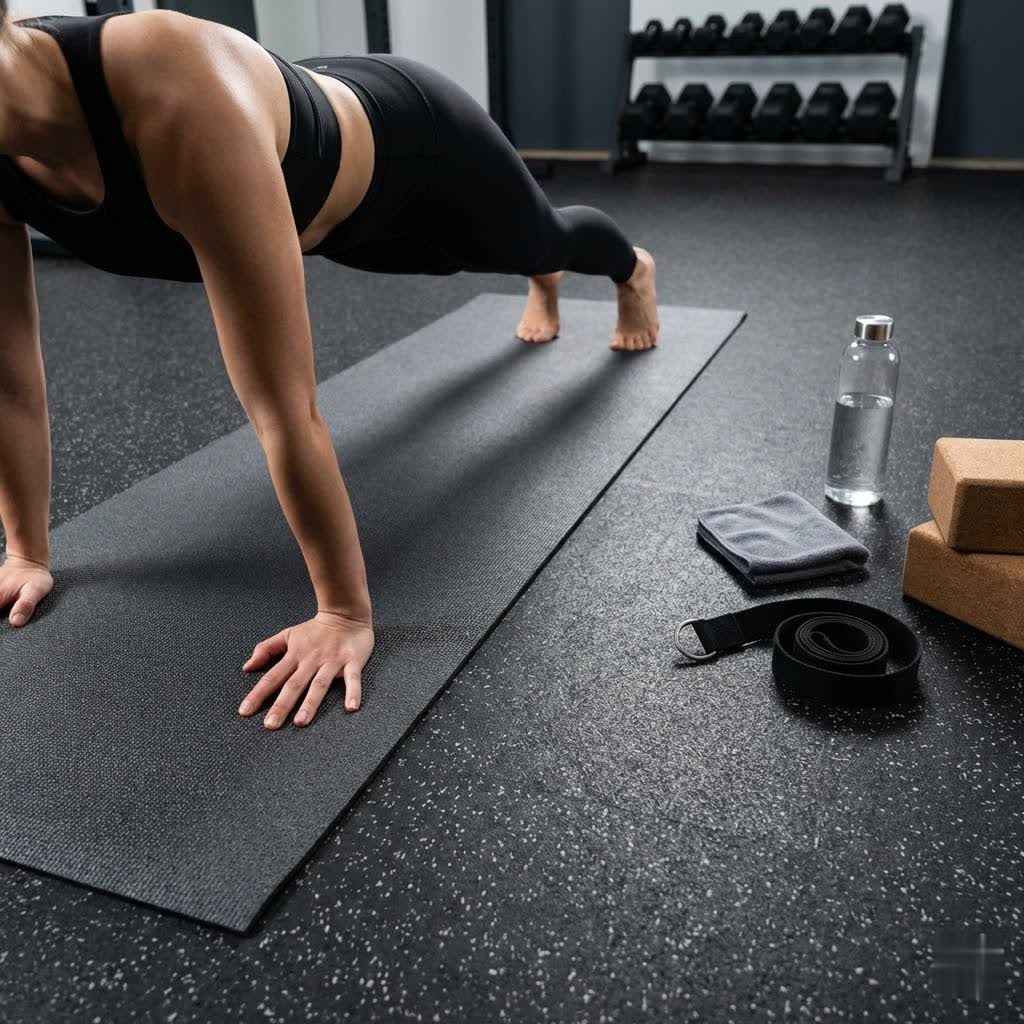
Stepping onto your yoga mat is more than just starting a workout; it’s a mindful transition into a space of focus, strength, and inner peace. The right mat isn’t just a prop; it’s a foundation that deeply impacts your practice. In an increasingly eco-conscious world, many yogis are drawn to the natural, sustainable appeal of cotton yoga mats. If you’re seeking a mat that aligns with your values and enhances your connection to the earth, you’ve come to the right place. This comprehensive guide will explore everything you need to know about cotton yoga mats, from their unique benefits and considerations to choosing the ideal one for your unique practice and ensuring its longevity.
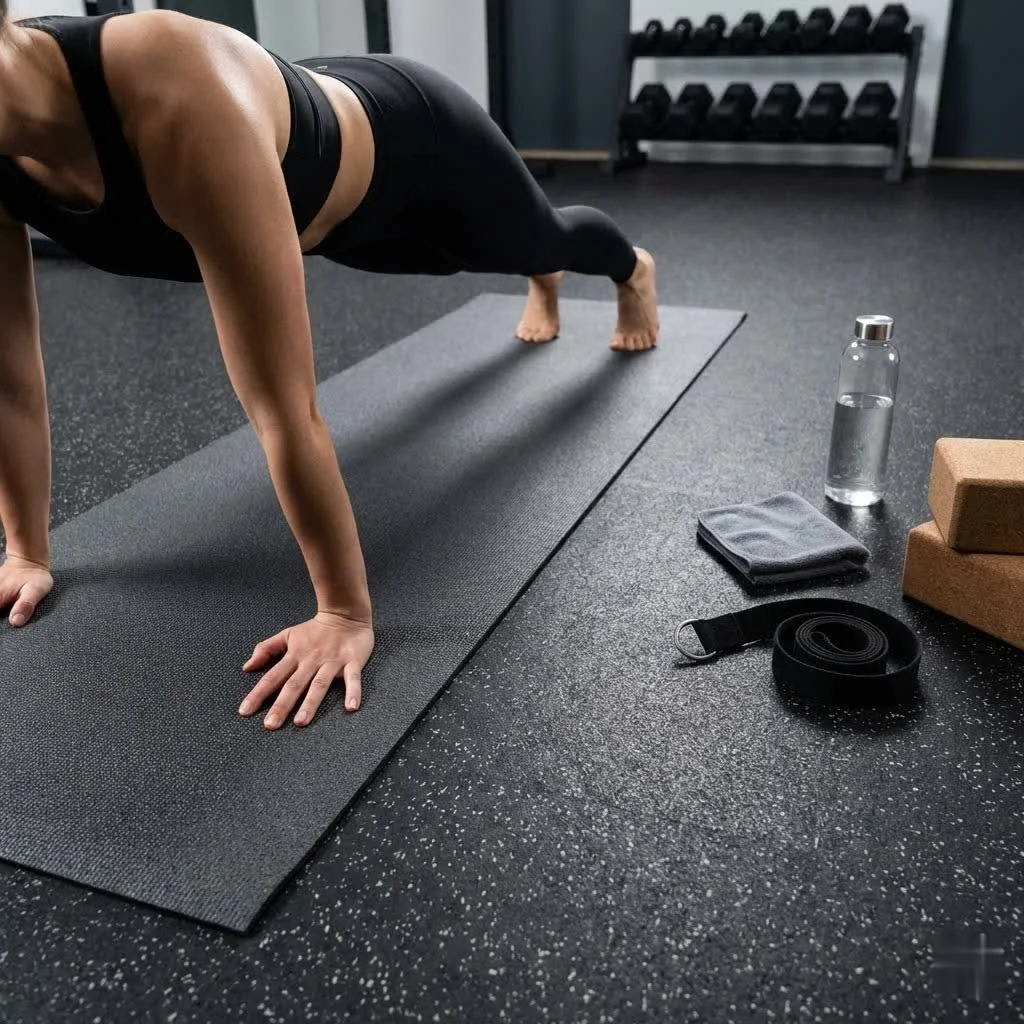
Understanding Cotton Yoga Mats
Cotton yoga mats, often referred to as yoga rugs or Mysore rugs, are crafted from natural cotton fibers, frequently organic cotton, for a truly sustainable option. These mats stand apart from their synthetic counterparts by offering a distinct feel and a host of environmentally friendly advantages. For shop curated yoga mat on this site.
Benefits of Cotton Yoga Mats
Choosing a cotton yoga mat brings a wealth of benefits, particularly for those prioritizing natural materials and specific practice styles:
- Eco-Friendly & Sustainable: Cotton mats are a beacon of sustainability. Especially when made from organic cotton, their production minimizes harmful pesticides and fertilizers. Unlike synthetic mats that can linger in landfills for centuries, cotton is biodegradable, naturally returning to the earth at the end of its life cycle.
- Breathability & Absorbency: Cotton is a naturally breathable material, allowing air to circulate freely. This feature is particularly advantageous for hot yoga or any practice where you tend to sweat. The excellent absorbency helps prevent moisture buildup, keeping your surface drier and more hygienic throughout your session.
- Softness & Comfort: The natural fibers of a cotton mat offer a gentle, soft texture under your hands and feet. This can significantly enhance comfort, especially for practitioners with sensitive skin or those who prefer a more natural, tactile connection to their practice surface.
- Hypoallergenic: For individuals prone to allergies or skin sensitivities, cotton mats can be a game-changer. Free from synthetic chemicals and harsh dyes often found in conventional mats, organic cotton provides a pure, non-irritating surface.
Considerations for Cotton Mats
While cotton mats offer many advantages, it’s also important to understand their unique characteristics and potential drawbacks to ensure they meet your specific needs:
- Grip: The grip of a pure cotton mat often differs from a sticky synthetic mat. While many cotton mats offer excellent traction, especially as they absorb sweat and become slightly damp, they might feel less “sticky” when completely dry. For very smooth floors or dynamic practices, a hybrid mat with a rubber backing or a separate anti-slip underlay might be beneficial.
- Cushioning: Generally, pure cotton mats are thinner than many synthetic options, offering a closer connection to the floor. While this is great for balance and grounding, it may provide less cushioning for poses that put direct pressure on joints like knees, wrists, or hips.
- Maintenance: Being absorbent, cotton mats require consistent care to maintain hygiene and prevent the growth of mildew. Regular cleaning and thorough drying after each use are essential. They may take longer to dry completely compared to quick-drying synthetic mats.
- Durability: While high-quality cotton is robust, pure cotton mats might not always match the extreme longevity of some heavy-duty, dense rubber or PVC mats, particularly with very intense daily use without proper care. However, with diligent maintenance, a good cotton mat can be a long-lasting companion.
Types of Cotton Yoga Mats
Cotton yoga mats come in a couple of primary forms, each offering a slightly different experience tailored to various preferences and practice styles.
Pure Cotton Mats (Yoga Rugs/Mysore Rugs)
|
Our Picks for the Best Yoga Mat in 2026
As an Amazon Associate I earn from qualifying purchases.
|
||
| Num | Product | Action |
|---|---|---|
| 1 | Retrospec Solana Yoga Mat 1" Thick w/Nylon Strap for Men & Women - Non Slip Exercise Mat for Home Yoga, Pilates, Stretching, Floor & Fitness Workouts |

|
| 2 | Amazon Basics Extra Thick Exercise Yoga Mat with Carrying Strap |
|
| 3 | Amazon Basics 1/4 Inch Thick TPE Exercise Yoga Mat with Carrying Strap |
|
| 4 | Amazon Basics Extra Thick Exercise Yoga Mat with Carrying Strap |
|
| 5 | Retrospec Solana Yoga Mat 1" Thick w/Nylon Strap for Men & Women - Non Slip Exercise Mat for Home Yoga, Pilates, Stretching, Floor & Fitness Workouts |
|
| 6 | Retrospec Solana Yoga Mat 1" Thick w/Nylon Strap for Men & Women - Non Slip Exercise Mat for Home Yoga, Pilates, Stretching, Floor & Fitness Workouts |
|
| 7 | Retrospec Solana Yoga Mat 1" Thick w/Nylon Strap for Men & Women - Non Slip Exercise Mat for Home Yoga, Pilates, Stretching, Floor & Fitness Workouts |
|
| 8 | Retrospec Solana Yoga Mat 1" Thick w/Nylon Strap for Men & Women - Non Slip Exercise Mat for Home Yoga, Pilates, Stretching, Floor & Fitness Workouts |
|
| 9 | Amazon Basics Extra Thick Exercise Yoga Mat with Carrying Strap |
|
| 10 | Retrospec Solana Yoga Mat 1" Thick w/Nylon Strap for Men & Women - Non Slip Exercise Mat for Home Yoga, Pilates, Stretching, Floor & Fitness Workouts |
|
These are the traditional choice, often hand-loomed and thicker than a towel but thinner than most modern mats (typically 1-3mm). They are celebrated for their authentic feel, excellent absorbency, and portability. Many practitioners use these directly on the floor or layer them over a thin, sticky mat for added cushioning and stability. The grip on these mats often improves as you warm up and begin to sweat.
Hybrid Cotton Mats
For those who love the natural feel of cotton but desire more cushioning and inherent grip, hybrid cotton mats are an excellent solution. These mats feature a top layer of natural cotton bonded to a base made from materials like natural rubber, jute, or TPE. This combination provides the best of both worlds: the soft, absorbent, and eco-friendly surface of cotton with the enhanced grip and joint support of a synthetic or natural rubber base. They typically offer a thickness of 3-5mm.
Cotton Yoga Mats Compared to Other Popular Materials
Understanding how cotton mats stack up against other common yoga mat materials can help you make an informed decision for your practice.
- Cotton vs. PVC: PVC mats are known for their durability, affordability, and excellent initial grip. However, they are synthetic, non-biodegradable, and can release volatile organic compounds (VOCs) when new, making them less ideal for eco-conscious yogis. Cotton offers a natural, breathable, and non-toxic alternative, prioritizing environmental impact and skin comfort over sheer synthetic stickiness.
- Cotton vs. TPE: TPE (Thermoplastic Elastomer) mats are often marketed as eco-friendly alternatives to PVC. They are lightweight and offer good cushioning and grip. While TPE is generally safer and sometimes recyclable, it is still a manufactured polymer. Cotton, on the other hand, provides a completely natural, softer, and more absorbent surface, favored for its connection to nature.
- Cotton vs. Natural Rubber: Natural rubber mats boast exceptional grip, particularly when dry, and provide excellent cushioning. They are also highly eco-friendly and biodegradable. The main differences lie in texture and absorbency: cotton is softer and highly absorbent for sweaty practices, while rubber is firmer and provides robust, inherent stickiness. Natural rubber can also have a distinct scent and may trigger latex allergies.
- Cotton vs. Jute: Both cotton and jute are natural, sustainable fibers. Jute mats are very durable, offer great traction, and have a unique, earthy texture. However, jute can feel rougher underfoot compared to the inherent softness of cotton. Cotton provides superior absorbency and a smoother surface, while jute excels in sheer toughness and grip.
- Cotton vs. Cork: Cork mats are naturally antimicrobial, offering a hygienic, firm surface with excellent grip, especially when damp. They are eco-friendly and durable. Cotton is softer and more pliable, absorbing sweat directly into the fabric, whereas cork tends to wick it away while maintaining its firm surface. Cork can be less yielding, which some find less comfortable for kneeling poses.
Choosing Your Perfect Cotton Yoga Mat
Selecting the right cotton yoga mat is a personal journey. Consider these factors to find the mat that best supports your practice and personal values.
Consider Your Practice Style
Your yoga style significantly influences your mat choice.
- Hot Yoga or Sweaty Practices: Cotton’s natural absorbency shines here. It soaks up sweat, providing a more stable and less slippery surface as you heat up. Hybrid mats with a rubber base can offer enhanced stability for dynamic movements.
- Gentle or Restorative Yoga: For practices focusing on deep stretches, meditation, or holding poses for longer durations, the inherent softness and comfort of a cotton mat are ideal. It provides a gentle surface for the body to rest and release tension.
- Balancing Poses: Thinner cotton mats or traditional yoga rugs can offer a greater connection to the floor, which many practitioners find beneficial for developing stability in balancing postures. If balance is a priority, ensure the mat’s weave provides adequate grip, or consider a hybrid with a non-slip backing.
Thickness & Density
The thickness of your mat plays a crucial role in comfort and stability.
- 1-3mm (Thin): Often seen in pure cotton yoga rugs, these offer maximum ground connection, great for balance, and are highly portable. They can be used alone or layered over another mat for added grip and comfort.
- 3-5mm (Standard for Hybrid Cotton): This range provides a good balance of cushioning and stability, suitable for a wide variety of yoga styles. It offers enough protection for joints without compromising your connection to the floor.
- 6-8mm+ (Thicker): While less common for pure cotton mats, thicker mats are generally chosen for greater cushioning. If you have sensitive joints, you might prefer a hybrid cotton mat on the thicker side, or consider using a thinner cotton mat as a top layer on a thicker synthetic mat.
Grip & Texture
The surface texture of your cotton mat is vital for preventing slips. Look for mats with a noticeable woven texture, which naturally enhances traction. For hybrid mats, a natural rubber backing will provide excellent anti-slip properties, ensuring the mat stays put on any floor surface. Remember, cotton’s grip often improves as it absorbs moisture during practice.
Material Quality & Eco-friendliness
When opting for cotton, prioritize quality and sustainability. Look for mats made from 100% organic cotton, ideally with certifications like GOTS (Global Organic Textile Standard), which ensures responsible environmental and social practices throughout the supply chain. This guarantees you’re choosing a product free from harmful chemicals and produced ethically.
Size
Standard yoga mats are typically around 72 inches (183 cm) long and 24 inches (61 cm) wide. Ensure the length is suitable for your height, allowing you to lie down fully without your head or feet extending beyond the mat. Wider options are also available if you prefer more space.
Budget
Cotton yoga mats come in a range of price points. Pure cotton rugs are often more affordable, while hybrid mats with advanced backings and organic certifications may cost more. Determine your budget beforehand, but remember that investing in a high-quality, durable, and eco-friendly mat can be more cost-effective in the long run than frequently replacing cheaper, less sustainable options.
Cleaning and Caring for Your Cotton Yoga Mat
Proper care is essential to maintain the hygiene, grip, and longevity of your cotton yoga mat.
Daily Maintenance
After each practice, especially if you’ve worked up a sweat, make it a habit to wipe down your mat. A simple damp cloth is usually sufficient to remove surface sweat and oils. Once wiped, always allow your mat to air dry completely before rolling it up. This prevents moisture from getting trapped, which can lead to odors or mildew.
Deep Cleaning
For a more thorough clean, typically once a month or as needed, follow these steps:
- Hand Wash: Fill a bathtub or large basin with cool or lukewarm water (avoid hot water, which can shrink cotton). Add a small amount of mild, natural soap or detergent.
- Soak & Scrub: Submerge your cotton mat and let it soak for about 10-15 minutes. Gently scrub the mat by hand, focusing on any areas with visible dirt or heavy use.
- Rinse Thoroughly: Drain the soapy water and rinse the mat repeatedly with clean, cool water until all soap residue is gone. This is crucial to prevent stiffness or slippery residue.
- Air Dry COMPLETELY: This is the most critical step. Gently squeeze out excess water without twisting or wringing harshly. Lay the mat flat or hang it in a well-ventilated area away from direct sunlight. Direct sun can fade colors and potentially weaken fibers. Never put a cotton yoga mat in a machine dryer, as it can cause shrinkage and damage. Ensure it is bone dry before storing.
- DIY Cleaning Spray: For quick refreshes between deep cleans, a simple spray solution of 1 part white vinegar to 4 parts water, with a few drops of tea tree oil (known for its antimicrobial properties) or your favorite essential oil for scent, can be effective. Spray, wipe, and air dry.
Storage
When not in use, roll your cotton mat loosely and store it in a cool, dry place. Avoid leaving it exposed to prolonged direct sunlight or in humid environments, which can promote mold growth. Hanging the mat can also help maintain its shape and airflow.
Conclusion
Choosing a cotton yoga mat is a conscious decision to embrace a practice that is not only beneficial for your body and mind but also gentle on the planet. With their natural absorbency, soft touch, and eco-friendly credentials, cotton mats offer a unique and grounding experience. By understanding the different types, carefully considering your practice style, and committing to proper care, you can select a mat that becomes a cherished part of your yoga journey.
Ultimately, your perfect mat is the one that supports your poses, soothes your senses, and inspires you to step onto it day after day. What aspects of a cotton yoga mat resonate most with your yoga journey?
Frequently Asked Questions
Are cotton yoga mats good for hot yoga?
Absolutely! Cotton yoga mats are exceptionally well-suited for hot yoga and other sweaty practices due to their natural absorbency. They effectively soak up moisture, preventing slips and providing a more stable surface as you sweat. Many find their grip improves when slightly damp.
How often should I clean my cotton yoga mat?
For daily practitioners or those who sweat heavily, wiping down your cotton mat after every session with a damp cloth is recommended. A deep clean, involving hand washing with mild soap and thorough air drying, should be performed approximately once a month, or more frequently if needed.
Do cotton yoga mats slip?
Pure cotton mats may not have the initial “sticky” feel of some synthetic mats when completely dry. However, they generally offer excellent grip, especially as they absorb sweat. For smooth floors or very dynamic practices, pairing a pure cotton rug with a non-slip underlay or opting for a hybrid cotton mat with a rubber backing can enhance stability.
Can I machine wash my cotton yoga mat?
It depends on the manufacturer’s instructions. While some cotton mats may be machine washable on a gentle, cold cycle, many are best hand washed to preserve their fibers and shape. Always check the specific care label; machine drying is generally discouraged as it can cause shrinkage and damage.
What is the ideal thickness for a cotton yoga mat?
The ideal thickness for a cotton yoga mat typically ranges from 1-3mm for traditional yoga rugs, which offer excellent ground connection and portability, to 3-5mm for hybrid cotton mats, providing a good balance of cushioning and stability for most practices. Thinner mats enhance balance, while slightly thicker options offer more joint protection.
Get our weekly buyer guide
Practical specs, not advice. Unsubscribe anytime.
