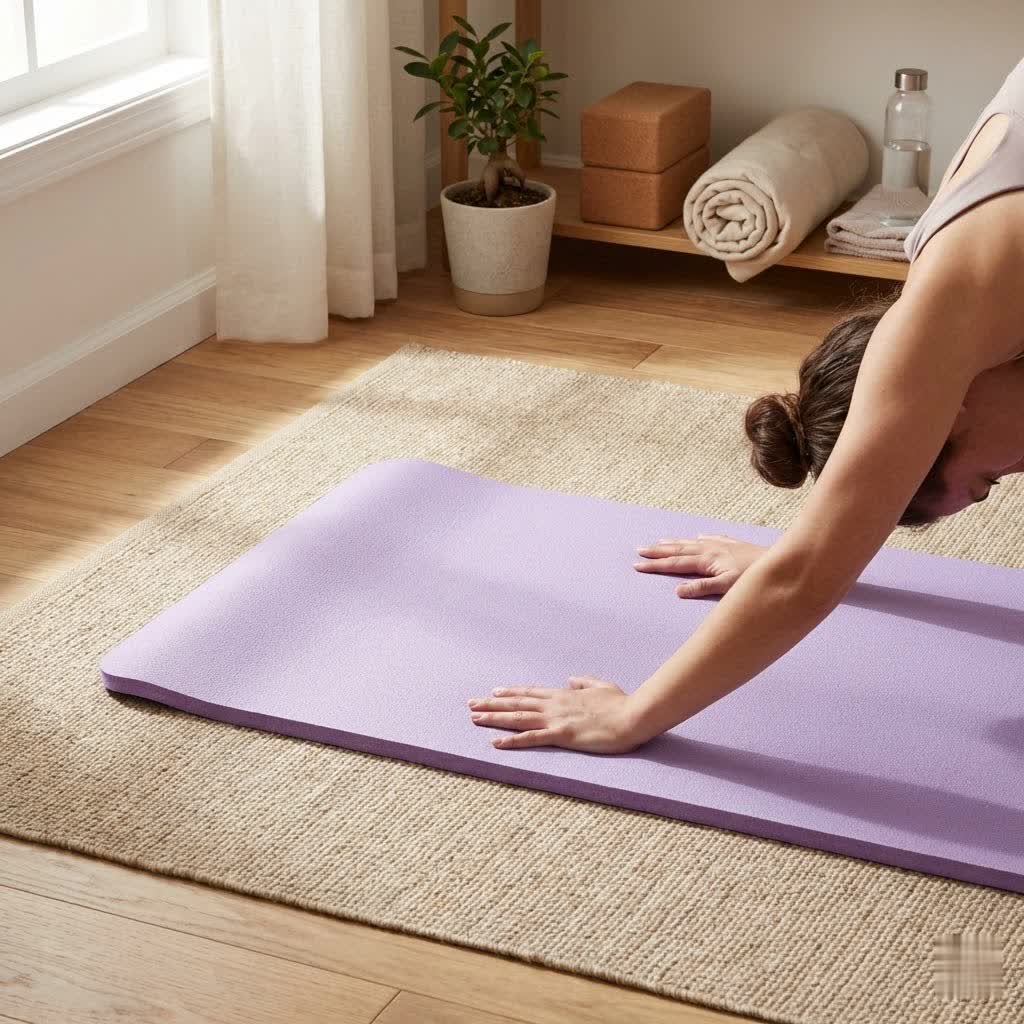
Stepping onto your yoga mat should feel like an invitation to a supportive sanctuary, not a battle with hard floors or aching joints. For many, especially those with sensitive knees, wrists, or backs, a standard thin mat simply doesn’t cut it. This is where the best thick yoga mats come in, offering the essential cushioning and stability you need to deepen your practice with confidence and comfort.
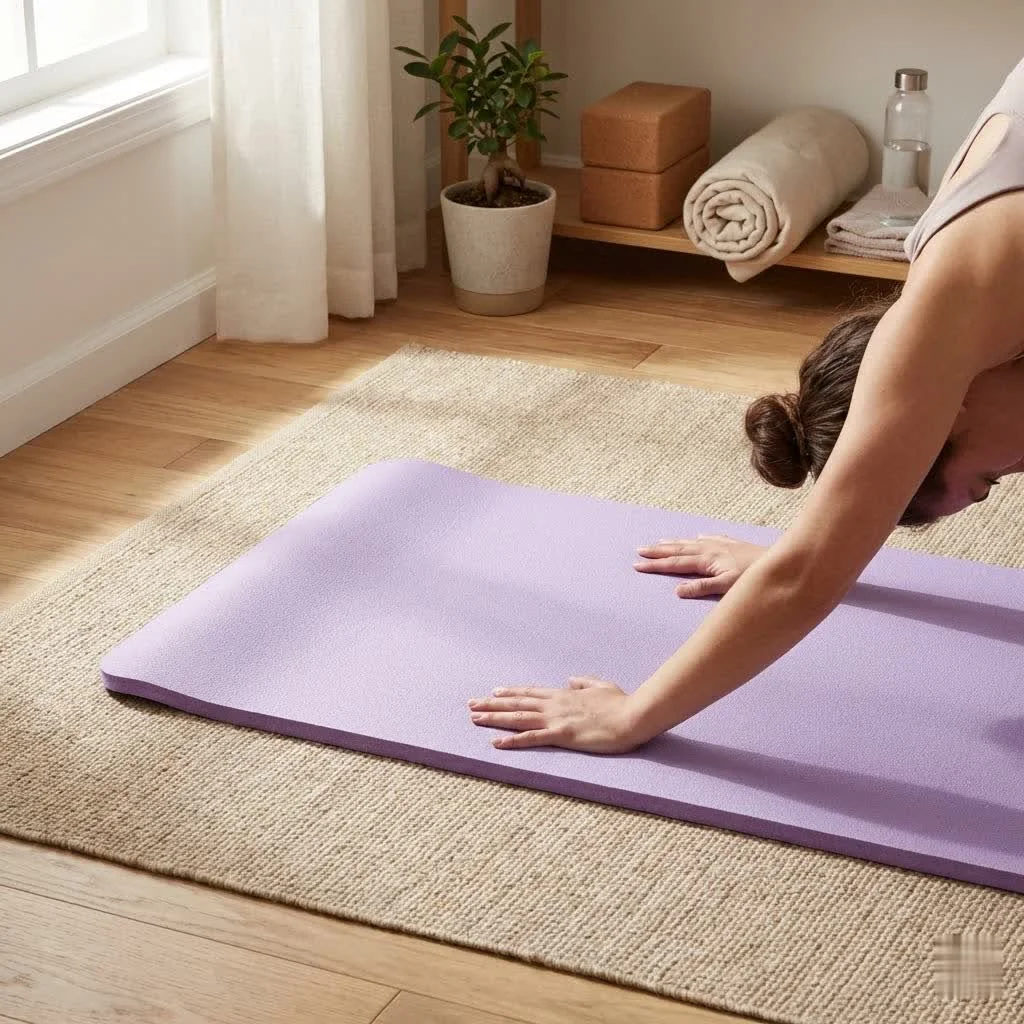
The Importance of a Supportive Foundation
A yoga mat is more than just a piece of equipment; it’s your personal space for grounding, stretching, and finding stillness. While thinner mats offer a strong connection to the floor, thicker mats are designed to provide superior shock absorption, protecting your joints and making poses more accessible. This added comfort can transform your practice, allowing you to focus on alignment and breath rather than discomfort.
Exploring Different Yoga Mat Materials
The material of your yoga mat dictates its feel, durability, and environmental impact. Understanding the common types can help you choose one that aligns with your values and practice needs.
PVC (Polyvinyl Chloride) Mats
Often the most affordable and widely available, PVC mats are known for their stickiness, which provides good grip.
- Advantages: Inexpensive, excellent grip, very durable.
- Disadvantages: Not biodegradable, can have a strong chemical smell when new, less environmentally friendly.
TPE (Thermoplastic Elastomer) Mats
A popular choice for those seeking a balance of performance and eco-friendliness, TPE mats are often a step up from PVC.
- Advantages: Environmentally friendly (recyclable, often biodegradable), good grip, lightweight, free from latex and PVC.
- Disadvantages: Less durable than natural rubber or high-density PVC, can scratch or dent more easily.
Natural Rubber Mats
Favored by many yogis for their exceptional grip and environmental benefits, natural rubber mats offer a premium feel.
- Advantages: Superior grip (especially when damp), highly durable, eco-friendly (made from sustainable tree rubber), no synthetic chemicals.
- Disadvantages: Can have a strong rubber odor, heavier than other types, not suitable for those with latex allergies, generally more expensive.
Cork Mats
Cork mats are gaining popularity for their unique properties, offering a natural and hygienic option.
- Advantages: Naturally antimicrobial and anti-fungal, excellent grip that improves with sweat, sustainable and eco-friendly, distinct natural feel.
- Disadvantages: Can be less cushioned than rubber or TPE, requires specific care to prevent drying, may feel rough to some.
Jute (Plant Fiber) Mats
Jute mats provide a textured, natural surface, often blended with other materials for comfort.
- Advantages: Eco-friendly and sustainable, provides a rustic and natural feel, good texture for grip.
- Disadvantages: Can feel rough or abrasive to sensitive skin, may offer less cushioning depending on the blend, can be less durable than rubber.
Detailed Comparison of Popular Yoga Mat Types
To help you navigate your options, here’s a comparison of common yoga mat types across key criteria:
| Feature | PVC Mat | TPE Mat | Natural Rubber Mat | Cork Mat | Jute Mat |
|---|---|---|---|---|---|
| Material | Polyvinyl Chloride | Thermoplastic Elastomer | Natural Tree Rubber | Cork Bark | Jute Fibers (often blended) |
| Typical Thickness | 3-6mm | 4-8mm | 4-6mm (some up to 7mm) | 3-5mm | 3-5mm |
| Grip | Excellent (sticky) | Good to Excellent | Excellent (especially wet) | Excellent (improves wet) | Good (textured) |
| Durability | High | Moderate | High | Moderate | Moderate |
| Price Range | Low | Mid | High | Mid to High | Mid |
| Environmental Friendliness | Low (not biodegradable) | High (recyclable/biodegradable) | High (sustainable/biodegradable) | High (sustainable/biodegradable) | High (sustainable/biodegradable) |
Your Guide to Choosing the Perfect Thick Yoga Mat
Selecting the right thick yoga mat involves considering several factors to ensure it meets your personal needs and enhances your practice.
Thickness: Finding Your Sweet Spot
|
Our Picks for the Best Yoga Mat in 2026
As an Amazon Associate I earn from qualifying purchases.
|
||
| Num | Product | Action |
|---|---|---|
| 1 | Retrospec Solana Yoga Mat 1" Thick w/Nylon Strap for Men & Women - Non Slip Exercise Mat for Home Yoga, Pilates, Stretching, Floor & Fitness Workouts |

|
| 2 | Retrospec Solana Yoga Mat 1" Thick w/Nylon Strap for Men & Women - Non Slip Exercise Mat for Home Yoga, Pilates, Stretching, Floor & Fitness Workouts |
|
| 3 | Retrospec Solana Yoga Mat 1" Thick w/Nylon Strap for Men & Women - Non Slip Exercise Mat for Home Yoga, Pilates, Stretching, Floor & Fitness Workouts |
|
| 4 | Amazon Basics Extra Thick Exercise Yoga Mat with Carrying Strap |
|
| 5 | Amazon Basics Extra Thick Exercise Yoga Mat with Carrying Strap |
|
| 6 | Retrospec Solana Yoga Mat 1" Thick w/Nylon Strap for Men & Women - Non Slip Exercise Mat for Home Yoga, Pilates, Stretching, Floor & Fitness Workouts |
|
| 7 | Retrospec Solana Yoga Mat 1" Thick w/Nylon Strap for Men & Women - Non Slip Exercise Mat for Home Yoga, Pilates, Stretching, Floor & Fitness Workouts |
|
| 8 | Amazon Basics Extra Thick Exercise Yoga Mat with Carrying Strap |
|
| 9 | Amazon Basics 1/4 Inch Thick TPE Exercise Yoga Mat with Carrying Strap |
|
| 10 | Retrospec Solana Yoga Mat 1" Thick w/Nylon Strap for Men & Women - Non Slip Exercise Mat for Home Yoga, Pilates, Stretching, Floor & Fitness Workouts |
|
The primary benefit of a thick yoga mat is cushioning. While standard mats are often 3-4mm, thick mats typically range from 6mm to 8mm, or even up to 12.7mm (1/2 inch) for specialized uses.
- 6-8mm: This range is often considered ideal for most practitioners seeking extra joint protection. It provides ample cushioning for knees, wrists, and the spine during floor poses without significantly compromising stability in standing balances. It’s an excellent choice for beginners, restorative yoga, Pilates, and general home practice.
- 3-5mm: While not “thick,” these mats are more portable and provide a stronger connection to the floor. They are better for experienced yogis who prioritize stability in advanced standing poses and balance, or for travel.
- Mats Thicker Than 8mm: These are excellent for intense cushioning, physical therapy, or very sensitive joints. However, they can be unstable for standing poses and cumbersome to transport.
Grip and Traction: Preventing Slips
A mat with excellent grip is crucial for safety and stability, preventing hands and feet from sliding during poses. Look for mats with a textured surface or made from naturally grippy materials like natural rubber or cork. Some mats are designed to become even more grippy when wet, which is ideal for hot yoga or intense, sweaty practices. The density of the material also plays a role; a mat that’s too soft might feel initially comfortable but can compress and lose stability, causing you to “sink” and compromise your balance. High-density foam or rubber offers a firm yet cushioned surface.
Size: Ensuring Ample Space
Most yoga mats come in a standard length of about 68 inches (172 cm) and a width of 24 inches (61 cm). However, if you are taller than average or simply prefer more space, consider longer mats (72-85 inches) or wider options. Ensure the mat comfortably accommodates your entire body during savasana or other reclining poses.
Material: Beyond Just Comfort
As detailed above, the material profoundly affects the mat’s performance and impact. If environmental sustainability is a priority, opt for natural rubber, TPE, cork, or jute. If you need extreme durability and don’t mind synthetic materials, high-quality PVC can be a good choice. Consider also how easy the material is to clean and whether it absorbs sweat.
Budget: Investing in Your Practice
Yoga mats vary widely in price, from budget-friendly options to high-end, specialized mats. Determine your budget before shopping, but remember that investing in a quality mat can lead to greater comfort, durability, and a more consistent practice over time. A well-chosen thick mat is an investment in your physical well-being.
Essential Yoga Mat Care and Maintenance Tips
Proper care will extend the life of your thick yoga mat and keep it hygienic.
Cleaning After Each Practice
Sweat, dirt, and oils can accumulate quickly.
- Wipe Down: Use a damp cloth with a mild soap solution or a specialized yoga mat cleaner. Gently wipe down the entire surface of the mat after each use.
- Deep Clean: For a deeper clean, especially for natural rubber or cork mats, follow manufacturer instructions, which may include occasional rinsing or gentle scrubbing.
- Air Dry: Always allow your mat to air dry completely before rolling it up to prevent bacteria growth and odors. Hang it or lay it flat in a well-ventilated area away from direct sunlight.
Proper Storage Techniques
How you store your mat significantly impacts its longevity and shape.
- Roll, Don’t Fold: Always roll your mat tightly, starting from the end that touches the floor, to prevent creases and damage.
- Avoid Direct Sunlight: Prolonged exposure to sunlight can degrade many mat materials, causing them to become brittle or fade.
- Store in a Cool, Dry Place: Humidity can encourage mold or mildew. Keep your mat in a dry environment, away from extreme temperatures.
“A thick yoga mat isn’t just about cushioning; it’s about creating a safe space where you can explore poses without fear of discomfort, allowing your practice to truly flourish.” – Sarah Chen, Certified Yoga Instructor and Wellness Expert
Top Considerations for Popular Thick Yoga Mat Features
While specific brands are numerous, the features that make certain mats popular often include:
- Exceptional Cushioning for Joint Support: Mats designed with high-density foam or extra layers of natural rubber specifically cater to those needing significant protection for knees, hips, and spine.
- Reliable Non-Slip Surface: Advanced textures or open-cell materials that absorb moisture ensure a secure grip, essential for stability, especially during dynamic or sweaty sessions.
- Durability and Longevity: Premium thick mats often boast robust construction, able to withstand years of regular practice without breaking down or losing their supportive properties.
- Eco-Conscious Materials: Many leading thick mats are made from sustainable, non-toxic, and biodegradable materials, appealing to environmentally aware yogis.
- Versatility for Various Practices: The best thick mats strike a balance between plush comfort and firm support, making them suitable for a wide range of activities from gentle restorative yoga to more dynamic Vinyasa flows and even Pilates or general fitness.
Conclusion
Choosing the best thick yoga mat is a personal journey, deeply intertwined with your unique practice needs and preferences. By understanding the different materials, ideal thicknesses, and crucial features like grip and durability, you can make an informed decision that will significantly enhance your comfort and support. Whether you’re a seasoned yogi looking for extra joint protection or a beginner seeking a gentler introduction to your practice, a well-chosen thick yoga mat can be a game-changer.
Ready to transform your practice with unparalleled comfort? Consider your needs, explore the options, and find the thick yoga mat that becomes your perfect foundation. What aspects of your yoga practice are you most excited to improve with a new, supportive mat?
Frequently Asked Questions
How thick should a yoga mat be for bad knees or joint pain?
For individuals with bad knees or joint pain, a yoga mat thickness of 6mm to 8mm is generally recommended. This range provides ample cushioning and shock absorption, significantly reducing pressure on sensitive joints during kneeling poses, seated postures, and transitions, offering a more comfortable and pain-free practice.
Is a thick yoga mat good for all types of yoga?
While excellent for restorative, prenatal, gentle, and general home yoga, very thick mats (above 8mm) can sometimes compromise stability in standing and balancing poses due to the extra cushioning. For dynamic practices like Vinyasa or Ashtanga, a mat around 6mm might offer a better balance of support and stability.
What is the difference between a thick yoga mat and a Pilates mat?
Pilates mats are often significantly thicker (up to 12.7mm or 1/2 inch) and firmer than most yoga mats. They are designed to provide maximum cushioning and support for floor-based Pilates exercises, which often involve rolling and lying on the back or side, where extreme padding is beneficial and stability isn’t as paramount as in standing yoga poses.
How do I clean a natural rubber thick yoga mat?
Natural rubber mats are best cleaned with a mild soap and water solution or a specialized natural rubber mat cleaner. Avoid harsh chemicals or excessive scrubbing. Always wipe it down gently with a damp cloth and allow it to air dry completely, ideally by hanging it, before rolling it up. Never put it in a washing machine or dryer.
Get our weekly buyer guide
Practical specs, not advice. Unsubscribe anytime.
