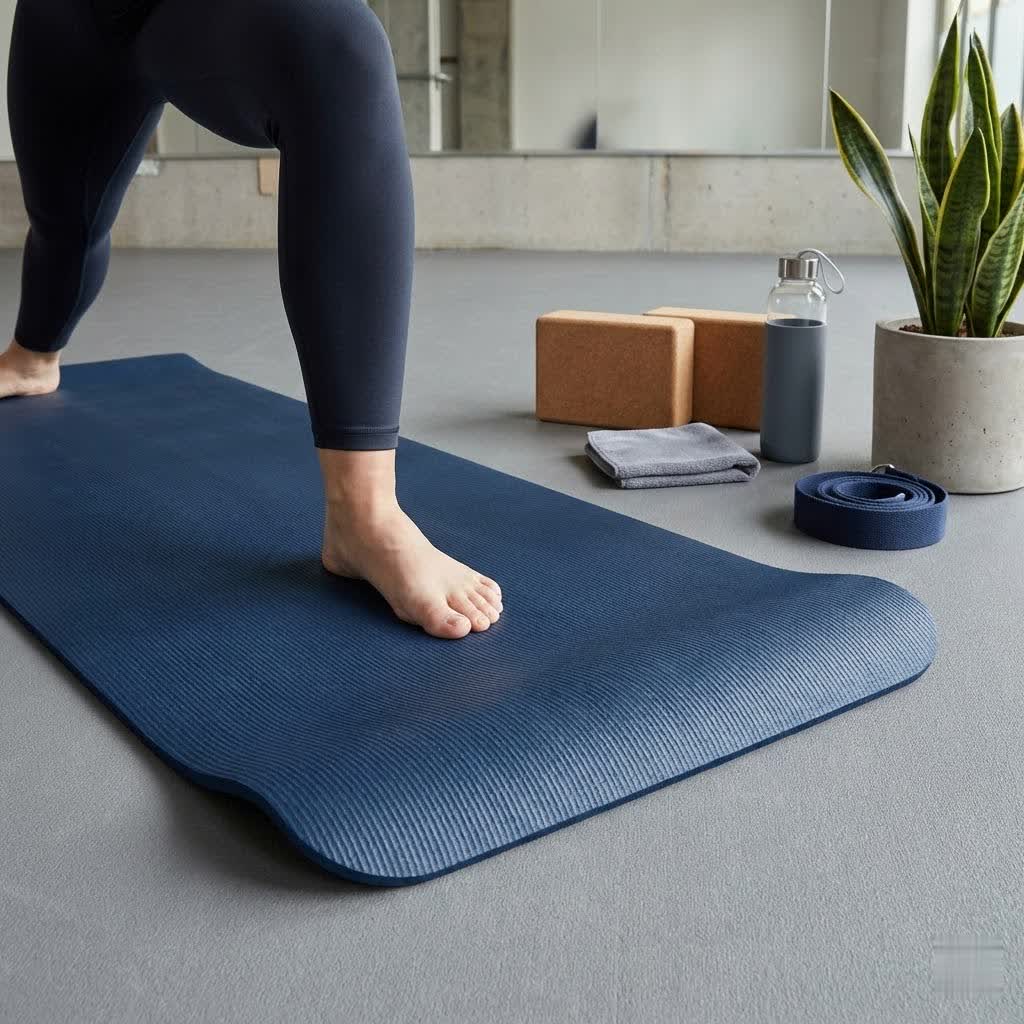
Do you find yourself constantly adjusting your hands and feet, or even worse, slipping during your yoga practice? A slippery yoga mat can disrupt your focus, compromise your alignment, and even lead to injury. For both seasoned yogis and enthusiastic beginners, a reliable grip is paramount to unlocking deeper poses and a truly transformative experience. This comprehensive guide will navigate you through the world of grippiest yoga mats, ensuring you find the perfect companion for unparalleled stability and an enhanced practice.
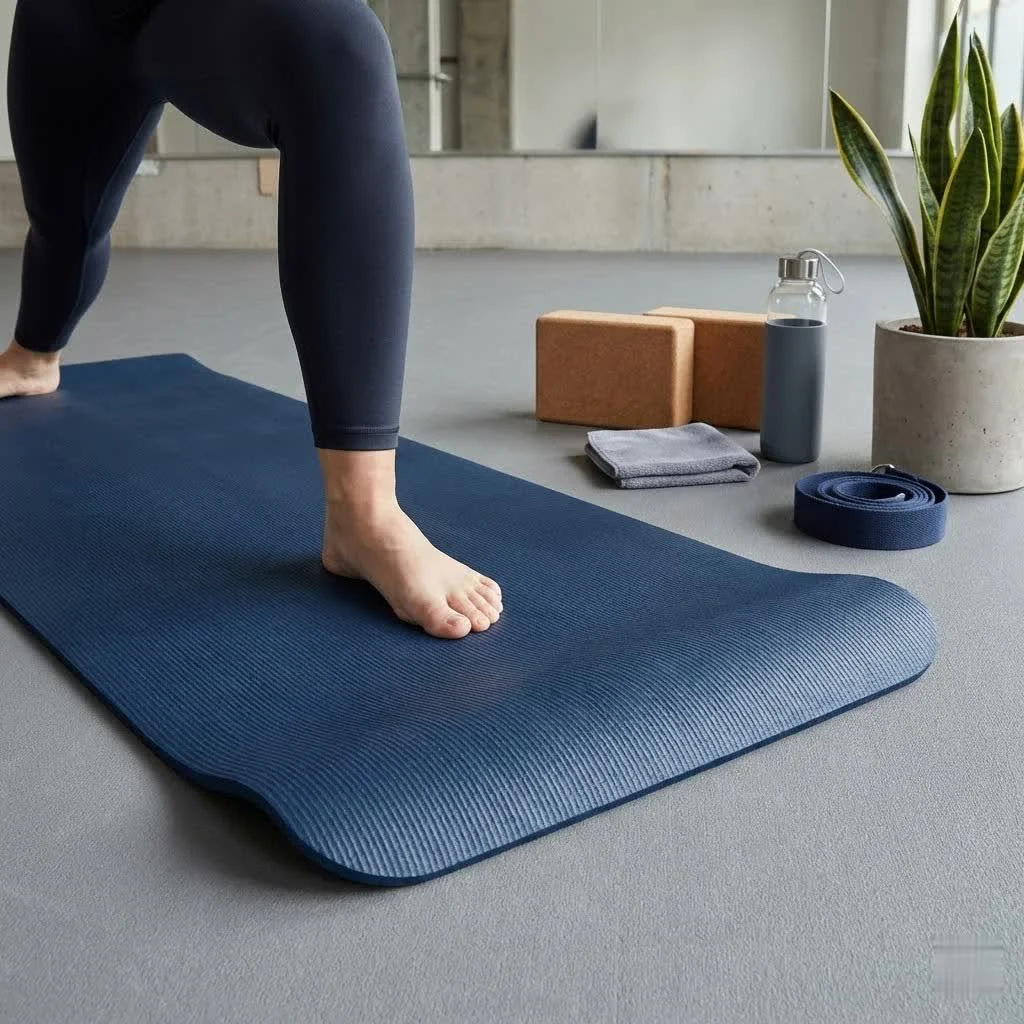
Understanding Yoga Mat Grip: Why It Matters
The foundation of any successful yoga practice is stability, and that starts with your mat. Without a mat that provides exceptional traction, your downward-facing dog might feel more like a downward slide, and balancing poses become a precarious challenge. A non-slip yoga mat is crucial for maintaining proper alignment, building confidence, and preventing unnecessary strain or injury. It allows you to ground yourself securely, enabling you to focus entirely on your breath and movement rather than battling a wayward surface. This enhanced stability is particularly vital in dynamic styles like Vinyasa, Ashtanga, or hot yoga, where sweat can quickly turn a regular mat into a slick hazard. When your mat holds steady, your practice can truly flow.
Exploring Materials for Superior Yoga Mat Grip
The secret to a yoga mat’s grip lies predominantly in its material and surface texture. Different materials offer unique benefits and cater to varying levels of sweat and practice styles.
Natural Rubber
Natural rubber yoga mats are a favorite among many for their exceptional grip and eco-friendly properties. Derived from rubber trees, this material provides excellent traction, often getting even grippier when wet. This characteristic makes natural rubber an ideal choice for hot yoga or individuals with sweaty hands and feet. Beyond grip, natural rubber also offers good cushioning and responsiveness, supporting your joints without sacrificing stability. However, they can be heavier than other types and may have a distinct rubber smell initially, which typically fades over time. Individuals with latex allergies should also be cautious, as natural rubber contains latex.
Polyurethane (PU)
Often recognized for its incredibly smooth yet highly grippy surface, polyurethane (PU) mats are engineered for maximum traction in both wet and dry conditions. The top layer of a PU mat is typically designed to be absorbent, effectively wicking away moisture to maintain a firm hold even during the sweatiest sessions. When bonded to a natural rubber base, PU mats offer a luxurious feel with robust performance. While they excel in grip, some PU mats can be more prone to showing marks or stains and may require specific cleaning routines to maintain their pristine appearance and optimal stickiness.
Cork
|
Our Picks for the Best Yoga Mat in 2026
As an Amazon Associate I earn from qualifying purchases.
|
||
| Num | Product | Action |
|---|---|---|
| 1 | Retrospec Solana Yoga Mat 1" Thick w/Nylon Strap for Men & Women - Non Slip Exercise Mat for Home Yoga, Pilates, Stretching, Floor & Fitness Workouts |

|
| 2 | Amazon Basics Extra Thick Exercise Yoga Mat with Carrying Strap |
|
| 3 | Retrospec Solana Yoga Mat 1" Thick w/Nylon Strap for Men & Women - Non Slip Exercise Mat for Home Yoga, Pilates, Stretching, Floor & Fitness Workouts |
|
| 4 | Retrospec Solana Yoga Mat 1" Thick w/Nylon Strap for Men & Women - Non Slip Exercise Mat for Home Yoga, Pilates, Stretching, Floor & Fitness Workouts |
|
| 5 | Retrospec Solana Yoga Mat 1" Thick w/Nylon Strap for Men & Women - Non Slip Exercise Mat for Home Yoga, Pilates, Stretching, Floor & Fitness Workouts |
|
| 6 | Retrospec Solana Yoga Mat 1" Thick w/Nylon Strap for Men & Women - Non Slip Exercise Mat for Home Yoga, Pilates, Stretching, Floor & Fitness Workouts |
|
| 7 | Amazon Basics 1/4 Inch Thick TPE Exercise Yoga Mat with Carrying Strap |
|
| 8 | Amazon Basics Extra Thick Exercise Yoga Mat with Carrying Strap |
|
| 9 | Amazon Basics Extra Thick Exercise Yoga Mat with Carrying Strap |
|
| 10 | Retrospec Solana Yoga Mat 1" Thick w/Nylon Strap for Men & Women - Non Slip Exercise Mat for Home Yoga, Pilates, Stretching, Floor & Fitness Workouts |
|
For those who prioritize sustainability and a unique tactile experience, cork yoga mats are an excellent option. Cork is naturally antimicrobial, which helps keep your mat fresh, and it boasts a remarkable quality: it becomes grippier as it gets wet. This makes cork mats particularly suitable for sweaty practices, as the moisture actually enhances the traction. When dry, some cork mats might feel a little less sticky than rubber or PU, and some yogis find it beneficial to lightly mist their mat with water at the start of a dry practice to activate the grip. Cork mats often feature a natural rubber backing for added stability on the floor.
TPE (Thermoplastic Elastomer)
Thermoplastic Elastomer (TPE) mats offer a balanced blend of performance and environmental consciousness. Often a mix of plastic and rubber polymers, TPE mats are generally lighter than natural rubber and are free from PVC and latex. They provide good grip, making them a step up from basic PVC mats for those seeking better traction without the higher price point of natural rubber or PU. While TPE mats are more eco-friendly and offer decent grip, they might not match the extreme wet grip or long-term durability of premium natural rubber or PU mats, especially with very intense daily use.
PVC (Polyvinyl Chloride)
Traditional PVC yoga mats are widely available and often come at a lower price point. They are known for their durability and excellent “stickiness” that prevents the mat from sliding on the floor. However, PVC is a closed-cell material, meaning it does not absorb sweat. This can cause the surface to become slippery during hot yoga or intense practices where perspiration is abundant. While easy to clean and long-lasting, PVC is not biodegradable and is less environmentally friendly than other material options. Some higher-end PVC mats require a “break-in” period to achieve optimal grip.
Detailed Comparison of Popular Grippy Yoga Mats
Choosing the right grippy mat involves weighing various factors beyond just material. Here’s a comparative look at some of the most popular and highly-rated options for superior grip:
| Mat Name | Material | Grip Performance (Wet/Dry) | Cushioning | Durability | Price Range | Key Features |
|---|---|---|---|---|---|---|
| Manduka PRO | Closed-cell PVC (OEKO-TEX certified) | Good dry grip; can become slick when very wet (needs break-in) | Excellent | Exceptional (Lifetime warranty) | High | Heavy, stable, joint-friendly, very dense, easy to clean. |
| Lululemon The Mat | Natural rubber base, polyurethane top layer | Excellent wet and dry grip; absorbs sweat | Excellent | Good | High | Reversible, soft yet grippy, versatile for various styles, absorbs moisture. |
| Liforme Original | Natural rubber base, eco-polyurethane top | Excellent wet and dry grip; “gecko-like” stickiness | Good | Good | Premium | Unique alignment markers, absorbent, waterproof layer, resilient for travel. |
| Jade Harmony | Natural rubber | Exceptional wet and dry grip; very sticky | Good | Good | Medium-High | Eco-friendly (plants a tree for each mat sold), open-cell, can have initial smell. |
| Yoloha Unity Cork | Cork-rubber top layer, foam base | Stellar wet grip (improves with moisture); slippery when dry | Moderate | Good | Premium | Antimicrobial, firm, grounding, sustainable. May need water spritz when dry. |
| Iuga Eco-Friendly Non-Slip | Polyurethane, Rubber Foam | Excellent dry and wet grip; lightweight | Good | Moderate | Budget | Wide/long dimensions, includes carry strap, great value. |
| Manduka GRP Adapt | Rubber base, PU top layer | Perfect dry + wet grip | Good | Good | High | Designed for versatile practice, forgiving feel, lighter than PRO. |
Key Factors for Choosing Your Grippiest Yoga Mat
Selecting the ideal mat is a personal journey. Beyond material, consider these factors to find a mat that truly resonates with your practice:
- Thickness: The thickness of your mat directly impacts comfort and stability. Thinner mats (3-5mm) offer a closer connection to the floor, enhancing stability for balancing poses and easy transitions. They are often lighter and more portable. Thicker mats (6-8mm) provide superior cushioning, which is excellent for sensitive joints, restorative practices, or if you practice on hard surfaces. However, a very thick mat can sometimes make balancing more challenging.
- Texture: The surface texture plays a significant role in grip. Some mats feature raised patterns or a naturally rough surface (like jute or cork) that provide mechanical grip. Others, like high-quality PU mats, achieve grip through a smooth yet incredibly tacky feel. Experimenting with different textures can help you discover what feels most secure under your hands and feet.
- Sweat Absorption: If you tend to sweat a lot, especially in hot yoga, look for mats with open-cell construction or specialized moisture-wicking top layers (like many PU and natural rubber mats). These absorb sweat to maintain a dry, grippy surface. Closed-cell mats, while easy to clean, repel moisture and can become slippery when wet.
- Size: Most yoga mats are a standard length (around 68 inches) and width (24 inches). If you are taller or prefer more space, opt for extra-long (71-80 inches) or extra-wide (26 inches or more) options to ensure you can fully extend without stepping off your mat.
- Eco-Friendliness: For the environmentally conscious yogi, materials like natural rubber, cork, and jute are excellent choices due to their biodegradability and sustainable sourcing. TPE is also a more eco-friendly alternative to traditional PVC.
- Budget: Yoga mats range widely in price. While it’s tempting to opt for a budget-friendly option, investing in a high-quality, grippy mat can significantly enhance your practice and often offers greater durability, making it a cost-effective choice in the long run.
Maintaining the Grip: Care Tips for Your Yoga Mat
To ensure your grippiest yoga mat maintains its exceptional traction and longevity, proper care is essential.
- Clean After Every Practice: Use a damp cloth to wipe down your mat after each session, removing sweat, dirt, and body oils. For a deeper clean, a mild soap solution or a specialized yoga mat cleaner can be used. This regular cleaning prevents residue buildup that can diminish grip.
- Deep Cleaning: For open-cell mats, which absorb sweat, occasional deep cleaning might be necessary. This could involve rinsing the mat in a shower or soaking it, followed by thorough air-drying. Always ensure your mat is completely dry before rolling it up to prevent mildew.
- Proper Storage: Roll your mat tightly, typically with the top surface facing outwards, to prevent creases. Store it in a cool, dry place away from direct sunlight, which can degrade materials like natural rubber over time. Avoid leaving your mat in a hot car for extended periods.
“A well-maintained yoga mat isn’t just about hygiene; it’s about preserving the integrity of your practice. A clean mat is a grippy mat, allowing you to focus on your flow, not your footing.” – Alex Chen, Certified Yoga Instructor and Mat Care Specialist
Conclusion
Choosing the grippiest yoga mat is a crucial step towards a more confident, stable, and enjoyable practice. By understanding the diverse materials, their unique grip characteristics, and considering your personal preferences and practice style, you can make an informed decision. Whether you opt for the earthy connection of cork, the robust traction of natural rubber, or the cutting-edge performance of a PU-layered mat, the right foundation will elevate your yoga journey. With a mat that steadfastly supports your every move, you’re free to explore the depths of each pose, cultivate inner peace, and truly embrace the transformative power of yoga.
Ready to experience unparalleled stability on your mat? Which grippy yoga mat feature matters most to your practice?
Frequently Asked Questions
What makes a yoga mat truly grippy?
A yoga mat’s grip primarily comes from its material (like natural rubber or polyurethane) and its surface texture. Open-cell materials or those with specialized coatings absorb sweat to maintain traction, while a good texture provides physical resistance against slipping.
Are natural rubber mats the grippiest option available?
Natural rubber mats are renowned for their excellent grip, often performing exceptionally well, especially when wet or during sweaty practices. However, high-quality polyurethane (PU) mats are also considered among the grippiest, designed specifically to prevent slipping in both wet and dry conditions.
How do I prevent my yoga mat from sliding on the floor?
Ensure your mat has a good base material (like natural rubber) that adheres well to the floor. Regularly clean both your mat and your practice space to remove dust or oils that can reduce friction. Some mats also feature textured undersides for enhanced floor grip.
Can I make my existing yoga mat grippier?
You can try several methods to improve your current mat’s grip: regular cleaning removes slick residue, using a yoga towel (especially for hot yoga) can absorb sweat and add traction, and some yogis use rosin or chalk on their hands and feet for extra grip.
What is the ideal thickness for a grippy yoga mat?
For optimal grip and stability, a thickness between 3mm and 5mm is generally recommended. This range provides enough cushioning for comfort without being too soft, which can sometimes hinder balance and the feeling of connection to the floor.
Get our weekly buyer guide
Practical specs, not advice. Unsubscribe anytime.
