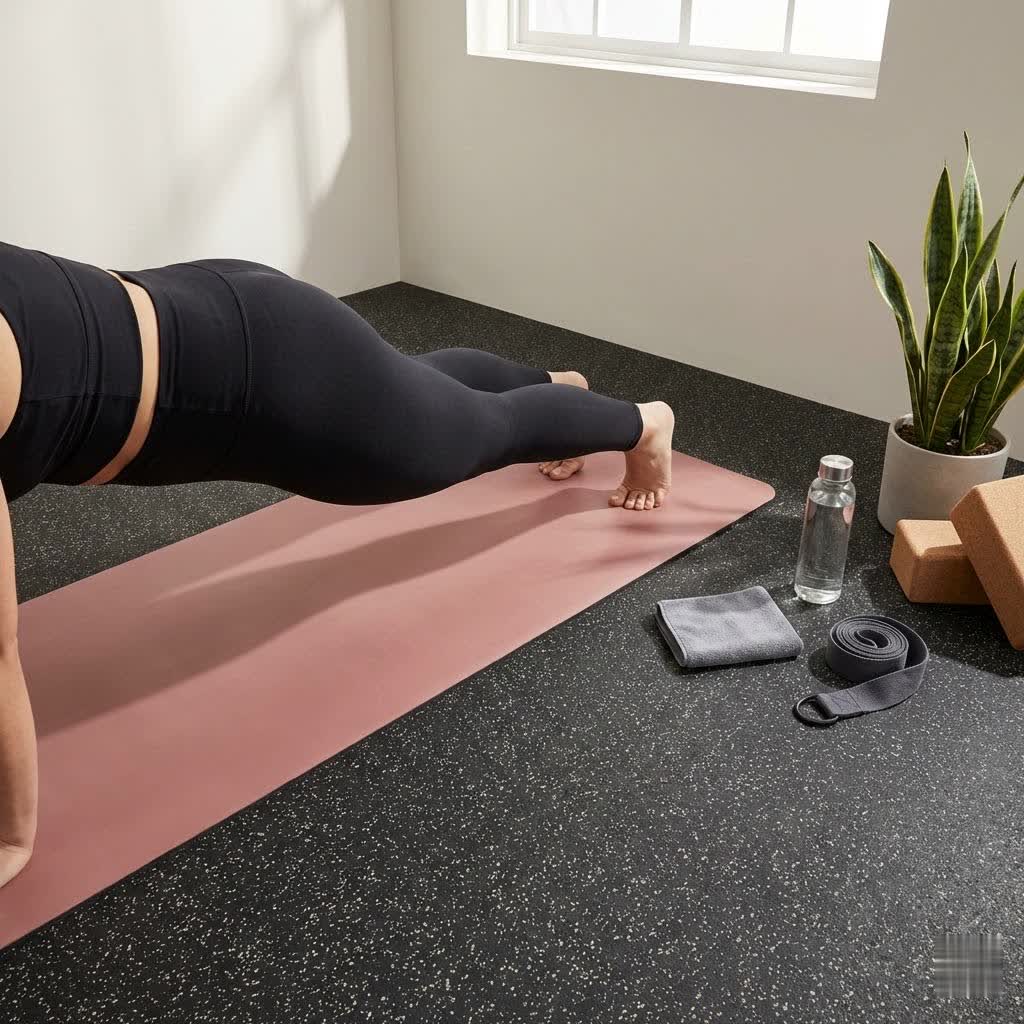
Embarking on a yoga journey, or deepening an existing practice, truly begins with the right foundation beneath you. A high-quality yoga mat isn’t just an accessory; it’s a crucial tool that supports your balance, cushions your joints, and provides the essential grip needed for every pose. With countless options available, navigating Amazon’s vast marketplace for the ideal yoga mat can feel overwhelming. But fear not, as someone who has spent over a decade on the mat and immersed myself in the world of yoga equipment, I’m here to guide you through selecting the perfect yoga mat on Amazon that aligns with your practice, preferences, and budget.
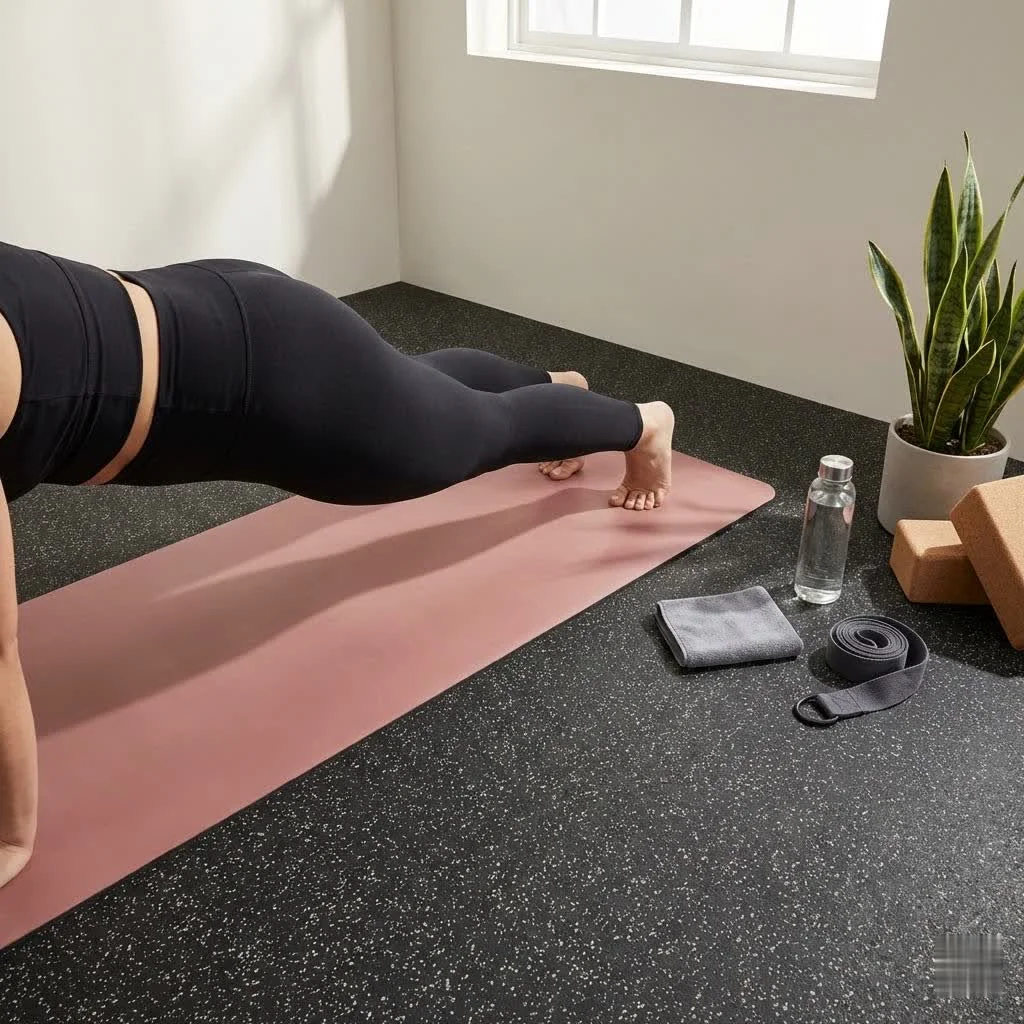
Popular Yoga Mat Materials on Amazon
The material of your yoga mat profoundly impacts its performance, feel, and environmental footprint. Understanding the unique characteristics of each type is the first step toward making an informed choice. Amazon offers a wide array of mats crafted from various materials, each with distinct advantages and disadvantages. For expert yoga mat reviews on this site.
PVC (Polyvinyl Chloride) Mats
PVC mats are often the most traditional and widely recognized type, known for their sticky feel.
- Pros: PVC mats are highly durable, often lasting over a decade with proper care. They offer excellent grip and traction, ensuring stability during poses. Many are latex-free, making them suitable for individuals with latex sensitivities. They also tend to be easy to clean and maintain.
- Cons: The primary drawback of PVC is its environmental impact. It is not biodegradable, difficult to recycle, and can contain phthalates. Additionally, while sticky, PVC mats are non-absorbent and can become quite slippery if you sweat heavily.
TPE (Thermoplastic Elastomer) Mats
TPE mats represent a more modern, often eco-friendlier alternative to PVC.
- Pros: TPE is a synthetic blend of plastic and rubber polymers, making it lighter and generally more environmentally conscious than PVC, with some TPE mats being fully recyclable. They offer good traction and cushioning, often feeling softer underfoot.
- Cons: TPE mats are typically less durable than their PVC or natural rubber counterparts and may show wear and tear more quickly. They can also feel somewhat slippery on the surface, depending on the specific blend.
Natural Rubber Mats
For those prioritizing sustainability and superior performance, natural rubber mats are a top choice.
- Pros: Derived from rubber trees, these mats are eco-friendly, biodegradable, and offer outstanding resilience and durability. They are celebrated for their exceptional grip and strong friction, which is particularly beneficial for dynamic practices.
- Cons: Natural rubber mats often have a distinct rubbery smell, especially when new, which can take time to dissipate. They are also generally heavier and come with a higher price tag. Individuals with latex allergies should avoid natural rubber mats.
Cork Mats
|
Our Picks for the Best Yoga Mat in 2026
As an Amazon Associate I earn from qualifying purchases.
|
||
| Num | Product | Action |
|---|---|---|
| 1 | Amazon Basics 1/4 Inch Thick TPE Exercise Yoga Mat with Carrying Strap |

|
| 2 | Amazon Basics Extra Thick Exercise Yoga Mat with Carrying Strap |
|
| 3 | Retrospec Solana Yoga Mat 1" Thick w/Nylon Strap for Men & Women - Non Slip Exercise Mat for Home Yoga, Pilates, Stretching, Floor & Fitness Workouts |
|
| 4 | Retrospec Solana Yoga Mat 1" Thick w/Nylon Strap for Men & Women - Non Slip Exercise Mat for Home Yoga, Pilates, Stretching, Floor & Fitness Workouts |
|
| 5 | Retrospec Solana Yoga Mat 1" Thick w/Nylon Strap for Men & Women - Non Slip Exercise Mat for Home Yoga, Pilates, Stretching, Floor & Fitness Workouts |
|
| 6 | Amazon Basics Extra Thick Exercise Yoga Mat with Carrying Strap |
|
| 7 | Retrospec Solana Yoga Mat 1" Thick w/Nylon Strap for Men & Women - Non Slip Exercise Mat for Home Yoga, Pilates, Stretching, Floor & Fitness Workouts |
|
| 8 | Retrospec Solana Yoga Mat 1" Thick w/Nylon Strap for Men & Women - Non Slip Exercise Mat for Home Yoga, Pilates, Stretching, Floor & Fitness Workouts |
|
| 9 | Retrospec Solana Yoga Mat 1" Thick w/Nylon Strap for Men & Women - Non Slip Exercise Mat for Home Yoga, Pilates, Stretching, Floor & Fitness Workouts |
|
| 10 | Amazon Basics Extra Thick Exercise Yoga Mat with Carrying Strap |
|
Cork mats offer a unique blend of natural properties and performance benefits.
- Pros: Cork is naturally antimicrobial, which helps keep your mat fresh and odor-free. Its grip actually improves when wet, making it an excellent choice for hot yoga practitioners. Cork is also eco-friendly and breathable.
- Cons: The surface of cork mats can feel rough to some users. They require careful cleaning and maintenance to preserve their texture and prevent edges from curling over time.
Jute Mats
Jute mats combine natural fibers with a textured surface, appealing to environmentally conscious yogis.
- Pros: Made from plant fibers, jute mats are highly eco-friendly, durable, and breathable. Their natural texture provides good traction and a grounded feel during practice.
- Cons: The surface of jute mats can be rougher than other materials, which some find uncomfortable. They tend to be thinner and may offer less cushioning than synthetic or rubber mats.
NBR (Nitrile Butadiene Rubber) Mats
Often found in thicker, budget-friendly options, NBR is a synthetic rubber.
- Pros: NBR mats offer excellent cushioning, making them very comfortable for restorative yoga, Pilates, and general fitness exercises, providing ample joint support. They are typically lightweight and budget-friendly.
- Cons: While comfortable, NBR mats generally provide less grip compared to materials like natural rubber or PVC, which can be a concern for more dynamic yoga styles.
PU (Polyurethane) Mats
Often used as a top layer over natural rubber, PU offers a premium non-slip experience.
- Pros: Polyurethane mats are prized for their incredibly grippy, non-slip surface, which performs exceptionally well even with heavy perspiration. They are durable and offer a cushioned feel.
- Cons: PU is a petrochemical-based polymer, and while considered safer than PVC, it can still off-gas VOCs. They can also be more susceptible to showing marks and require specific cleaning care.
Detailed Comparison Table: Yoga Mat Materials on Amazon
Here’s a quick overview to help you compare the most common yoga mat materials available on Amazon:
| Feature | PVC | TPE | Natural Rubber | Cork | Jute | NBR | PU (Polyurethane) |
|---|---|---|---|---|---|---|---|
| Price Range | Low – Mid | Mid | Mid – High | Mid – High | Mid | Low | High |
| Durability | Excellent, long-lasting | Moderate | Excellent | Good | Good | Moderate | Excellent |
| Grip (Dry) | Very good | Good | Excellent | Good | Good | Fair | Exceptional |
| Grip (Wet/Sweat) | Can be slippery | Moderate | Good (can reduce) | Improves when wet | Moderate | Fair | Exceptional |
| Eco-friendliness | Low | Moderate (recyclable) | High (biodegradable) | High (antimicrobial) | High (biodegradable) | Low (synthetic) | Moderate (petrochemical) |
| Cushioning | Good | Good | Moderate | Moderate | Low – Moderate | Excellent | Good |
| Weight | Medium | Light | Heavy | Medium | Medium | Light | Medium – Heavy |
| Smell | Low | Low | Distinct rubber smell | Low, natural | Earthy | Low | Low (can off-gas VOCs) |
| Best For | General yoga, durability | Balanced use, eco-conscious | Hot yoga, dynamic flows | Hot yoga, eco-conscious | Grounded feel, eco-friendly | Beginners, comfort, Pilates | Hot yoga, advanced practice |
How to Choose the Right Yoga Mat on Amazon
Choosing the right yoga mat means balancing your personal needs with the mat’s characteristics and the convenience of shopping on Amazon. Consider these factors to find your perfect match.
Thickness
The thickness of your mat directly impacts comfort and stability.
- 3-5mm (approx. ⅛ inch to 3/16 inch): These thinner mats are ideal for experienced yogis who prefer a strong connection to the floor for balance-intensive poses. They are also excellent for travel due to their lighter weight and portability.
- 6-8mm (approx. ¼ inch to ⅓ inch): A popular choice for beginners or those needing extra cushioning for joints like knees, wrists, and hips. This thickness offers a good balance of comfort and stability, making it versatile for various practices.
- 10-15mm (approx. ½ inch or more): Often labeled “extra-thick” or “exercise mats,” these provide maximum cushioning. They are excellent for restorative yoga, Pilates, abdominal work, or individuals with very sensitive joints. However, they can be too soft for standing balance poses and less portable.
Grip (Traction)
Grip is paramount for safety and maintaining poses, especially as you deepen your practice or if you tend to sweat.
- When browsing on Amazon, look for mats specifically advertised as “non-slip” or “high-traction.”
- Materials like natural rubber and PU are renowned for their superior grip, even in sweaty conditions. Cork mats surprisingly increase their grip when wet, making them perfect for hot yoga.
- Always check customer reviews on Amazon, paying close attention to comments about slipping, especially in humid conditions or during intense practices.
Size
Standard yoga mats are typically 68 inches long and 24 inches wide. However, if you are taller than average or prefer more space to move, Amazon offers longer (e.g., 71 or 79 inches) and wider (e.g., 26 or 52 inches for home use) options. Ensure the mat’s length accommodates your entire body when lying down.
Material
Revisit the material descriptions above and consider what aligns best with your values and practice style.
- Eco-conscious? Opt for natural rubber, cork, or jute.
- Need extreme durability? PVC and natural rubber are top contenders.
- Sensitive to smells? TPE or PVC might be better than natural rubber.
- Practice hot yoga? Cork, natural rubber, or PU are excellent for wet grip.
Budget
Amazon offers yoga mats across all price points.
- Entry-level (under $30): Great for beginners or casual use. Brands like Gaiam Essentials and Amazon Basics often fall into this category, providing good value for basic comfort.
- Mid-range ($30-$80): Offers a wider selection of materials like TPE and some natural rubber options, balancing quality and affordability.
- Premium ($80+): These mats, from brands like Manduka, Liforme, and JadeYoga, typically feature advanced materials, superior durability, enhanced grip, and often come with longer warranties. Consider these an investment if you practice frequently.
Reviews & Ratings on Amazon
This is arguably the most critical step when buying online.
- Read customer reviews: Pay attention to what users say about grip, durability, smell, and how the mat performs under different conditions (e.g., hot yoga, carpet, hardwood). Look for recurring themes in positive and negative feedback.
- Check star ratings: A high average rating is a good indicator, but the detailed comments often provide more valuable insights.
- Look for photos: User-submitted photos can give you a real-world perspective on the mat’s appearance and condition after use.
Amazon Specifics: Shipping and Returns
One major advantage of buying on Amazon is their customer-friendly policies.
- Prime shipping: If you’re a Prime member, look for mats with fast, free shipping.
- Return policy: Amazon generally has a very accommodating return policy, which can be beneficial if you’re unsure about a mat’s feel or performance. Some users even order multiple mats to try and return those that don’t suit them. Just remember to keep the original packaging if you anticipate a return.
Essential Tips for Cleaning and Storing Your Amazon Yoga Mat
Proper care extends the life of your yoga mat, maintains its grip, and keeps it hygienic.
Cleaning After Each Practice
After every session, especially if you’ve sweat, wipe down your mat.
- Simple Wipe-Down: Use a damp cloth with water. For a deeper clean, a diluted mixture of water and a few drops of mild soap or a specialized yoga mat cleaner can be used.
- Avoid Harsh Chemicals: Strong cleaning agents can degrade mat materials, reducing their grip and lifespan.
- Air Dry: Always allow your mat to air dry completely before rolling it up to prevent bacteria growth and odors.
Deep Cleaning (Weekly/Monthly)
Depending on how often you practice and how much you sweat, a deeper clean might be needed.
- Salt Scrub (for new, slippery mats): For new PVC or rubber mats that feel slippery, a salt scrub can help accelerate the break-in period and improve grip. Sprinkle coarse sea salt over the mat, spray lightly with water, let sit for 10-20 minutes, then wipe clean with a damp cloth.
- Gentle Solutions: Mix water with white vinegar (1:1 ratio) or a few drops of essential oils like tea tree or lavender for their antimicrobial properties. Spray, wipe, and air dry.
- Check Manufacturer Instructions: Always refer to the mat manufacturer’s cleaning guidelines, as certain materials (like cork or natural rubber) may have specific care requirements.
Proper Storage
- Roll, Don’t Fold: Always roll your mat loosely rather than folding it to prevent creases and maintain its integrity.
- Store Vertically or Horizontally: Keep it in a cool, dry place away from direct sunlight, which can dry out and damage mat materials, especially natural rubber.
- Avoid Extreme Temperatures: Do not leave your mat in a hot car or cold garage, as this can affect its material composition and lifespan.
Top-Rated Yoga Mats on Amazon: Our Picks
Based on extensive research and user feedback, here are some of the most popular and highly-regarded yoga mats you can find on Amazon:
-
Manduka PRO Yoga Mat: Often considered the “gold standard” for serious practitioners, the Manduka PRO is a premium PVC mat known for its exceptional durability, dense cushioning (6mm), and robust grip. It comes with a lifetime warranty, making it a significant investment that lasts. While it might have a break-in period, its performance and longevity are unmatched.
“The Manduka PRO Yoga Mat is a top-tier choice for serious practitioners who prioritize durability and support. Made from closed-cell PVC, it resists moisture and bacteria, making it easy to clean.” – Fave Rave Reviews
-
Liforme Original Yoga Mat: This mat is a game-changer for those who value both exceptional grip and alignment guidance. Made from eco-friendly, biodegradable materials, it features patented alignment markers that help yogis improve posture and positioning. It performs well even in sweaty sessions, though it comes at a higher price point.
-
JadeYoga Harmony Mat: Crafted from sustainable natural rubber, the JadeYoga Harmony mat is celebrated for its superior non-slip surface, making it excellent for hot yoga and dynamic flows. At 5mm thick, it offers good cushioning while maintaining stability. It’s an eco-conscious choice, though it is heavier and requires specific cleaning care.
-
Gaiam Essentials Thick Yoga Mat: An excellent option for beginners or those seeking maximum cushioning without a hefty price tag. This NBR foam mat, often around ½ inch (10mm-13mm) thick, provides superior joint support for restorative practices and floor exercises. It’s lightweight and usually includes a carrying strap, making it a convenient and budget-friendly choice.
-
Amazon Basics 1/2-inch Extra Thick Exercise Yoga Mat: As a highly affordable Amazon-branded option, this mat delivers substantial cushioning (typically 13mm thick foam) ideal for various workouts and excellent joint support. It’s lightweight and includes a carrying strap for easy transport, making it a solid budget-friendly pick for comfort and portability.
Conclusion
Choosing the right yoga mat from Amazon is a personal decision that significantly enhances your practice. By considering material, thickness, grip, size, and your budget, along with leveraging the power of Amazon’s customer reviews, you can confidently select a mat that supports your journey. Whether you’re a seasoned yogi flowing through challenging asanas or a beginner finding your balance, the perfect mat awaits to elevate your experience.
What’s the one feature you absolutely can’t compromise on when choosing your next yoga mat?
Frequently Asked Questions
Is a thicker yoga mat better for beginners?
Generally, yes. Thicker mats (6-8mm or more) provide more cushioning and joint support, which can be more comfortable for beginners who might spend more time on their knees or wrists. However, very thick mats can sometimes make balancing more challenging.
How often should I replace my yoga mat?
The lifespan of a yoga mat varies greatly depending on its material, usage frequency, and care. High-quality PVC or natural rubber mats can last for many years, even a decade or more. Less durable foam or TPE mats might need replacement every 300-400 sessions or every 1-2 years if used frequently, especially if you notice reduced grip, crumbling, or excessive wear.
Are eco-friendly yoga mats worth the extra cost?
Many yogis find eco-friendly mats (made from natural rubber, cork, or jute) worth the investment due to their sustainable sourcing, biodegradability, and often superior grip and performance, particularly in terms of natural feel and wet grip. They also align with the mindful principles of yoga by reducing environmental impact.
Can I wash my yoga mat in a washing machine?
Most yoga mats, especially those made from PVC, TPE, or natural rubber, are not suitable for machine washing. The agitation and detergents can damage the material, causing it to break down, lose grip, or deform. It’s best to spot clean or hand wash with a damp cloth and mild soap, then air dry. Always check manufacturer guidelines.
What is the difference between yoga mats and exercise mats on Amazon?
While the terms are sometimes used interchangeably, yoga mats are generally thinner (3-8mm) to provide grip and stability for balancing poses, maintaining a connection to the floor. Exercise mats (often 10mm or thicker, sometimes up to 1 inch) prioritize cushioning for floor exercises like Pilates, crunches, or strength training, where extra padding for comfort is more important than stability for complex standing poses.
Get our weekly buyer guide
Practical specs, not advice. Unsubscribe anytime.
