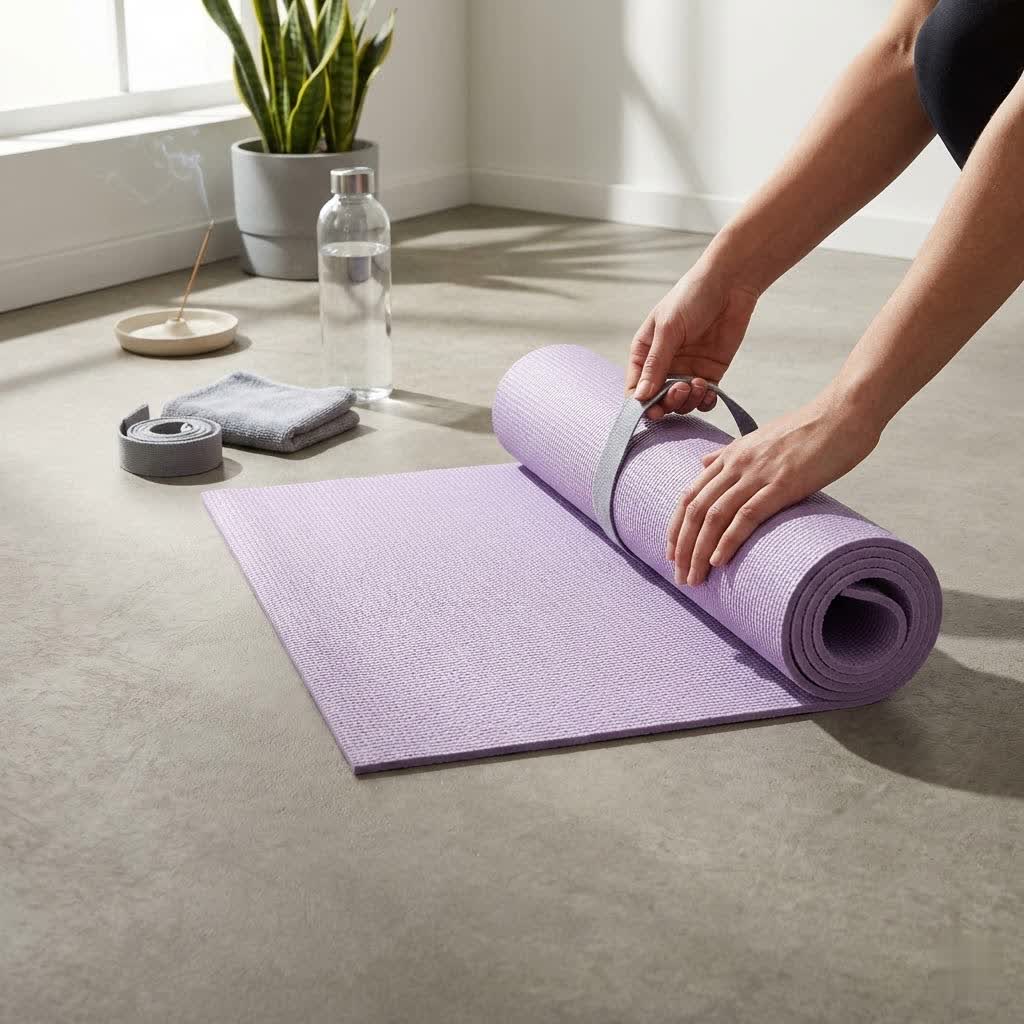
In the dynamic rhythm of modern life, maintaining a consistent yoga practice can feel like an elaborate dance with logistics. Whether you’re a globetrotter, an urban dweller with limited space, or someone who loves to take their practice outdoors, the traditional rolled yoga mat can often be an inconvenient companion. But what if your mat could effortlessly adapt to your lifestyle, folding neatly away without compromise?
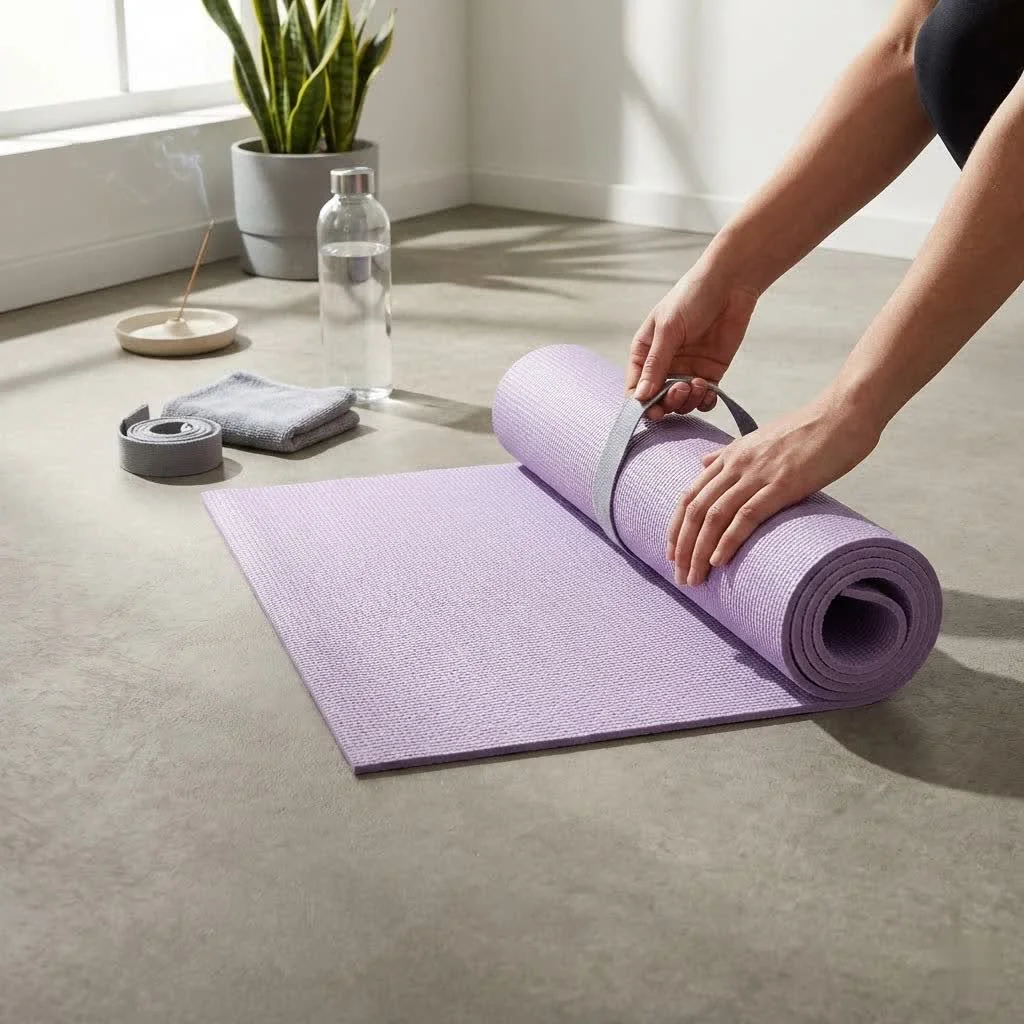
Enter the foldable yoga mat – a game-changer designed for convenience, portability, and unwavering commitment to your wellness journey. This comprehensive guide will unfold everything you need to know about these innovative mats, helping you select the perfect partner for your practice, wherever life takes you.
The Rise of Foldable Yoga Mats: Why Convenience Matters
A foldable yoga mat is precisely what it sounds like: a yoga mat engineered with distinct creases that allow it to fold into a compact, often rectangular, shape rather than being rolled. This design innovation addresses the crucial needs of the contemporary yogi. The primary allure lies in its unparalleled portability and space-saving design, making it an ideal choice for those who value efficiency and consistency in their practice.
These mats are typically lightweight, allowing them to slip easily into backpacks, carry-on luggage, or even a spacious tote bag. Imagine maintaining your flow in a hotel room, at a local park, or during a quick office stretch session without the bulk of a traditional mat. This effortless transport and quick setup remove common barriers to regular practice, fostering greater dedication to physical and mental well-being. Foldable mats are not just for yoga; their versatility extends to Pilates, general stretching, and other floor exercises, proving to be a multi-functional fitness accessory.
Foldable vs. Rollable: A Head-to-Head Comparison
Choosing between a foldable and a rollable yoga mat depends heavily on your lifestyle and priorities. Both serve the fundamental purpose of providing a dedicated practice surface, but their design dictates their practical advantages and disadvantages.
| Feature | Foldable Yoga Mat | Rollable (Traditional) Yoga Mat |
|---|---|---|
| Storage | Folds flat into squares/rectangles; ideal for drawers, shelves, suitcases. | Rolls into a cylinder; requires vertical space or specific carriers. |
| Portability | Highly portable; fits in backpacks, carry-ons; no carrying strap often needed. | Less portable due to bulk; usually requires a carrying strap/bag. |
| Creasing | Designed with structured creases; modern designs minimize permanent lines. | Can develop edge curls; generally avoids central creases. |
| Thickness | Often thinner (1-4mm) for maximum compactness; some offer mid-range. | Wider range of thicknesses, often thicker (4-6mm+) for comfort. |
| Ideal Use | Travel, small apartments, studio hopping, outdoor practice. | Home practice, dedicated studio space, longer-term setups. |
Foldable mats excel in situations where space is at a premium or frequent movement is required. Their ability to lay completely flat quickly, without the curling edges often associated with newly unrolled mats, offers an immediate, stable surface for practice. While some early foldable designs might have suffered from noticeable creases, contemporary manufacturing has largely overcome this, ensuring a smooth and supportive surface.
Demystifying Materials: What Your Foldable Mat is Made Of
The material of your foldable yoga mat significantly impacts its performance, durability, grip, and environmental footprint. Understanding the common options will help you make an informed choice that aligns with your values and practice needs.
- PVC (Polyvinyl Chloride): For years, PVC mats dominated the market due to their excellent stickiness, durability, and affordability. They provide a high level of grip, making them a reliable choice for preventing slips. However, PVC is a synthetic plastic that is not biodegradable, can contain harmful phthalates, and takes centuries to decompose, posing significant environmental concerns.
- TPE (Thermoplastic Elastomer): Often marketed as an eco-friendlier alternative to PVC, TPE mats are lightweight, offer good grip, and provide a comfortable cushion. They are generally free from harmful chemicals like phthalates and latex, making them a safer option for both users and the planet, as they are often recyclable. However, their environmental impact can vary depending on the specific formulation.
- Natural Rubber: Derived from rubber trees, natural rubber mats are celebrated for their exceptional non-slip properties, even when wet, making them perfect for hot yoga or sweaty practices. They are eco-friendly, biodegradable, and sustainable. While highly durable and comfortable, natural rubber mats can sometimes have a distinctive scent and tend to be heavier and more expensive than synthetic alternatives.
- Cork: Cork mats offer a unique, naturally antimicrobial, and sustainable surface. They provide excellent grip that actually improves with moisture, making them ideal for those who perspire during practice. Cork is also eco-friendly, lightweight, and typically requires a thin rubber or TPE backing for added stability and cushioning. They may need more careful storage to prevent brittleness.
- Jute: Jute mats are made from natural plant fibers, offering an earthy texture that enhances grip and provides a tactile connection to the ground. They are highly durable, breathable, and eco-friendly. Like cork, jute mats often feature a rubber or TPE backing to provide the necessary cushioning and stability for a comfortable practice, as jute fiber alone can feel rough.
Finding Your Perfect Foldable Mat: Key Considerations
With an array of options available, choosing the “perfect” foldable yoga mat requires balancing your individual practice needs with practical considerations.
Thickness
|
Our Picks for the Best Yoga Mat in 2026
As an Amazon Associate I earn from qualifying purchases.
|
||
| Num | Product | Action |
|---|---|---|
| 1 | Retrospec Solana Yoga Mat 1" Thick w/Nylon Strap for Men & Women - Non Slip Exercise Mat for Home Yoga, Pilates, Stretching, Floor & Fitness Workouts |

|
| 2 | Retrospec Solana Yoga Mat 1" Thick w/Nylon Strap for Men & Women - Non Slip Exercise Mat for Home Yoga, Pilates, Stretching, Floor & Fitness Workouts |
|
| 3 | Retrospec Solana Yoga Mat 1" Thick w/Nylon Strap for Men & Women - Non Slip Exercise Mat for Home Yoga, Pilates, Stretching, Floor & Fitness Workouts |
|
| 4 | Amazon Basics Extra Thick Exercise Yoga Mat with Carrying Strap |
|
| 5 | Amazon Basics 1/4 Inch Thick TPE Exercise Yoga Mat with Carrying Strap |
|
| 6 | Amazon Basics Extra Thick Exercise Yoga Mat with Carrying Strap |
|
| 7 | Retrospec Solana Yoga Mat 1" Thick w/Nylon Strap for Men & Women - Non Slip Exercise Mat for Home Yoga, Pilates, Stretching, Floor & Fitness Workouts |
|
| 8 | Retrospec Solana Yoga Mat 1" Thick w/Nylon Strap for Men & Women - Non Slip Exercise Mat for Home Yoga, Pilates, Stretching, Floor & Fitness Workouts |
|
| 9 | Retrospec Solana Yoga Mat 1" Thick w/Nylon Strap for Men & Women - Non Slip Exercise Mat for Home Yoga, Pilates, Stretching, Floor & Fitness Workouts |
|
| 10 | Amazon Basics Extra Thick Exercise Yoga Mat with Carrying Strap |
|
The thickness of your mat directly impacts cushioning, portability, and your connection to the floor.
- Travel & Advanced (1-3mm): Ultra-thin mats are the epitome of portability, folding down to minimal sizes. They offer a strong connection to the ground, favored by experienced yogis who prioritize stability over cushioning. However, they provide minimal joint protection.
- Versatile & Beginner (4-6mm): This mid-range thickness strikes a balance between comfort and portability. It provides adequate cushioning for joint support, making it an excellent choice for beginners and those who practice various styles of yoga. Many foldable mats fall into this popular category.
- Extra Cushion (6mm+): While less common for truly foldable designs due to bulk, some thicker foldable mats exist, offering enhanced cushioning for sensitive joints, restorative practices, or other floor exercises. Keep in mind these will be less compact.
Grip and Texture
A non-slip surface is paramount for safety and confidence during practice. Look for materials like natural rubber, TPE, or cork, which are known for their superior traction. Some mats feature textured patterns designed to further enhance grip, especially in dynamic or sweaty conditions.
Size and Dimensions
Standard yoga mats are typically around 68 inches long and 24 inches wide. However, consider your height and the space you require for your practice. Taller individuals might benefit from extra-long options (72-74 inches), while some practitioners prefer a wider mat for more freedom of movement. Ensure the folded dimensions fit your travel or storage requirements.
Eco-Friendliness
For many, a yoga practice extends beyond the mat to a mindful connection with the environment. Prioritizing mats made from sustainable, non-toxic, and biodegradable materials like natural rubber, cork, or jute, or those made from recyclable TPE, aligns with a holistic wellness philosophy.
Budget
Foldable yoga mats are available across a wide price spectrum. While budget-friendly PVC options exist, investing in a higher-quality mat made from eco-friendly materials often translates to greater durability, better performance, and a more sustainable choice in the long run. Determine your budget, but also consider the long-term value and benefits.
Caring for Your Foldable Yoga Mat: Tips for Longevity
Proper care and maintenance are crucial to extend the lifespan of your foldable yoga mat and ensure a hygienic practice environment.
- Cleaning: Wipe down your mat after each use with a damp cloth to remove sweat and dirt. For a deeper clean, use a mild, natural soap or a specialized yoga mat cleaner. Avoid harsh chemicals that can degrade the mat’s material. Always allow your mat to air dry completely before folding and storing to prevent mildew and odors.
- Storage: Always fold your mat along its designated creases. Storing it in a cool, dry place, away from direct sunlight, will prevent material degradation and help maintain its integrity. If your mat comes with a carrying bag, use it for added protection during transport and storage.
- Extending Lifespan: To ensure even wear, occasionally rotate the direction you lay your mat. Avoid practicing with shoes on your mat, as this can cause punctures or premature wear. If your mat begins to show significant signs of wear and tear, consider repurposing it for other uses, such as a kneeling pad for gardening or a protective layer for camping.
Top Foldable Yoga Mat Recommendations
While specific product models can change, certain qualities consistently define the best foldable yoga mats across different categories:
- The Lightweight Traveler’s Pick: Look for ultra-compact designs, often around 1-2mm thick, made from natural rubber or TPE, ensuring they fit seamlessly into any luggage without adding significant weight. Brands known for their travel-specific mats often excel here.
- The Eco-Conscious Choice: Prioritize mats crafted from 100% natural rubber, cork, or jute with sustainable backings. These options not only support your practice but also align with environmental stewardship. Seek certifications for ethical sourcing.
- The Versatile Performer: For a balanced approach, seek mats in the 4-6mm thickness range made from durable TPE or natural rubber. These offer excellent grip and cushioning suitable for various yoga styles, ensuring comfort without sacrificing too much portability.
- The Hot Yoga Enthusiast’s Companion: Mats with superior wet grip, like those made from natural rubber or cork, are ideal. Some feature specialized surfaces that become tackier with moisture, providing unwavering stability during intense, sweaty sessions.
Conclusion
The foldable yoga mat is more than just an accessory; it’s an enabler for a consistent, adaptable, and mindful practice. By understanding the diverse materials, ideal thicknesses, and essential care routines, you can make a choice that perfectly complements your lifestyle and strengthens your commitment to wellness.
Ultimately, the best foldable yoga mat is one that feels right for you—a mat that encourages you to step onto its surface with confidence, comfort, and a sense of freedom, wherever your journey may lead. Which features will you prioritize to unfold your best practice?
Frequently Asked Questions
What are the main advantages of using a foldable yoga mat?
Foldable yoga mats offer superior portability, convenience for travel, and significant space-saving benefits compared to traditional rolled mats. They can be easily packed into bags and stored in small spaces, encouraging a consistent practice anywhere.
Are foldable yoga mats durable?
Yes, many foldable yoga mats are designed for durability, using resilient materials like natural rubber and TPE that withstand repeated folding and unfolding. The lifespan depends on material quality and proper care.
How do I clean my foldable yoga mat?
To clean your foldable yoga mat, wipe it down after each use with a damp cloth or a mild, natural mat cleaner. Allow it to air dry completely, ideally flat or hanging, before folding and storing to prevent moisture buildup and preserve its material.
What thickness is best for a foldable yoga mat?
The best thickness depends on your needs: 1-3mm mats are ideal for maximum portability and travel, offering minimal cushioning. 4-6mm mats provide a good balance of cushioning and portability, suitable for most practices and beginners.
Are there eco-friendly foldable yoga mats available?
Absolutely. Many brands offer eco-friendly foldable yoga mats made from sustainable materials like natural rubber, cork, and jute, or recyclable TPE. These options reduce environmental impact and are often free from harmful chemicals.
Can I use a foldable yoga mat for other types of workouts?
Yes, foldable yoga mats are highly versatile. They can be used for a wide range of activities beyond yoga, including Pilates, general stretching, floor exercises, and even light cardio, making them a practical addition to any fitness routine.
Get our weekly buyer guide
Practical specs, not advice. Unsubscribe anytime.
