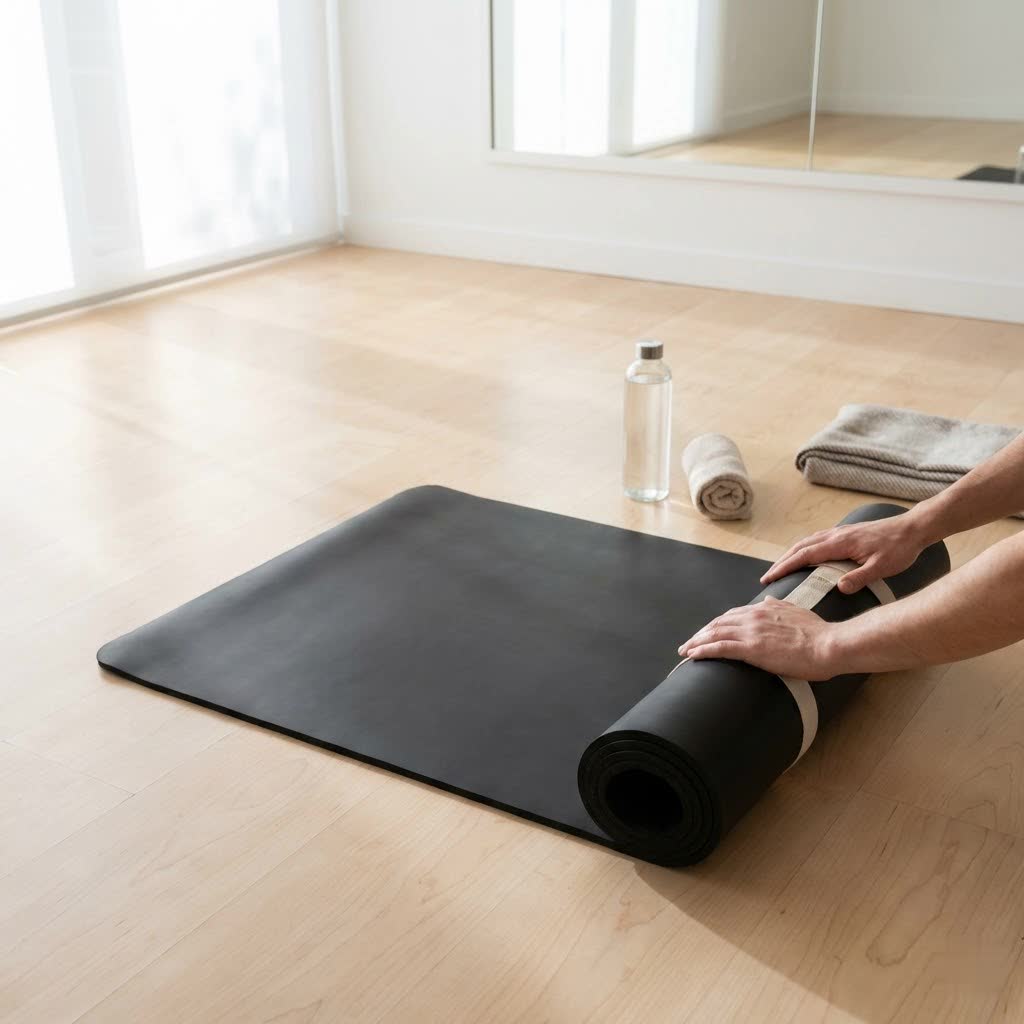
Stepping onto your yoga mat is more than just starting an exercise; it’s entering a space of mindful movement and self-discovery. For over a decade, I’ve guided countless individuals on their yoga journeys, and one truth remains constant: the right yoga mat and strap are fundamental to a comfortable, safe, and fulfilling practice. This comprehensive guide, crafted from years of hands-on experience and in-depth understanding, will empower you to select the ideal yoga essentials that perfectly match your unique needs and budget.
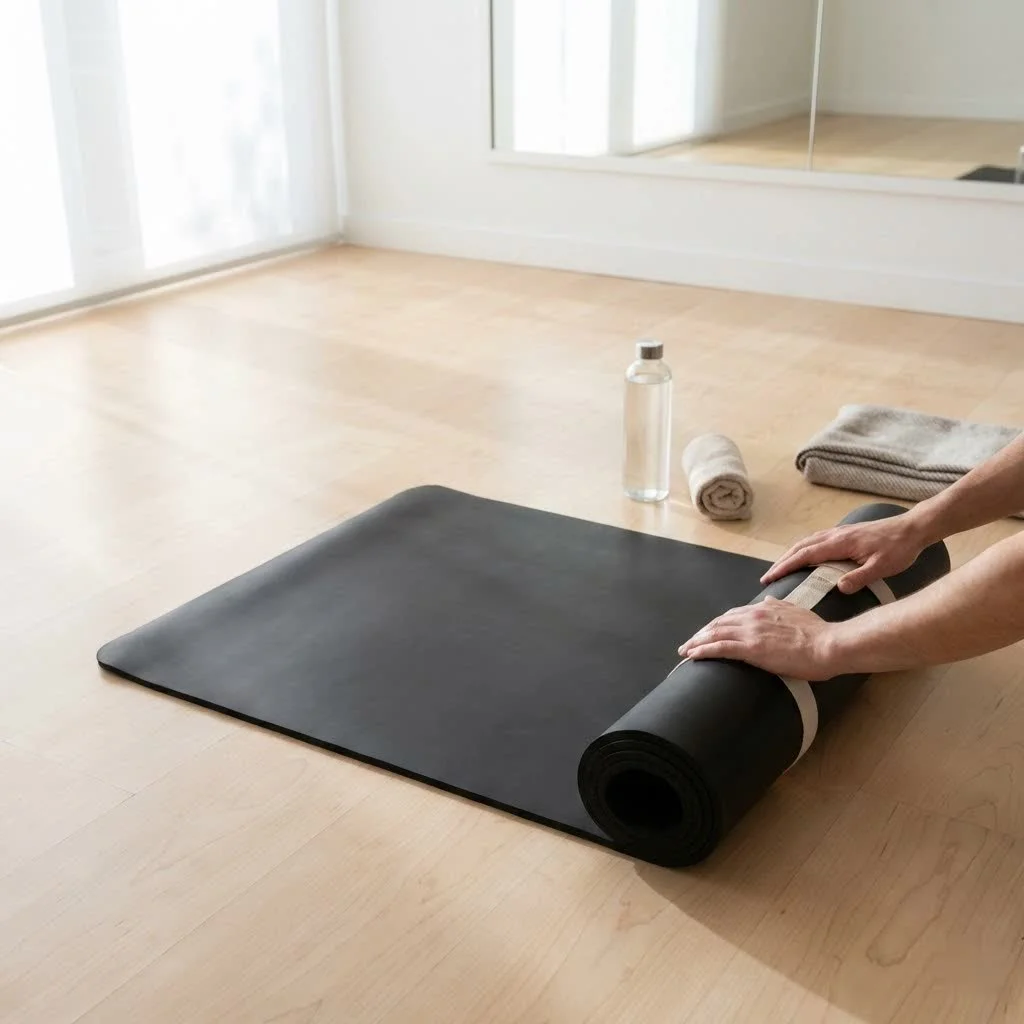
Why Your Yoga Mat and Strap Matter
Your yoga mat is your personal sanctuary, providing the crucial foundation for every pose, transition, and moment of stillness. A well-chosen mat offers the necessary grip, cushioning, and stability to support your body, protect your joints, and enhance your connection to the earth. Complementing this, a yoga strap is an invaluable tool, not only for effortless portability but also as a powerful prop to deepen stretches, improve alignment, and unlock new possibilities within your practice. Together, they form an essential duo that can significantly elevate your yoga experience, both on and off the mat.
Decoding Yoga Mat Materials
The material of your yoga mat dictates its performance, feel, and environmental impact. Understanding these differences is key to making an informed choice for your practice.
PVC (Polyvinyl Chloride) Mats
- Pros: Generally inexpensive, widely available, and offer good durability. They provide a sticky, stable surface that prevents slipping, especially when dry.
- Cons: Not environmentally friendly as PVC is a non-biodegradable plastic. They can also have a distinct chemical odor when new and may not offer the best grip in sweaty conditions.
TPE (Thermoplastic Elastomer) Mats
- Pros: A more eco-conscious alternative to PVC, TPE mats are often recyclable and free from latex and phthalates. They are lightweight, soft, and offer decent grip and cushioning.
- Cons: TPE mats can be less durable than natural rubber or PVC, sometimes showing wear and tear more quickly. Their grip might diminish slightly with heavy sweating.
Natural Rubber Mats
- Pros: Highly sustainable and biodegradable, natural rubber mats are celebrated for their exceptional grip and dense cushioning. They provide a solid, grounded feel that’s excellent for dynamic practices and hot yoga, where sweat is a factor. Many are made without harmful chemicals.
- Cons: Can be heavier and more expensive than other options. Some individuals are sensitive to the natural rubber scent, which can be quite pronounced initially. They also require specific cleaning care to maintain their integrity.
Cork Mats
|
Our Picks for the Best Yoga Mat in 2026
As an Amazon Associate I earn from qualifying purchases.
|
||
| Num | Product | Action |
|---|---|---|
| 1 | Amazon Basics Extra Thick Exercise Yoga Mat with Carrying Strap |

|
| 2 | Retrospec Solana Yoga Mat 1" Thick w/Nylon Strap for Men & Women - Non Slip Exercise Mat for Home Yoga, Pilates, Stretching, Floor & Fitness Workouts |
|
| 3 | Retrospec Solana Yoga Mat 1" Thick w/Nylon Strap for Men & Women - Non Slip Exercise Mat for Home Yoga, Pilates, Stretching, Floor & Fitness Workouts |
|
| 4 | Retrospec Solana Yoga Mat 1" Thick w/Nylon Strap for Men & Women - Non Slip Exercise Mat for Home Yoga, Pilates, Stretching, Floor & Fitness Workouts |
|
| 5 | Retrospec Solana Yoga Mat 1" Thick w/Nylon Strap for Men & Women - Non Slip Exercise Mat for Home Yoga, Pilates, Stretching, Floor & Fitness Workouts |
|
| 6 | Amazon Basics Extra Thick Exercise Yoga Mat with Carrying Strap |
|
| 7 | Amazon Basics 1/4 Inch Thick TPE Exercise Yoga Mat with Carrying Strap |
|
| 8 | Amazon Basics Extra Thick Exercise Yoga Mat with Carrying Strap |
|
| 9 | Retrospec Solana Yoga Mat 1" Thick w/Nylon Strap for Men & Women - Non Slip Exercise Mat for Home Yoga, Pilates, Stretching, Floor & Fitness Workouts |
|
| 10 | Retrospec Solana Yoga Mat 1" Thick w/Nylon Strap for Men & Women - Non Slip Exercise Mat for Home Yoga, Pilates, Stretching, Floor & Fitness Workouts |
|
- Pros: Inherently antimicrobial and hypoallergenic, cork mats offer a unique aesthetic and feel. They are remarkably grippy, especially when damp with sweat, making them ideal for hot yoga. Cork is also a sustainable and renewable resource.
- Cons: Can be less cushioned than rubber or TPE, which might not suit those with very sensitive joints. They may require careful handling to prevent cracking and generally need to be rolled with the cork side out to lay flat.
Jute Mats
- Pros: Made from plant fibers, jute mats are highly eco-friendly and biodegradable. They provide a natural, textured surface that offers good grip and a firm foundation, creating a strong connection to the earth.
- Cons: The texture can feel rough for some practitioners, especially for knee-down poses. They might also be less cushioned than other materials, requiring additional padding for sensitive areas.
Choosing the Right Yoga Mat: Key Considerations
Selecting the perfect yoga mat involves balancing personal preference with practical performance. Here’s what to look for:
Thickness
The ideal mat thickness depends heavily on your practice style and body’s needs. Thinner mats (3-5mm or 1/8 inch) are excellent for experienced practitioners who desire a closer connection to the floor and greater stability in balancing poses, or for those who travel frequently. Standard mats (6mm or 1/4 inch) offer a versatile balance of cushioning and stability, making them a great choice for beginners and diverse yoga styles. For individuals with sensitive knees, wrists, or a preference for restorative practices, thicker mats (8-15mm or 1/2 inch) provide superior joint protection and comfort, though they might reduce stability in standing balances.
Grip & Texture
A non-slip surface is paramount to prevent injuries and maintain proper alignment. Look for mats with a good “stickiness” or textured surfaces that enhance traction, especially during vigorous or sweaty practices. Natural rubber and cork mats are renowned for their excellent grip, even when wet, while PVC and TPE offer reliable traction in dry conditions.
Size
Standard yoga mats are typically 68-72 inches long and 24 inches wide. However, if you are taller or prefer more room to move freely, consider an extended-length mat (up to 84 inches) or a wider option (up to 30 inches). This ensures your hands and feet stay on the mat during all poses, preventing disruptions to your flow.
Eco-Friendliness
For many yogis, the environmental impact of their gear is a significant concern. Opting for mats made from sustainable, biodegradable, or recycled materials like natural rubber, cork, or jute can align your practice with your values.
Budget
Yoga mats are available across a wide price spectrum. While entry-level mats are affordable, investing in a higher-quality mat made from durable, eco-friendly materials often provides better performance, longevity, and a more satisfying practice in the long run.
Understanding Your Yoga Strap: More Than Just a Carrier
Often underestimated, the yoga strap is a versatile prop that can profoundly enhance your practice. It’s not just for lugging your mat to class; it’s a key to deeper stretches and improved form.
Benefits of Using a Yoga Strap
Yoga straps offer a multitude of advantages, making them indispensable for practitioners of all levels.
- Enhanced Flexibility & Deeper Stretches: Straps act as an extension of your limbs, allowing you to reach and hold poses you might not otherwise be able to access, gently increasing your range of motion.
- Improved Alignment & Posture: By providing a stable point of contact, a strap can help maintain proper body alignment, prevent overstretching, and encourage correct form in various postures, crucial for avoiding injuries.
- Assisting in Challenging Poses: For those working towards more advanced asanas, a strap can bridge the gap, offering support and stability as you build strength and flexibility.
- Building Strength and Endurance: Engaging the strap actively in certain poses can build muscle tone in the upper body and core, improving overall strength and endurance.
- Convenient Mat Transport: Beyond practice, many straps double as a simple and effective way to carry your rolled mat to and from the studio.
Types of Yoga Straps
- Carrying Straps: These are designed primarily for portability, often featuring simple loops or cinch mechanisms to secure your mat for easy shoulder-carrying.
- Stretching Straps: Typically longer, these straps are explicitly used as a prop within your practice to aid flexibility and alignment.
- 2-in-1 Options: Many modern yoga straps are designed to serve both functions – carrying your mat and assisting in stretches – offering excellent value and convenience.
Strap Materials & Length
Most yoga straps are made from durable materials like cotton or nylon, chosen for their strength and comfort against the skin. While a 6-foot strap is generally universal, taller individuals or those desiring deeper stretches may prefer an 8-foot or even 10-foot strap to ensure ample length for all poses. Closures vary from simple D-rings to buckles or even no closure, with the choice often coming down to personal preference for ease of use and security.
Comparative Table: Yoga Mats & Straps at a Glance
| Feature | PVC Mat | TPE Mat | Natural Rubber Mat | Cork Mat | Jute Mat | Yoga Strap (General) |
|---|---|---|---|---|---|---|
| Thickness Range | 3-6mm | 4-8mm | 3-6mm | 3-5mm | 3-5mm | N/A (Strap material/length) |
| Grip | Good (dry), less so (sweaty) | Moderate (improves with slight dampness) | Excellent (wet & dry) | Excellent (improves when wet) | Good (textured, natural) | N/A (Provides grip for body/mat) |
| Durability | High | Moderate | High | Moderate-High (with care) | High | High (Cotton, Nylon) |
| Eco-Friendly | Low | Moderate-High (recyclable) | High (biodegradable) | High (renewable, antimicrobial) | High (biodegradable) | High (Natural fibers like cotton) |
| Price | Low-Mid | Mid | High | Mid-High | Mid | Low-Mid |
| Best Use | Beginners, general practice | General, gentle yoga, lighter use | Dynamic, hot yoga, advanced practice | Hot yoga, conscious practice | Grounding, textured preference | Stretching, alignment, mat transport |
Essential Care & Maintenance for Your Yoga Gear
Proper care extends the life of your yoga mat and strap, ensuring they remain hygienic and effective for every session.
Yoga Mat Cleaning
It’s crucial to clean your yoga mat regularly to prevent the buildup of sweat, dirt, and bacteria.
- Daily Wipe-Down: After each practice, wipe your mat down with a damp cloth and a gentle, natural cleaning solution. A simple DIY spray of 3/4 water, 1/4 white vinegar, and a few drops of essential oil (like tea tree or lavender) can disinfect and refresh.
- Deep Cleaning: For a more thorough clean, especially for open-cell mats or after intense sessions, submerge your mat in a bathtub with warm (not hot) water and a few drops of mild dish soap for about five minutes. Gently scrub with a soft cloth, then rinse thoroughly and air dry completely before rolling it up.
- Specific Material Care: Cork mats, for instance, should be wiped with cold water and a soft towel, avoiding harsh chemicals or excessive moisture, and always air-dried with the cork side facing out.
Yoga Mat Storage
Always allow your mat to air dry completely before rolling it up. Store it rolled, rather than folded, to prevent creases and material damage. Keep your mat in a cool, dry place away from direct sunlight, which can fade colors and degrade materials over time.
Yoga Strap Cleaning
Most yoga straps, particularly those made of cotton or nylon, can be hand-washed with mild soap and water, or sometimes machine-washed on a gentle cycle. Always check the manufacturer’s instructions. Air dry thoroughly to prevent mildew.
Top Yoga Mat and Strap Recommendations
While specific brand recommendations can vary based on personal preference and availability, focusing on categories will guide your choice.
- Best for Hot Yoga: Look for natural rubber or cork mats, known for their superior grip when wet. Pair with a sturdy cotton strap for carrying and deepening stretches.
- Best for Beginners: A 6mm TPE or PVC mat offers a good balance of cushioning and stability. A simple cotton D-ring strap will be perfect for both carrying and exploring initial stretches.
- Best Eco-Friendly Option: Natural rubber, cork, or jute mats are excellent choices. Combine with an organic cotton strap for a fully sustainable setup.
- Best Value Combo: Many brands offer bundles of quality PVC or TPE mats with a complementary carrying strap. Focus on durability and a comfortable thickness.
- Best for Travel: Ultra-thin (1-2mm) travel mats, often made of foldable rubber or TPE, are ideal. Look for a lightweight strap that doubles as a stretching aid.
Conclusion
Choosing the perfect yoga mat and strap is a deeply personal decision that impacts the quality and enjoyment of your practice. By understanding the different materials, thicknesses, and features available, you can select gear that truly supports your body, enhances your flexibility, and aligns with your lifestyle. Remember, your mat is your foundation, and your strap is your extension – together, they are powerful allies on your journey toward greater strength, balance, and inner peace.
What aspect of your yoga practice are you most excited to enhance with your new mat and strap?
Frequently Asked Questions
Can a yoga mat be too thick?
Yes, a yoga mat can be too thick. While thicker mats provide excellent cushioning for restorative practices or sensitive joints (10-15mm), mats over 6mm can sometimes compromise stability and make balancing poses more challenging. It’s about finding the right balance for your specific practice needs.
How often should I clean my yoga mat and strap?
Your yoga mat should be wiped down with a gentle cleaner after every practice to remove sweat and dirt. A deep clean is recommended once a week or more frequently if you practice hot yoga or sweat heavily. Yoga straps can typically be washed as needed, depending on material and use, often coinciding with your mat’s deep cleaning schedule.
What is the ideal length for a yoga strap?
A 6-foot yoga strap is generally considered a universal length suitable for most practitioners and poses. However, if you are taller (above 5’8″) or have less flexibility and wish to explore deeper stretches, an 8-foot or even 10-foot strap will provide the extra length needed to comfortably achieve various postures.
Get our weekly buyer guide
Practical specs, not advice. Unsubscribe anytime.
