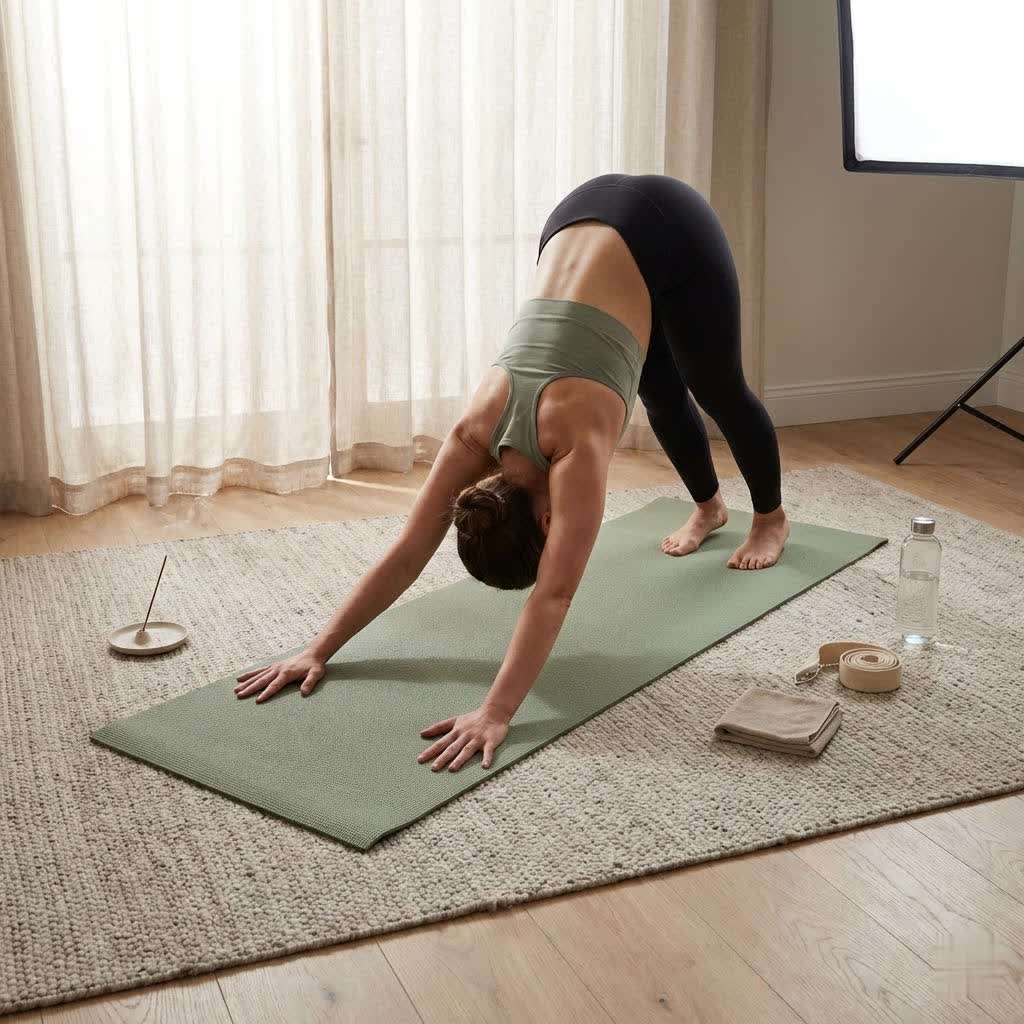
Choosing the right yoga mat is paramount for any practitioner, from the serene beginner to the seasoned yogi tackling advanced inversions. The quest for stability, comfort, and, most critically, safety often begins and ends with one key feature: grip. A non-skid yoga mat isn’t just a luxury; it’s an essential foundation that empowers you to hold poses longer, transition smoothly, and dive deeper into your practice without the distracting fear of slipping. This comprehensive guide, informed by over a decade of experience in the yoga world, will navigate you through the diverse landscape of non-skid yoga mats, helping you find the perfect companion that aligns with your needs, practice style, and budget.
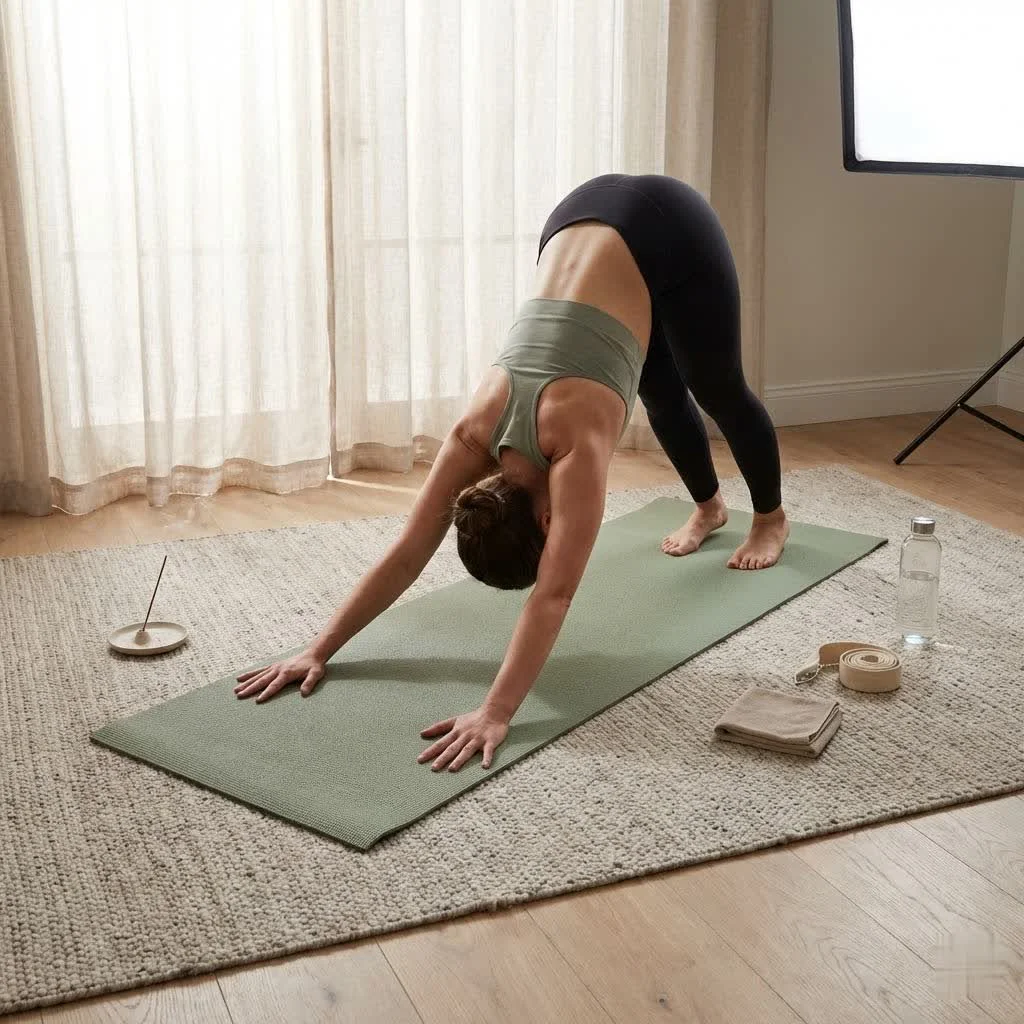
Selecting the Perfect Yoga Mat: A Comprehensive Guide
The right yoga mat can transform your practice, providing the stability and confidence needed to explore every pose. Conversely, a slippery mat can be a constant source of distraction and even lead to injury, undermining the very essence of your yoga journey. Understanding the various types of mats and their unique properties is the first step towards finding your ideal non-skid surface.
Popular Types of Yoga Mats and Their Non-Skid Qualities
The material composition of a yoga mat is the primary determinant of its grip. Each material offers a distinct feel and level of traction, especially under varying conditions like sweat or humidity.
- PVC (Polyvinyl Chloride) Mats:
- Advantages: PVC mats are widely available, typically the most affordable option, and offer a decent initial stickiness. They are known for their durability and ease of cleaning, making them a common choice for beginners.
- Disadvantages: While they might feel grippy at first, PVC mats can become quite slick when wet with sweat, posing a challenge for dynamic or hot yoga styles. They are also not environmentally friendly, being non-biodegradable, and can have a distinct chemical odor when new.
- TPE (Thermoplastic Elastomer) Mats:
- Advantages: TPE mats are a more eco-conscious alternative to PVC, being recyclable and often biodegradable. They offer a good balance of cushioning and grip, feeling soft to the touch while providing reliable traction. Many TPE mats are designed with textured surfaces to enhance their non-skid properties.
- Disadvantages: Though more environmentally friendly than PVC, TPE mats may not offer the extreme grip required for very sweaty practices compared to natural rubber or cork. They can also be less durable over time, showing wear and tear more quickly.
- Natural Rubber Mats:
- Advantages: Natural rubber mats are highly celebrated for their exceptional non-skid performance. Their inherent tackiness provides superior grip, which often improves when damp, making them an ideal choice for hot yoga or practitioners who sweat a lot. They are also environmentally friendly, made from a renewable resource, and offer excellent cushioning.
- Disadvantages: Natural rubber mats can be heavier and more expensive than PVC or TPE options. Some individuals may find the natural rubber scent strong, especially when new, though it typically dissipates over time. They also require specific cleaning and storage to maintain their integrity.
- Cork (Wood Bark) Mats:
- Advantages: Cork mats are an excellent eco-friendly option known for their natural antimicrobial properties, which help keep the mat fresh. Uniquely, cork’s grip intensifies when it gets wet, providing exceptional traction during sweaty sessions. They offer a firm, stable surface that connects you closely to the floor.
- Disadvantages: Cork mats can feel rougher initially compared to smoother materials. They may also be less cushioned than rubber or thicker TPE mats, which might be a consideration for those with sensitive joints. Proper care is essential to prevent cracking or drying out.
- Jute (Fiber) Mats:
- Advantages: Jute mats are made from natural plant fibers, making them highly sustainable and biodegradable. They offer a unique, earthy texture that provides a natural grip and enhances stability. Jute is also highly durable, standing up well to regular use.
- Disadvantages: The natural fibers can make the surface quite coarse, which might not be comfortable for all users, particularly for poses that involve kneeling or resting on forearms. While they offer good grip, it might not be as pronounced as natural rubber or moisture-activated cork in very sweaty conditions.
Detailed Comparison of Yoga Mat Materials
|
Our Picks for the Best Yoga Mat in 2026
As an Amazon Associate I earn from qualifying purchases.
|
||
| Num | Product | Action |
|---|---|---|
| 1 | Amazon Basics Extra Thick Exercise Yoga Mat with Carrying Strap |

|
| 2 | Retrospec Solana Yoga Mat 1" Thick w/Nylon Strap for Men & Women - Non Slip Exercise Mat for Home Yoga, Pilates, Stretching, Floor & Fitness Workouts |
|
| 3 | Amazon Basics Extra Thick Exercise Yoga Mat with Carrying Strap |
|
| 4 | Retrospec Solana Yoga Mat 1" Thick w/Nylon Strap for Men & Women - Non Slip Exercise Mat for Home Yoga, Pilates, Stretching, Floor & Fitness Workouts |
|
| 5 | Retrospec Solana Yoga Mat 1" Thick w/Nylon Strap for Men & Women - Non Slip Exercise Mat for Home Yoga, Pilates, Stretching, Floor & Fitness Workouts |
|
| 6 | Amazon Basics Extra Thick Exercise Yoga Mat with Carrying Strap |
|
| 7 | Amazon Basics 1/4 Inch Thick TPE Exercise Yoga Mat with Carrying Strap |
|
| 8 | Retrospec Solana Yoga Mat 1" Thick w/Nylon Strap for Men & Women - Non Slip Exercise Mat for Home Yoga, Pilates, Stretching, Floor & Fitness Workouts |
|
| 9 | Retrospec Solana Yoga Mat 1" Thick w/Nylon Strap for Men & Women - Non Slip Exercise Mat for Home Yoga, Pilates, Stretching, Floor & Fitness Workouts |
|
| 10 | Retrospec Solana Yoga Mat 1" Thick w/Nylon Strap for Men & Women - Non Slip Exercise Mat for Home Yoga, Pilates, Stretching, Floor & Fitness Workouts |
|
| Feature | PVC Mats | TPE Mats | Natural Rubber Mats | Cork Mats | Jute Mats |
|---|---|---|---|---|---|
| Material | Polyvinyl Chloride | Thermoplastic Elastomer | Natural Tree Rubber | Cork (tree bark) | Jute Fibers |
| Grip (Non-Skid) | Moderate (slick when wet) | Good (improves with texture) | Excellent (best with sweat) | Excellent (best with sweat) | Good (natural texture) |
| Durability | High | Moderate to High | High | Moderate to High | High |
| Eco-Friendliness | Low (non-biodegradable) | Medium (recyclable/biodegradable) | High (sustainable) | High (sustainable, antimicrobial) | High (sustainable, biodegradable) |
| Price Range | Low | Medium | High | Medium to High | Medium |
| Comfort/Cushioning | Good | Good | Excellent | Firm | Firm |
| Best For | Beginners, light practice | General yoga, eco-conscious | Hot yoga, sweaty practice | Hot yoga, eco-conscious | General yoga, natural feel |
Guiding Your Choice: Finding the Ideal Non-Skid Yoga Mat
Selecting a non-skid yoga mat goes beyond just material; it involves considering personal preferences, practice style, and how the mat will integrate into your daily life.
- Thickness:
- 3-5mm: Thinner mats provide a closer connection to the floor, enhancing stability for balancing poses and making them easier to transport. They are excellent for experienced yogis or those who travel frequently.
- 6-8mm: Thicker mats offer superior cushioning, crucial for protecting joints during poses that put pressure on knees, wrists, or hips. They are ideal for beginners, individuals with joint sensitivities, or restorative practices where comfort is paramount.
- Grip (The Non-Skid Factor): What truly defines a non-skid mat? Look for materials like natural rubber or cork, especially if you engage in hot yoga or sweat heavily. Textured surfaces, often found on TPE and natural rubber mats, also significantly contribute to preventing slippage. The goal is a mat that stays firmly rooted to the floor and prevents your hands and feet from sliding, regardless of moisture.
- Size: Standard yoga mats are typically 68 inches long and 24 inches wide. However, if you are taller than average or prefer more space to move, consider longer (up to 85 inches) or wider options. Ensure the mat comfortably accommodates your entire body during poses like Downward-Facing Dog.
- Material: Prioritize eco-friendly materials like natural rubber, cork, or TPE if sustainability is important to you. Beyond that, consider how each material’s unique properties – like natural rubber’s moisture-activated grip or cork’s antimicrobial benefits – align with your specific practice needs and personal comfort.
- Budget: While it’s tempting to opt for the cheapest option, investing in a high-quality non-skid mat can significantly enhance your practice and prevent injuries. There are excellent choices available at various price points, so determine your budget first and then explore the best non-skid options within that range. Often, a slightly higher initial investment yields a mat that lasts longer and performs better.
“A truly non-skid yoga mat isn’t just about preventing slips; it’s about fostering a sense of grounding and trust in your foundation, allowing your mind to focus solely on the breath and movement.” – ReviewsZetu Admin, Yoga Mat Expert
Essential Tips for Cleaning and Maintaining Your Non-Skid Yoga Mat
Proper care is crucial for extending the life of your non-skid yoga mat and preserving its vital grip. Neglecting cleaning can lead to a buildup of oils and sweat, diminishing its non-slip effectiveness over time.
- Clean After Each Practice: After every yoga session, wipe down your mat with a damp cloth to remove sweat, dirt, and body oils. For a deeper clean, use a diluted solution of mild soap and water or a specialized yoga mat cleaner. This routine prevents residue buildup that can make your mat slippery.
- Proper Storage: Always roll your yoga mat loosely after use, rather than folding it, to prevent creases that can affect its surface and grip. Store your mat in a cool, dry place, away from direct sunlight or extreme heat, which can degrade materials like natural rubber and cork, leading to brittleness and reduced grip.
Top Non-Skid Yoga Mat Characteristics for an Enhanced Practice
When seeking the best non-skid yoga mat, certain characteristics consistently stand out. Mats made from natural rubber with an open-cell structure are frequently praised for their unparalleled grip, especially in sweaty conditions. Many feature a textured surface that enhances traction further, ensuring hands and feet remain firmly planted. Similarly, cork mats offer remarkable moisture-activated grip and antimicrobial benefits, making them a unique and effective choice for practitioners who sweat. For those prioritizing sustainability, mats combining TPE with a textured surface provide a good balance of grip, comfort, and eco-friendliness. The most effective non-skid mats seamlessly combine high-friction materials with intelligent design to provide a stable, confidence-inspiring foundation for any yoga style.
Conclusion
Choosing the ideal non-skid yoga mat is a pivotal step towards a safer, more enjoyable, and deeply connected yoga practice. By understanding the unique properties of various materials, considering factors like thickness and size, and committing to proper maintenance, you can confidently select a mat that becomes a true extension of your body and intention. Your mat is your personal space for growth and exploration; ensure it’s a foundation you can always trust. What aspects of your yoga practice would benefit most from a truly non-skid mat?
Frequently Asked Questions
What is the best material for a non-skid yoga mat?
Natural rubber is widely considered the best material for a non-skid yoga mat due to its exceptional inherent tackiness and ability to maintain or even improve grip when damp. Cork also offers outstanding moisture-activated grip and natural antimicrobial properties, making both excellent choices for preventing slips, particularly in hot and sweaty environments.
How do I make my existing yoga mat less slippery?
To improve grip on an existing mat, first ensure it’s thoroughly clean by wiping it down regularly. Some new mats have a break-in period; practicing on it frequently and wiping it down can help. You can also try using a yoga towel, especially for hot yoga, or a mat spray designed to enhance grip.
How often should I replace my non-skid yoga mat?
The lifespan of a yoga mat varies greatly depending on its material, frequency of use, and care. High-quality natural rubber or PVC mats can last for several years with proper maintenance. However, if you notice significant wear, flaking, or a noticeable reduction in grip that cleaning doesn’t resolve, it’s time to consider a replacement for safety and optimal practice.
Are eco-friendly yoga mats also non-skid?
Yes, many eco-friendly yoga mats offer excellent non-skid properties. Natural rubber and cork mats, both sustainable choices, are renowned for their superior grip, often performing exceptionally well in wet conditions. TPE mats also provide good traction and are a more environmentally conscious option compared to traditional PVC.
Can a thick yoga mat still be non-skid?
Absolutely. The thickness of a yoga mat primarily affects cushioning and portability, not necessarily its non-skid properties. A thick mat (e.g., 6-8mm) made from materials like natural rubber or textured TPE can provide both ample joint protection and superior grip, ensuring stability without sacrificing comfort.
Get our weekly buyer guide
Practical specs, not advice. Unsubscribe anytime.
