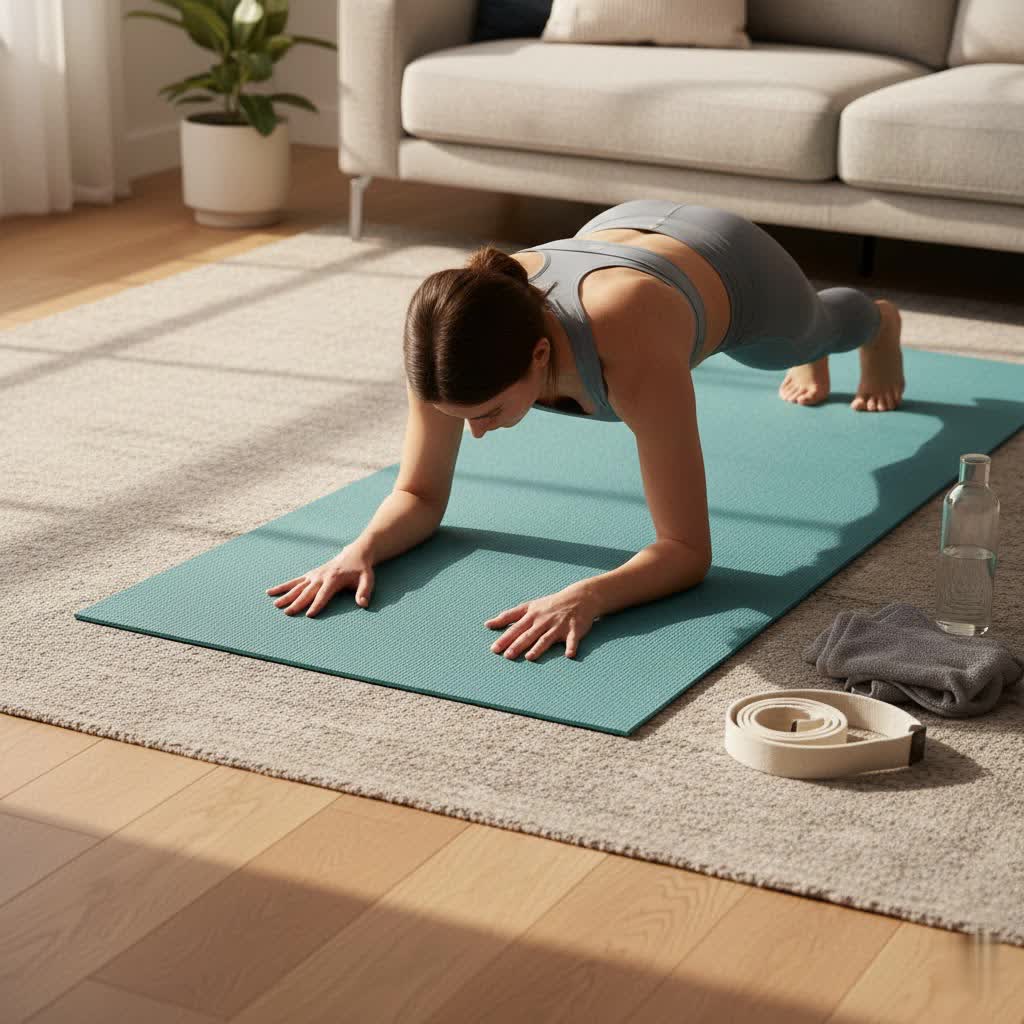
As an avid yogi and seasoned traveler, you understand the challenge of maintaining your practice while exploring new horizons. Dragging a bulky, heavy yoga mat through airports or stuffing it into an already-packed suitcase can quickly turn your zen into stress. But what if you could carry your sanctuary with you, wherever your wanderlust leads? This is where the travel yoga mat becomes your indispensable companion, designed to bring the peace and stability of your yoga practice onto any journey.
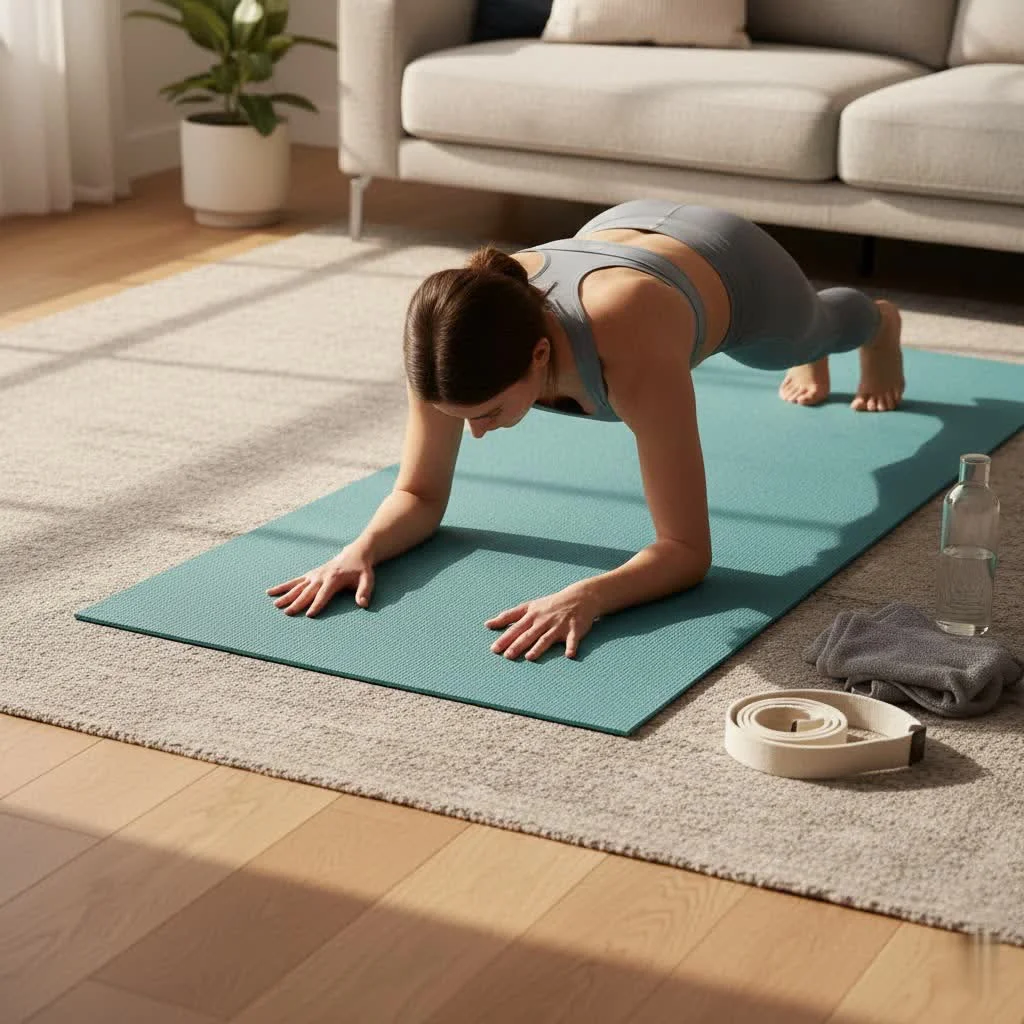
This comprehensive guide, crafted from over a decade of personal experience and deep knowledge of yoga mats, will illuminate the path to choosing the perfect travel yoga mat. We’ll explore the critical features that distinguish these portable wonders, delve into the diverse materials that offer unique benefits, and provide practical advice to help you select a mat that aligns seamlessly with your travel style, practice needs, and personal values. Get ready to unfurl your practice anywhere the world takes you. For explore our yoga mat reviews on this site.
The Importance of a Dedicated Travel Yoga Mat
Why should you invest in a specific travel yoga mat when you already have a trusty one at home? The answer lies in the fundamental differences between a standard mat and its portable counterpart. A travel yoga mat is engineered for life on the go. It’s designed to be significantly lighter and more compact, allowing it to easily fit into luggage without adding excessive bulk or weight. Beyond convenience, a personal travel mat offers a hygienic sanctuary, freeing you from concerns about borrowed studio mats or the cleanliness of hotel room floors. It ensures your routine remains uninterrupted, offering a familiar, stable surface for grounding your practice, whether you’re performing sun salutations on a beach at dawn or finding stillness in a quiet hotel room. This continuity is vital for both physical and mental well-being, helping you stay centered amidst the exhilarating chaos of travel.
Key Features That Make a Yoga Mat Travel-Ready
Choosing a travel yoga mat isn’t just about picking the thinnest option; it’s about understanding a nuanced balance of features that optimize it for your adventures. The perfect mat seamlessly blends portability with performance, ensuring your practice remains supportive and comfortable, no matter the location.
Weight
For travelers, every ounce counts. A truly travel-ready yoga mat should weigh no more than 1 to 3 pounds. This lightweight design ensures it won’t push your luggage over airline weight limits or become a burden during transit, making it effortless to carry in a backpack, carry-on, or even a larger tote bag.
Packability
The ability to pack your mat efficiently is paramount. While traditional mats roll, many travel mats are designed to fold into a compact rectangle, similar to a folded towel or laptop. This folding capability allows them to tuck neatly into the corners of a suitcase or backpack, optimizing space far better than a bulky rolled mat. Some innovative designs even feature integrated straps for easy bundling.
Thickness
This is where travel mats diverge most significantly from standard studio mats. Typically ranging from 1mm to 3mm, travel mats are deliberately thin. While this sacrifices some cushioning—meaning you might feel the hard ground more, especially in kneeling poses—it’s a critical trade-off for superior portability. The thinner profile also enhances stability, providing a more direct connection to the floor, which can be beneficial for balancing postures.
Grip & Texture
Regardless of its thickness or weight, a travel yoga mat must offer exceptional grip. You’ll likely encounter diverse practice surfaces on your travels, from hotel carpets to wooden floors or outdoor terrain. Textured surfaces, often featuring unique patterns or finishes, are crucial for maintaining traction and preventing slips, even when hands and feet become sweaty. The confidence of a non-slip surface allows you to flow seamlessly and safely, wherever you are.
Durability
A travel yoga mat endures more than its stationary counterpart. It’s frequently folded, unfolded, packed, and unpacked, exposed to varying climates, and used on different surfaces. Therefore, durability is key. Materials that can withstand repeated use and travel stresses without tearing, stretching, or losing their integrity ensure your mat remains a reliable partner on countless journeys.
Exploring Common Travel Yoga Mat Materials
The material of your travel yoga mat significantly influences its performance, feel, and environmental impact. Understanding the characteristics of each type will help you make an informed decision tailored to your priorities.
Natural Rubber Mats
Often sourced sustainably, natural rubber mats are celebrated for their exceptional grip and eco-friendly profile. Their dense yet pliable nature provides excellent traction, making them a favorite for dynamic practices. However, they can be heavier than other travel options and may have a distinct rubber odor, especially when new, which typically fades over time. Natural rubber mats can be open-cell (absorbing sweat, potentially trapping odors) or closed-cell (repelling sweat and bacteria).
TPE (Thermoplastic Elastomer) Mats
TPE mats offer a lighter, more environmentally conscious alternative to PVC. They are often soft, recyclable, and free from latex and harsh chemicals. While generally providing good cushioning for their weight and decent grip, their durability might be slightly less than natural rubber, and their grip can vary between brands. TPE mats strike a good balance between portability, comfort, and ecological considerations.
PVC (Polyvinyl Chloride) Mats
PVC mats are the most widely available and often the most affordable option. They are known for their durability and a relatively sticky surface that prevents slipping. However, PVC is less environmentally friendly due to its manufacturing process and lack of biodegradability. While some PVC mats are formulated to be lighter for travel, they can still be heavier than TPE or natural rubber alternatives and may become slippery with excessive sweat.
Microfiber Suede Surface with Natural Rubber Base Mats
These mats feature a soft, absorbent microfiber suede top layer bonded to a natural rubber base. The suede surface is designed to become grippier as you sweat, making them an excellent choice for hot yoga practitioners or those prone to sweaty palms. They are often machine washable for easy cleaning on the go and can be folded compactly. However, some users might find them a bit slippery when completely dry, and the suede surface can sometimes show marks easily.
Cork Mats
For those prioritizing sustainability and a unique feel, cork mats are an excellent choice. Cork is naturally antimicrobial, hypoallergenic, and provides excellent grip, which actually increases when wet—ideal for sweaty practices. These mats are durable, eco-friendly, and offer a firm, stable surface. The main drawback is typically less cushioning than rubber or TPE, and they may require specific care to maintain their integrity.
Jute Mats
Jute mats are crafted from natural plant fibers, offering a rustic, earthy feel. They are highly durable, biodegradable, and provide a textured surface that enhances grip. Jute mats are a sustainable option, ideal for practitioners who appreciate a strong connection to natural materials. However, their surface can feel rougher than other materials, and they typically offer minimal cushioning, similar to cork mats.
Detailed Comparison: Choosing Your Ideal Travel Companion
When selecting your travel yoga mat, balancing key attributes like weight, grip, and environmental impact against your budget and personal preferences is crucial. Here’s a comparative overview of common materials to help you pinpoint your perfect match:
| Feature / Material | Natural Rubber | TPE (Thermoplastic Elastomer) | PVC (Polyvinyl Chloride) | Microfiber Suede/Rubber | Cork | Jute |
|---|---|---|---|---|---|---|
| Typical Weight (Travel) | 1.5 – 2.5 lbs (0.7-1.1 kg) | 1 – 2 lbs (0.45-0.9 kg) | 1.5 – 2.5 lbs (0.7-1.1 kg) | 1 – 2 lbs (0.45-0.9 kg) | 1.5 – 2.5 lbs (0.7-1.1 kg) | 1.5 – 2.5 lbs (0.7-1.1 kg) |
| Typical Thickness (Travel) | 1.5mm – 2mm | 1mm – 2mm | 1.5mm – 2mm | 1mm – 2mm | 1mm – 2mm | 1mm – 2mm |
| Grip | Excellent (can be high dry or wet) | Good to Very Good | Good (can be slippery wet) | Excellent (wet), Good (dry) | Excellent (wet), Good (dry) | Good |
| Durability | Very High | Moderate to High | High | Moderate to High | High | High |
| Eco-Friendliness | Very High (biodegradable) | High (recyclable) | Low | High | Very High (sustainable, antimicrobial) | Very High (biodegradable) |
| Price Range | Moderate to High | Moderate | Low | Moderate to High | Moderate to High | Moderate |
| Key Advantage | Superior grip, natural feel | Lightweight, eco-friendly | Affordable, widely available | Wet grip, machine wash | Antimicrobial, wet grip | Natural, durable |
How to Select the Perfect Travel Yoga Mat for Your Journey
Choosing the ideal travel yoga mat goes beyond just material; it involves a holistic assessment of your unique needs and travel habits.
Consider Your Travel Style: Are you a minimalist backpacker where every gram counts, or do you check a suitcase where a slightly heavier mat is acceptable? For ultra-light travel, prioritize mats under 1.5 pounds and those that fold exceptionally flat. If you have more luggage capacity, you might opt for a slightly thicker mat for added comfort.
Evaluate Your Practice: Do you primarily practice dynamic Vinyasa flows that demand unwavering grip, or is your yoga more restorative, requiring a softer touch for prolonged poses? Thinner mats offer excellent stability for active styles but might need a folded towel for knee and wrist support during slower practices. Mats with wet-grip properties are ideal for hot yoga or outdoor sessions where sweat is inevitable.
Surface Considerations: Think about where you typically practice when away from home. Hotel carpets might benefit from a mat with strong bottom-side traction to prevent bunching, while hard floors will highlight the need for any available cushioning. If outdoor practice is a goal, consider materials like cork or natural rubber that perform well on varied terrains and are easier to clean.
Budgeting for Your Mat: Travel mats come in a wide price range. Determine your budget before shopping, but remember that investing in a durable, high-quality mat that genuinely enhances your travel experience can be more cost-effective in the long run than frequently replacing cheaper alternatives.
Environmental Impact: For many yogis, sustainability is a key factor. Opt for mats made from natural rubber, TPE, cork, or jute, which are often produced with fewer chemicals and are more biodegradable or recyclable. Many brands committed to eco-conscious practices also engage in initiatives like tree planting.
Caring for Your Travel Yoga Mat on the Go
Maintaining your travel yoga mat is essential for its longevity, hygiene, and continued performance, especially given the varied environments it will encounter.
Daily Wipe-Downs: After each practice, particularly when traveling, a quick wipe-down is crucial. Use a damp cloth to remove sweat, dirt, and oils. For a deeper clean, a diluted solution of water and mild soap or a specialized yoga mat cleaner can be used. This prevents the buildup of bacteria and odors.
Deep Cleaning: Depending on how frequently you use your mat and how much you sweat, a more thorough cleaning might be needed every few weeks. Some microfiber suede mats are machine washable; always check the manufacturer’s instructions. For non-machine washable mats, a gentle hand wash with warm, soapy water, followed by a thorough rinse and air dry, is recommended. Ensure the mat is completely dry before storing to prevent mildew.
Proper Storage: After cleaning, allow your mat to air out completely. When packing, fold or roll it according to its design. If it’s a folding mat, folding it neatly will prevent creases. If it’s designed to roll, ensure it’s rolled tightly and secured with any integrated straps. Avoid storing your mat in direct sunlight for extended periods, as this can degrade certain materials, particularly natural rubber. Keep it in a cool, dry place away from extreme temperatures.
Avoiding Damage: Be mindful of sharp objects in your bag that could puncture or tear your mat. Avoid using harsh chemical cleaners, as these can strip the mat’s surface or cause material breakdown. With a little care, your travel yoga mat will remain a dependable companion for countless practices around the globe.
Top Characteristics of Highly-Rated Travel Yoga Mats
The market for travel yoga mats is constantly evolving, with manufacturers innovating to meet the specific needs of the wandering yogi. While specific brand recommendations can change, certain characteristics consistently define highly-rated travel mats, making them stand out in terms of functionality and user satisfaction.
Leading mats often boast ultra-lightweight designs, frequently weighing under 2 pounds, making them barely noticeable in a carry-on. Many feature superior packability, either folding down to the size of a magazine or rolling incredibly tightly, sometimes with built-in carrying straps for added convenience. Exceptional grip is a non-negotiable trait, with advanced textured surfaces or materials like natural rubber and microfiber suede that offer enhanced traction, especially as body temperature rises.
Durability is another hallmark, with top performers utilizing resilient, tear-resistant materials that withstand frequent packing and diverse practice environments. Furthermore, many of the most popular mats are made from eco-friendly and sustainable materials, appealing to environmentally conscious practitioners. Features like easy-to-clean surfaces or even machine washability are highly valued for maintaining hygiene on the go. Ultimately, the best travel yoga mats strike a harmonious balance between being incredibly light and compact, while still providing a reliable, grippy, and comfortable surface for a consistent and grounding yoga practice anywhere in the world.
Conclusion
Choosing the right travel yoga mat is an investment in your well-being and a commitment to maintaining your practice, no matter how far your journey takes you. By prioritizing factors like weight, packability, thickness, and grip, and understanding the unique benefits of different materials, you can find a mat that truly resonates with your needs. The perfect travel mat is more than just a piece of equipment; it’s a portable sanctuary, offering a familiar space for mindfulness and movement amidst the adventures of life on the road. Embrace the freedom of portable practice and let your mat accompany you on every expedition, bringing balance and tranquility wherever you roam.
What incredible new destination will your travel yoga mat inspire you to explore next?
Frequently Asked Questions
Is a travel yoga mat too thin for regular use?
|
Our Picks for the Best Yoga Mat in 2026
As an Amazon Associate I earn from qualifying purchases.
|
||
| Num | Product | Action |
|---|---|---|
| 1 | Retrospec Solana Yoga Mat 1" Thick w/Nylon Strap for Men & Women - Non Slip Exercise Mat for Home Yoga, Pilates, Stretching, Floor & Fitness Workouts |

|
| 2 | Retrospec Solana Yoga Mat 1" Thick w/Nylon Strap for Men & Women - Non Slip Exercise Mat for Home Yoga, Pilates, Stretching, Floor & Fitness Workouts |
|
| 3 | Retrospec Solana Yoga Mat 1" Thick w/Nylon Strap for Men & Women - Non Slip Exercise Mat for Home Yoga, Pilates, Stretching, Floor & Fitness Workouts |
|
| 4 | Amazon Basics Extra Thick Exercise Yoga Mat with Carrying Strap |
|
| 5 | Retrospec Solana Yoga Mat 1" Thick w/Nylon Strap for Men & Women - Non Slip Exercise Mat for Home Yoga, Pilates, Stretching, Floor & Fitness Workouts |
|
| 6 | Retrospec Solana Yoga Mat 1" Thick w/Nylon Strap for Men & Women - Non Slip Exercise Mat for Home Yoga, Pilates, Stretching, Floor & Fitness Workouts |
|
| 7 | Amazon Basics Extra Thick Exercise Yoga Mat with Carrying Strap |
|
| 8 | Retrospec Solana Yoga Mat 1" Thick w/Nylon Strap for Men & Women - Non Slip Exercise Mat for Home Yoga, Pilates, Stretching, Floor & Fitness Workouts |
|
| 9 | Amazon Basics Extra Thick Exercise Yoga Mat with Carrying Strap |
|
| 10 | Amazon Basics 1/4 Inch Thick TPE Exercise Yoga Mat with Carrying Strap |
|
Travel yoga mats are intentionally thin (typically 1-3mm) to maximize portability. While this provides excellent stability and a close connection to the floor, it offers minimal cushioning compared to standard mats (5mm+). For daily use, especially on hard surfaces or if you have sensitive joints, you might find it too thin for comfort during certain poses. However, for a quick practice or when placed over a carpeted floor or another mat, it can be perfectly suitable for regular, light use.
Can I use a travel yoga mat every day?
Yes, you can use a travel yoga mat every day, especially if your practice involves more standing or balancing poses where direct floor contact is beneficial. Many seasoned yogis prefer the stability of thinner mats. However, be mindful of the reduced cushioning for poses that put pressure on knees, wrists, or spine. If daily comfort is a high priority, consider supplementing with a folded towel for extra padding in specific areas, or look for a travel mat on the thicker end of the spectrum (around 2-3mm).
How do I clean my travel yoga mat when I’m on the road?
Cleaning your travel yoga mat on the road is simple. After each use, wipe it down with a damp cloth to remove sweat and surface dirt. For a more thorough cleaning without access to laundry facilities, mix a few drops of mild soap or a natural mat cleaner with water in a small spray bottle, spritz the mat, and wipe it clean with a cloth. Always ensure the mat is completely dry before folding or rolling it for storage to prevent mildew and odors, especially when packing it away for extended periods.
Get our weekly buyer guide
Practical specs, not advice. Unsubscribe anytime.
