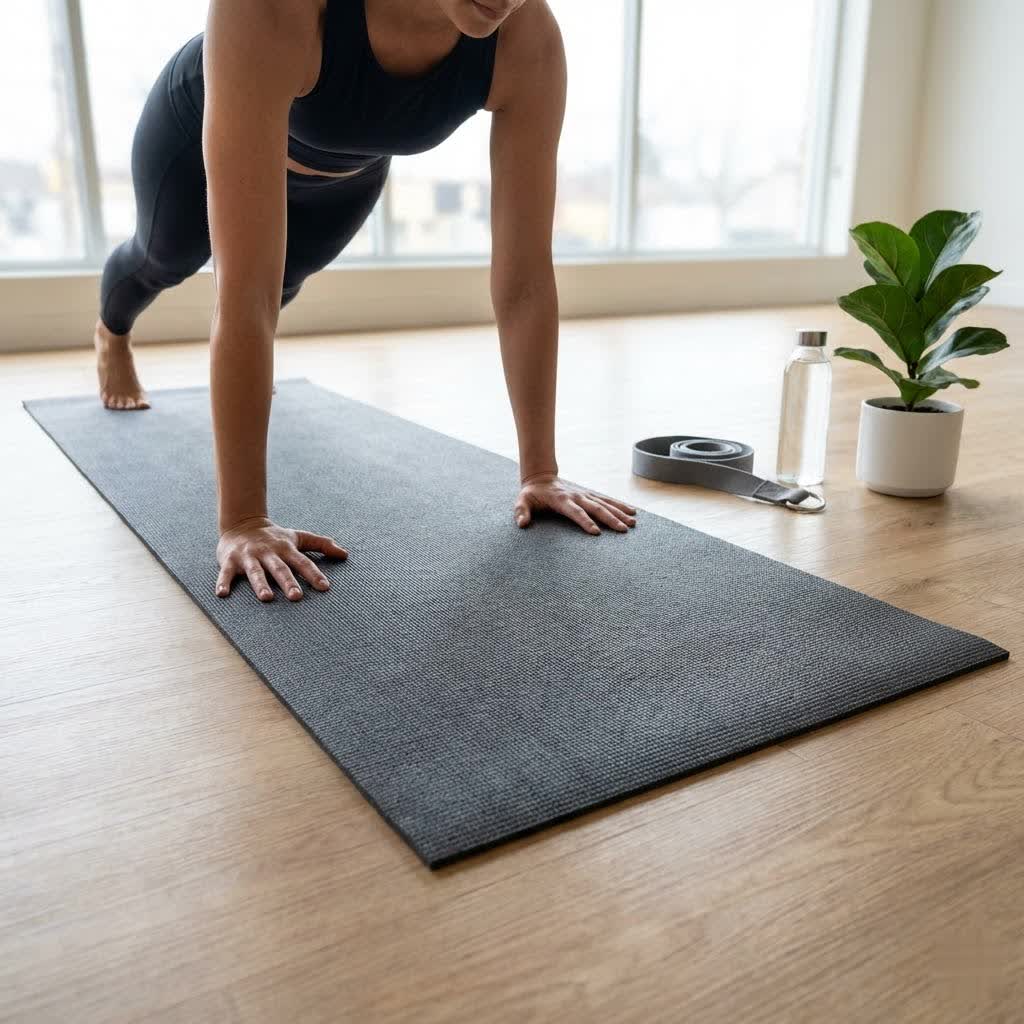
Embarking on a yoga journey or seeking to enhance your existing practice? The right yoga mat is more than just an accessory; it’s a foundational tool that supports every pose, provides comfort, and ensures stability. For over a decade, ReviewsZetu.com has been your trusted guide in sports and wellness products, and with my extensive experience in yoga, I’m here to help you navigate the world of yoga mats, particularly focusing on the popular Gaiam brand. This comprehensive guide will explore various mat materials, offer practical selection tips, and highlight why a Gaiam yoga mat might be your ideal partner for an enriched practice.
Unrolling the Options: Popular Yoga Mat Materials
Understanding the different materials available is crucial to selecting a yoga mat that aligns with your practice style and personal values. Each material offers a unique combination of grip, cushioning, and durability. For expert yoga mat reviews on this site.
PVC Mats: The Tried and True
Polyvinyl Chloride (PVC) mats have long been a staple in the yoga community due to their affordability and durability. Many Gaiam PVC mats are 6P-free, meaning they are manufactured without six common harmful phthalates, making them a healthier choice. They generally offer good cushioning and can withstand years of regular use. However, PVC is not the most environmentally friendly option, and some users might find them initially slippery.
TPE Mats: The Eco-Conscious Choice
Thermoplastic Elastomer (TPE) mats are a newer, more environmentally friendly alternative to PVC. They are often biodegradable and recyclable, appealing to those who prioritize sustainability. TPE mats typically offer good grip and a soft, comfortable feel, making them lightweight and easy to carry. While generally more expensive than PVC, they strike a balance between performance and eco-friendliness.
Natural Rubber Mats: The Ultimate Grip
For practitioners seeking superior grip, natural rubber mats are often the top choice. Renowned for their exceptional traction, these mats prevent slipping even in the sweatiest hot yoga sessions. Natural rubber is also an eco-friendly, sustainable material, providing a dense and supportive cushion for your joints. However, natural rubber mats can have a distinct scent, especially when new, and may not be suitable for individuals with latex allergies.
Cork Mats: Naturally Antimicrobial
Cork yoga mats stand out for their natural, antimicrobial properties, which help repel germs and odors. The unique texture of cork provides excellent grip, which can even improve when slightly damp, making them a great option for hot yoga. These mats are biodegradable and renewable, appealing to the environmentally conscious. Cork mats typically require careful maintenance to prevent drying out or cracking.
Jute Mats: Earthy and Durable
|
Our Picks for the Best Yoga Mat in 2026
As an Amazon Associate I earn from qualifying purchases.
|
||
| Num | Product | Action |
|---|---|---|
| 1 | Amazon Basics Extra Thick Exercise Yoga Mat with Carrying Strap |

|
| 2 | Amazon Basics Extra Thick Exercise Yoga Mat with Carrying Strap |
|
| 3 | Amazon Basics 1/4 Inch Thick TPE Exercise Yoga Mat with Carrying Strap |
|
| 4 | Retrospec Solana Yoga Mat 1" Thick w/Nylon Strap for Men & Women - Non Slip Exercise Mat for Home Yoga, Pilates, Stretching, Floor & Fitness Workouts |
|
| 5 | Retrospec Solana Yoga Mat 1" Thick w/Nylon Strap for Men & Women - Non Slip Exercise Mat for Home Yoga, Pilates, Stretching, Floor & Fitness Workouts |
|
| 6 | Amazon Basics Extra Thick Exercise Yoga Mat with Carrying Strap |
|
| 7 | Retrospec Solana Yoga Mat 1" Thick w/Nylon Strap for Men & Women - Non Slip Exercise Mat for Home Yoga, Pilates, Stretching, Floor & Fitness Workouts |
|
| 8 | Retrospec Solana Yoga Mat 1" Thick w/Nylon Strap for Men & Women - Non Slip Exercise Mat for Home Yoga, Pilates, Stretching, Floor & Fitness Workouts |
|
| 9 | Retrospec Solana Yoga Mat 1" Thick w/Nylon Strap for Men & Women - Non Slip Exercise Mat for Home Yoga, Pilates, Stretching, Floor & Fitness Workouts |
|
| 10 | Retrospec Solana Yoga Mat 1" Thick w/Nylon Strap for Men & Women - Non Slip Exercise Mat for Home Yoga, Pilates, Stretching, Floor & Fitness Workouts |
|
Jute mats offer an earthy, natural feel and are celebrated for their durability and eco-friendliness. Made from natural plant fibers, they provide a stable, non-slip surface with a unique texture that can enhance tactile feedback during practice. While highly sustainable, jute mats can feel rougher than other materials and may offer less cushioning, which might be a consideration for those with sensitive joints.
Comparative Glance: Yoga Mat Material Breakdown
| Feature | PVC | TPE | Natural Rubber | Cork | Jute |
|---|---|---|---|---|---|
| Material | Polyvinyl Chloride | Thermoplastic Elastomer | Natural Tree Rubber | Cork (from oak trees) | Jute Fibers |
| Thickness Range | 3mm – 8mm | 4mm – 6mm | 4mm – 6mm | 3mm – 5mm | 3mm – 5mm |
| Grip | Good (improves with use) | Good | Excellent (especially when dry) | Very Good (improves with moisture) | Good (textured grip) |
| Durability | High (can last over a decade) | Medium (less than PVC) | High | Medium (can be prone to cracking) | High |
| Price | Low to Medium | Medium to High | High | Medium to High | Medium |
| Eco-friendliness | Low (unless 6P-free) | High (biodegradable, recyclable) | High (sustainable, biodegradable) | High (sustainable, antimicrobial) | High (sustainable, biodegradable) |
| Key Characteristics | Cushy, durable, widespread | Lightweight, soft, odorless | Dense, heavy, best grip, strong scent | Antimicrobial, firm, unique texture | Firm, textured, breathable |
Choosing Your Companion: A Guide to Selecting the Ideal Yoga Mat
With so many options, how do you choose the mat that’s right for you? Consider these key factors to make an informed decision.
Thickness Matters: Cushioning for Your Practice
The thickness of your yoga mat significantly impacts comfort and connection to the floor. A 3-5mm mat is excellent for experienced yogis who prefer a strong connection to the ground, aiding balance in standing poses, and is ideal for travel due to its lighter weight. If you’re new to yoga, have sensitive joints, or practice styles that involve more floor work, a 6-8mm thick mat, like many Gaiam options, offers superior cushioning and joint protection, providing a more comfortable experience.
The Power of Grip: Staying Stable
A non-slip surface is paramount to a safe and effective yoga practice, preventing hands and feet from sliding during challenging poses. Gaiam mats are often praised for their reliable grip, with some specific models like the Gaiam Performance Dry-Grip featuring technology that actually increases tackiness when exposed to moisture, making them exceptional for hot yoga. Always prioritize a mat that keeps you stable, allowing you to focus on alignment and breath, not on slipping.
Size Up Your Space: Dimensions for Your Practice
Standard yoga mats typically measure 68 inches long by 24 inches wide. This size accommodates most practitioners, but if you are taller or prefer more space for movement, consider Gaiam’s slightly longer or wider options. Ensuring your mat is long enough to support your entire body in poses like Downward-Facing Dog, and wide enough to provide ample room, can significantly improve your practice.
Material World: Aligning with Your Values
Your choice of material should consider your personal preferences, any allergies, and your environmental consciousness. If you have a latex allergy, avoid natural rubber mats. If eco-friendliness is a priority, explore TPE, cork, or jute options, or look for Gaiam’s 6P-free PVC mats. Each material offers a distinct feel and performance, so consider what tactile experience you prefer beneath your hands and feet.
Budgeting for Bliss: Investing in Your Practice
Yoga mats are available across a wide price spectrum. Gaiam is particularly known for offering high-quality, feature-rich yoga mats at very accessible prices, making them an excellent choice for beginners and those on a budget without compromising performance. Investing in a good quality mat that meets your needs can improve your practice and prove more economical in the long run than frequently replacing cheaper, less durable alternatives.
Keeping Your Mat Pristine: Care and Maintenance Tips
Proper cleaning and storage are vital to extending the life of your yoga mat and maintaining a hygienic practice space.
Post-Practice Wipe Down: Daily Freshness
After each use, especially if you’ve worked up a sweat, wipe down your mat with a damp cloth to remove perspiration and dirt. You can use a dedicated yoga mat cleaner, or a simple DIY solution like a 50/50 mix of water and white vinegar, possibly with a few drops of essential oils like tea tree or lavender for their antimicrobial properties and pleasant scent. Gaiam advises against machine washing their mats, as this can break down the material.
Proper Storage: Extending Mat Life
Always roll your mat loosely after use, rather than folding it, to prevent creases and maintain its shape. Store your mat in a cool, dry place, away from direct sunlight, which can cause materials like natural rubber and PVC to degrade, fade, or become brittle over time. A yoga mat bag can provide additional protection and make transportation easier.
Spotlight on Gaiam: Top Picks for Your Practice
Gaiam offers a diverse range of yoga mats, consistently balancing quality, style, and affordability. For those prioritizing extra cushioning and joint protection, the Gaiam Essentials Thick Yoga Mat (often 6mm) is a popular choice, providing comfort for various practices. If a superior grip is your main concern, especially for hot yoga, the Gaiam Performance Dry-Grip Yoga Mat is highly recommended; its unique surface becomes tackier with moisture, ensuring stability. For eco-conscious practitioners, Gaiam also offers natural rubber options that deliver excellent grip and durability. Many Gaiam mats come with a convenient carrying strap and are available in a vibrant array of colors and patterns, allowing you to express your personal style.
Conclusion
Choosing the right yoga mat is a deeply personal decision, one that can significantly impact the comfort, safety, and enjoyment of your practice. By understanding the different materials available, considering factors like thickness, grip, and size, and committing to proper care, you’re well-equipped to find your perfect mat. Gaiam yoga mats stand out for their blend of quality, diverse features, and accessible price points, making them a fantastic choice whether you’re just beginning your yoga journey or are a seasoned practitioner. Ready to enhance your flow? Explore the world of Gaiam and discover the mat that truly resonates with your unique practice.
Frequently Asked Questions
Are Gaiam yoga mats good for beginners?
Yes, Gaiam yoga mats are highly recommended for beginners. They often come in thicknesses like 6mm, providing ample cushioning for joint protection and comfort during initial practices, and are generally very affordable, making them an excellent entry-level option.
What are Gaiam yoga mats made of?
Gaiam yoga mats are primarily made from PVC (often 6P-free, meaning free from harmful phthalates), and natural rubber. They also offer mats made from TPE and sometimes incorporate materials like cork, depending on the specific model and features.
How do I clean my Gaiam yoga mat?
To clean your Gaiam yoga mat, wipe it down after each use with a damp cloth and a mild soap solution or a specialized yoga mat cleaner. For a deeper clean, a 50/50 mixture of water and white vinegar can be effective. Always air dry your mat completely, and avoid harsh chemicals or machine washing, as these can damage the material.
Do Gaiam yoga mats have a strong smell?
Like many new products, some Gaiam yoga mats, especially those made from natural rubber, may have an initial, harmless odor when first unrolled. This smell typically dissipates after airing out the mat for a few days in a well-ventilated area.
Are Gaiam yoga mats eco-friendly?
Gaiam offers various options for environmentally conscious practitioners. Their PVC mats are often 6P-free, avoiding certain harmful phthalates. They also produce mats from more sustainable materials like natural rubber, which is biodegradable, and TPE, which is recyclable.
Get our weekly buyer guide
Practical specs, not advice. Unsubscribe anytime.

This guide really helped me understand the different mat materials better. I’ve always just grabbed whatever was on sale, but now I’m thinking more about what suits my restorative practice. My Gaiam mat has held up well, and I appreciate the variety they offer. It’s good to know there are options for every type of yogi.
I picked up a Gaiam mat recently, hoping for a good balance of cushioning and portability. While the cushioning is decent for my knees, I found the grip to be a bit less than ideal on my hardwood floor. It tends to slide a little during more dynamic poses, which can be distracting. Maybe I just got a slightly slicker one, but it’s something to consider.
I’ve been using Gaiam mats for years, and I totally agree with the guide’s emphasis on stability. My current mat, one of their thicker options, has been a game-changer for my joint comfort during longer holds. The grip is fantastic, even when I get a little sweaty during a power yoga session. Definitely recommend Gaiam for anyone serious about their practice.
I’m fairly new to yoga, and the idea of a ‘foundational tool’ really resonated with me. I chose a Gaiam mat based on a friend’s recommendation, and it’s been perfect. The comfort it provides makes a huge difference, especially when I’m still learning to hold poses. It’s definitely helped me feel more confident and supported in my practice.