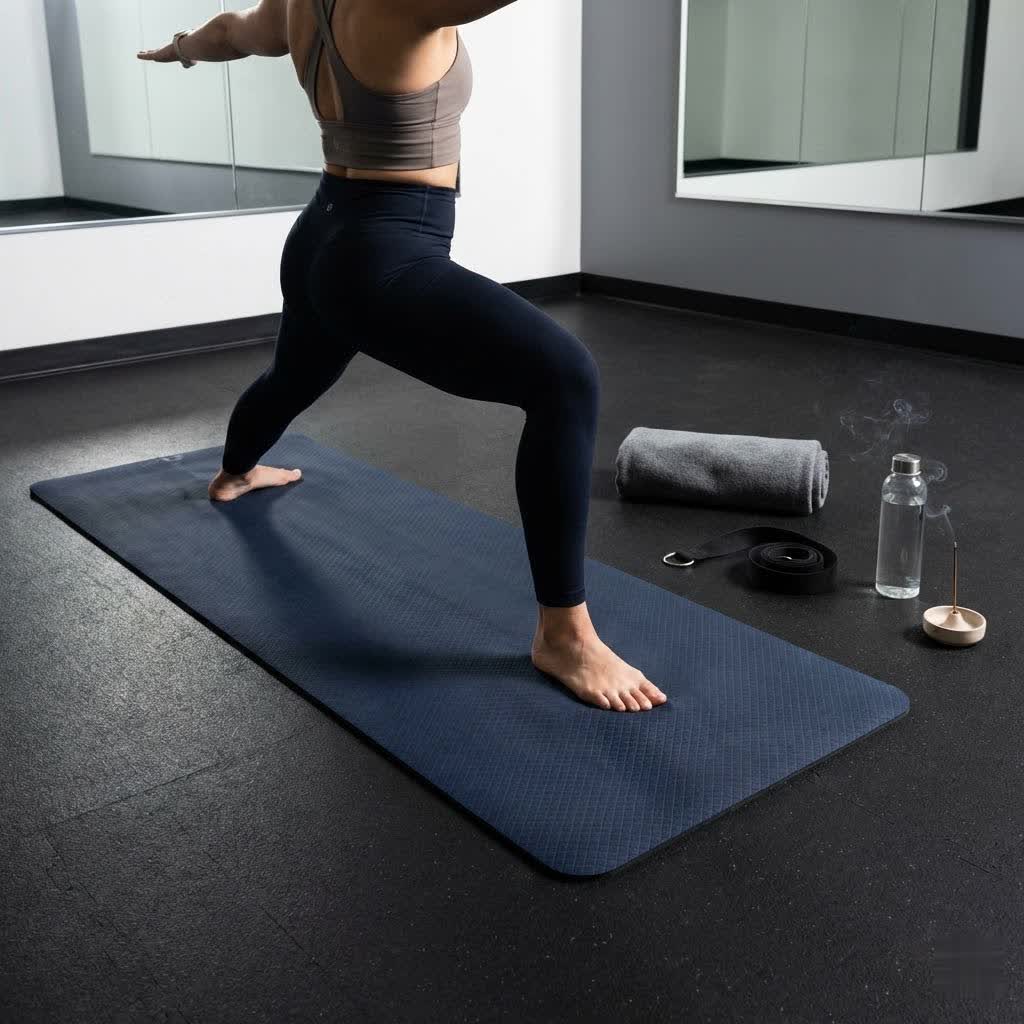
Stepping onto your yoga mat should feel like coming home – a space for grounding, movement, and mindful practice. But with countless options available, how do you find the mat that truly supports your journey? If you’ve been practicing yoga for a while, you’ve likely heard whispers of the Jade Yoga Mat, a name synonymous with exceptional grip and eco-conscious design. It’s more than just a piece of equipment; for many, it’s a commitment to a sustainable practice and unparalleled stability. This comprehensive guide will explore everything you need to know about Jade Yoga Mats, helping you determine if this natural rubber powerhouse is the perfect foundation for your poses and peace of mind.
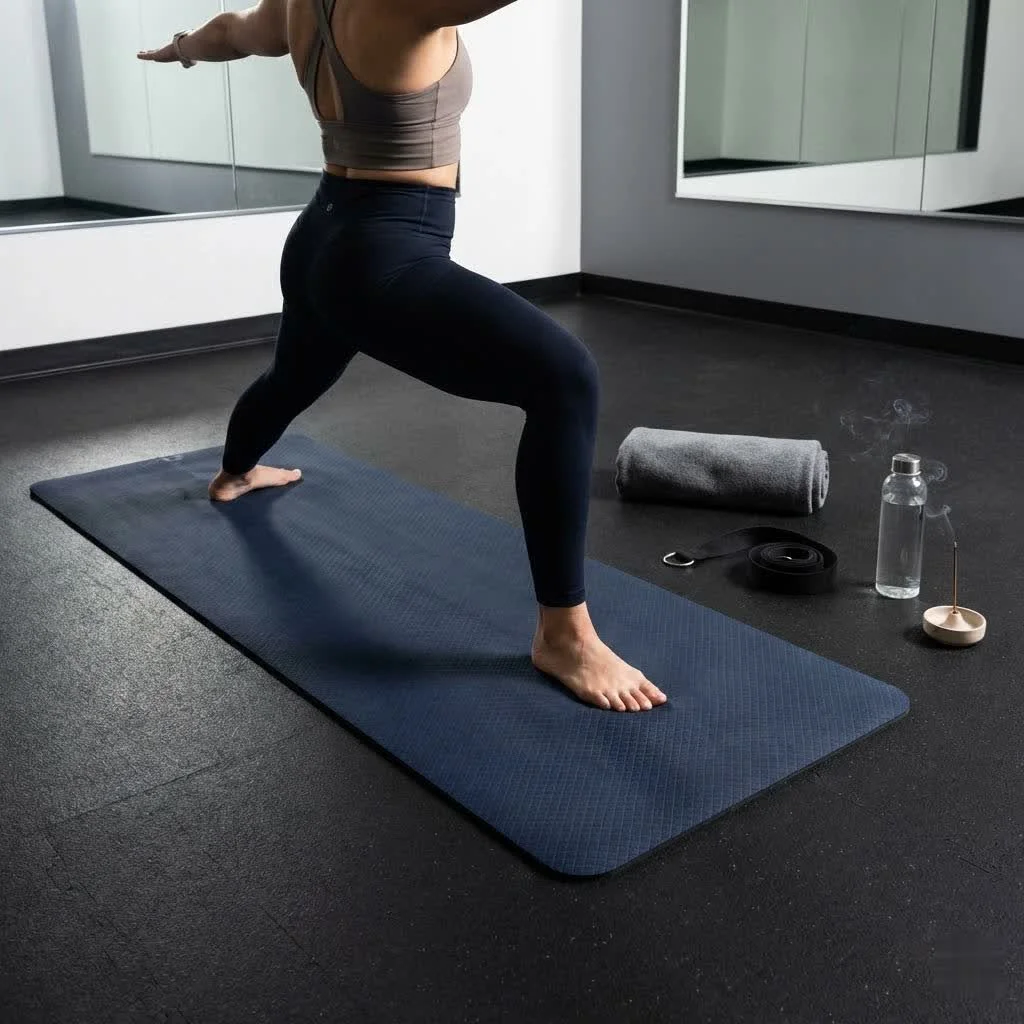
Understanding the Jade Yoga Mat Difference
What sets a Jade Yoga Mat apart in a crowded market? The answer lies in its foundational philosophy and material composition. Unlike many conventional mats made from synthetic materials, Jade Yoga Mats are crafted primarily from natural rubber, a renewable resource sustainably tapped from rubber trees. This commitment to the environment extends further, with the company planting a tree for every mat sold, contributing to reforestation efforts globally. This eco-friendly approach resonates deeply with yogis who seek to align their practice with their values.
Key Features of Jade Yoga Mats
Jade Yoga Mats are renowned for several distinguishing features that directly impact your practice:
- Superior Grip and Traction: The open-cell structure of natural rubber provides exceptional grip, making it an ideal choice even during the sweatiest hot yoga sessions. This unique texture absorbs moisture, ensuring your hands and feet stay firmly planted, allowing you to move through challenging poses with confidence and stability. While some users might notice a slight initial slipperiness, the mat’s quick-absorbing properties soon kick in to provide steadfast traction.
- Eco-Conscious and Non-Toxic: A significant draw for many is Jade’s dedication to sustainability. These mats are free from PVC, EVA, other synthetic rubbers, phthalates, heavy metals, and flame retardants, ensuring a non-toxic environment for your practice. Made in the United States, they adhere to stringent environmental and labor laws, offering peace of mind to the environmentally aware yogi.
- Comfort and Cushioning: Despite being made from natural rubber, Jade mats offer a supportive yet forgiving feel. Models like the popular Jade Harmony typically feature a 3/16 inch (approximately 4.76mm) thickness, striking a balance between cushioning for joint protection and sufficient firmness for stable standing poses and inversions. For those desiring even more plushness, the Jade Fusion mat provides extra cushioning at 5/16 inch (8mm) thick, making it ideal for restorative yoga, Pilates, or core fitness.
- Durability and Longevity: While natural rubber mats require specific care, Jade mats are generally considered durable for their material type. They are designed to withstand regular practice, offering a long-term investment. However, their open-cell nature means they are more absorbent, which can affect their lifespan compared to closed-cell synthetic alternatives if not cleaned regularly.
Pros and Cons of Jade Yoga Mats
Like any product, Jade Yoga Mats come with a distinct set of advantages and disadvantages. Understanding these can help you weigh your options effectively.
Advantages
|
Our Picks for the Best Yoga Mat in 2026
As an Amazon Associate I earn from qualifying purchases.
|
||
| Num | Product | Action |
|---|---|---|
| 1 | Amazon Basics Extra Thick Exercise Yoga Mat with Carrying Strap |

|
| 2 | Retrospec Solana Yoga Mat 1" Thick w/Nylon Strap for Men & Women - Non Slip Exercise Mat for Home Yoga, Pilates, Stretching, Floor & Fitness Workouts |
|
| 3 | Retrospec Solana Yoga Mat 1" Thick w/Nylon Strap for Men & Women - Non Slip Exercise Mat for Home Yoga, Pilates, Stretching, Floor & Fitness Workouts |
|
| 4 | Amazon Basics Extra Thick Exercise Yoga Mat with Carrying Strap |
|
| 5 | Amazon Basics 1/4 Inch Thick TPE Exercise Yoga Mat with Carrying Strap |
|
| 6 | Retrospec Solana Yoga Mat 1" Thick w/Nylon Strap for Men & Women - Non Slip Exercise Mat for Home Yoga, Pilates, Stretching, Floor & Fitness Workouts |
|
| 7 | Retrospec Solana Yoga Mat 1" Thick w/Nylon Strap for Men & Women - Non Slip Exercise Mat for Home Yoga, Pilates, Stretching, Floor & Fitness Workouts |
|
| 8 | Retrospec Solana Yoga Mat 1" Thick w/Nylon Strap for Men & Women - Non Slip Exercise Mat for Home Yoga, Pilates, Stretching, Floor & Fitness Workouts |
|
| 9 | Retrospec Solana Yoga Mat 1" Thick w/Nylon Strap for Men & Women - Non Slip Exercise Mat for Home Yoga, Pilates, Stretching, Floor & Fitness Workouts |
|
| 10 | Amazon Basics Extra Thick Exercise Yoga Mat with Carrying Strap |
|
- Exceptional Non-Slip Performance: The natural rubber offers unparalleled grip, especially valuable in dynamic or heated yoga styles where perspiration can lead to slippage on other mats. This ensures safety and allows for deeper focus on your alignment and breath.
- Environmentally Friendly: Made from renewable natural rubber and free from harmful chemicals, Jade mats are a top choice for eco-conscious practitioners. The brand’s commitment to planting a tree for every mat sold further solidifies its environmental credentials.
- Comfortable and Supportive: The responsive cushioning provides a comfortable surface for your practice, protecting joints during impact while still offering a stable foundation for balance work.
- Made in the USA: Manufactured in the United States, Jade mats adhere to high standards of production and ethical labor practices, appealing to those who prefer locally made and ethically sourced products.
Disadvantages
- Initial Rubber Scent: Upon unrolling a new Jade mat, you might notice a strong, distinctive natural rubber smell. While this odor typically dissipates over time with aeration, it can be bothersome for some users during initial practices.
- Weight and Portability: Jade mats, particularly the standard Harmony model, can be heavier than some synthetic mats (around 4.5-4.8 pounds). This can make them less convenient for yogis who commute frequently or travel extensively, although lighter travel versions are available.
- Requires Specific Care: Due to their open-cell, absorbent nature, Jade mats can collect dust, lint, and sweat more readily. They require regular and specific cleaning to prevent odor and maintain hygiene, and they are sensitive to direct sunlight and certain cleaning agents.
- Not Suitable for Latex Allergies: Since Jade mats are made from natural rubber, they are not recommended for individuals with latex sensitivities or allergies, posing a health risk.
- Higher Price Point: Generally, Jade Yoga Mats come with a higher price tag than many entry-level or synthetic mats. This is a reflection of their sustainable materials, manufacturing processes, and performance benefits.
Choosing the Perfect Jade Yoga Mat
Selecting the right Jade Yoga Mat involves considering a few key factors to ensure it aligns with your specific needs and practice style.
Thickness Options
Jade Yoga offers different thickness levels to cater to various preferences:
- 3/16 inch (4.76mm): This is the standard thickness for the popular Jade Harmony Mat. It offers an excellent balance of cushioning and stability, making it versatile for most yoga styles, from Vinyasa to Hatha. It provides enough padding to protect your joints while allowing you to feel grounded and connected to the floor.
- 5/16 inch (8mm): Available in the Jade Fusion Mat, this extra-thick option provides maximum comfort and cushioning. It’s ideal for practitioners who need more joint support, such as those with sensitive knees or wrists, or for practices like restorative yoga, Yin yoga, or Pilates where longer holds and deeper relaxation are emphasized.
- 1/8 inch (3.2mm) or less: Jade also offers thinner travel mats, like the Voyager, which are significantly lighter and more portable. These are perfect for yogis on the go who need a compact mat for travel but don’t want to compromise on grip. While offering less cushioning, they maintain Jade’s signature traction.
Size Considerations
Standard Jade Yoga Mats are typically 24 inches (61cm) wide. When it comes to length, you usually have options:
- 68 inches (173cm): This is a common standard length, suitable for most individuals.
- 74 inches (188cm) or longer: Taller yogis or those who prefer extra space to move can opt for longer versions, which provide ample room for all poses without having to readjust frequently.
Consider your height and how much space you prefer to have during your practice. You should be able to lie completely flat on your mat without your head or feet touching the floor.
Caring for Your Jade Yoga Mat
Proper care and maintenance are crucial for preserving the performance, hygiene, and longevity of your natural rubber Jade Yoga Mat. Neglecting care can lead to premature wear, odors, and reduced grip.
Daily Cleaning Tips
After each practice, especially if you’ve perspired heavily, a quick wipe-down is recommended:
- Wipe with a Damp Cloth: Use a clean, damp cloth (preferably with plain water) to gently wipe down the surface of your mat, removing sweat and surface dirt.
- Use Specialized Mat Wash: For a more thorough daily clean, consider using a plant-based mat wash specifically designed for natural rubber mats, such as Jade’s own Mat Wash. These are formulated to clean effectively without damaging the rubber.
- Air Dry Thoroughly: Always allow your mat to air dry completely before rolling it up. Rolling a damp mat can trap moisture, encouraging bacterial growth and odor. Hang it over a shower rod or lay it flat, away from direct sunlight.
Deep Cleaning Methods
For a deeper clean, especially if your mat starts to feel less grippy or develops an odor, you can follow these steps approximately once a month:
- Soak in Lukewarm Water: Fill a bathtub with a few inches of lukewarm (not hot) water, enough to submerge the mat. Add a few drops of mild, organic soap if desired. Let the mat soak for 15-30 minutes, allowing oils and dirt to release.
- Gentle Scrub: Using a soft cloth or sponge, gently rub the entire surface of the mat to dislodge any stubborn dirt or residue.
- Rinse Thoroughly: Drain the soapy water and rinse the mat thoroughly with clean water, ensuring all soap residue is removed. Avoid draining the tub with the mat still in it, as released dirt might resettle.
- Press Dry: Lay the mat flat on a clean, dry towel, then place another towel on top. Press down firmly to absorb as much water as possible.
- Hang to Air Dry: Hang the mat to air dry in a well-ventilated area, away from direct sunlight. This process can take a full day.
Important Care Warnings
Natural rubber is a durable material, but it has specific vulnerabilities:
- Avoid Direct Sunlight: Never expose your Jade mat to direct sunlight for prolonged periods. UV light can break down the natural rubber, causing it to become brittle, porous, and lose its grip. This also applies to drying outdoors.
- No Washing Machine or Dryer: Do not put your Jade mat in a washing machine or dryer. The agitation and heat will severely damage the mat’s integrity and material.
- Steer Clear of Harsh Chemicals: Avoid cleaning products containing alcohol, petroleum-based solvents, or most essential oils (unless specifically formulated for natural rubber mats like Jade’s own cleaner). These substances can degrade the rubber, causing it to dry out, crack, or become slippery.
- Store Properly: When not in use, roll your Jade mat up rather than folding it, and store it in a cool, dry place away from extreme temperatures.
Is a Jade Yoga Mat Right for You?
Considering the unique properties of Jade Yoga Mats, they are particularly well-suited for certain types of practitioners and preferences.
Who Benefits Most from a Jade Mat?
- Sweaty Yogis and Hot Yoga Enthusiasts: If you find yourself slipping on other mats during intense or heated practices, Jade’s superior wet grip can be a major upgrade, providing the stability you need to maintain your poses.
- Eco-Conscious Practitioners: Those for whom environmental impact is a significant factor will appreciate Jade’s commitment to natural, sustainable, and non-toxic materials, along with their tree-planting initiative.
- Yogis Seeking Comfort and Support: The balanced cushioning of Jade mats provides excellent joint protection without sacrificing the grounding feel necessary for a stable practice.
- Intermediate to Advanced Practitioners: While suitable for all levels, experienced yogis who engage in challenging poses will particularly value the reliable traction and support a Jade mat offers.
Considerations Before Buying
Before making your decision, ask yourself:
- Do I have a latex allergy? If so, a natural rubber mat like Jade would not be suitable, and you should explore alternatives like TPE or cork.
- Am I willing to commit to specific cleaning and storage routines? The open-cell nature means it needs more attention than some closed-cell mats.
- How often do I travel with my mat? If frequent travel is a concern, consider a lighter travel-specific Jade mat or be prepared for the extra weight.
- What is my budget? Jade mats are an investment, so ensure it aligns with what you’re willing to spend on a high-quality, eco-friendly option.
“A good yoga mat is an extension of your practice. It shouldn’t just support your body, but also your values. Jade mats, with their incredible grip and commitment to the Earth, often become a cherished companion for dedicated yogis.” – Admin, ReviewsZetu.com
Conclusion
Choosing the right yoga mat is a deeply personal decision that impacts the quality and safety of your practice. The Jade Yoga Mat, with its exceptional grip, natural rubber composition, and strong commitment to environmental sustainability, stands out as a premium choice for many. While its specific care requirements and initial rubber scent might be considerations, the benefits of enhanced stability, comfort, and eco-friendliness often far outweigh these minor drawbacks for dedicated practitioners.
By understanding its unique features, weighing the pros and cons, and considering your personal practice style, you can determine if a Jade Yoga Mat is the perfect foundation to deepen your connection to your body, breath, and the planet. Are you ready to experience the grounded stability and natural embrace that a Jade Yoga Mat offers?
Frequently Asked Questions
What are Jade yoga mats made of?
Jade yoga mats are primarily made from natural, open-cell rubber sustainably sourced from rubber trees. They are free from PVC, EVA, other synthetic rubbers, phthalates, and heavy metals, making them an eco-friendly and non-toxic choice for your yoga practice.
Do Jade yoga mats smell?
Yes, new Jade yoga mats often have a noticeable natural rubber scent when first unrolled. This smell is inherent to the material and typically dissipates over a few weeks with regular use and proper airing out in a well-ventilated area.
How do I clean my Jade yoga mat?
For daily cleaning, wipe your mat with a damp cloth (plain water or a specialized natural rubber mat wash). For a deep clean, soak it in lukewarm water with a few drops of mild, organic soap, then gently scrub, rinse thoroughly, and air dry completely away from direct sunlight.
Are Jade yoga mats good for hot yoga?
Jade yoga mats are excellent for hot yoga due to their open-cell natural rubber construction. This material absorbs moisture and provides exceptional grip and traction even when wet, helping to prevent slipping during sweaty practices.
Can I put my Jade yoga mat in the washing machine?
No, you should never put a Jade yoga mat in a washing machine or dryer. The intense agitation and heat can severely damage the natural rubber material, leading to premature wear and loss of its unique properties.
Are Jade yoga mats durable?
Jade mats are considered durable for natural rubber mats, designed to withstand regular use. However, their open-cell nature means they can degrade faster than some synthetic, closed-cell mats if not cared for properly, especially with exposure to sunlight or harsh chemicals.
Do Jade yoga mats contain latex?
Yes, Jade yoga mats are made from natural rubber, which contains latex. Therefore, they are not suitable for individuals with latex allergies or sensitivities, as exposure could trigger an allergic reaction.
Get our weekly buyer guide
Practical specs, not advice. Unsubscribe anytime.

I recently switched to a Jade mat after my old one started flaking. The stability it offers is fantastic, especially for balancing poses. My only minor complaint is that it does pick up lint pretty easily, so I find myself wiping it down more often than I expected. Still, the performance outweighs that small inconvenience.
After years of struggling with slippery mats, the Jade Yoga Mat has been a revelation. The natural rubber composition really makes a difference in how grounded I feel during my practice. I appreciate knowing it’s a sustainable choice too. It’s definitely helped me deepen my poses without worrying about my hands or feet sliding.
I was really excited about getting a Jade mat because everyone raves about the grip. While it’s good, I found the initial rubber smell to be quite strong and it took a few weeks to really dissipate. Also, I noticed it’s a bit heavier than my previous mat, which makes it less convenient for carrying to different studios. It’s a solid mat, but those were definite drawbacks for me.
I’ve been using my Jade Harmony mat for about six months now, and it’s truly a game-changer. The grip is incredible, even in hot yoga, and I never feel like I’m slipping. I also love that it’s made from natural rubber; it feels good to support an eco-conscious brand. Definitely worth the investment for serious practitioners.